Vintage Interior Design: A Nostalgic Journey Through Time and Style
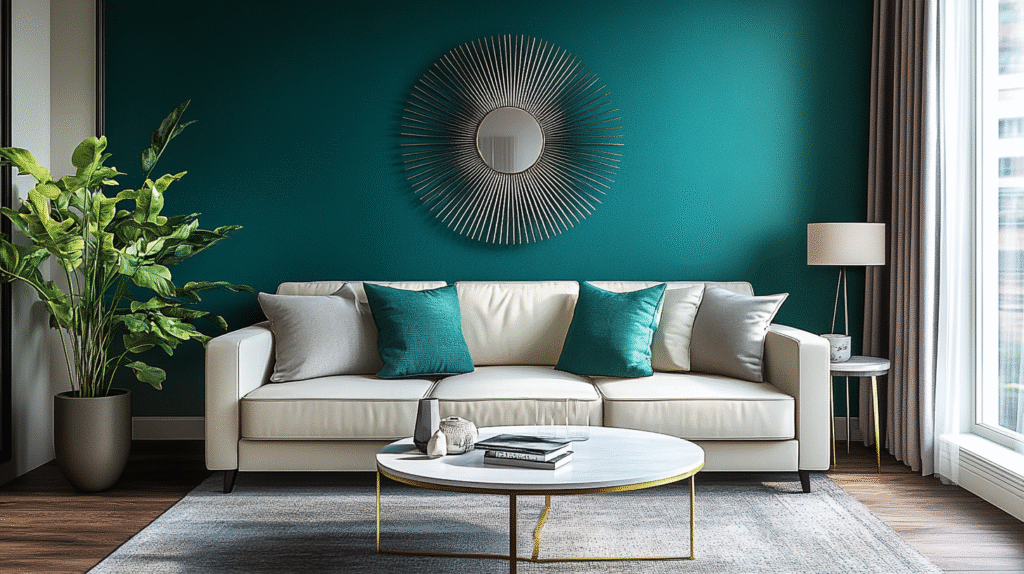
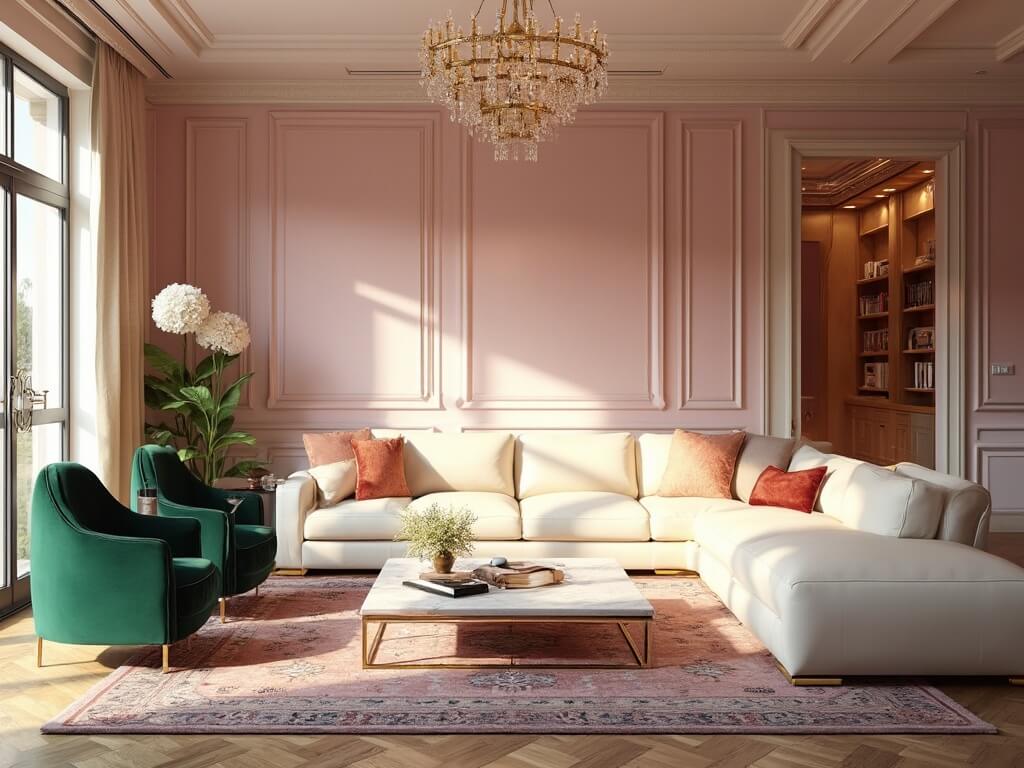
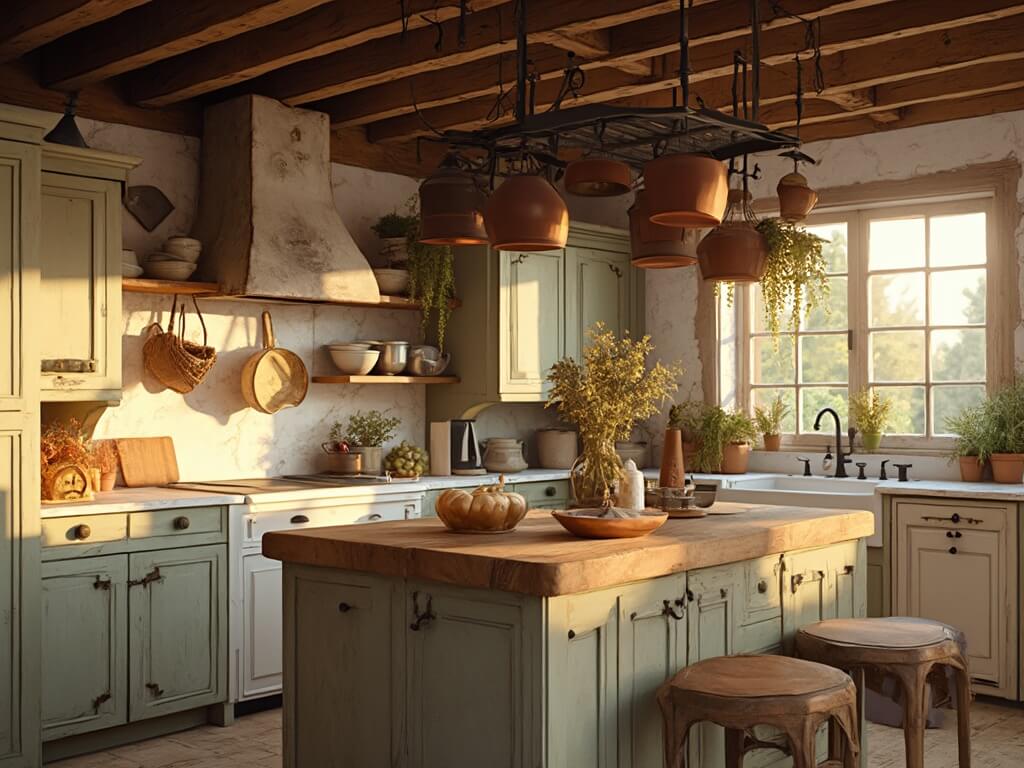
We mixed a tufted chair with raw wood in our vintage interior, and the rooms felt honest. Vintage interior design works when the pieces look aged and the colors stay deep.
🎨 Steal This Look
- Paint Color: Sherwin-Williams Accessible Beige SW 7036
- Furniture: Curved camelback sofa in velvet or worn leather, paired with a claw-foot wooden coffee table with turned legs
- Lighting: Brass pharmacy floor lamp with adjustable arm and milk glass shade, or a tiered crystal chandelier with aged patina
- Materials: Distressed oak, tarnished brass, faded Persian rugs, cracked leather, linen slipcovers, mercury glass, and hand-blocked wallpaper
There’s something quietly rebellious about choosing a velvet settee over a sectional—it’s a refusal to let convenience erase character, and guests always linger longer in rooms that don’t feel algorithm-generated.
What Makes Vintage Design So Magical?
Vintage isn’t just about old stuff – it’s about capturing the soul of different decades. Imagine walking into a room that instantly transports you to the glamorous 1950s or the funky 1970s, without feeling like you’re in a museum.
Why Vintage Design Rocks
- Timeless Elegance: Each piece has a history, a personality
- Unlimited Creativity: Mix and match eras like a design DJ
- Sustainable Approach: Repurposing and loving old treasures
- Personal Expression: Your home becomes a unique storytelling canvas

🏠 Steal This Look
- Paint Color: Benjamin Moore White Dove OC-17
- Furniture: curved camelback sofa with turned wooden legs, mid-century walnut credenza with tapered legs
- Lighting: brass sputnik chandelier with frosted glass globes
- Materials: worn velvet upholstery, aged brass hardware, reclaimed oak with patina, hand-tufted wool rugs with faded botanical patterns
There’s something quietly rebellious about choosing a scratched farmhouse table over something box-fresh—it’s a refusal to let perfection erase personality from where you live.
👑 Get The Look
Diving into Vintage Styles: A Era-by-Era Breakdown
1. Shabby Chic: Romantic and Soft
- Distressed white furniture
- Delicate floral patterns
- Dreamy, soft color palette
- Perfect for those who love a feminine, lived-in look

2. Mid-Century Modern: Clean and Cool
- Sleek, minimalist lines
- Wood-heavy furniture
- Bold geometric patterns
- Think Mad Men meets modern comfort

3. Art Deco: Glamour and Geometry
- Metallic accents
- Bold, dramatic colors
- Luxurious velvet and geometric shapes
- Channels old Hollywood sophistication

4. Retro 60s-70s: Bold and Playful
- Psychedelic prints
- Vibrant colors (hello, avocado green!)
- Plastic furniture
- Funky and fun aesthetic
💡 Steal This Look
- Paint Color: Farrow & Ball De Nimes No.299
- Furniture: Low-slung walnut credenza with tapered legs and brass hardware
- Lighting: Sputnik chandelier with brass arms and frosted glass globes
- Materials: Walnut veneer, tweed upholstery, brass accents, terrazzo flooring
There’s something deeply satisfying about walking into a Mid-Century living room that feels curated over decades, not purchased in a weekend—it’s the difference between a collection and a showroom.
Pro Tips for Vintage Design Mastery
Color Palette Secrets
- Soft pastels for early 20th-century vibes
- Bright, bold colors for 60s-70s energy
- Mix muted and vibrant tones for depth

Furniture Selection Strategy
- Look for pieces with character
- Balance vintage finds with modern comfort
- Don’t be afraid to refinish or upcycle
Accessorizing Like a Pro
- Antique mirrors
- Vintage glassware
- Retro wall art
- Unique flea market discoveries

★ Steal This Look
- Paint Color: Behr Swiss Coffee 12
- Furniture: A distressed farmhouse dining table with turned legs paired with mismatched vintage Windsor chairs
- Lighting: A brass sputnik chandelier with exposed Edison bulbs
- Materials: Reclaimed barn wood, aged brass, crackle-glaze ceramic, and faded velvet upholstery
This is the room where your grandmother’s handed-down mirror finally makes sense beside that flea market score you’ve been unsure about—trust your instincts.
Budget-Friendly Vintage Hacks
- Thrift stores are your new best friend
- Learn basic furniture restoration
- Follow vintage decor Instagram accounts
- Check out estate sales
- Use online marketplaces for unique finds
💡 Steal This Look
- Paint Color: use Valspar brand. Match the ACTUAL wall color in the image. Format: Valspar ColorName CODE
- Furniture: specific furniture for this room
- Lighting: specific lighting fixture
- Materials: key textures and materials
There’s something deeply satisfying about rescuing a piece someone else discarded and making it the heart of your home—every scratch tells a story you get to continue.
🔔 Get The Look
Common Vintage Design Mistakes to Avoid
- Don’t Overcrowd: Less is more
- Avoid Exact Replicas: Mix periods for authenticity
- Balance Old and New: Ensure modern functionality
- Stay True to Your Style: Not every vintage piece will work for you
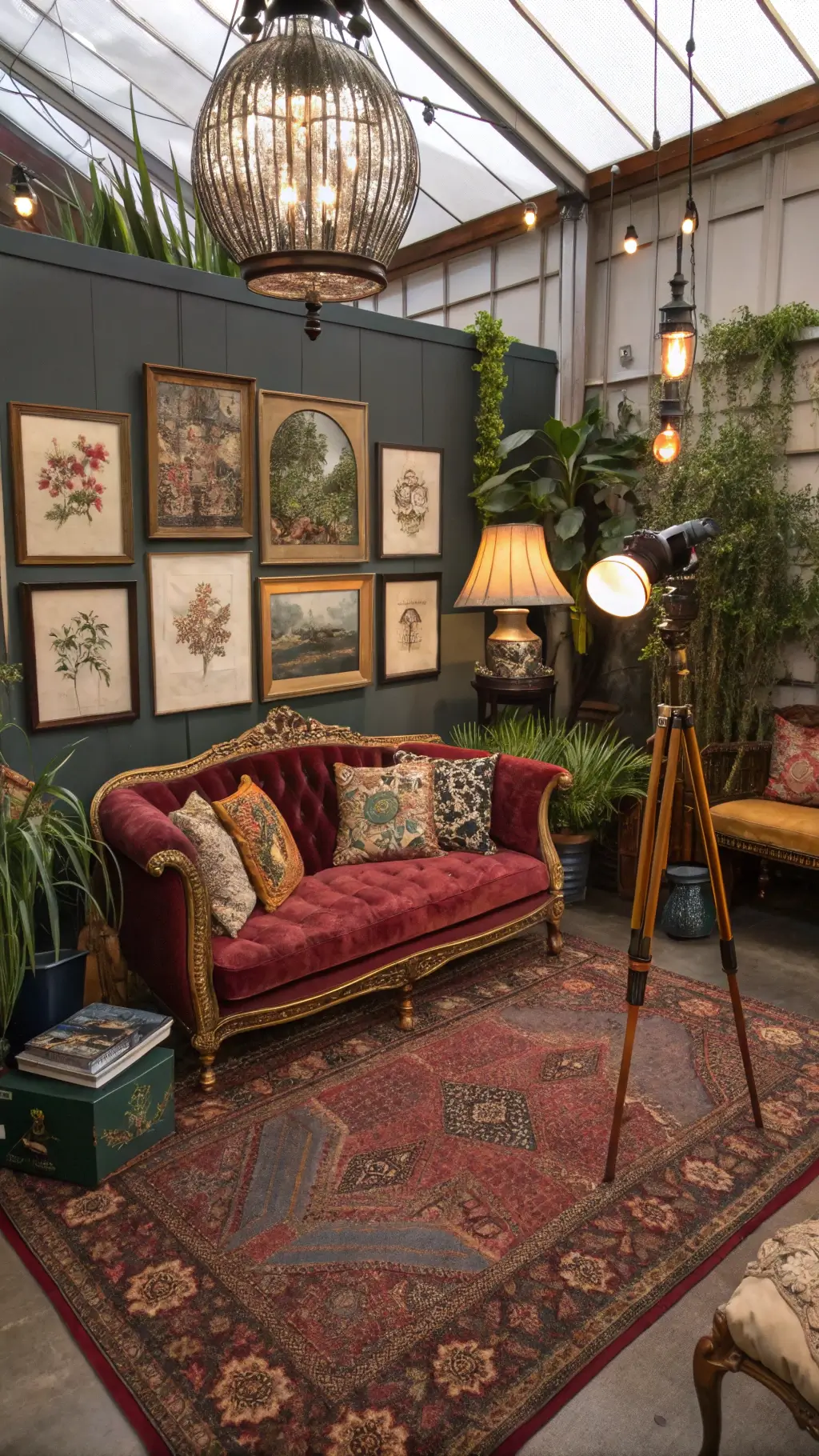
🌟 Steal This Look
- Paint Color: use PPG brand. Match the ACTUAL wall color in the image. Format: PPG ColorName CODE
- Furniture: specific furniture for this room
- Lighting: specific lighting fixture
- Materials: key textures and materials
I’ve watched too many friends get swept up at estate sales and end up with rooms that feel heavy and dated rather than curated and personal—vintage should enhance your daily life, not complicate it.
Your Vintage Design Toolkit
- Quality measuring tape
- Sandpaper and paint
- Upholstery cleaner
- Good lighting for spotting details
- Patience and imagination
Pro Tip: Vintage design is about creating a space that feels like a beautiful, curated memory – not a time machine.
Final Thoughts
Vintage interior design works when the pieces look aged and the colors stay deep. A tufted chair and raw wood will take the room further than new decor.