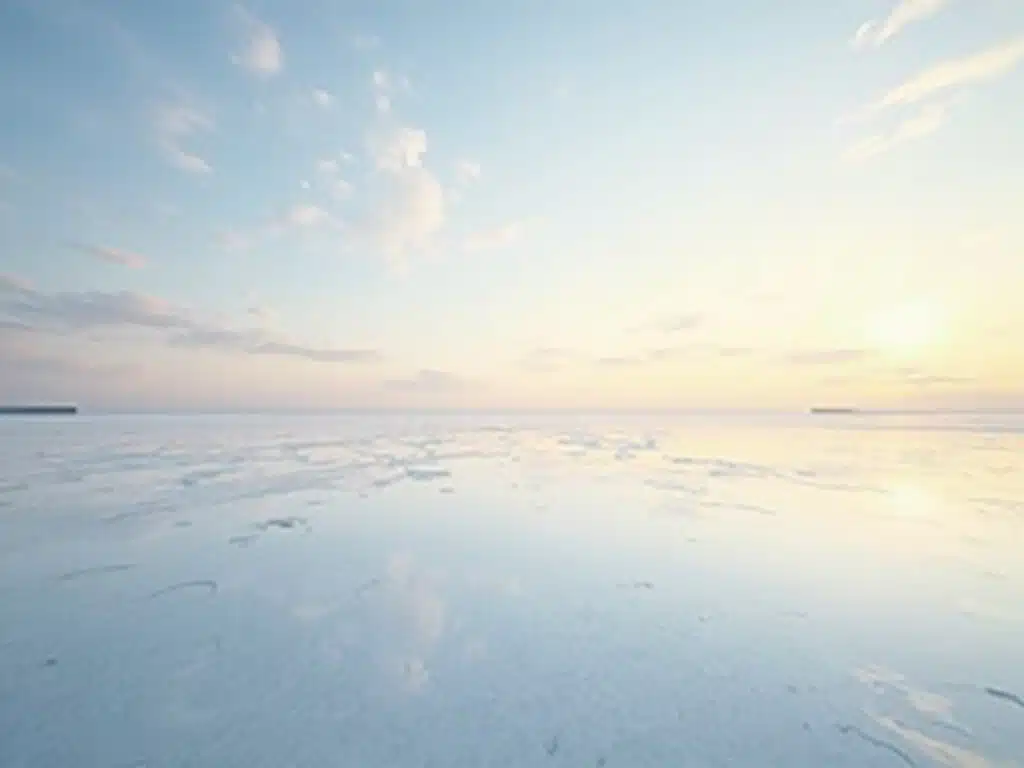
We visited Salar de Uyuni after rain and the salt flat turned into a mirror, which is the shot everyone goes for. The world largest salt flat stays worth it for that reflection alone.
Nestled high in the Bolivian Andes, Salar de Uyuni isn’t just a salt flat – it’s a natural wonder that defies imagination.
Spanning a mind-blowing 10,000 square kilometers, this salt desert sits perched at 3,650 meters above sea level, creating one of the most photogenic landscapes on our planet. It’s not just big – it’s so immense you can reportedly see it from the moon.
The Prehistoric Puddle That Became a Photographer’s Paradise
Millions of years ago, this wasn’t a salt flat. It was Lake Minchin, a massive prehistoric body of water that slowly evaporated over 30,000-40,000 years.
What remained? A blindingly white salt crust packed with mind-boggling statistics:
- 10 billion tonnes of pure salt
- A crust 10 to 33 feet thick
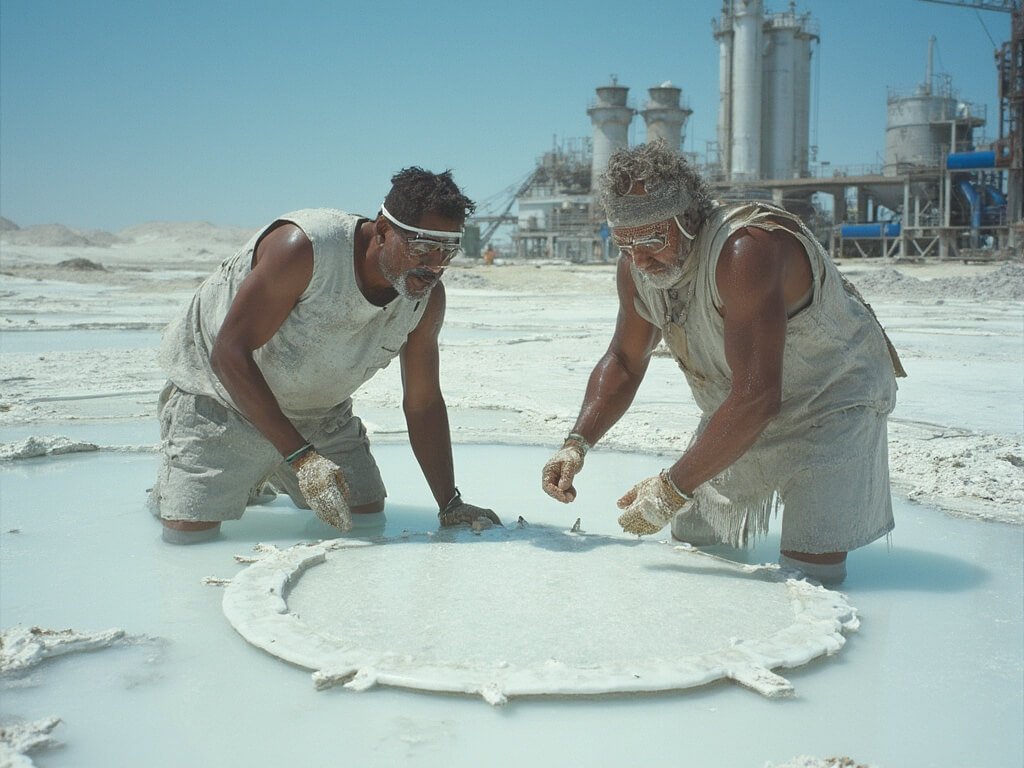
- Less than 25,000 tonnes extracted annually by local miners
The landscape looks like someone bleached the earth. Imagine a canvas so flat and white that it becomes a perfect mirror during the rainy season.
When Water Turns Earth Into a Celestial Reflection
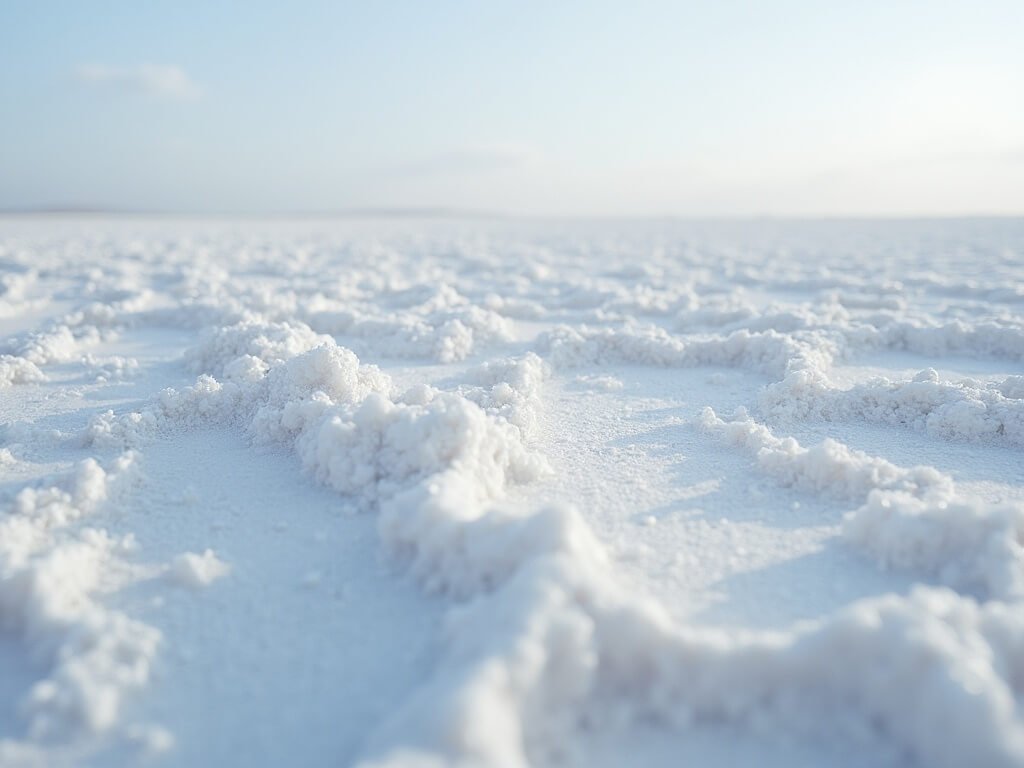
During the wet months from November to April, something magical happens. A thin layer of water transforms the salt flat into the world’s largest natural mirror.
Picture this: sky, mountains, and stars perfectly reflected, creating an illusion of infinite space. You’re not just walking – you’re floating through a dreamscape where ground and sky merge.
Photographers call this a “Kodak moment” on steroids. Professional and amateur snappers travel thousands of miles to capture these surreal scenes.

More Than Just a Pretty Landscape: The Lithium Goldmine
But Salar de Uyuni isn’t just about pretty pictures. This salt flat is a geological treasure chest.
It contains approximately 11.2 million tons of lithium – about 38% of the world’s known supplies. The “Lithium Triangle” region, which includes this salt flat, holds 75% of global lithium reserves.
Currently, extraction is limited. Local cooperatives mine carefully, preserving this unique ecosystem while slowly tapping into its mineral wealth.
A Stargazer’s Ultimate Playground
The high altitude and extreme isolation create perfect stargazing conditions. Imagine lying on a perfectly flat, reflective surface, surrounded by an uninterrupted 360-degree view of the Milky Way.
Professional astrophotographers consider this location a holy grail. The combination of crystal-clear skies, zero light pollution, and mirror-like surface creates long-exposure shots that look like they’re from another planet.
During my own photography expedition, I spent nights watching stars reflect perfectly, creating an illusion of walking through an infinite cosmic sea. The silence was profound, the beauty overwhelming.
Practical Traveler’s Tips
Want to experience this wonder? Plan your visit between late November and April for the mirror effect. Bring specialized tour guides, prepare for high-altitude conditions, and pack camera gear that can handle extreme environments.
The nearby town of Colchani serves as a perfect base, with the world’s first salt hotel offering a truly unique lodging experience.
This salt flat isn’t just a destination. It’s a testament to nature’s ability to create landscapes so extraordinary they challenge our perception of reality.
The geological story continues to unfold, with each rainy season creating a new canvas of reflection, each crystal of salt holding millions of years of transformation.
Explore More Natural Wonders
Check out our guide to tropical landscape design to bring some exotic vibes to your backyard.
Interested in sustainability and earth’s bounty? Don’t miss our tips on how to grow your own backyard vegetable garden.
The Extreme Climate: Survival in a Salt Desert
Most people imagine deserts as scorching hot landscapes. But Salar de Uyuni flips that script entirely.
At nearly 12,000 feet above sea level, this salt flat experiences extreme temperature variations. Daytime temperatures might climb to 70°F, while nighttime can plummet to a bone-chilling 20°F.
The climate isn’t just challenging – it’s a survival masterclass.
Survival Adaptations: Life in the Salt Desert
Despite its seemingly inhospitable environment, Salar de Uyuni isn’t a dead zone. Several unique species have adapted to this harsh landscape:
- Flamingos roosting in nearby lakes
- Rare high-altitude cacti species
- Microorganisms thriving in salt-rich environments
- Specialized bacteria processing extreme mineral concentrations
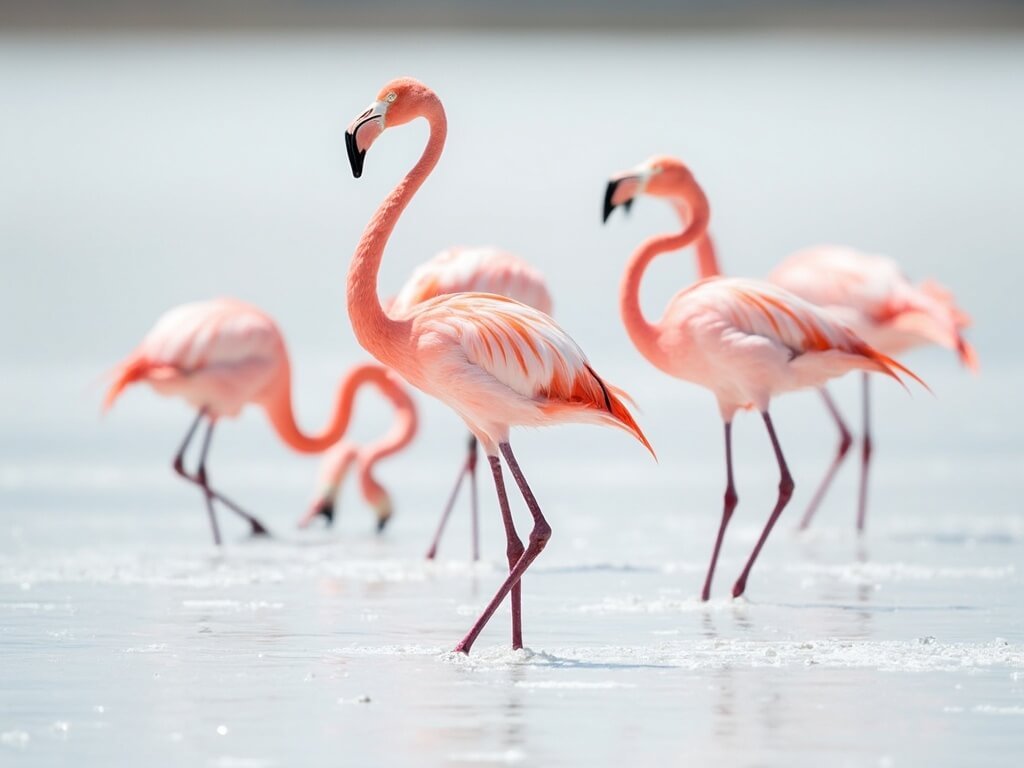
During one expedition, I watched a group of James’ flamingos gracefully navigating the salt-laden waters, their pink feathers a stark contrast against the blinding white landscape.
The Economic Lifeline: Beyond Tourism and Salt
While photographers and tourists see a natural wonder, local communities view Salar de Uyuni as an economic ecosystem.
The Lithium Economy: A Silent Revolution
Lithium extraction isn’t just an industry here – it’s a potential global game-changer.
With 38% of the world’s lithium reserves, this salt flat represents more than a geological curiosity. It’s a strategic resource powering the green energy revolution.
Electric vehicle manufacturers, smartphone producers, and renewable energy companies are watching this region closely. Each salt crystal potentially represents a piece of future technological infrastructure.
Cultural Significance: More Than a Landscape
For indigenous Aymara and Quechua communities, Salar de Uyuni isn’t just terrain – it’s sacred ground.
Traditional ceremonies still honor the salt flat as a living entity. Local guides speak of the landscape with a reverence that transcends typical tourism narratives.
Preservation Challenges
Climate change poses significant threats to this delicate ecosystem:
- Changing precipitation patterns
- Potential mineral composition alterations
- Increased extraction pressures
- Tourism environmental impact
Practical Traveler’s Advanced Guide
Photography Pro Tips
- Use neutral density filters
- Bring multiple camera batteries (cold drains them quickly)
- Pack altitude sickness medication
- Bring high-SPF sunscreen
- Carry extra water and electrolyte supplements
Best Photography Seasons
- Wet Season (November-April): Mirror reflections
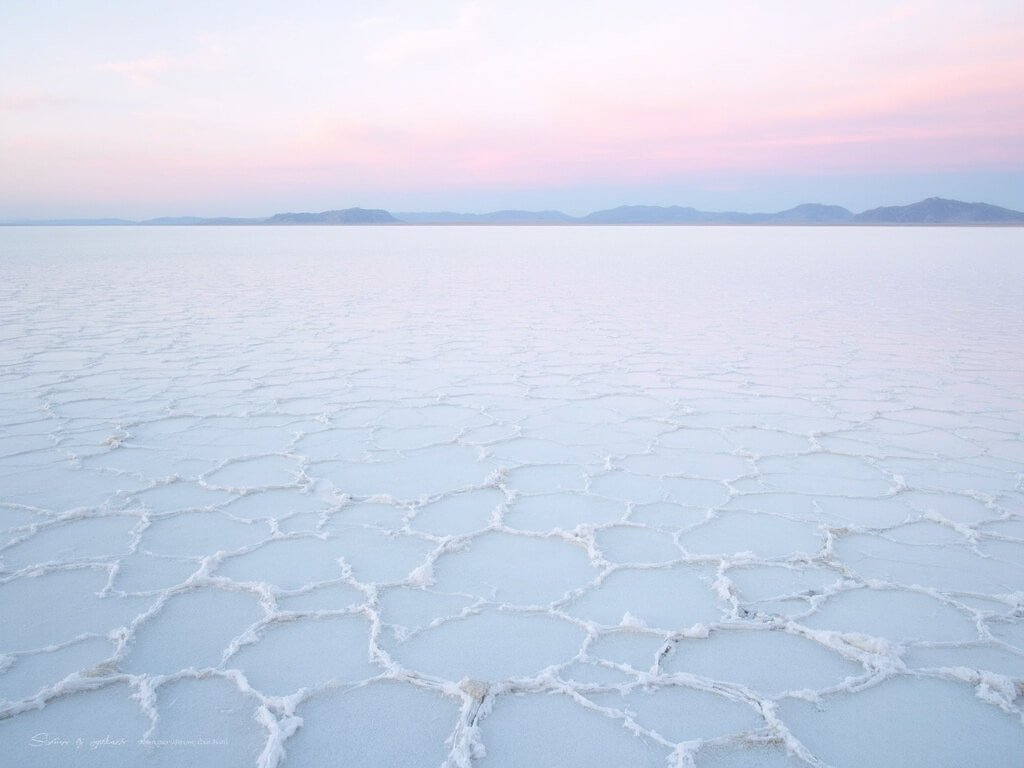
- Dry Season (May-October): Geometric salt patterns
- Peak Mirror Effect: January-February
The Future of Salar de Uyuni
This isn’t just a destination. It’s a living laboratory of geological processes, cultural preservation, and potential technological innovation.
As climate patterns shift and global energy needs evolve, Salar de Uyuni stands as a testament to nature’s complexity and human adaptability.
Every grain of salt holds a story – of prehistoric lakes, indigenous cultures, emerging technologies, and planetary transformation.
For those willing to venture beyond typical tourist experiences, Salar de Uyuni offers more than photographs. It provides a profound perspective on our planet’s intricate, interconnected systems.
The world’s largest salt flat isn’t just a place. It’s a journey through time, technology, and human potential.
Salar de Uyuni stays worth the trip for a salt flat that mirrors the sky after rain. Go for that reflection and the rest follows.