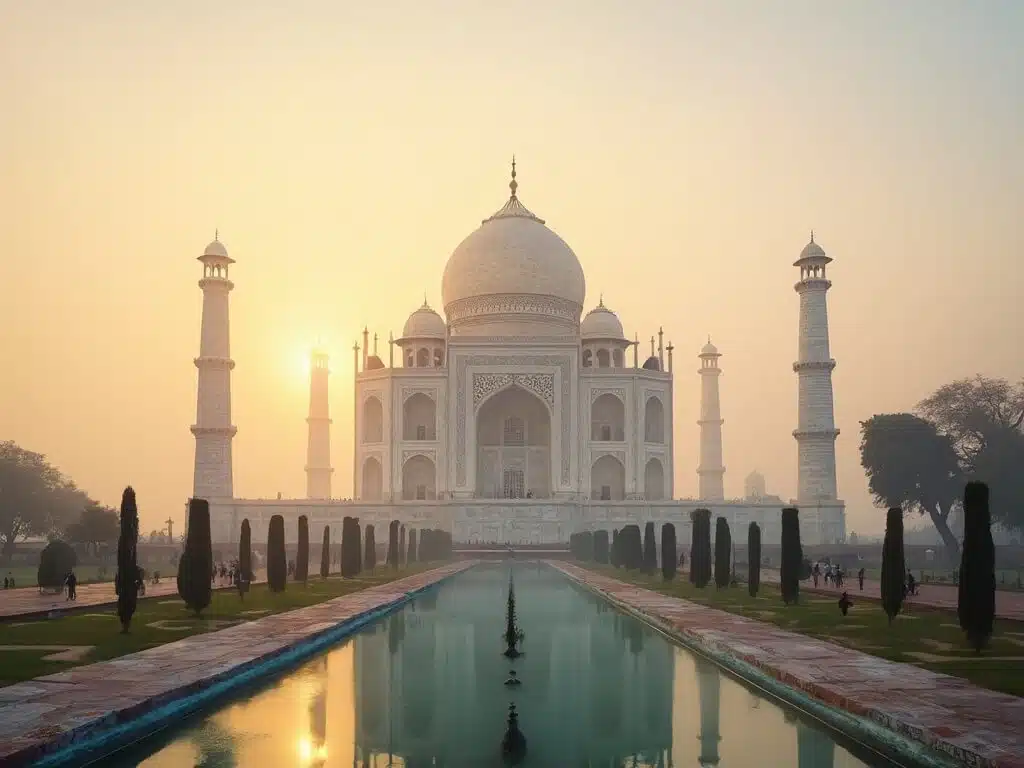
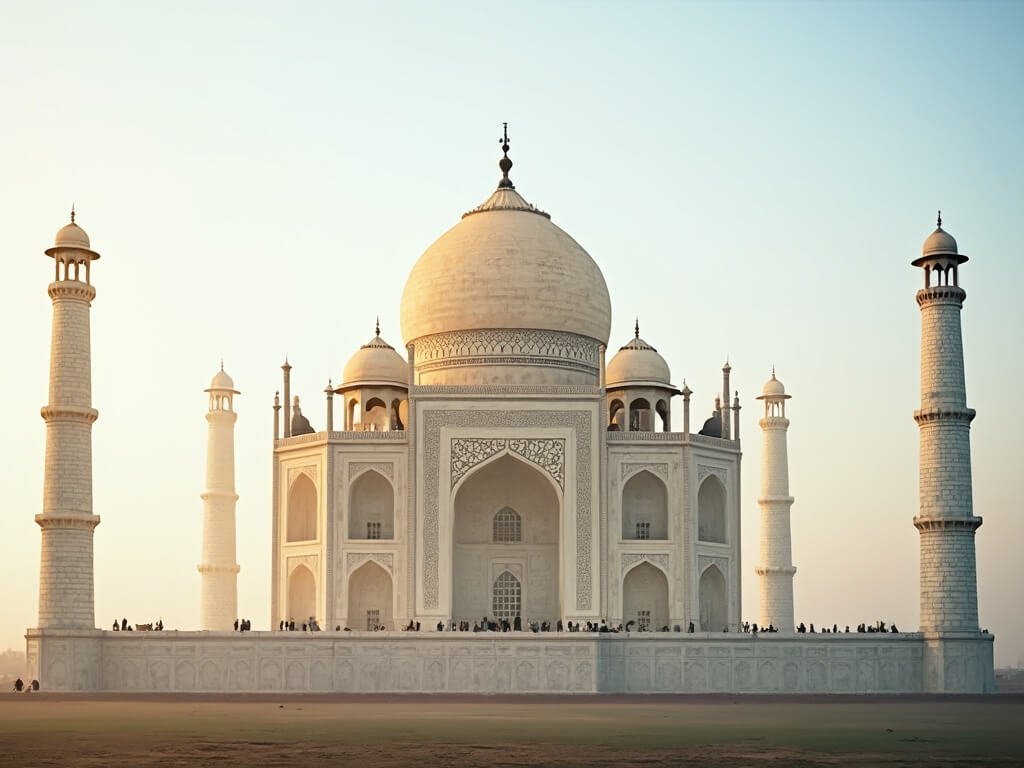
The white marble marvel of the Taj Mahal sits like a dream in Agra, India – a monument so breathtaking it stops even the most seasoned travelers in their tracks.
I remember my first encounter with this architectural wonder. Standing there, the early morning sunlight catching the translucent marble, I was struck by how a building could capture such raw emotion. This wasn’t just stone and mortar – this was a love story carved in marble.
Who Built This Marble Masterpiece?
Shah Jahan, the Mughal Emperor, constructed this magnificent mausoleum between 1631 and 1648 as a tribute to his beloved wife, Mumtaz Mahal. Imagine losing your soulmate and channeling your grief into creating the most stunning architectural tribute in human history.
A Global Icon Born from Heartbreak
Quick facts that’ll blow your mind:
- UNESCO World Heritage Site since 1983
- Named one of the New Seven Wonders of the World in 2007
- Attracts over 5 million visitors annually
- Considered the jewel of Muslim art in India
The Extraordinary Construction
This wasn’t some weekend project. The Taj Mahal’s construction was an epic undertaking:
- 22 years of meticulous work
- Over 20,000 skilled workers
- Artisans from India, Persia, Ottoman Empire, and Europe
- Led by master architect Ustad Ahmad Lahori
Architectural Brilliance Beyond Compare
The Taj Mahal represents the pinnacle of Mughal architecture – a stunning fusion of Indian, Persian, and Islamic design principles. Every single element was purposefully crafted.
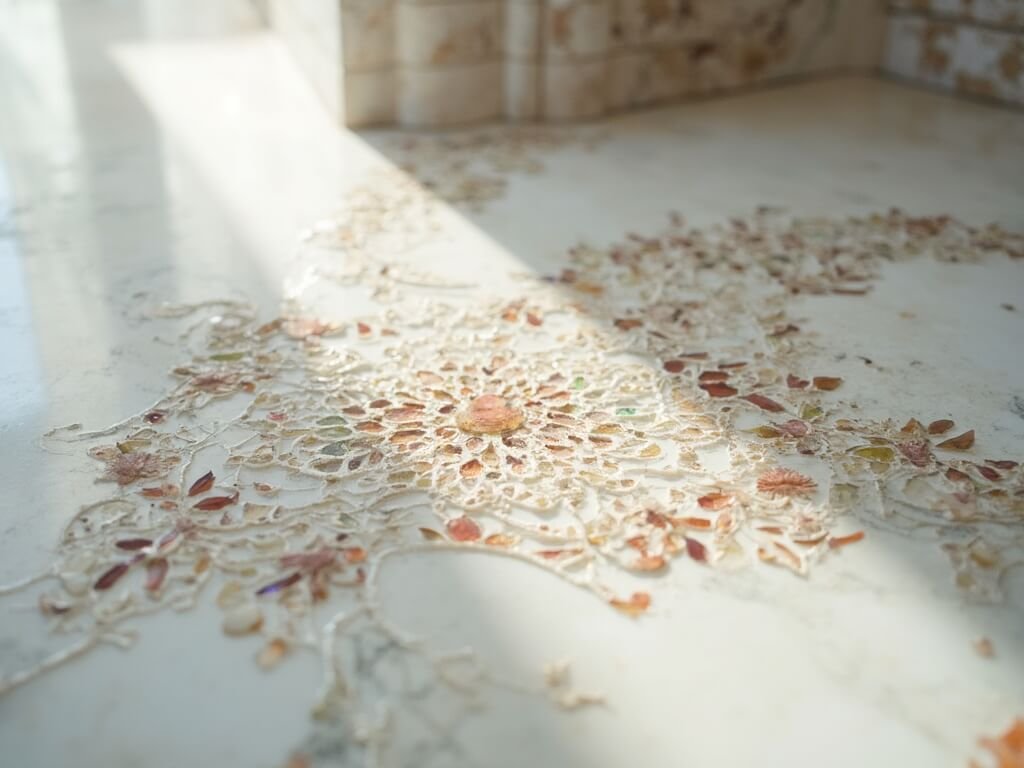
The marble? Transported 250 miles from Rajasthan’s Makrana quarries. The design? So symmetrical it seems mathematically impossible. The details? Intricate semi-precious stone inlays that make modern craftsmen weep.
A Design Loaded with Symbolism
Nothing was accidental. The white marble represents purity. The red sandstone symbolizes the warrior class. The entire complex was conceptualized as a earthly replica of Mumtaz Mahal’s paradise home.
Beyond Just a Tomb
This isn’t merely a burial site. It’s a testament to love so profound it transcends death. Sir Edwin Arnold, the renowned poet, described it perfectly: “Not a piece of architecture… but the proud passions of an emperor’s love wrought in living stones.”
The complex spans an incredible 42 acres, with a central dome reaching 35 meters high. Four perfectly symmetrical minarets stand guard, their ornamental design a masterclass in architectural balance.
The Human Touch
What makes the Taj Mahal truly extraordinary isn’t just its physical beauty. It’s the human story behind every carved marble surface. It’s a monument that proves love can indeed be immortal.
The workers who spent decades creating this marvel weren’t just constructing a building. They were helping an emperor transform his most intimate grief into global art.
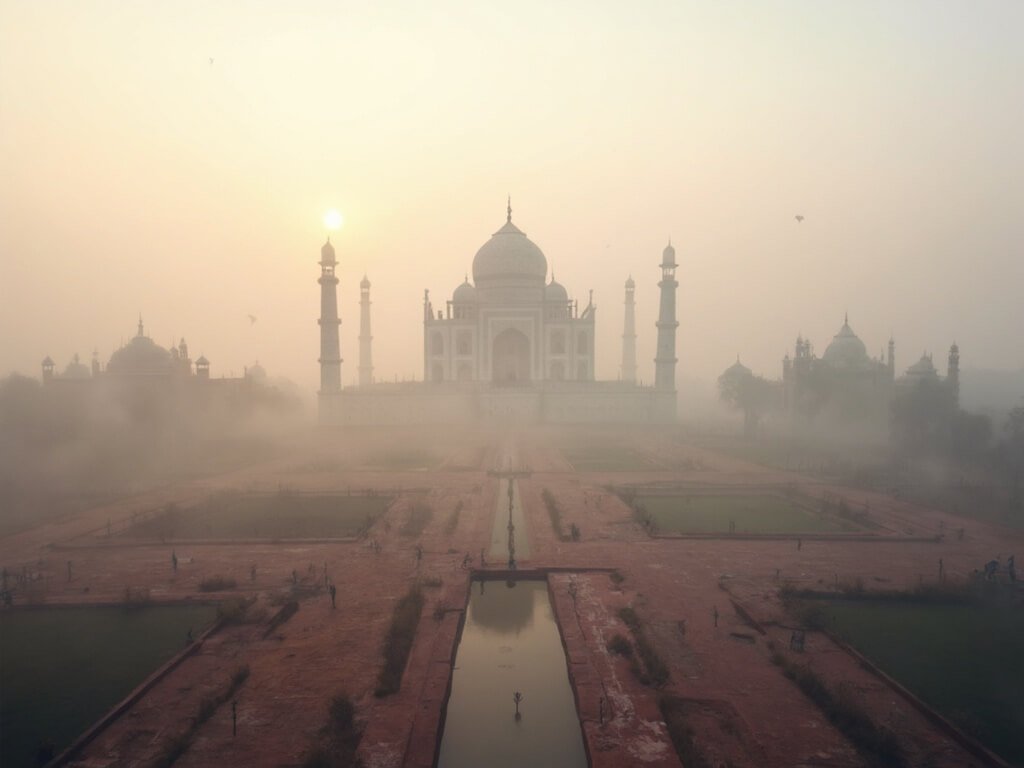
As the morning mist parts and sunlight begins dancing across those pristine marble surfaces, the Taj Mahal continues whispering its timeless story of love, loss, and extraordinary human potential.
And this is just the beginning of understanding this remarkable monument that has captivated the world for centuries.
Explore Related Inspiration:
Tourism: More Than Just Another Pretty Place
Have you ever wondered what makes a destination truly unforgettable?
The Taj Mahal isn’t just another tourist spot. It’s a living, breathing historical experience that transforms visitors.
Visitor statistics reveal something fascinating:
- Open every day except Fridays
- Attracts over 5 million annual visitors
- Draws global tourists from every continent
- Average visit time: 2-3 hours
- Peak season during winter months (October-March)
The Visitor Experience: What Nobody Tells You
Most tourists snap quick photos and move on. Big mistake.
The real magic lies in the subtle details:
- Marble that changes color throughout the day
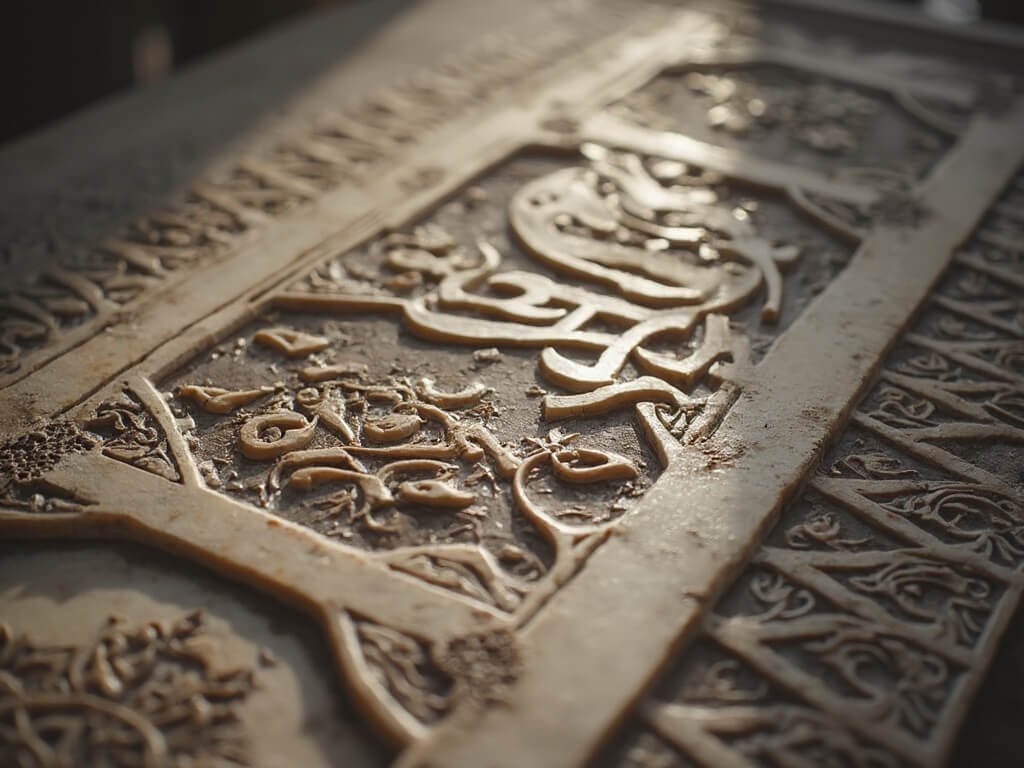
- Intricate calligraphy hidden in plain sight
- Geometric patterns that reveal mathematical precision
- Acoustic design allowing whispers to travel extraordinary distances
Conservation: Protecting a Global Treasure
Preserving the Taj Mahal isn’t just about maintaining stones. It’s about protecting human heritage.
The Archaeological Survey of India invests millions annually in:
- Pollution mitigation strategies
- Restoration techniques
- Environmental protection measures
- Crowd management protocols
Cultural Significance: Beyond Architectural Beauty
This monument represents more than marble and memories.
The Taj Mahal symbolizes:
- India’s complex historical narrative
- Mughal Empire’s artistic zenith
- Multicultural architectural collaboration
- Ultimate expression of imperial love
Practical Visitor Information
Pro traveler tips for experiencing the Taj Mahal:
- Buy tickets online in advance
- Arrive early morning for best lighting
- Hire a certified guide for deeper insights
- Dress respectfully – no revealing clothing
- Expect security checks similar to airport protocols
Global Recognition: A Universal Marvel
When UNESCO designates a site as a World Heritage Monument, it’s not random.
The Taj Mahal represents:
- Pinnacle of human artistic achievement
- Architectural innovation
- Cultural fusion
- Emotional storytelling through design
Personal Reflection: Why This Matters
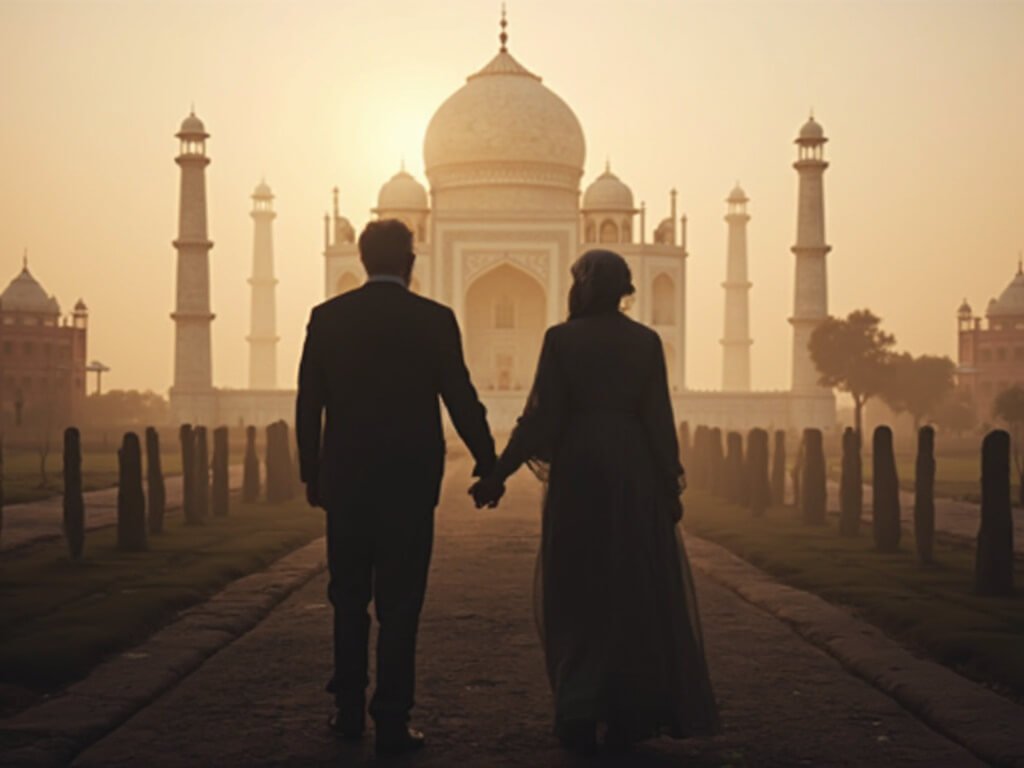
During my last visit, I watched an elderly couple holding hands, mirroring Shah Jahan and Mumtaz Mahal’s eternal love.
In that moment, the monument transcended architecture. It became a universal language of human connection.
Final Thoughts: A Living Legacy
The Taj Mahal isn’t just a monument. It’s humanity’s collective masterpiece.
It whispers stories of:
- Love’s transformative power
- Human creativity
- Cultural resilience
- Architectural genius
Every marble surface tells a story. Every carved detail represents centuries of human aspiration.
As you stand before this marvel, remember: you’re not just observing history. You’re experiencing humanity’s most profound emotional expression.
The Taj Mahal: Where architecture becomes poetry, and stone becomes soul.
Related Reads from The Trophy Wife Style:
- Modern Luxury Kitchen Ideas
- Luxury Marble Master Bath Spa
- Wedding Decor Inspiration
- Art Deco Luxury Bathroom in Black & Gold
- Mediterranean Style Homes