We drove the Atacama and the night sky was the clearest we had seen, which is the reason people go. The desert landscapes stay worth it by day and by night.
Why the Atacama Desert Defies Everything You Know About Deserts
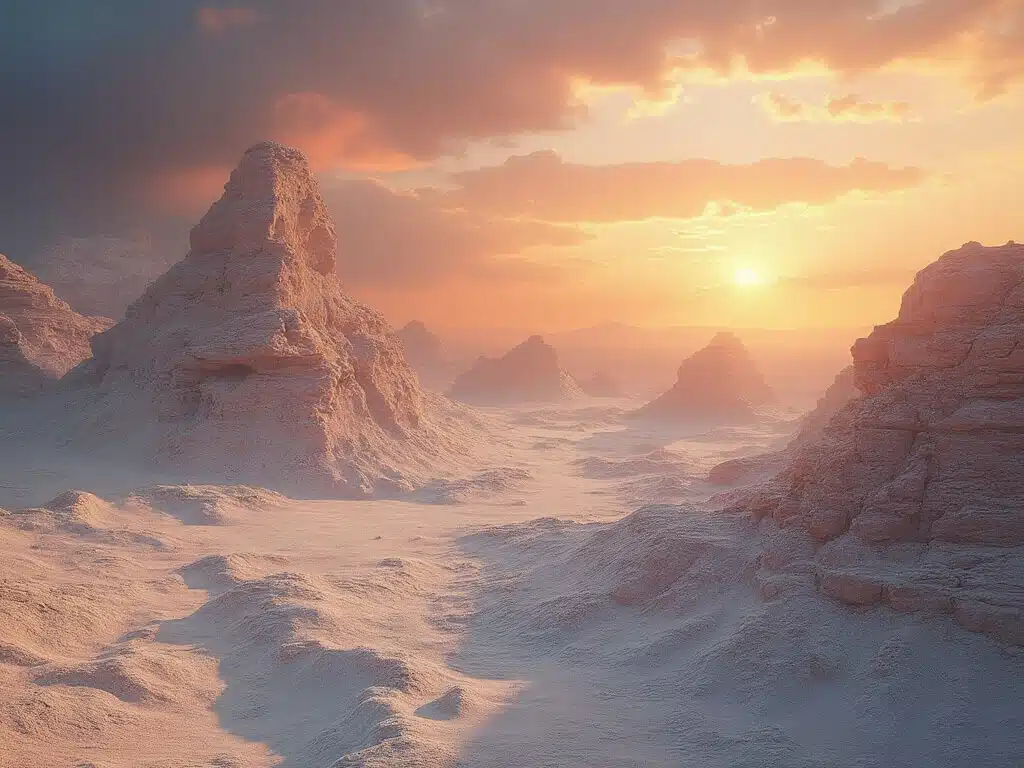
Let’s cut straight to the chase: this isn’t your typical sandy wasteland. The Atacama is a geological marvel stretching over 1,600 kilometers across northern Chile, covering approximately 105,000 square kilometers of pure, unadulterated otherworldliness.
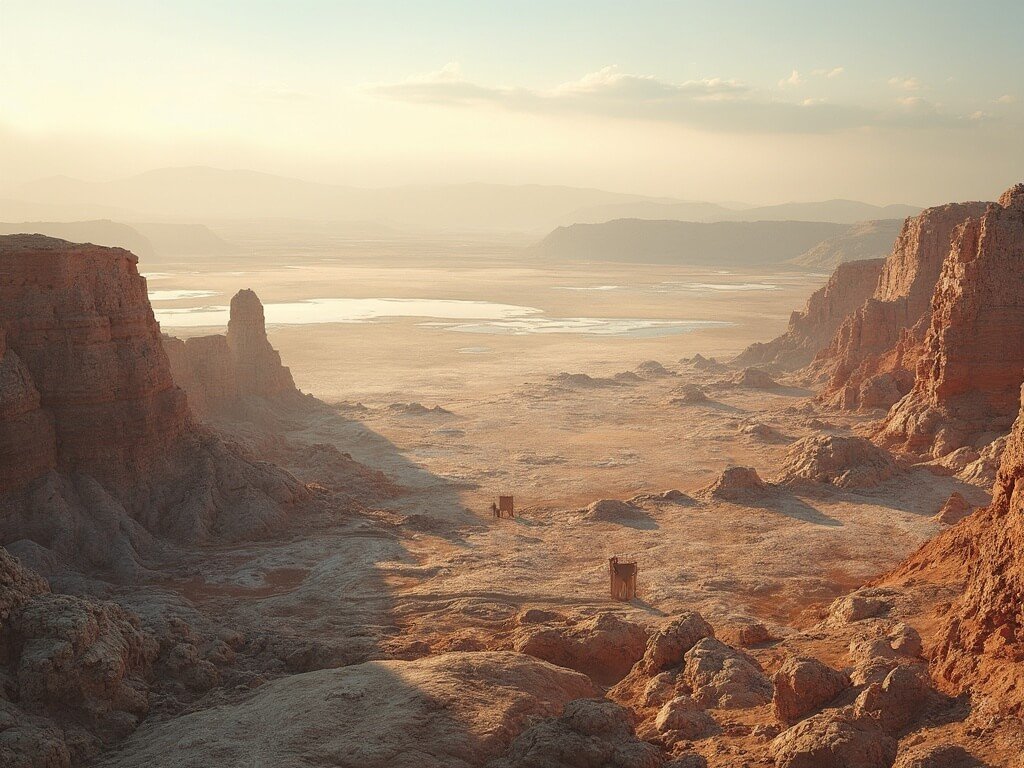
I discovered this place during a photography expedition, and nothing prepared me for its raw, unfiltered beauty. Standing in Valle de la Luna, surrounded by wind-sculpted salt deposits and rock formations that look like they belong on another planet, I realized why scientists and adventurers are obsessed with this place.
The Driest Place on Planet Earth
Here’s a mind-blowing fact: some regions of the Atacama haven’t seen rainfall for over 150 years. That’s not a typo. One hundred and fifty years without a single drop of rain.
This extreme hyperaridity creates something extraordinary:
- Perfectly preserved ancient landscapes
- Minimal geological erosion
- Terrain that looks identical to how it appeared thousands of years ago
Most attractions sit at mind-boggling altitudes between 2,400 and 4,300 meters, creating a surreal environment that challenges human perception.
Landscapes That Defy Imagination
The Atacama isn’t just a desert—it’s a living canvas of geological artwork:
Salt Flats That Shine Like Mirrors
- Atacama Salt Flat: Chile’s largest, creating stunning white horizons
- Salar de Tara: A cross-border ecological wonder
Valleys That Belong in Science Fiction
- Valle de la Luna (Moon Valley): Literally looks like a lunar landscape
- Mars Valley: Red rocks so vivid they seem extraterrestrial
- The Three Marias: Incredible salt rock sculptures shaped by millennia of wind
Volcanic Drama and Thermal Wonders
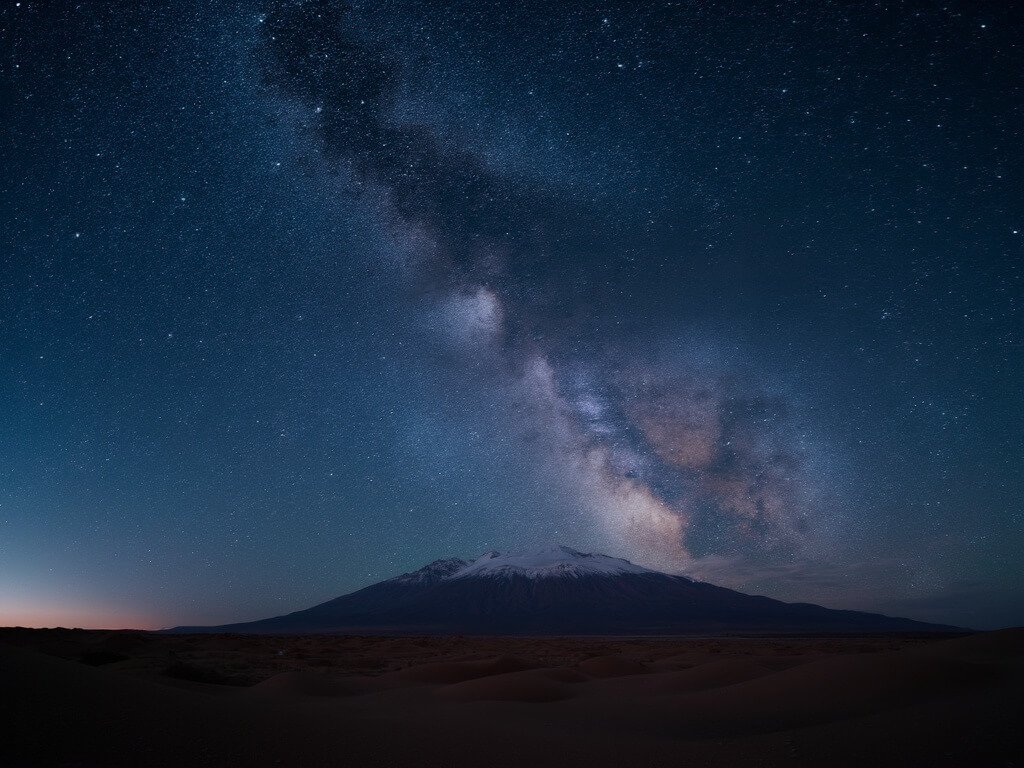
- Towering volcanoes: Licancabur and Lascar dominate the skyline
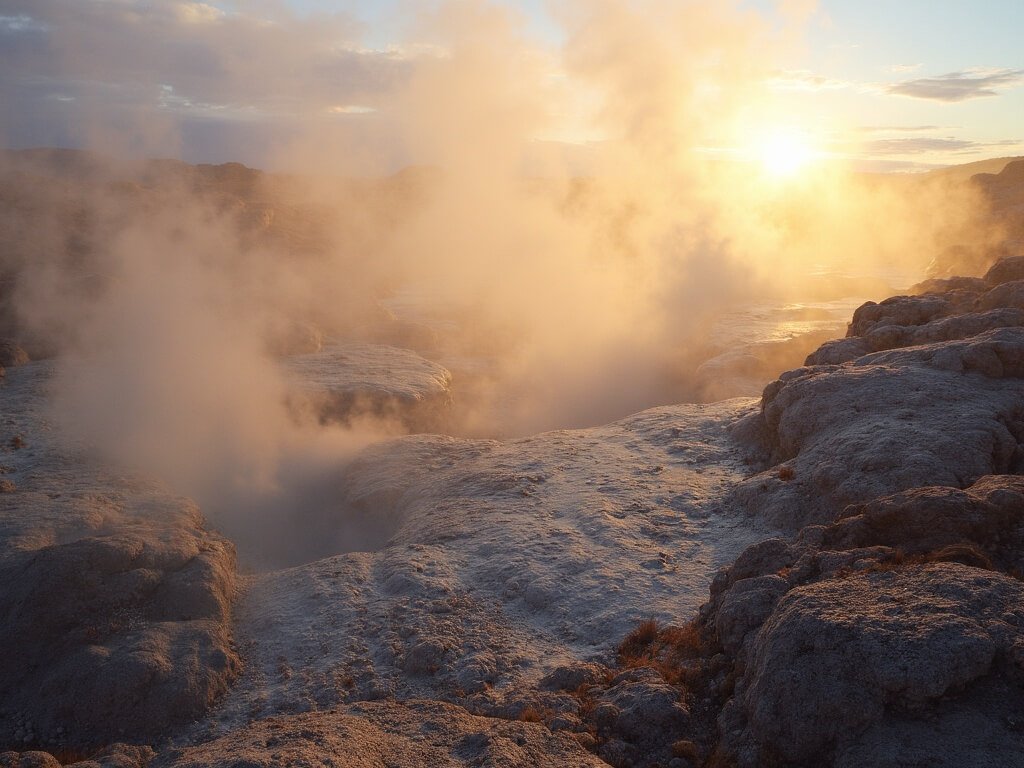
- El Tatio Geysers: The southern hemisphere’s largest geyser field
- Puritama Hot Springs: Deep canyon thermal pools offering surreal relaxation
A Surprising Ecosystem
Despite its extreme conditions, the Atacama hosts remarkable life:
- High-altitude wetlands supporting unique wildlife
- Flamingos dancing in mineral-rich lagoons
- Endemic lizards and rare shrubbery adapting to impossible conditions
Why Scientists Can’t Get Enough of This Place
Researchers view the Atacama as a living laboratory. Its minimal erosion and preservation of ancient surfaces provide unprecedented insights into paleoclimatic changes and geological evolution.
The desert serves as a critical Mars analog, helping scientists understand potential extraterrestrial environments and test equipment for future space missions.
My personal encounter with a research team testing prototype Mars rover equipment reinforced how this isn’t just a tourist destination—it’s a window into understanding our planet’s most extreme environments.
The Atacama Desert represents more than a geographical location. It’s a testament to life’s incredible adaptability, a canvas of geological artistry, and a portal to understanding our planet’s most mysterious landscapes.
As the afternoon light cast long shadows across the salt flats, creating an ethereal landscape that seemed to breathe with ancient secrets, I knew I was experiencing something truly extraordinary.
The first glimpse of this desert is just the beginning of an adventure that will challenge everything you thought you knew about landscapes, survival, and the raw beauty of our planet.
Looking for more inspiration on unique environments? Check out our guides on tropical landscape design and backyard layout ideas.
The Night Sky: A Window to the Universe
Ever wondered what the clearest night sky on Earth looks like?
The Atacama isn’t just a daytime marvel—it transforms into an astronomical playground when darkness falls. With over 300 cloudless nights per year, this desert becomes humanity’s ultimate observatory.
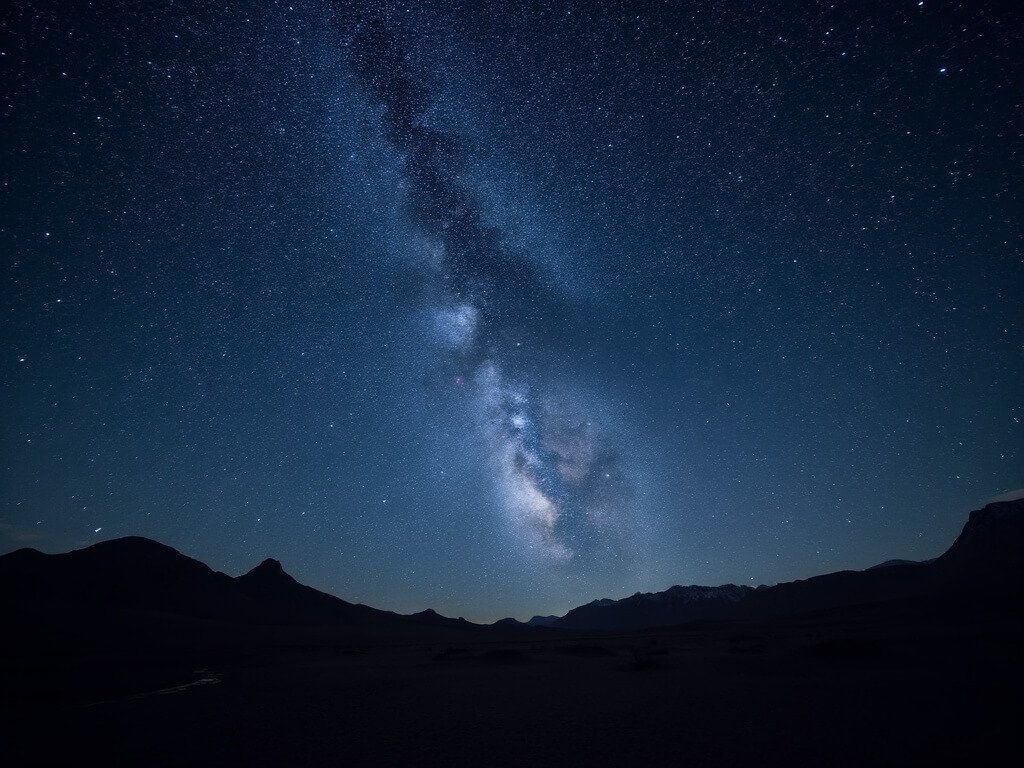
Imagine standing at 4,000 meters, surrounded by complete silence, watching the Milky Way unfold like a celestial highway. No light pollution. No atmospheric interference. Just pure, unadulterated cosmic brilliance.
Why Astronomers Call This Their Holy Grail
The numbers are staggering:
- 70% of the world’s most advanced astronomical observatories are located here
- Paranal Observatory hosts some of the most sophisticated telescopes on the planet
- ALMA (Atacama Large Millimeter Array) represents cutting-edge space exploration technology
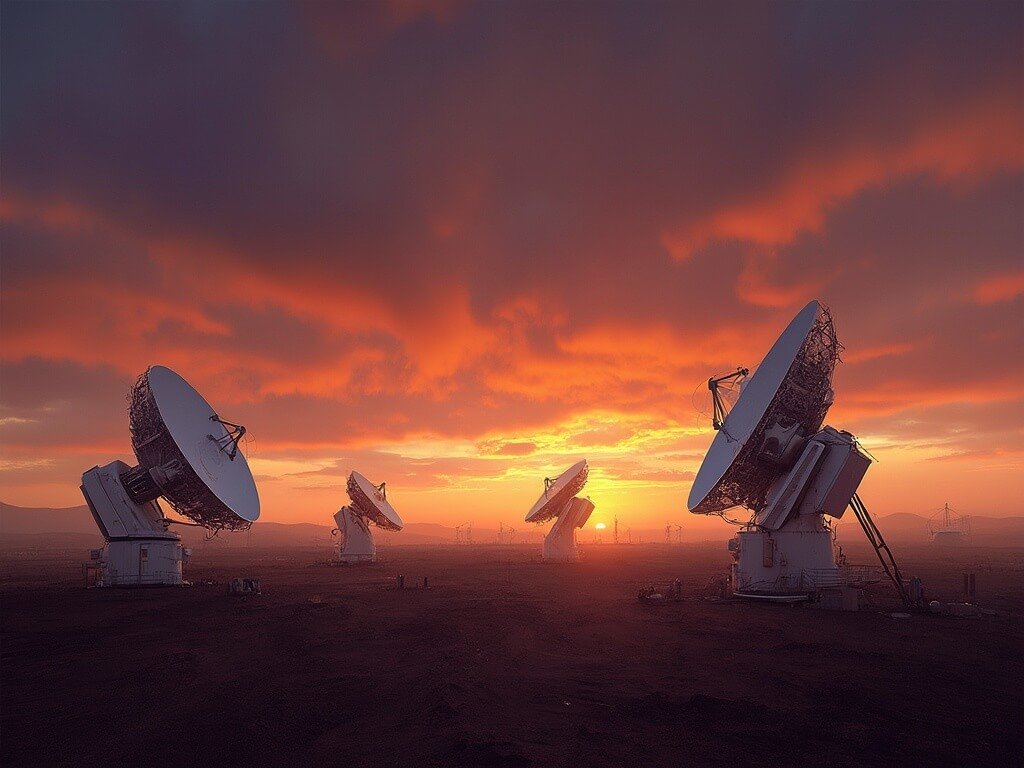
During my last expedition, I spoke with Dr. Elena Rodriguez, a lead astronomer at ALMA. “The Atacama isn’t just a location,” she explained. “It’s a scientific instrument. The atmospheric conditions here are so pristine that we can observe wavelengths impossible elsewhere on Earth.”
Cultural Connections Beyond the Stars
Indigenous Atacameño communities have long understood this landscape’s spiritual significance.
Their ancestors didn’t just see stars—they read complex narratives written across the night sky. Ancient astronomical knowledge intertwined with survival, agriculture, and spiritual practices.
Modern astrotourism has transformed these remote landscapes. Luxury lodges now offer experiences that blend scientific precision with cultural immersion.
Practical Travel Wisdom
Want to experience this celestial wonderland? Here’s the insider guide:
Best Times to Visit
- March-May: Moderate temperatures
- September-November: Peak astronomical viewing conditions
- Avoid December-February: Summer heat
Essential Preparation
- Bring high-altitude medication
- Pack layers (temperatures swing dramatically)
- Hydration is absolutely critical
- High-SPF sunscreen is non-negotiable
Health and Safety Pro Tips
Altitude isn’t a joke in the Atacama. Symptoms of altitude sickness can strike anyone, regardless of fitness.
Key prevention strategies:
- Acclimatize slowly
- Stay hydrated
- Avoid alcohol
- Listen to your body
Conservation: Protecting a Fragile Ecosystem
The Atacama’s beauty is matched only by its vulnerability.
Responsible tourism isn’t optional—it’s mandatory. Each visitor must minimize environmental impact. This means:
- Stick to designated trails
- Pack out all trash
- Respect wildlife habitats
- Support local conservation efforts
The Future of the Atacama
Climate change poses significant challenges to this delicate ecosystem.
Ongoing research explores how this extreme environment adapts to shifting global conditions. The Atacama isn’t just a destination—it’s a living laboratory revealing Earth’s complex environmental dynamics.
Your Atacama Bucket List
Must-do experiences:
- Stargazing at ALMA observatory
- Sunrise at El Tatio Geysers
- Photography expedition in Moon Valley
- Cultural tour of San Pedro de Atacama
- High-altitude lake exploration
Final Reflections: Why the Atacama Matters
This isn’t just a travel destination. It’s a profound reminder of our planet’s incredible diversity.
From Mars-like landscapes to the clearest night skies imaginable, the Atacama Desert represents something extraordinary: a place where science, culture, and natural beauty converge in breathtaking harmony.
The Atacama stays worth the drive for desert landscapes and the clearest night skies. Go by day and by night and the rest follows.
Helpful Links for Your Journey
- Guide to Visiting Chile’s Atacama Desert
- Stargazing in Chile’s Atacama Desert
- Backyard Guest House Ideas
- Small Cabin Exteriors Inspired by Desert Landscapes
- Creating the Ultimate Cabin Aesthetic
- Desert Oasis Patio for Stunning Sunsets
- Modern Mountain-Inspired Nursery With Sunset Tones