The Lofoten Islands aren’t just another destination. They’re a raw, breathtaking landscape that’ll make your jaw drop faster than a Viking longship cutting through icy waters.
Arctic Paradise: More Than Just a Dot on the Map
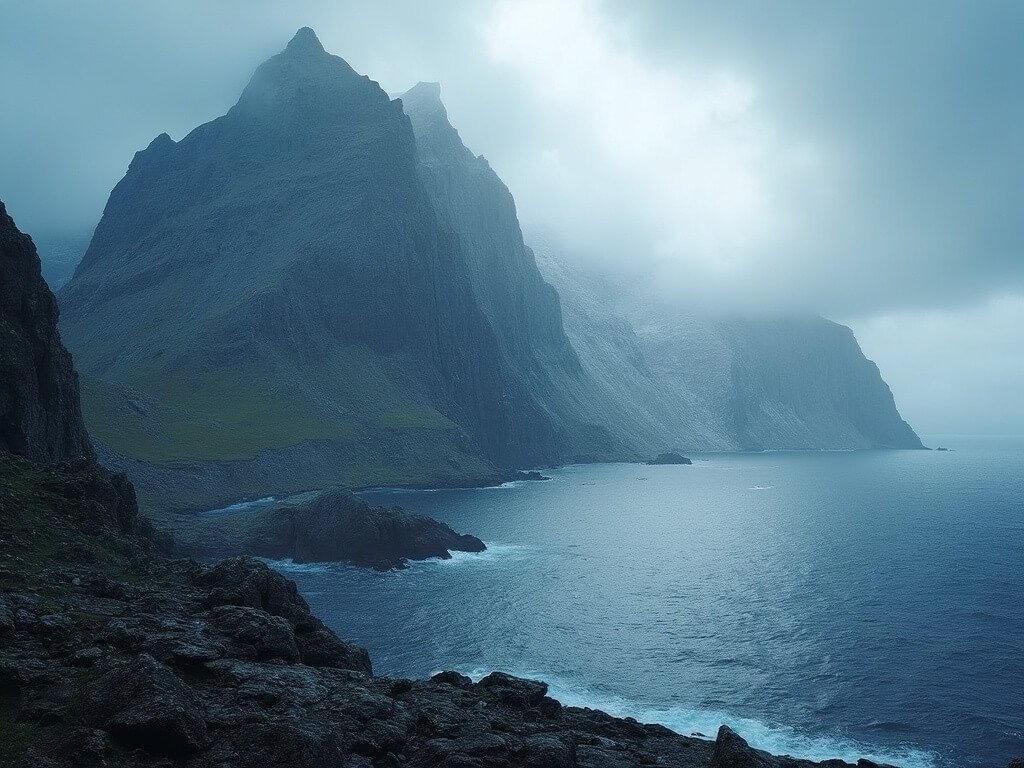
Picture this: Jagged peaks rising directly from the ocean, their razor-sharp edges piercing the sky above the Arctic Circle. I’m talking about the Lofoten archipelago – a string of islands stretching 250 kilometers across Northern Norway’s rugged coastline.
These aren’t your average islands. We’re talking about six main islands – Austvågøy, Vestvågøy, Flakstadøy, Moskenesøy, Værøy, and Røst – each with its own personality and wild beauty.
The Climate That Defies Logic
Most people hear “Arctic Circle” and imagine a frozen wasteland. But Lofoten? It’s the rebel of Arctic geography. Thanks to the Gulf Stream, these islands enjoy a surprisingly mild climate that’ll make you question everything you know about latitude.
During my first visit, I remember standing on a beach in February, wearing just a light jacket. The locals laughed at my surprise. “This is Lofoten,” they said. “We don’t play by normal rules.”
A Landscape Carved by Giants
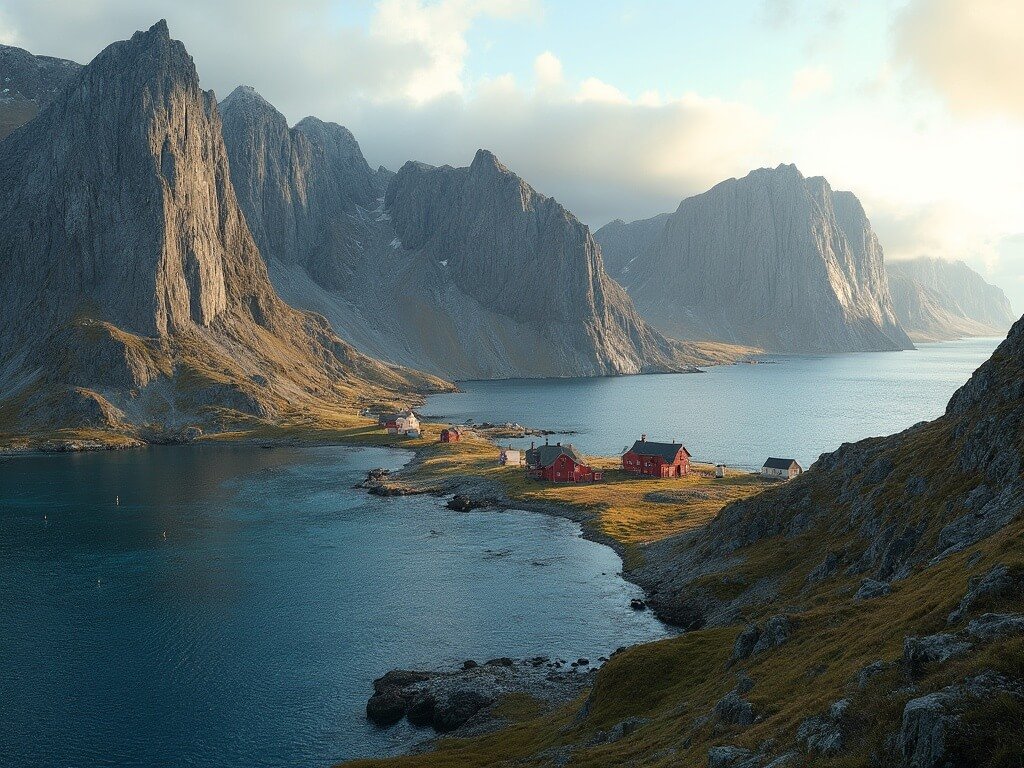
Over 80% of these islands are pure mountain. The “Lofoten Wall” – a continuous 100-kilometer mountain range – towers between 800 and 1,100 meters high. Imagine mountains so steep they seem to burst straight out of the ocean like nature’s own skyscrapers.
Key Geological Highlights:
- Rocks dating back 3 billion years
- Dramatic fjords shaped by ancient glaciers
- Unique coastal plains formed by marine erosion
- The legendary Moskstraumen tidal maelstrom
Fishing Villages: Where Tradition Meets Modern Life
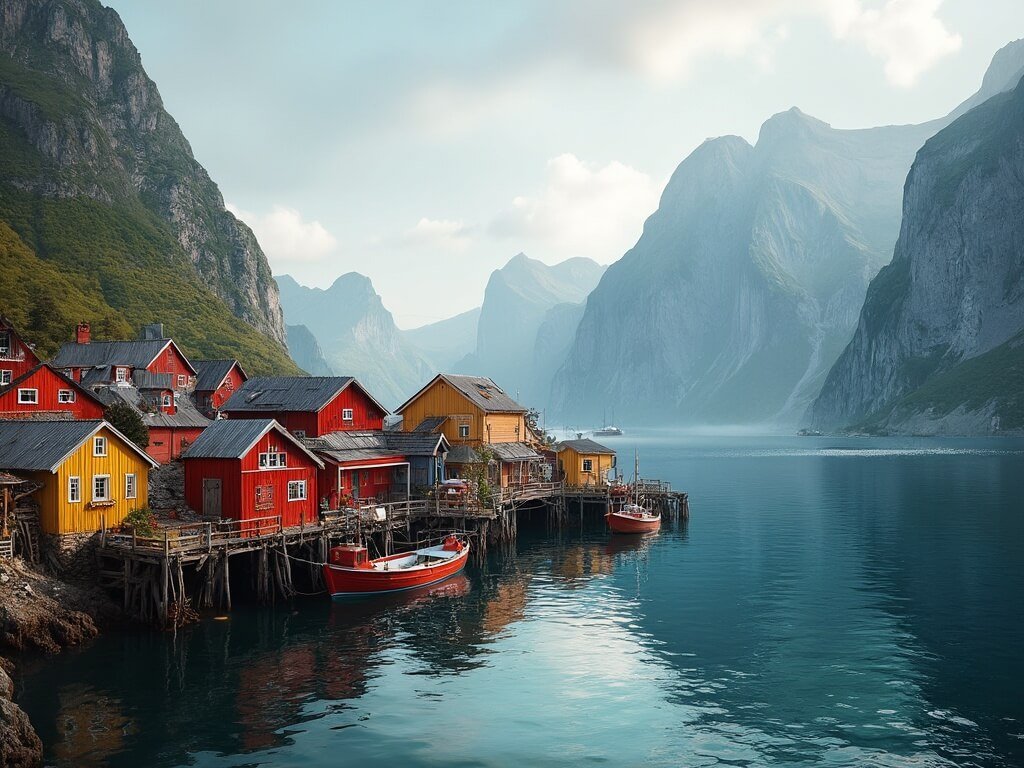
Lofoten’s settlements are like living museums. Colorful houses perched on stilts, fishing boats bobbing in crystal-clear waters, and a way of life that’s survived for centuries.
Two villages that’ll steal your heart:
- Reine: Voted one of the world’s most beautiful villages
- Henningsvær: A scenic marvel built across interconnected islets
These aren’t just pretty postcards. They’re living, breathing communities where cod fishing isn’t just a job – it’s a cultural heartbeat that’s survived since Viking times.
An Adventurer’s Playground
Want activities? Lofoten doesn’t just offer them; it serves them up with a side of mind-blowing scenery:
Outdoor Experiences:
- Hiking trails with views that’ll break your camera
- Arctic surfing at Unstad Beach
- Kayaking through pristine fjords
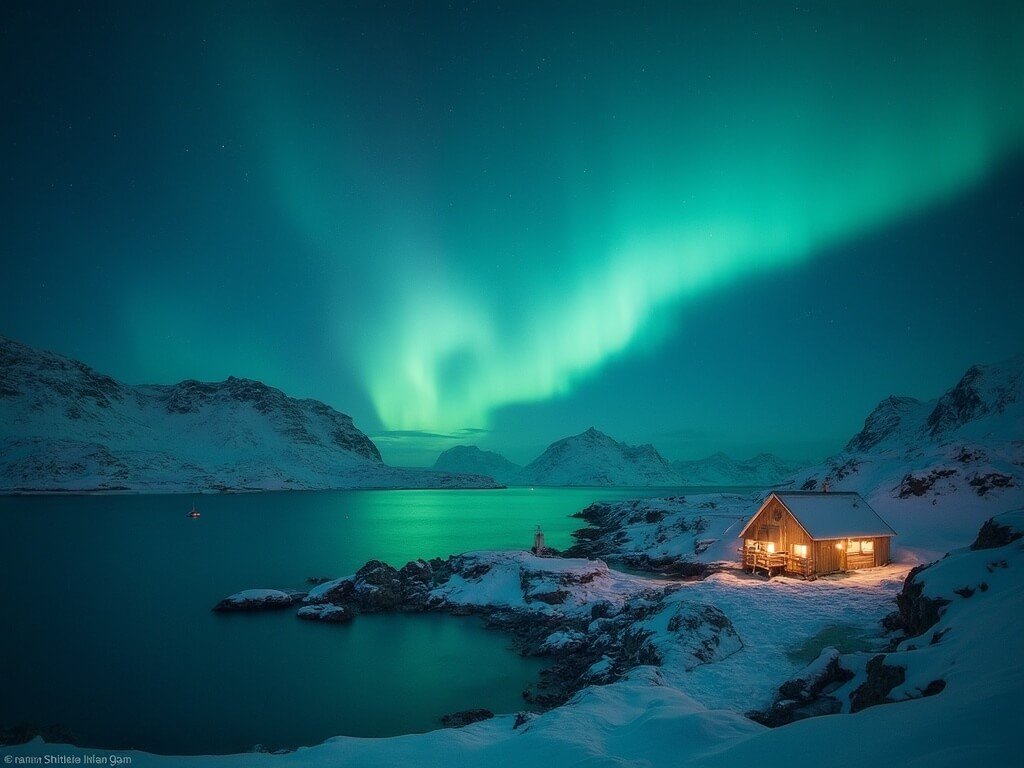
- Northern lights hunting
- Photography that’ll make National Geographic jealous
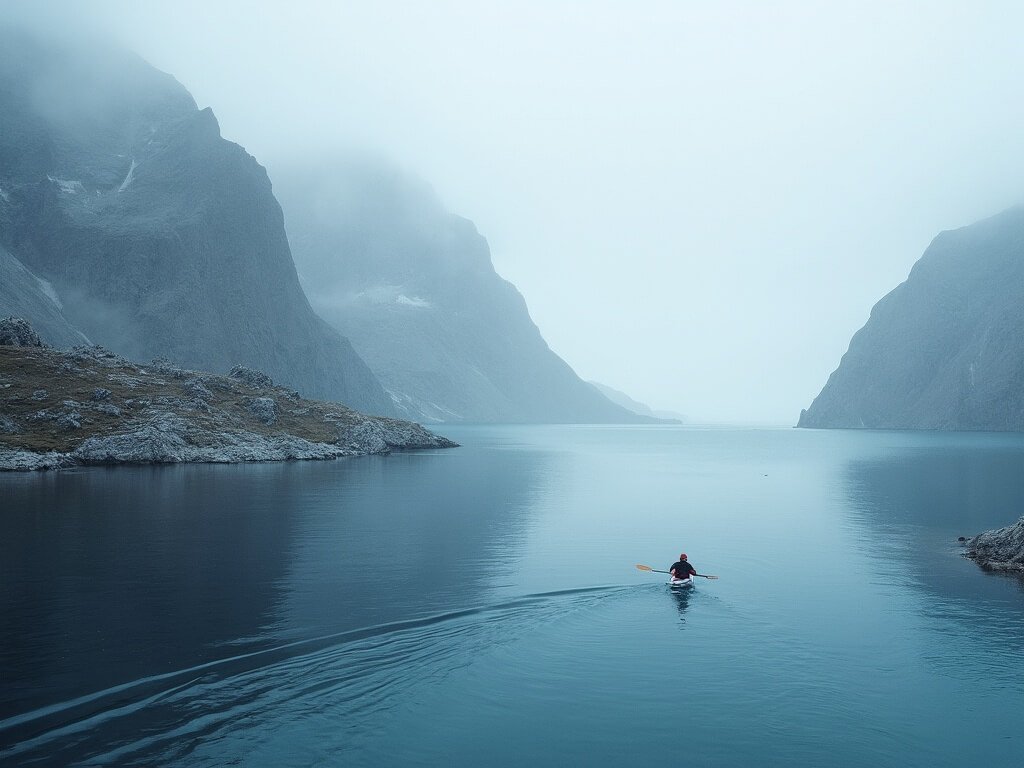
Conservation: Protecting a Precious Ecosystem
These islands aren’t just a tourist playground. They’re a delicate ecosystem that locals are fiercely protecting. Protected national parks, sustainable tourism initiatives, and strict environmental regulations ensure Lofoten remains as wild and beautiful as it’s always been.
The landscape feels like a living, breathing entity – one that demands respect and careful exploration.
The dramatic mountains continue to rise from the sea, holding centuries of stories, waiting for adventurers bold enough to discover their secrets. And trust me, this is just the beginning of what Lofoten has to offer.
The wind whispers tales of Vikings, fishermen, and untold adventures – beckoning travelers to unravel the mysteries of this extraordinary Arctic paradise.
Explore more inspiring Arctic and coastal destinations:
The Art of Arctic Survival: How Locals Thrive in Nature’s Most Challenging Playground
Every local I met in Lofoten has a story of resilience that’ll make your urban survival skills look like child’s play.
Take Kristian, a third-generation fisherman I met in Å village. “We don’t just live here,” he told me, pointing to the dramatic landscape, “we’re part of this ecosystem.”
This isn’t just survival. It’s a masterclass in human adaptation.
Sustainability: More Than Just a Buzzword
Lofoten isn’t playing tourism roulette. They’re writing the blueprint for responsible travel.
Key Sustainability Strategies:
- Strict limits on visitor numbers
- Mandatory environmental education for tourists
- Investment in eco-friendly infrastructure
- Preservation of traditional fishing practices
- Community-driven conservation initiatives
The result? A delicate balance between modern tourism and ancient ecological wisdom.
The Economic Tightrope: Fishing vs. Tourism
Here’s the million-dollar question: How do traditional fishing communities survive in a rapidly changing global economy?
Lofoten’s answer is brilliant. They’re not choosing between tradition and progress – they’re blending them.
Fishing cabins (“rorbuer”) now double as boutique accommodations. Local fishermen offer authentic marine experiences. Art galleries showcase contemporary interpretations of traditional life.
It’s economic judo – using tourism’s momentum to preserve cultural identity.
Climate Change: The Silent Challenge
The Arctic isn’t just a landscape. It’s a climate change canary in the coal mine.
Lofoten’s researchers are documenting shifts that most of the world hasn’t even noticed:
- Changing fish migration patterns
- Subtle temperature increases
- Transforming marine ecosystems
- Potential threats to traditional livelihoods
This isn’t apocalyptic doom-saying. It’s scientific observation from the frontlines of global environmental change.
Getting There: A Traveler’s Tactical Guide
Pro Tips for Conquering Lofoten:
Best Times to Visit:
- Summer (June-August): Midnight sun, endless hiking
- Winter (November-March): Northern lights, arctic photography
- Shoulder seasons: Fewer tourists, magical transitional landscapes
Transportation Hacks:
- Fly into Svolvær or Leknes airports
- Rent a car for maximum exploration flexibility
- Consider the Norway in a Nutshell travel package
- Book accommodations early – these spots fill up faster than a Viking longship
The Human Element: Stories Beyond the Scenery
Lofoten isn’t just about mountains and fish. It’s about human stories etched into every rocky coastline.
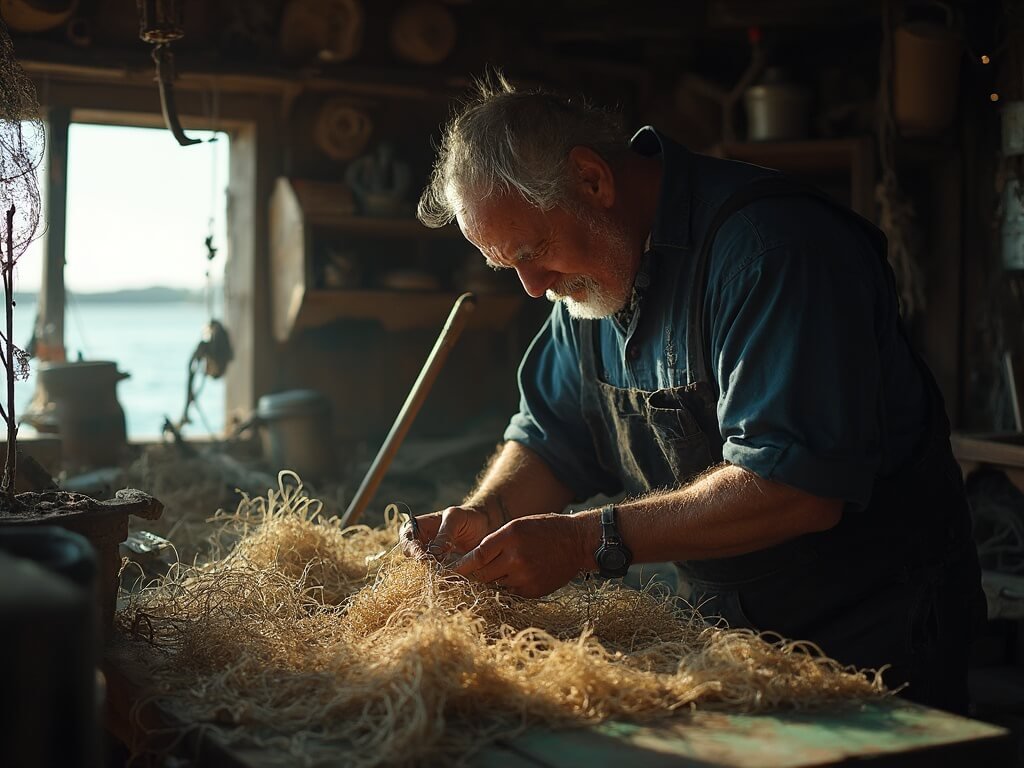
In Henningsvær, I watched generations of fishermen repair nets – a ritual unchanged for centuries. In Reine, local artists transform maritime traditions into breathtaking contemporary art.
These aren’t museum pieces. They’re living, breathing cultural ecosystems.
Your Arctic Invitation
Lofoten isn’t a destination. It’s an experience that rewrites your understanding of nature, human resilience, and cultural preservation.
You don’t visit these islands. You become part of their ongoing story.
Are you ready to write your chapter in the Lofoten narrative?
The mountains are waiting. The sea is calling. Your Arctic adventure begins now.
Welcome to Lofoten – where every landscape tells a story, and every story is an invitation to something extraordinary.
Related Inspirations:
- Small Cabin Exteriors Inspired by Nordic Aesthetics
- Cozy Nordic Cabin Interiors
- Scandinavian Living Room Designs
- Modern Scandinavian Interior Inspiration
- Rustic Log Home Interiors that Echo Arctic Charm
Learn more by visiting Explore the Lofoten Islands in Northern Norway or dive deeper into the geography and culture with Lofoten: Arctic Archipelago Where Mountains Meet the Sea.