Picture this: A landscape so surreal it looks like someone draped a giant white cotton sheet over a mountainside. Welcome to Pamukkale, Turkey’s most mesmerising geological wonder that’ll make your Instagram followers seriously jealous.
Nestled in southwestern Turkey’s Denizli province, Pamukkale isn’t just another tourist spot. This UNESCO World Heritage Site is a geological masterpiece that’ll make you question whether you’re on planet Earth or some alien landscape.

The Geological Marvel That Defies Imagination
I’ll never forget my first glimpse of Pamukkale. Standing 20 miles away, these white mineral terraces look like a massive, shimmering snowfield dropped into a sun-baked Anatolian valley. But here’s the kicker – this isn’t snow. It’s travertine.
Travertine: Nature’s Architectural Genius
- A sedimentary rock made primarily of calcium carbonate
- Formed by mineral-rich thermal waters cascading down slopes
- Creates scalloped terraces through thousands of years of mineral deposition
- Accumulated white limestone crust that looks absolutely unreal

The Thermal Springs: Earth’s Natural Hot Tub System
Seventeen hot water springs feed this extraordinary landscape, with temperatures ranging from a mild 35°C to a scorching 100°C. These aren’t just any springs – they’re mineral-rich geological architects constantly rebuilding and refreshing Pamukkale’s stunning landscape.
Water Temperature Breakdown:
- Lowest: 35°C (comfortable bath temperature)
- Highest: 100°C (practically boiling)
- Constant mineral deposition maintains the iconic white appearance
A Journey Through Time: Historical Significance
This isn’t just a pretty landscape. Pamukkale has been a healing destination since classical antiquity. Romans established Hierapolis around the 2nd century B.C., transforming these terraces into a wellness retreat that would make modern spa resorts look amateur.
Archaeological Treasures Hidden in Plain Sight:
- Ancient Greek temple dedicated to Apollo
- Early Christian Martyrium of St. Philip
- Largest ancient necropolis in Turkey
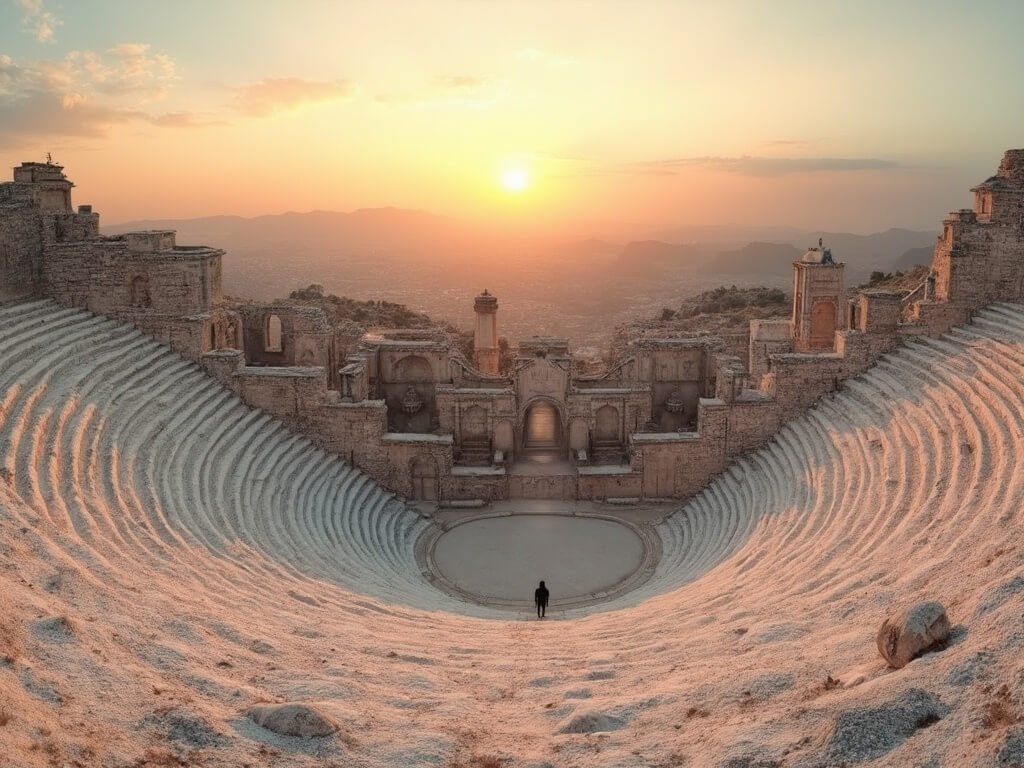
- Impressive Roman amphitheater
Personal Experience: Walking on Water(ish)
During my visit, walking barefoot on these mineral terraces felt like traversing an alien planet. Each step revealed intricate calcite patterns, crystal-clear pools reflecting the sky, and an ethereal landscape that seemed to breathe with geological energy.
The Visual Symphony: White Meets Turquoise
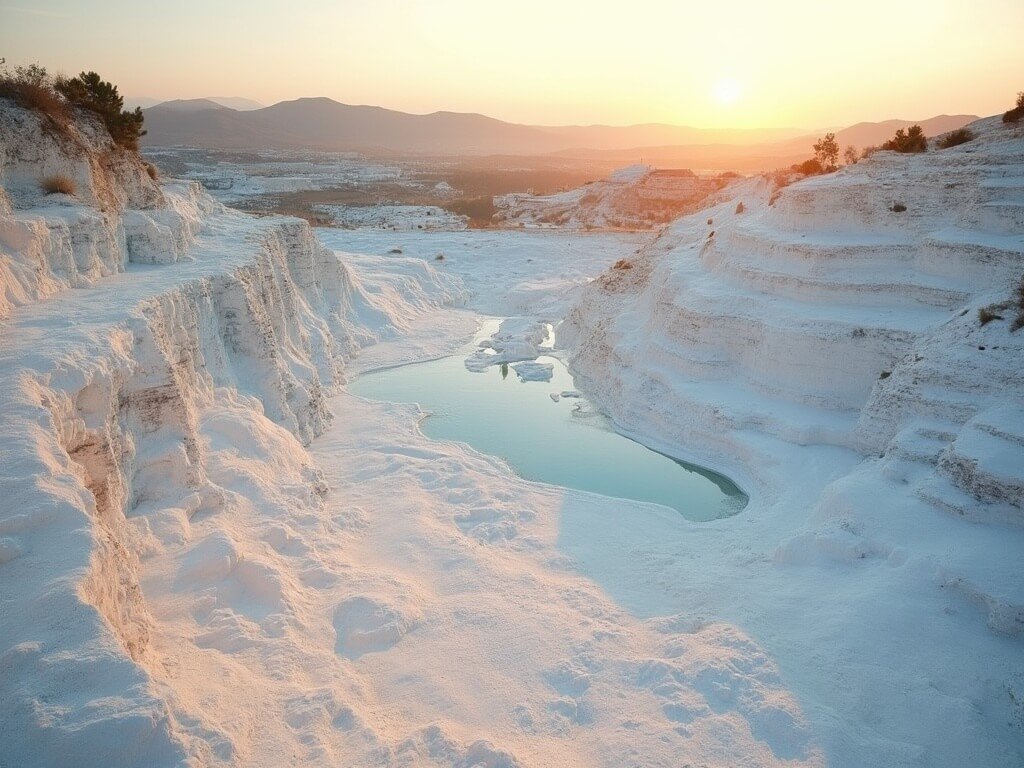
Imagine brilliant white terraces contrasting against sparkling azure pools. It’s not a painting – it’s Pamukkale’s natural palette. The landscape appears frozen in motion, with multiple pools and basins creating a mesmerising visual dance.
Sensory Overload: What Makes Pamukkale Unique
- Otherworldly landscape unlike anywhere on Earth
- Ever-changing light reflecting off mineral surfaces
- Panoramic views of surrounding valleys
- An alien beauty that challenges perception
As the thermal waters continue their millennia-old dance of mineral deposition, Pamukkale remains a testament to Earth’s incredible capacity for creating beauty beyond human imagination.
The geological story continues to unfold, inviting curious travelers to witness a landscape that exists somewhere between reality and dream.
Looking for more dreamlike experiences? Check out our white fantasy bedroom ideas or explore tropical landscape design inspiration for your next outdoor paradise.
Conservation Challenges: Saving a Natural Wonder from Ourselves
Tourism is a double-edged sword, and Pamukkale knows this all too well.
Before UNESCO intervention, these pristine terraces were on the brink of destruction. Uncontrolled tourism threatened to transform this geological masterpiece into a trampled, commercialized wasteland.
The Preservation Playbook: How We Saved Pamukkale
Key Conservation Strategies:
- Strict visitor access restrictions
- Designated walking pathways
- Mandatory barefoot exploration
- Continuous monitoring of mineral formations
- International protection agreements
Pro Tip: When visiting, think of yourself as a guest in nature’s most delicate museum. Every step matters.
Local Economy: More Than Just Pretty Pools
Beyond tourism, Pamukkale’s surrounding region pulses with traditional Anatolian life.
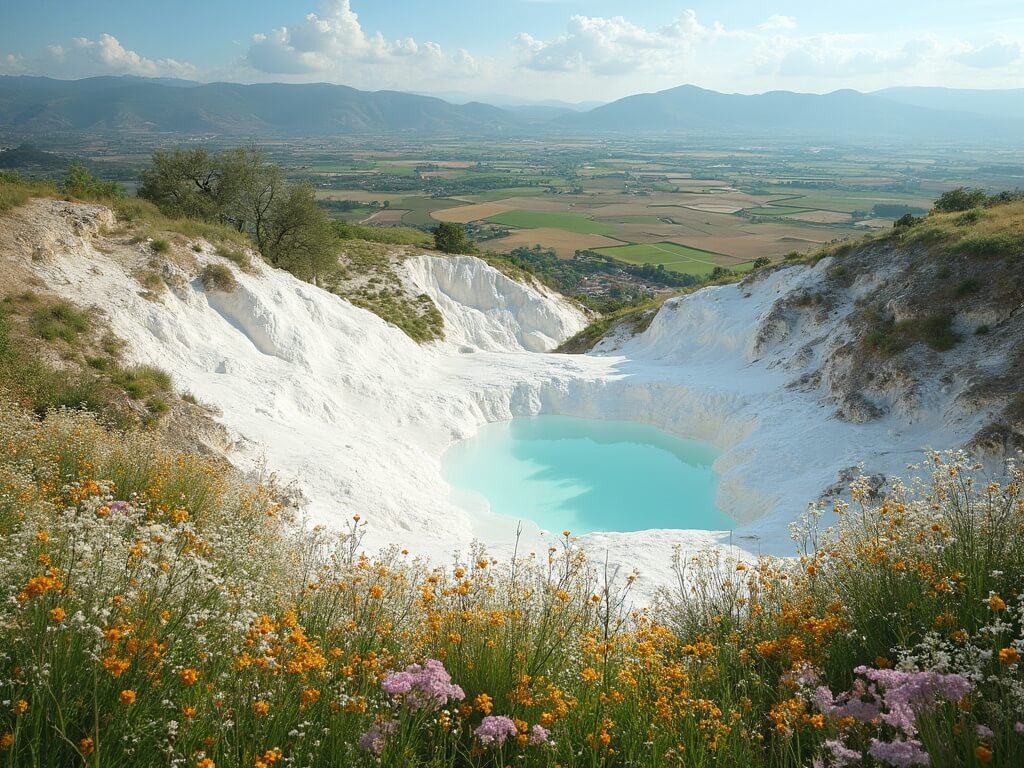
Agriculture remains the backbone of local livelihoods. Cotton fields stretch across fertile valleys, while fig and tobacco farmers continue generations-old traditions. Tourism provides a critical economic supplement, transforming what was once a tiny village into a thriving destination.
Economic Snapshot:
- Primary income: Tourism services
- Secondary income: Agricultural production
- Employment sectors: Hospitality, guiding, farming
- Infrastructure development: Accelerating yearly
Visitor’s Ultimate Survival Guide
Planning your Pamukkale adventure? Here’s the insider’s playbook.
What to Bring:
- Lightweight, quick-dry clothing
- Waterproof bag for electronics
- Sunscreen (the reflection is intense)
- Water bottle
- Respect for natural environment
Pro Travel Hack: Visit during shoulder seasons (April-May or September-October) for fewer crowds and perfect temperatures.
The Scientific Marvel: Earth’s Living Canvas
Pamukkale isn’t just beautiful – it’s a living, breathing geological experiment.

Geological Genius Highlights:
- Continuous calcium carbonate deposition
- Dynamic thermal spring chemistry
- Landscape evolving in real-time
- Natural demonstration of Earth’s transformative processes
Learn more about Pamukkale’s Cotton Castle of White Limestone and how it became a symbol of natural wonder and healing.
Seasonal Perspectives: A Landscape That Shapeshifts
- Summer: Blazes with intense sunlight, making the white terraces almost blinding.
- Winter: Offers softer, more subdued mineral landscapes.
- Spring: Brings wildflowers dancing around mineral pools.
- Autumn: Creates dramatic lighting conditions perfect for photography.
Photography Pro Tip: The golden hour just before sunset transforms Pamukkale into a luminescent wonderland.
Explore more stunning visuals and history at Pamukkale’s Stunning White Water Terraces.
The Healing Power of Nature: More Than Just Pretty Pools
Those thermal waters? They’re not just gorgeous – they’re potentially therapeutic.
Wellness Benefits:
- Mineral-rich water composition
- Natural skin rejuvenation properties
- Stress reduction through immersive natural experiences
- Connection to ancient healing traditions
Personal Experience: During my soak, I felt generations of wellness traditions washing over me. These aren’t just pools – they’re liquid history.
Final Thoughts: A Geological Symphony
Pamukkale represents more than a destination. It’s a testament to Earth’s incredible capacity for creating beauty, resilience, and wonder.
As thermal waters continue their millennia-old dance of mineral deposition, this landscape remains an open invitation: Come. Witness. Respect.
Your journey through Pamukkale’s white mineral terraces isn’t just a trip – it’s a conversation with our planet’s most magnificent storyteller.
Remember: In traveling, we are not conquering nature, but becoming part of its ongoing narrative.