Stained Kitchen Cabinets: The Ultimate Transformation Guide for Stunning Interiors
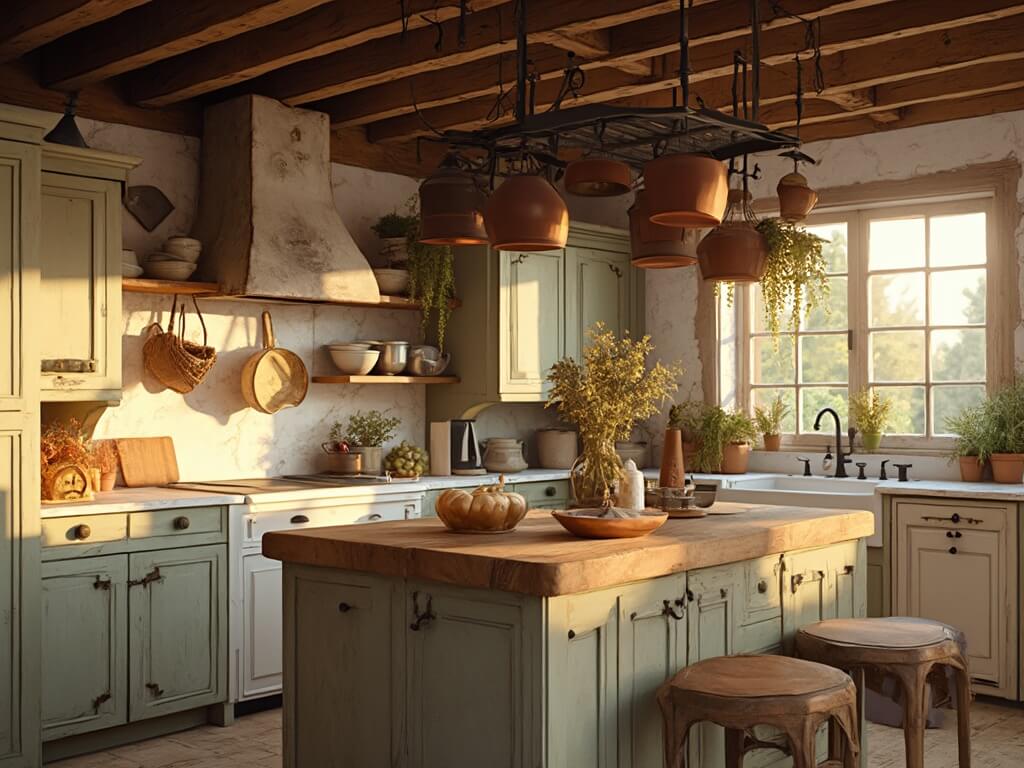
We restained the kitchen cabinets a warm walnut and kept the old hinges, and the room felt settled. Stained kitchen cabinets work when the grain shows and the finish is cared for.

💡 Steal This Look
- Paint Color: Sherwin-Williams Pure White SW 7005
- Furniture: Shaker-style stained oak or walnut base cabinets with matching wood range hood, open floating wood shelves in complementary stain tone, butcher block or quartz waterfall island with natural wood base
- Lighting: Brass or oil-rubbed bronze pendant lights with warm amber glass shades over island, under-cabinet LED strip lighting to highlight wood grain
- Materials: Rich wood stains in espresso, honey oak, or gray-washed finishes; natural stone or subway tile backsplash; leathered granite or quartz countertops; brushed brass or matte black cabinet hardware
There’s something deeply satisfying about running your hand across a freshly stained cabinet door and feeling that satin-smooth finish where the wood grain still tells its story—it’s the difference between a kitchen that looks decorated and one that feels crafted.
Why Stained Cabinets Are a Game-Changer
Wood stains aren’t just a color choice—they’re a statement. Here’s why homeowners are falling in love with stained kitchen cabinets:
- Showcase Natural Beauty: Every wood grain tells a unique story
- Incredible Versatility: Works with multiple design styles
- Personalization Potential: Endless color and tone options
- Adds Warmth and Depth: Creates visual richness impossible with paint

🖼 Steal This Look
- Paint Color: Benjamin Moore White Dove OC-17
- Furniture: Walnut-stained shaker cabinets with natural brass pulls, open shelving in matching wood tone, butcher block island countertop
- Lighting: Warm brass pendant lights with exposed bulbs over the island, under-cabinet LED strips to highlight grain texture
- Materials: Quarter-sawn white oak or walnut with clear or amber stain, honed marble or soapstone countertops, hand-forged brass hardware, natural fiber rugs
There’s something deeply satisfying about running your hand across a stained cabinet door and feeling the grain rise beneath your fingertips—it’s a daily reminder that you chose authenticity over the flat sameness of painted boxes.
Understanding Wood Stain Styles: From Rustic to Modern
Rustic Charm
- Darker, rich brown tones
- Emphasizes wood’s natural imperfections
- Perfect for farmhouse and traditional kitchens

Modern Elegance
- Light, neutral stains
- Smooth, even application
- Ideal for contemporary and minimalist spaces

🖼 Steal This Look
- Paint Color: Farrow & Ball Hague Blue No.30
- Furniture: Shaker-style base cabinets with visible wood grain in walnut or espresso stain paired with floating open shelving in matching tones
- Lighting: Matte black pendant lights with exposed Edison bulbs over the kitchen island
- Materials: Quartered oak or alder cabinet fronts, honed Carrara marble countertops, unlacquered brass hardware, reclaimed wood ceiling beams
There’s something deeply satisfying about watching a rich espresso stain sink into quarter-sawn oak—it’s the moment a kitchen stops looking like a showroom and starts feeling like it has actual history.
Choosing the Right Stain: A Strategic Approach
Wood Type Matters
- Oak: Dramatic grain, absorbs stain beautifully
- Maple: Subtle grain, takes lighter stains well
- Cherry: Rich, warm tones naturally
- Pine: Accepts stain unevenly (pro tip: use wood conditioner)
Color Selection Strategies
- Match existing kitchen elements
- Consider natural light exposure
- Test multiple samples before committing

💡 Steal This Look
- Paint Color: Behr Swiss Coffee 12
- Furniture: Quarter-sawn oak base cabinets with shaker-style doors, natural maple floating shelves, cherry butcher block island top
- Lighting: Brass pendant lights with warm Edison bulbs over the island
- Materials: Live-edge oak, hand-rubbed oil finish, unlacquered brass hardware, honed marble backsplash
I learned this the hard way on my first kitchen—rushed the sampling phase and lived with orange-tinged cabinets for three years. Now I keep a ‘stain library’ of sample boards for every project.
DIY Staining: Pro Tips for Flawless Results
Prep Work Checklist
- Sand thoroughly (120-220 grit sandpaper)
- Clean surfaces completely
- Use wood conditioner for even absorption
- Apply thin, consistent coats
- Allow proper drying time between layers
★ Steal This Look
- Paint Color: Valspar Cabinet Enamel Semi-Gloss White 7002-14
- Furniture: Unfinished oak base cabinets with shaker-style doors and plywood drawer boxes for staining practice
- Lighting: Adjustable LED task lighting with 5000K daylight temperature for accurate color assessment during staining
- Materials: Raw wood grain visibility, oil-based stain penetration, satin polyurethane topcoat, natural bristle application brushes
There’s something deeply satisfying about watching raw wood transform under your hands—take your time with the prep, because every shortcut shows through in the final finish.
Budget Considerations
Staining cabinet costs vary widely:
- DIY Route: $200-$500 in materials
- Professional Service: $1,500-$4,000
- Full Cabinet Replacement: $3,000-$10,000

🌟 Steal This Look
- Paint Color: PPG Timeless Oak 10-26
- Furniture: Natural wood kitchen island with butcher block countertop to complement stained cabinetry
- Lighting: Oil-rubbed bronze pendant lights with warm amber glass shades
- Materials: Oak or maple cabinet doors, gel stain in walnut or espresso tones, satin polyurethane topcoat, wood conditioner for even absorption
I’ve guided hundreds of homeowners through this exact decision, and the ones who budgeted an extra $80 for quality gel stain and proper prep materials consistently achieved results indistinguishable from professional work.
Common Mistakes to Avoid
🚫 DON’T:
- Rush the preparation process
- Skip sanding
- Use low-quality brushes
- Ignore manufacturer instructions
- Apply stain in humid conditions
🌟 Steal This Look
- Paint Color: Dunn-Edwards Weathered Wood DE6215
- Furniture: Shaker-style maple kitchen cabinets with clean lines and recessed panel doors, paired with brushed brass bar pulls and matte black cup hinges
- Lighting: Adjustable-arm LED task lighting with 5000K daylight temperature for accurate stain color evaluation during application
- Materials: 220-grit aluminum oxide sandpaper, natural bristle china brushes for oil-based stains, lint-free tack cloths, painter’s pyramids for drying, and breathable cotton drop cloths
I’ve watched too many DIYers destroy gorgeous quartersawn white oak because they skipped the de-glossing step after sanding—those microscopic scratches from 150-grit paper grab stain unevenly and create tiger-striping that screams amateur hour.
Maintenance: Keeping Your Stained Cabinets Gorgeous
Protect your investment with smart care:
- Regular dusting
- Gentle cleaning solutions
- Avoid harsh chemicals
- Touch up minor scratches promptly

★ Steal This Look
- Paint Color: Clare Paint Fresh Kicks 0010 – a clean, warm white that complements honey-toned stained cabinets without competing for attention
- Furniture: Shaker-style kitchen island with butcher block top in natural maple to echo the warmth of stained cabinetry
- Lighting: Oil-rubbed bronze under-cabinet LED strips that cast warm light across cabinet surfaces to highlight wood grain
- Materials: Beeswax-based wood conditioner, microfiber dusting cloths, natural bristle detailing brushes for carved profiles
There’s something deeply satisfying about cabinets that age gracefully—the way cherry darkens to that rich burnished tone, or how oak develops character in its grain. These aren’t showroom pieces; they’re the backdrop to real mornings and midnight snacks.
When to Call a Professional
Consider expert help if:
- You’re working with exotic woods
- Your cabinets have intricate details
- You lack confidence in DIY skills
- The project involves complex color techniques
Final Thoughts
Stained kitchen cabinets work when the grain shows and the finish is cared for. Restain before you reach for paint and the room feels settled.