Finding Beauty in the Broken: My Journey with Wabi Sabi Ceramics
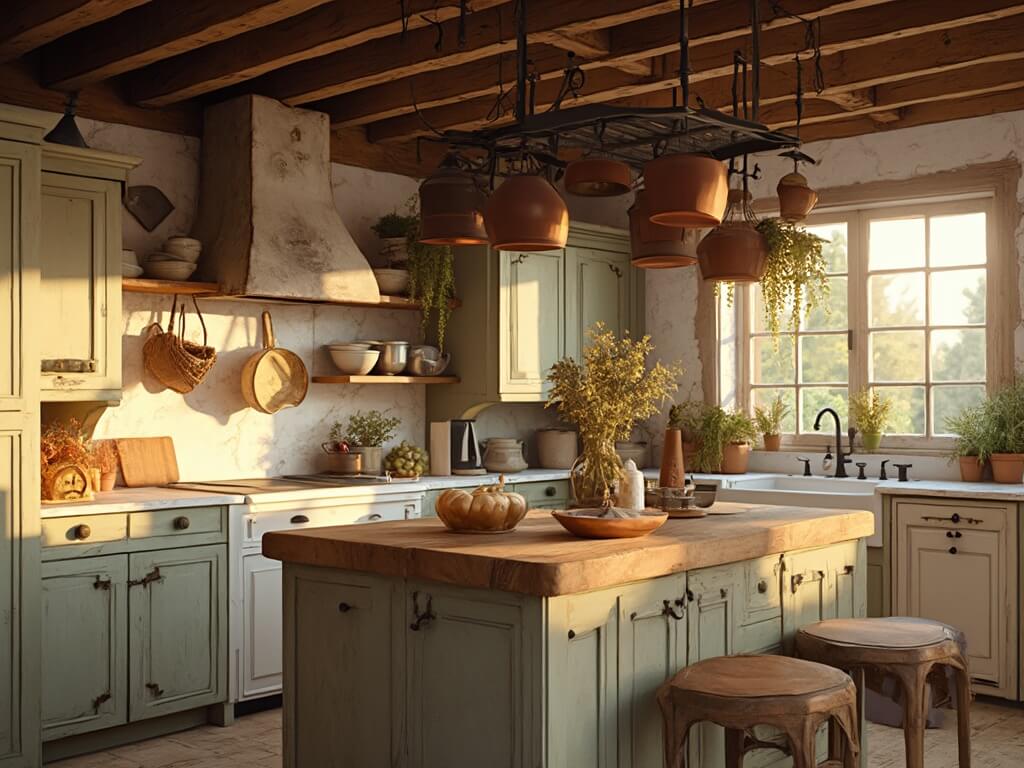
We kept a few lopsided wabi sabi pots on the open shelf, and the room felt grounded. Wabi sabi pottery works when the pieces are handmade and the flaws stay visible.
When I first encountered wabi sabi pottery, I was struck by how dramatically it challenged everything I thought I knew about beauty. These aren’t just ceramics—they’re philosophical statements molded from clay and fired with intention.

What Makes Wabi Sabi Pottery Unique?
Wabi sabi isn’t just an art form—it’s a radical reimagining of perfection. Here’s what sets these ceramics apart:
Aesthetic Principles:
- Celebrates asymmetry and natural irregularities
- Honors the marks of time and use
- Transforms perceived flaws into focal points of beauty
- Represents a deeply meditative approach to creation
Visual Characteristics:
- Handcrafted, organic shapes
- Muted, earthy color palettes
- Textured surfaces that invite touch
- Visible signs of repair or aging

The Spiritual Roots of Imperfection
Originating in Zen Buddhist philosophy, wabi sabi emerged from tea ceremonies where humble, imperfect objects were treasured. It’s a powerful rejection of mass-produced uniformity—each piece tells a unique narrative of existence.

Kintsugi: The Art of Healing Ceramics
Perhaps the most profound expression of wabi sabi is kintsugi—the practice of repairing broken pottery with gold, silver, or platinum lacquer. Instead of hiding damage, kintsugi transforms breaks into beautiful, meaningful connections.
Kintsugi Symbolizes:
- Resilience
- Transformation
- Acceptance of life’s inevitable changes
- Beauty emerging from vulnerability

Bringing Wabi Sabi Into Your Space
Incorporating these ceramics isn’t just decorating—it’s a meditative practice. Look for pieces that:
- Feel authentic and handmade
- Show gentle signs of age
- Evoke a sense of calm and groundedness
- Reflect natural, understated elegance

Practical Tips for Collectors
- Touch and feel the piece—authentic wabi sabi ceramics have a story in their texture
- Appreciate variations as strengths, not weaknesses
- Choose pieces that resonate emotionally, not just visually
- Consider the overall energy and tranquility a piece brings

The Philosophical Depth of Imperfection
Wabi sabi is more than an aesthetic—it’s a worldview. It teaches us to:
- Find beauty in simplicity
- Accept life’s transient nature
- Appreciate subtle details
- Embrace our own vulnerabilities

Personal Reflection
In a world obsessed with perfection, wabi sabi pottery reminds us that true beauty is complex, nuanced, and wonderfully imperfect. Each piece is a meditation, a moment of connection between creator, object, and observer.

Final Thoughts
Wabi sabi isn’t just about ceramics. It’s a profound philosophy of acceptance, resilience, and finding extraordinary beauty in the ordinary moments of life.
Wabi sabi pottery works when the pieces are handmade and the flaws stay visible. A few lopsided pots on an open shelf ground the room.