Have you ever wondered what walking on Mars might feel like?
Imagine a landscape so alien, yet breathtakingly beautiful, that Hollywood producers regularly use it as a stand-in for the Red Planet. Welcome to Wadi Rum, Jordan’s extraordinary desert wonderland – a place where massive red sandstone mountains pierce an endless sky and silence speaks volumes.
The Mars on Earth That Will Blow Your Mind
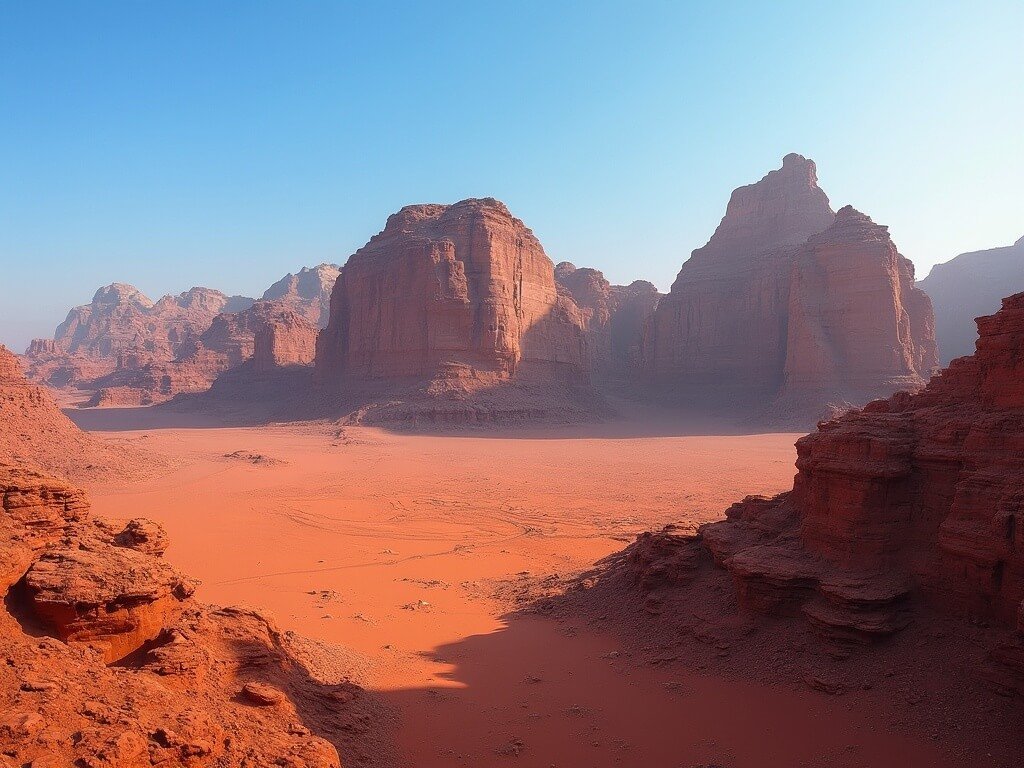
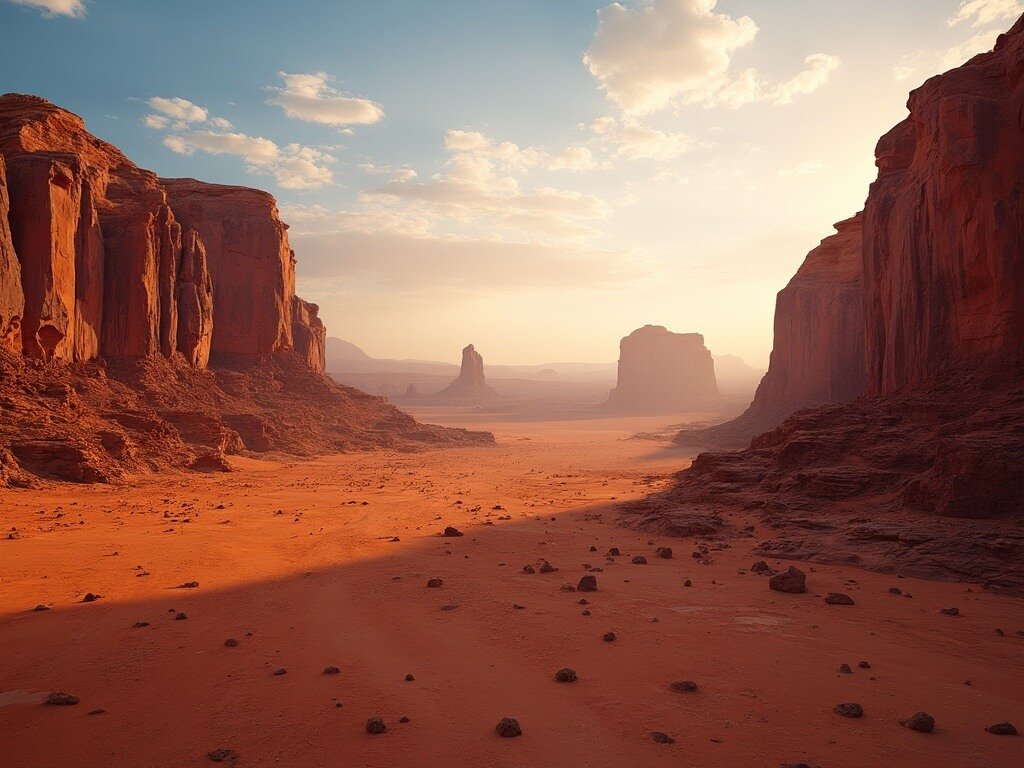
Located in southern Jordan, Wadi Rum isn’t just another desert. This 720 sq km UNESCO World Heritage Site is a geological masterpiece that looks like it’s been ripped straight from a science fiction movie.
Locals call it the “Valley of the Moon” – and trust me, that’s no exaggeration.
A Geological Time Machine: How Wadi Rum Was Born
Between 25-5 million years ago, tectonic forces went wild. The Great Rift Valley erupted, pushing granite and sandstone layers skyward. Wind and time became sculptors, carving breathtaking landscapes that would make even the most seasoned geologist weak at the knees.
Two primary sandstone formations define this terrain:
- Umm Ishrin: The darker, moody lower layer
- Disi: The lighter, more dramatic upper formation
The result? Mountains soaring over 1,700 meters, with Jebel Rum standing proudly as Jordan’s second-highest peak.
Why Hollywood Can’t Get Enough of This Desert
Wadi Rum isn’t just a landscape – it’s a movie star. Films like “The Martian,” “Dune,” and “Rogue One” have all used this desert as their cosmic backdrop.
The secret? Iron oxide.
This mineral paints everything in stunning red hues, creating an environment so similar to Mars that NASA scientists use it for planetary research. Minimal vegetation, stark rock formations, and that unmistakable rusty-red coloration make Wadi Rum the ultimate extraterrestrial body double.
A Living, Breathing Ecosystem of Survival
Despite its harsh appearance, Wadi Rum teems with life. Resilient acacias, desert grasses, and occasional shrubs cling to existence. Foxes, lizards, and migratory birds have mastered the art of desert survival.
The climate? Unforgiving. Massive temperature swings and scarce rainfall create an environment where only the toughest organisms thrive.
The Heart of Bedouin Culture
But Wadi Rum isn’t just a geological marvel – it’s a cultural treasure. Bedouin tribes have called this desert home for centuries, maintaining traditions of goat herding, camel breeding, and legendary hospitality.
Imagine nights around crackling fires, sharing sweet tea and stories passed down through generations. This isn’t tourism – this is cultural immersion.
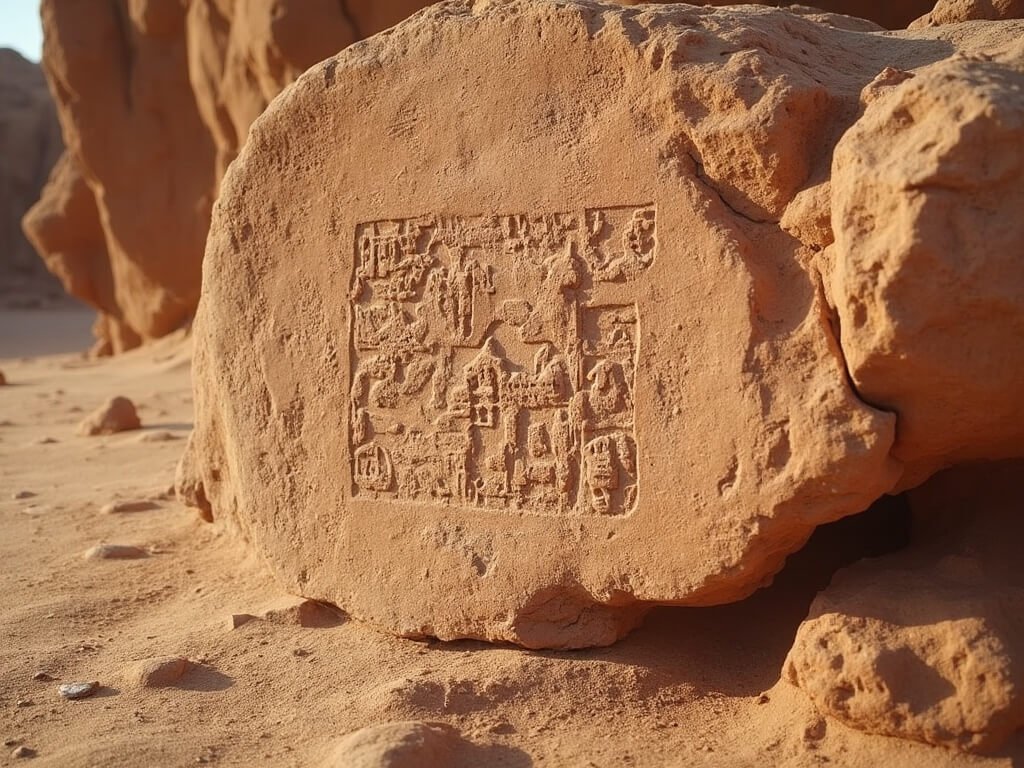
Archaeological evidence reveals human presence dating back 12,000 years. Petroglyphs and rock inscriptions whisper tales of ancient civilizations that once traversed these rocky landscapes.
A Playground for Adventure Seekers
Want experiences that’ll make your Instagram followers drool? Wadi Rum delivers:
- Jeep tours through mind-bending desert valleys
- Camel and horseback expeditions
- Rock climbing on massive sandstone formations
- Hot air balloon rides offering panoramic desert views
- Stargazing under some of the clearest skies on planet Earth
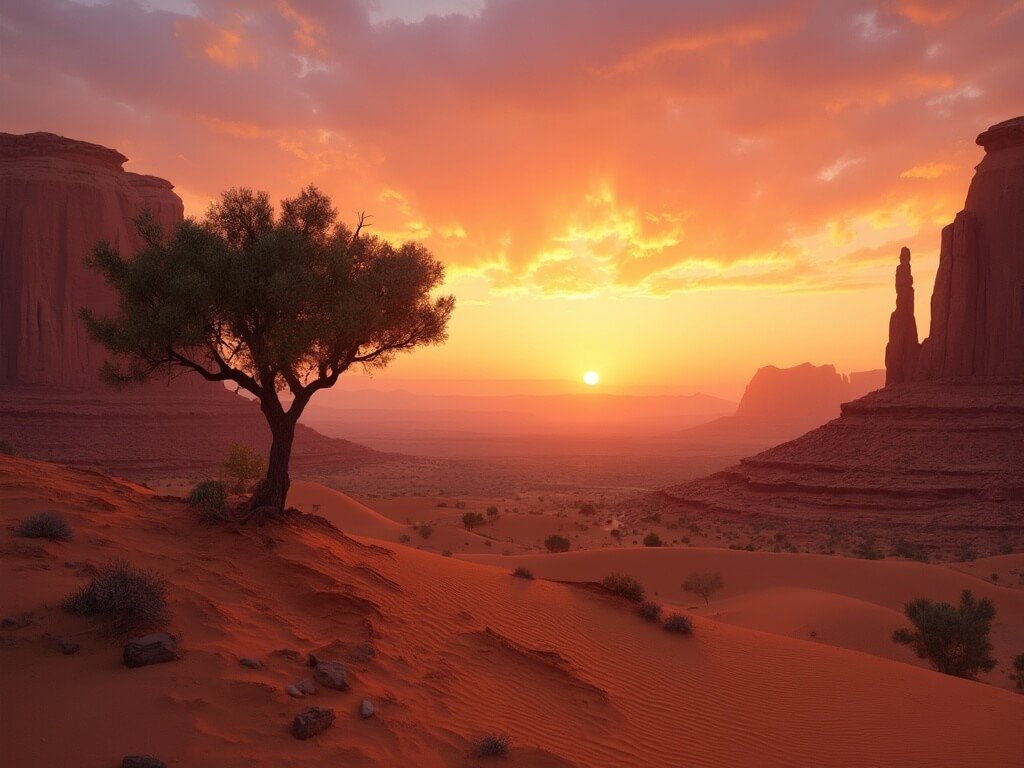
The landscape transforms during sunrise and sunset, painting the rocks in mind-blowing orange and red hues that seem too perfect to be real.
My first night camping here, I remember thinking: “This can’t be Earth.” The silence was so profound, so absolute, that my city-bred ears struggled to comprehend the vastness.
Every rock, every sand dune, every distant mountain seemed to hold centuries of untold stories.
The red sands stretched endlessly, a living canvas that shifted and breathed with the slightest desert wind. In that moment, I understood why filmmakers and scientists are so obsessed with this place.
Wadi Rum isn’t just a destination. It’s a portal to understanding how fragile and extraordinary our planet can be.
Explore more Earthly wonders in our Tropical Landscape Design feature or start your own adventure at home with our guide to Backyard Vegetable Gardening.
Conservation: Protecting a Martian Treasure
Preserving Wadi Rum isn’t just about protecting rocks and sand. It’s about maintaining a delicate ecosystem that represents one of Earth’s most unique landscapes.
The Jordanian government and UNESCO understand something crucial: this desert is more than a tourist destination. It’s a living museum of geological and cultural history.
Conservation efforts focus on several critical areas:
- Limiting vehicle access to protect fragile terrain
- Implementing strict waste management protocols
- Supporting local Bedouin communities as primary environmental stewards
- Creating sustainable tourism models that generate income without destroying the landscape
The Economic Lifeline: Responsible Tourism
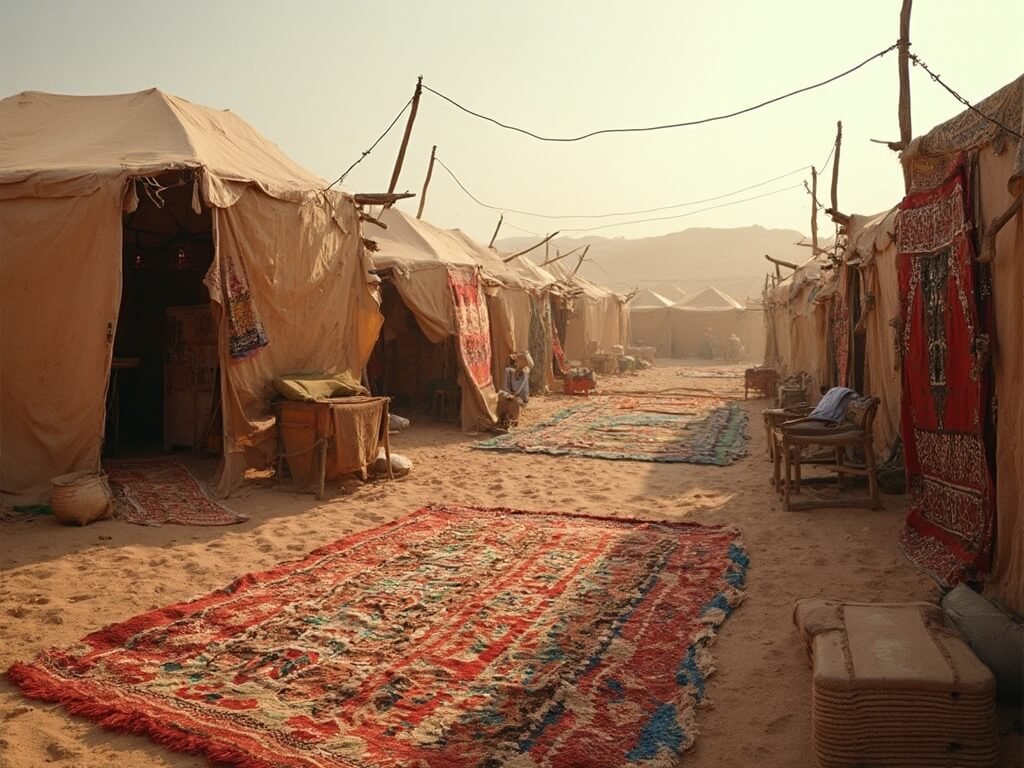
Tourism represents both a blessing and a challenge for Wadi Rum. Local Bedouin communities have transformed from traditional nomadic lifestyles to becoming expert tour guides and eco-lodge managers.
A typical Bedouin-run camp now offers:
- Traditional sleeping arrangements
- Authentic local cuisine
- Guided desert experiences
- Cultural storytelling sessions
- Sustainable practices that minimize environmental impact
Beyond Tourism: Scientific Frontiers
Here’s where things get seriously fascinating. Wadi Rum isn’t just a pretty landscape – it’s a global research destination.
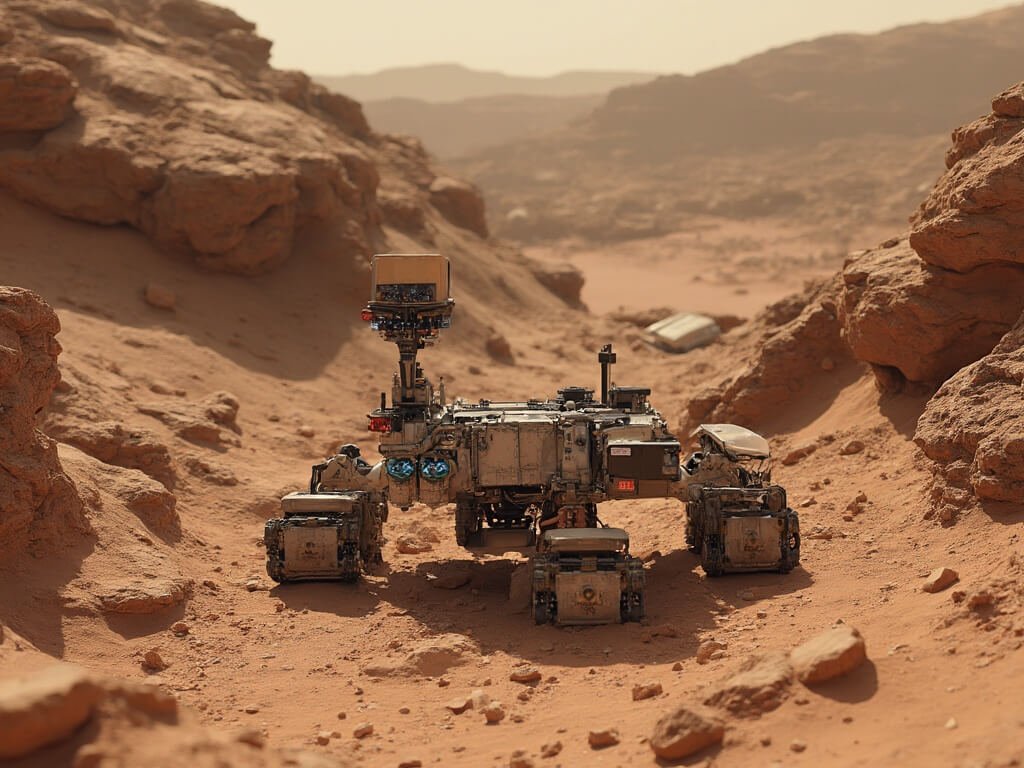
NASA and international space agencies regularly use this desert for Mars mission simulations. Robotics teams test equipment here, understanding how machines might navigate extraterrestrial terrains.
Planetary scientists see Wadi Rum as a living laboratory. The geological similarities to Mars are so precise that researchers can practice techniques they might use on actual Martian expeditions.
Discover more interesting facts about Wadi Rum and its connection to space research.
Climate Change: The Invisible Threat
As global temperatures rise, deserts like Wadi Rum become critical indicators of environmental shifts.
Research shows:
- Average temperatures have increased 1.5°C in the last 50 years
- Rainfall patterns are becoming more unpredictable
- Native plant and animal species are experiencing significant adaptation pressures
These changes aren’t just academic – they represent real challenges for both local ecosystems and global climate understanding.
Future Horizons: What’s Next for Wadi Rum?
The next decade will be crucial for this extraordinary landscape.
Emerging trends include:
- More sophisticated eco-lodges
- Advanced scientific research partnerships
- Increased focus on preserving Bedouin cultural heritage
- Enhanced international collaboration for conservation
Explore more of Jordan’s must-see desert landscapes to understand Wadi Rum’s place in the region’s future.
Personal Reflection: A Desert’s Promise
During my last visit, I spoke with Ahmed, a local Bedouin guide whose family has traversed these sands for generations.
“This desert,” he told me, pointing toward a distant mountain, “is not just land. It’s our history, our future, our breath.”
Those words captured something profound. Wadi Rum represents more than a geographical location. It’s a testament to survival, adaptation, and the extraordinary beauty of seemingly inhospitable environments.
Final Thoughts: Earth’s Martian Mirror
Wadi Rum challenges our understanding of landscape, life, and possibility.
It reminds us that beauty exists in the starkest environments. That survival is an art form. That our planet contains worlds within worlds, waiting to be discovered.
For travelers, scientists, adventurers, and dreamers – Wadi Rum is not just a destination. It’s a portal to understanding the remarkable resilience of life itself.
Come. Explore. Be transformed by the red sands of Jordan’s Martian desert.
Related Resources:
- Desert Modern Nursery Design
- Desert Oasis Patio at Sunset
- Modern Desert Nursery with Organic Sunlight
- Privacy Garden in a Modern Desert Setting
- Mediterranean-Style Desert Homes