Nursery Room Ideas for a Baby Boy: A Real Guide That Won’t Look Dated by Toddlerhood
The nursery for a boy was the room I kept from going too themed. A navy stripe and one wood toy box did the work a cartoon wall never would.
Baby boy nursery ideas online tend to fall into two camps: cartoon sports themes that’ll embarrass a four-year-old, or Pinterest rooms so beige they look like a hotel lobby. I’ve done a nursery twice now — once for my son in a 9×10 second bedroom, then again two years later when we moved and I had to redo the whole thing on a tighter budget. Here’s what actually works, what I wasted money on, and how to build a room that grows past the newborn stage.
—
The Look: What “Modern Boy Nursery” Actually Means Right Now
Forget baby blue everything. The rooms getting it right in 2024–2026 lean into a few clear directions:
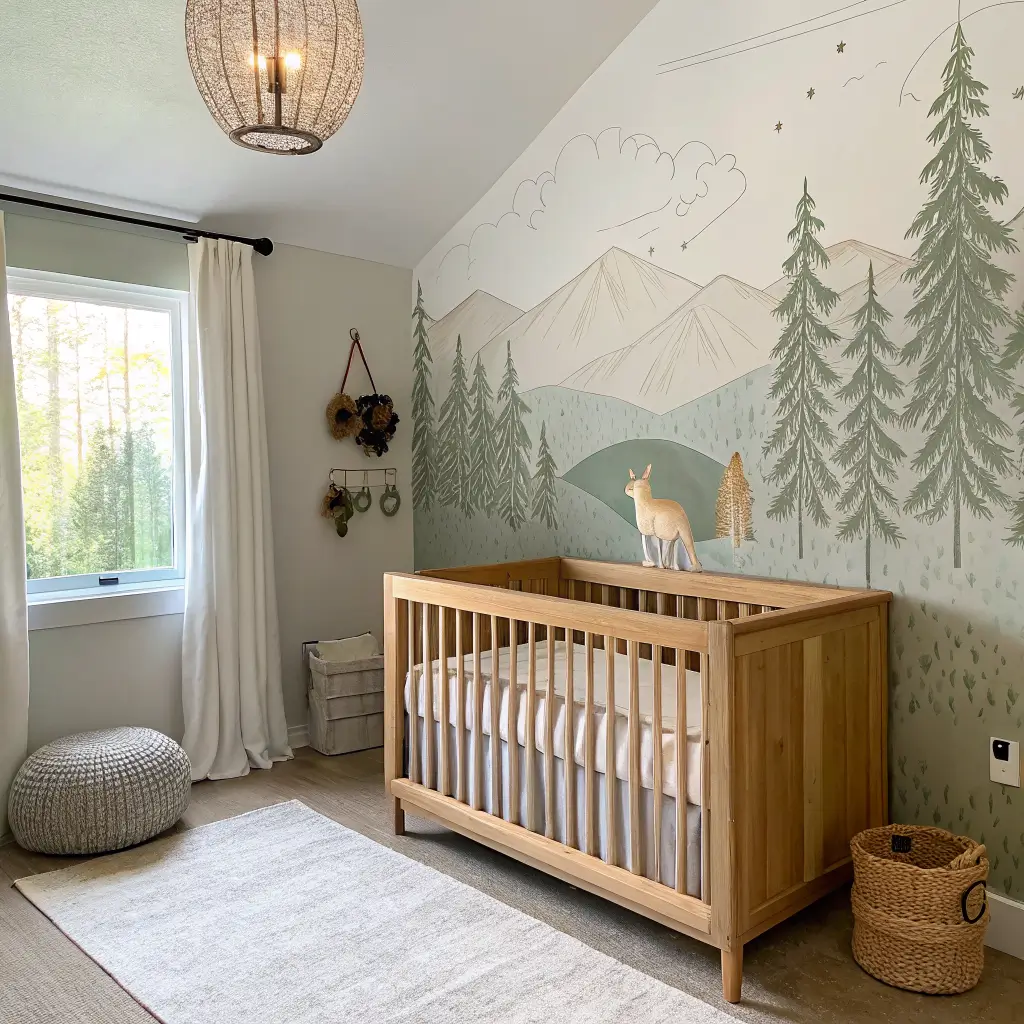
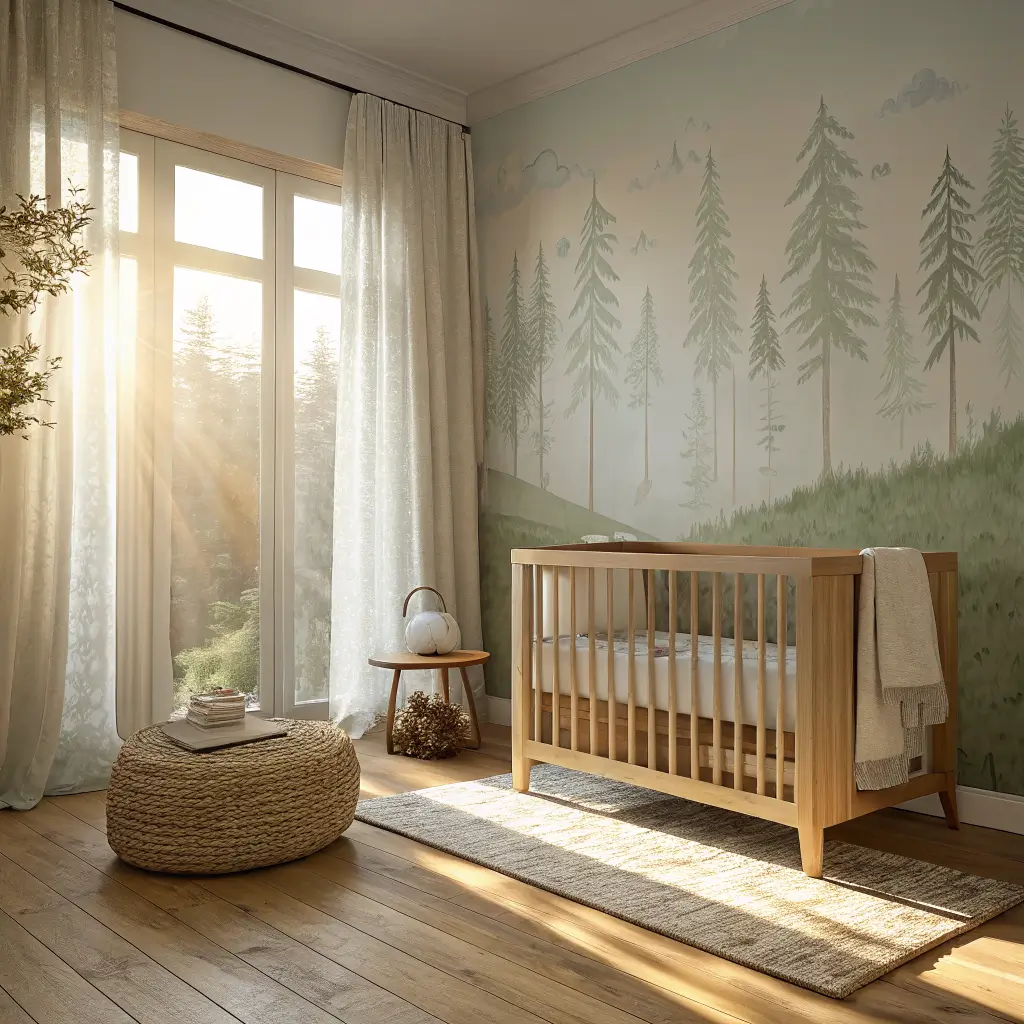
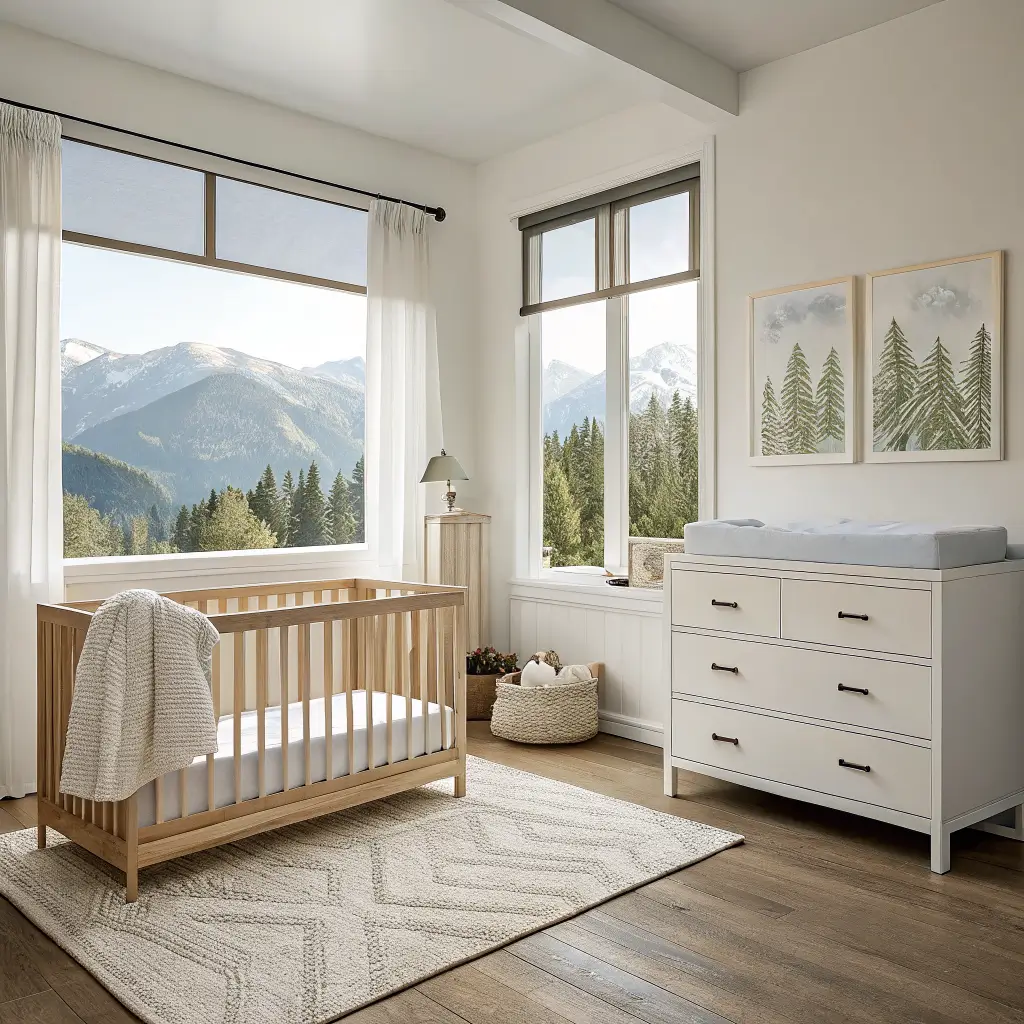
– Modern rustic / woodland — light oak, sage, cream, a fox or bear or two
– Scandi-neutral — warm white walls, birch furniture, black line art, one big textured rug
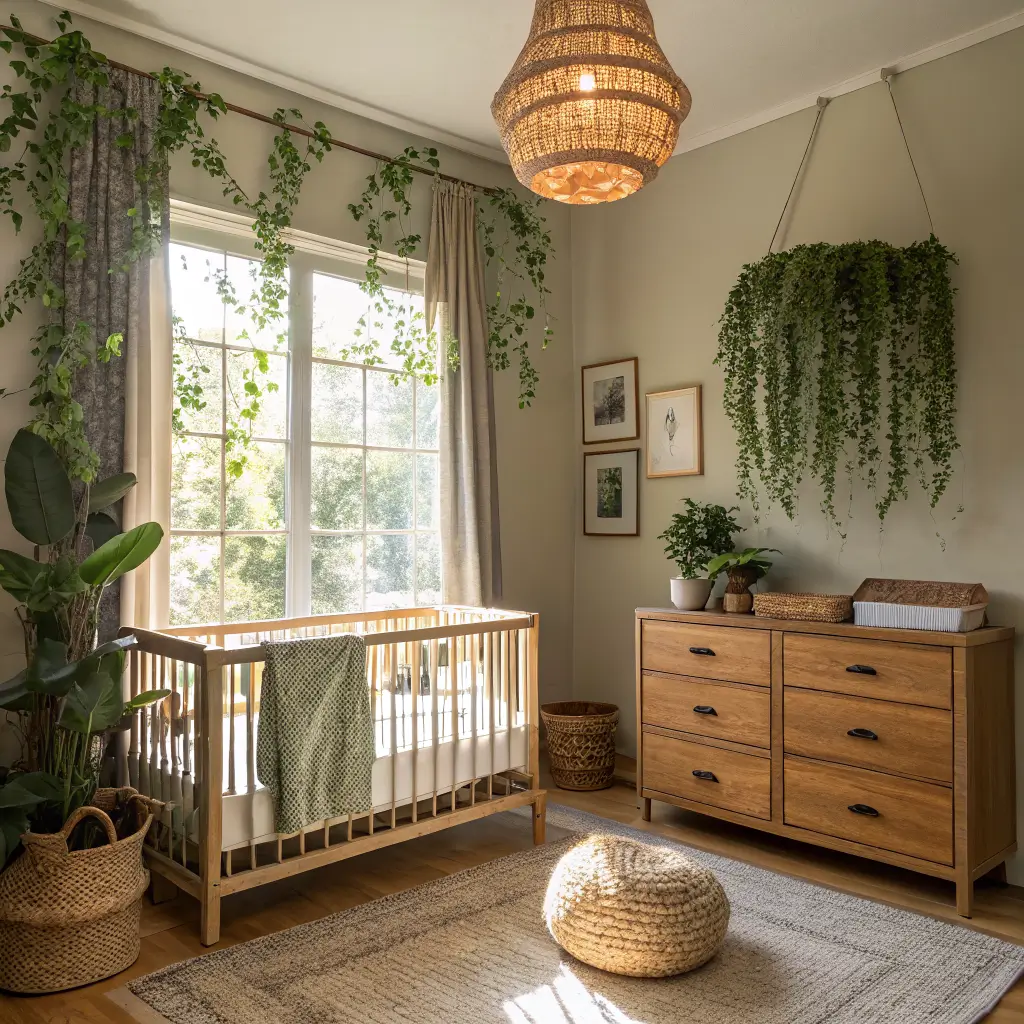
– Boho nature — rattan pendants, olive green, jute, hanging faux vines
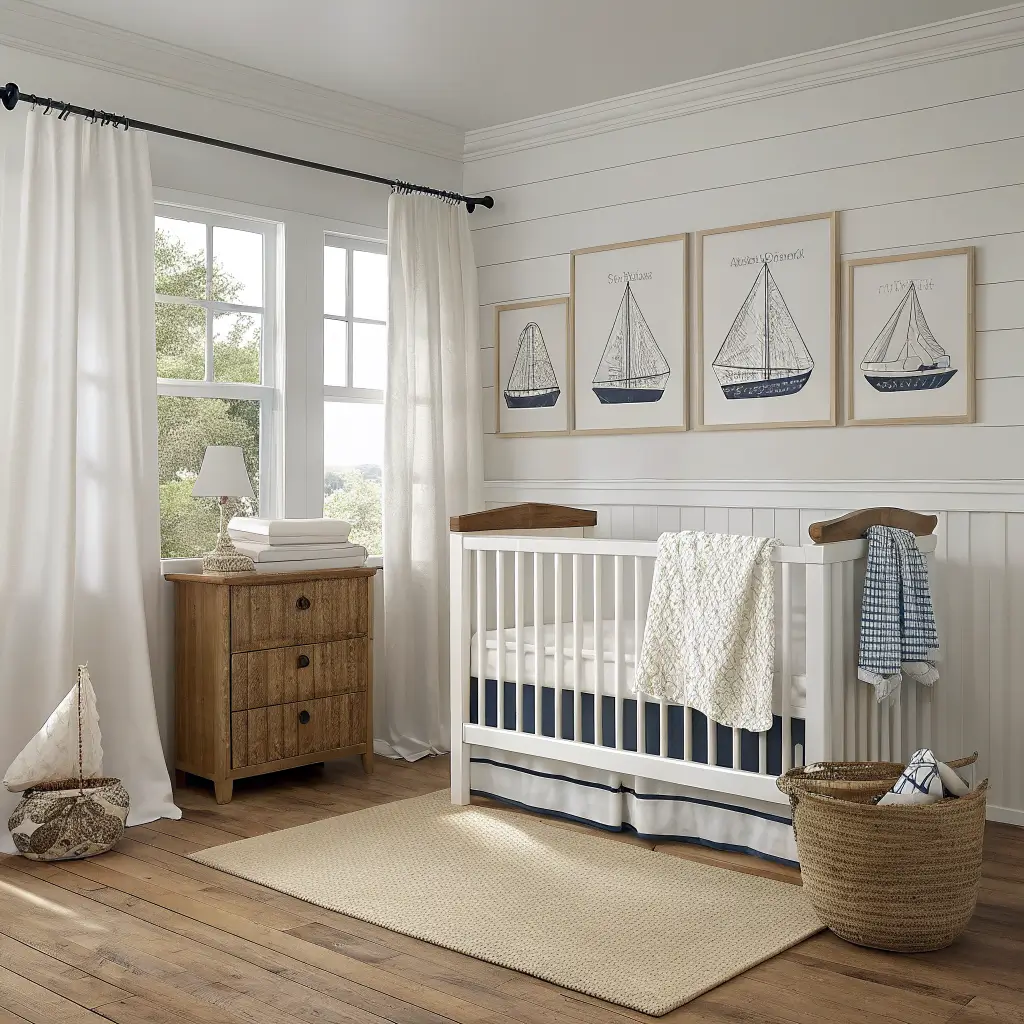
– Nautical — navy, white, rope; done in small doses so it doesn’t read theme-park
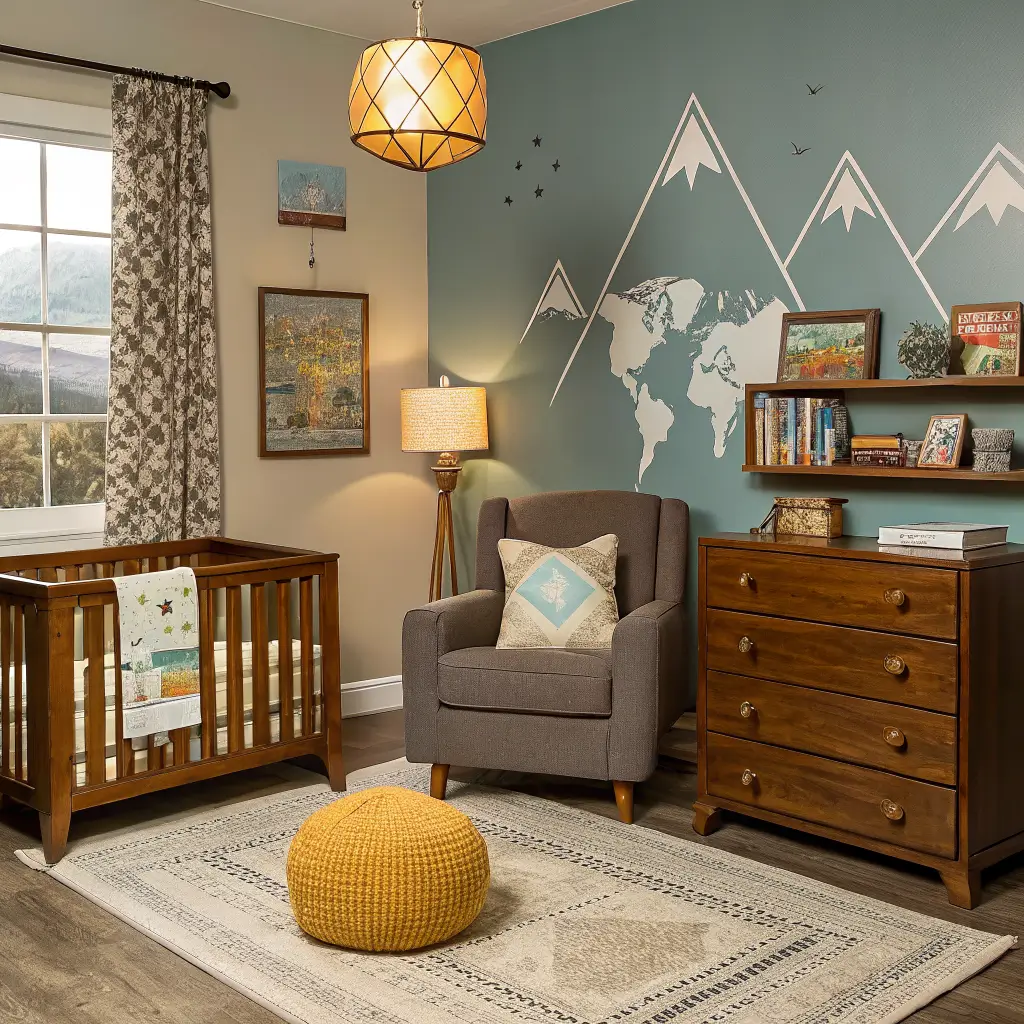
– Adventure / mountain — mustard, rust, muted teal, map prints, peel-and-stick mountain decals
– Celestial — deep navy accent wall, star projector, brass pendant
– Black-and-white modern — high contrast softened with a lot of wood
The one rule that ties them all together: neutral on the big surfaces (walls, floor, crib, dresser), theme in the small stuff (art, textiles, mobile, one accent wall). That’s the trick to a room that doesn’t age out at 18 months.
Who this setup is for
Parents who want a calm sleep environment that still has personality. People who are keeping the room past infancy — meaning no giraffe-shaped rocker. And renters, because most of what I’ll walk through is peel-and-stick, freestanding, or hangs on a couple of drywall anchors.
Space and Budget Reality Check
Room size that works comfortably: 80–120 sq ft. My first nursery was exactly 9×10 and it fit a full-size crib, a 6-drawer dresser doubling as changing table, and a glider — but only because I put the crib on the long interior wall and the glider in the corner opposite the door.
Under 70 sq ft? Go mini crib (about 38″x24″ instead of 52″x28″), a slim 3-drawer dresser, and skip the glider in favor of a small armless chair.
Rough budgets, based on what I’ve actually paid:
– Budget build ($800–$1,500): IKEA Sundvik crib around $200, IKEA Hemnes 3-drawer around $250, a Target or Walmart glider for $250, a washable Ruggable-style rug for $180, peel-and-stick wallpaper on one wall for $90, and decor built up over a few months.
– Mid-range ($1,500–$3,000): Solid wood convertible crib ($450–$700), upholstered swivel glider ($600–$900), a real statement pendant ($200–$300), designer wallpaper on one wall ($400 including install).
– High-end ($3,000+): Pottery Barn Kids, Crate & Kids, custom board-and-batten, hand-painted mural.
Where I’d spend the money: the glider and the crib mattress. I bought a $180 glider the first time and hated it by month two — the recline was flimsy and the fabric pilled. Replaced it with a Nursery Works swivel for around $700 and used it every single night for two years. Worth every dollar.
Where I’d save: the crib itself (they all meet the same safety standards), the dresser (any dresser + a $30 changing tray works), and wall art (Etsy printable downloads at $8–$15 plus $20 frames from Michaels beat $150 nursery prints every time).
Timing: How Long This Actually Takes
– Paint + assemble furniture + hang art: one to two weekends
– Add peel-and-stick wallpaper or board-and-batten: two to four weekends, mostly because paint and adhesive need time to cure before you put a baby in the room
– Full mural or custom built-ins: plan on a month, minimum
Do the paint and wallpaper at least two weeks before baby arrives so off-gassing settles. Use zero-VOC paint (Benjamin Moore Natura or Sherwin-Williams Harmony) and you can shorten that window to about four days.
The Pieces That Actually Matter
Crib
Standard 52″x28″. Convertible 3-in-1 is worth the extra $50–$100 because you’ll use it as a toddler bed for years. Avoid cribs with heavy carved detailing — they collect dust and date fast. I went with a simple slatted natural wood crib both times.
Dresser doubling as changing table
A 48″-wide, 6-drawer dresser with a removable changing pad topper is the single most useful piece in the room. Bolt it to the wall. This is non-negotiable — toddlers climb, and a loaded dresser tips faster than you’d think.
Glider or rocker
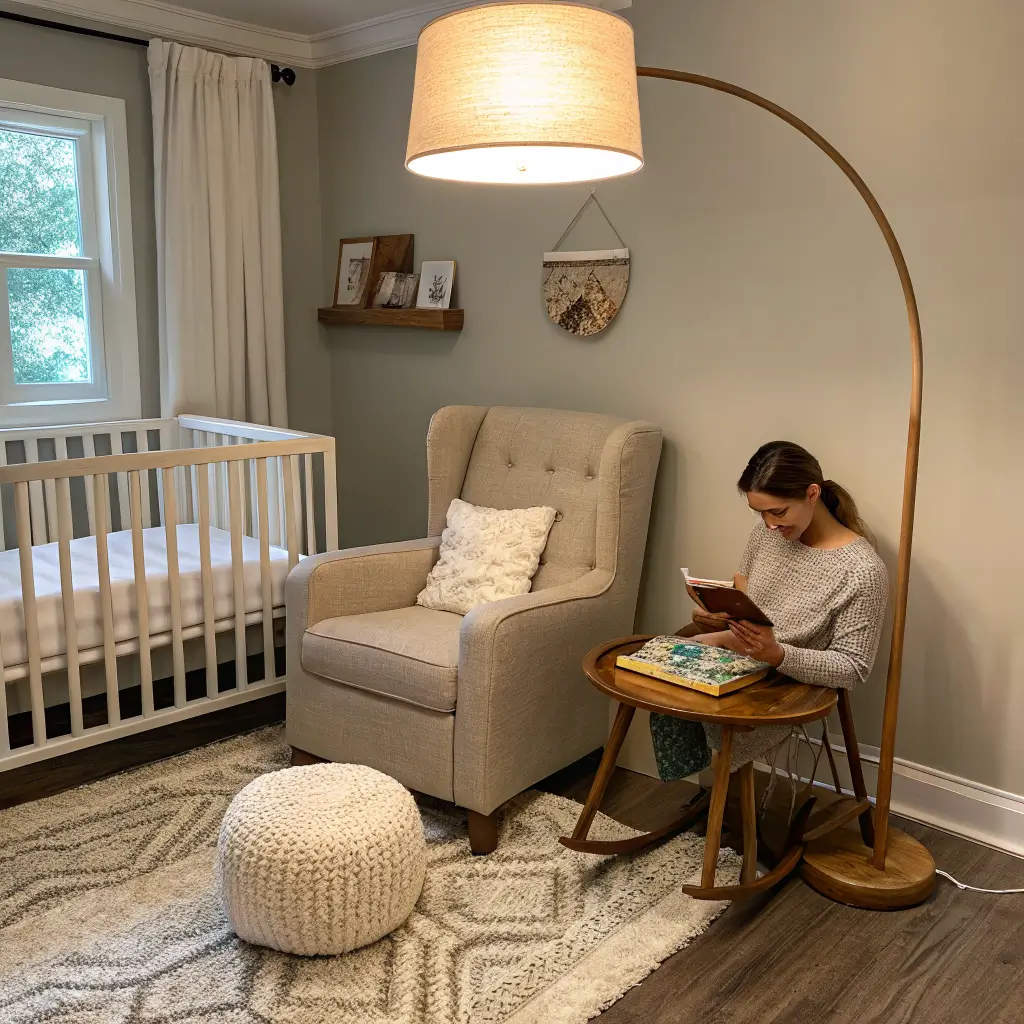
Get one that swivels and reclines. You will fall asleep in it. Ottoman included is better than sold separately.
Rug
A 5×7 for a small nursery, 6×9 if you can swing it. Under the crib and extending past the glider is the sweet spot. Washable is smart — spit-up is going to happen on this rug within the first month.
Lighting
Two sources minimum:
– Overhead: a rattan pendant or simple pendant with a warm bulb (2700K, never higher)
– A dimmable table lamp near the glider for 3 a.m. feeds
Skip the ceiling fixture with sharp angles or exposed bulbs directly above the crib.
Window coverings
Blackout roman shades or blackout curtains with a cordless lift. This is where I’d spend $150 without blinking. Bad blackouts = bad naps.
Color: How to Avoid the All-Blue Trap
The most common question I see is some version of how do I decorate a boy nursery without drowning it in blue. Easy answer: use blue as an accent, not a base.
My favorite palettes I’ve actually used or seen work:
– Sage + cream + warm oak + black hardware — reads woodland without a single deer decal
– Warm white + terracotta + mustard + natural jute — southwestern-adjacent, gender-neutral, ages beautifully
– Muted navy accent wall + white walls + brass + oatmeal textiles — celestial without being cartoonish
– Greige walls + olive + rust + walnut wood — my current setup; toddler-proof and still calm
If you want blue, go muted denim or powder blue on one wall only, keep the other three warm white, and bring in wood and cream textiles to soften it. Sherwin-Williams Rainwashed and Benjamin Moore Van Courtland Blue are both worth sampling.
One rule I follow: pick 2–3 accent colors and repeat each one in at least three places around the room. That repetition is what makes a room feel styled instead of random.
Layout: The Order I Set It Up In
1. Crib on the main focal wall, interior wall if possible, away from windows and vents
2. Dresser opposite or perpendicular with clear walking path between the two
3. Glider in the corner with a small side table (nothing bigger than 16″ square) and lamp
4. Rug centered so it grounds the crib and touches the front legs of the glider
5. Open shelves or picture ledges on the wall above the dresser — never above the crib
That last one is worth repeating: nothing heavy hangs above the crib. Not shelves, not framed art with glass, not a mirror. If you want something over the crib, use a fabric wall hanging, unframed canvas, or vinyl decals.
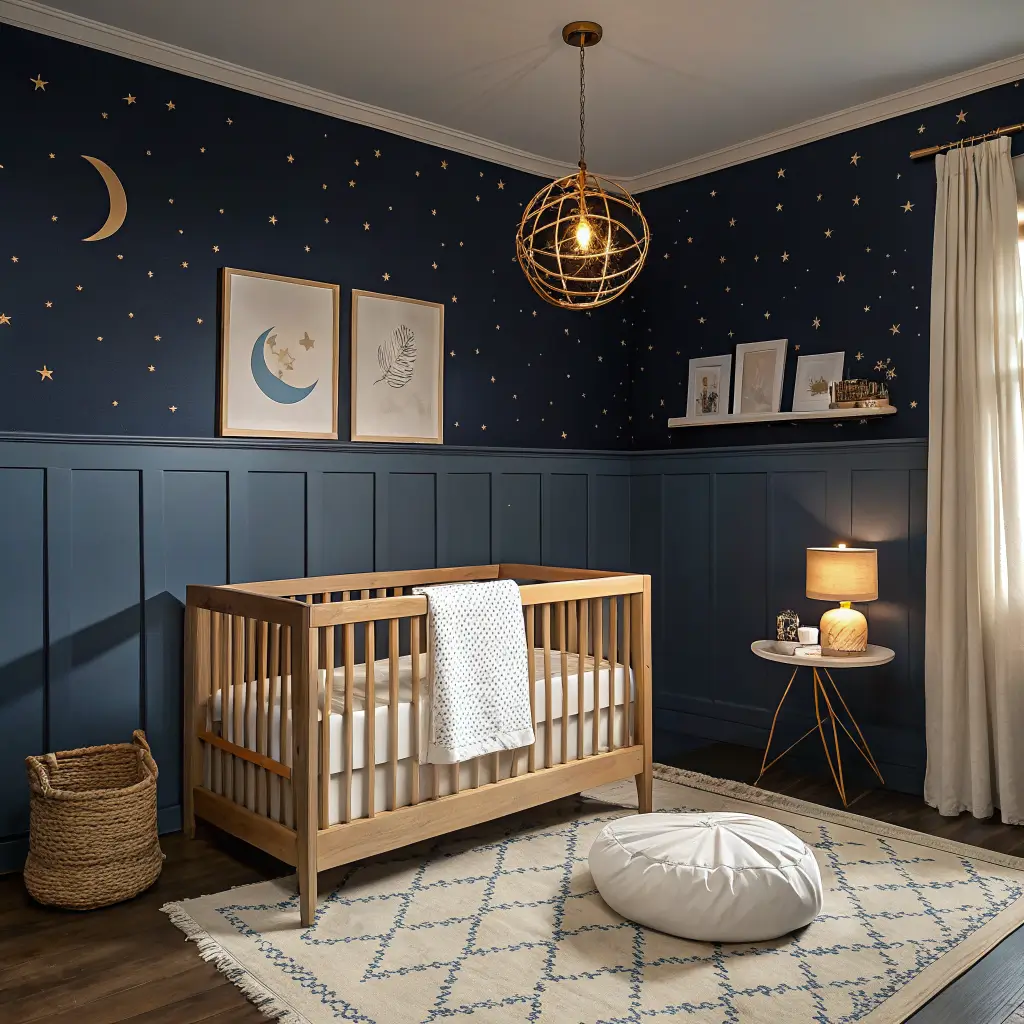
The Accent Wall: Where to Put Your Design Energy
If I could only do one thing in a nursery, it’d be a single accent wall behind the crib.
Options ranked by effort and impact:
– Peel-and-stick wallpaper (best value): $80–$150 for one wall. Chasing Paper and Tempaper have solid woodland, terrazzo, and abstract options. Takes about three hours.
– Board-and-batten half-wall painted in a muted color: about $60 in materials and one weekend. Looks like $600 of work.
– Vinyl mountain or arch decals: $25–$60. Best for renters who can’t do wallpaper.
– Painted arch behind the crib in a color like sage or muted terracotta: $30 and an afternoon.
I did a peel-and-stick woodland print behind my son’s crib the first time and got compliments on it for two years. Removed cleanly when we moved.
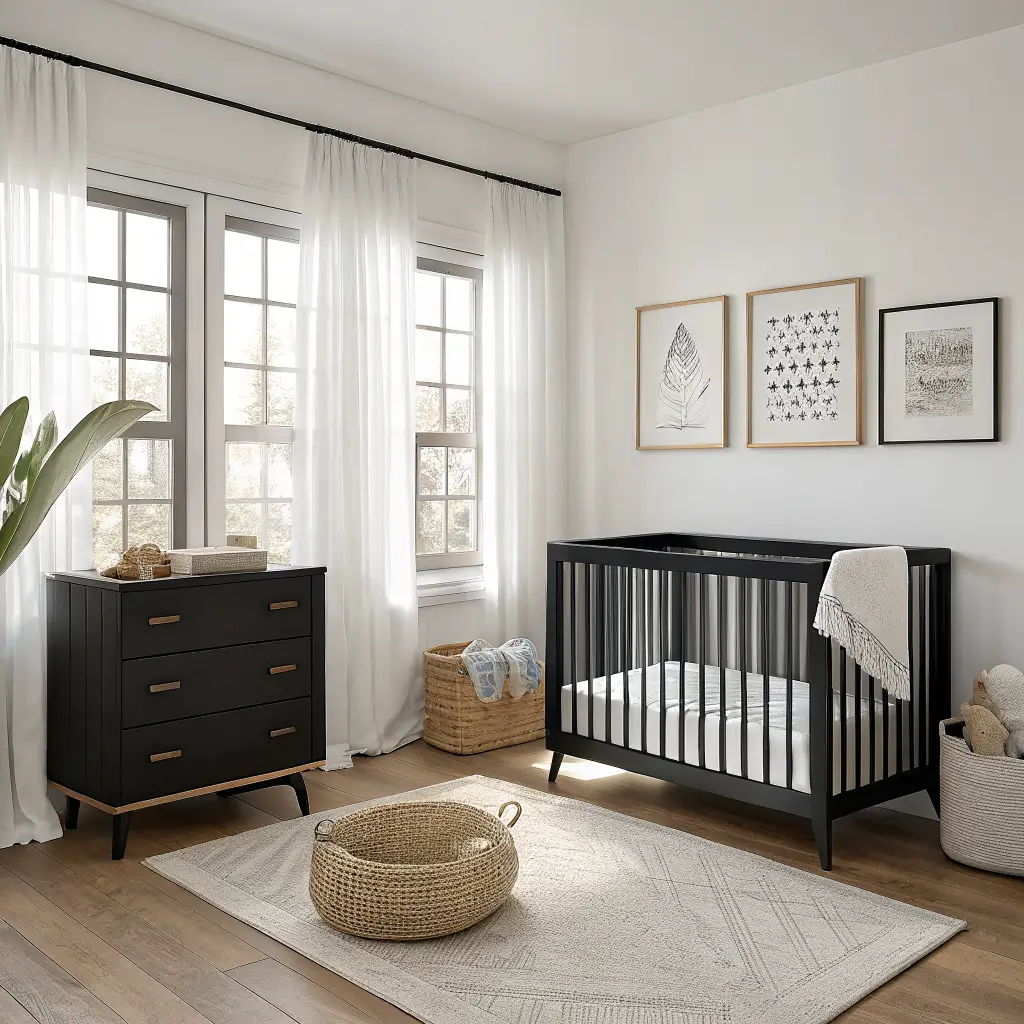
Mistakes I Made So You Don’t Have To
I bought a themed bedding set. Full jungle print — bumper (which you shouldn’t use anyway), skirt, sheet, blanket, all matching. It looked like a display at BuyBuy Baby and I hated it within a month. Fix: buy 3–4 solid or subtle-pattern crib sheets and let art and rug carry the theme.
I put a busy wallpaper on all four walls. Overstimulating for the baby and headache-inducing for me at 4 a.m. Fix: one accent wall, three plain.
I underestimated storage. By month six the room was a war zone of gift bags and diaper boxes. Fix: two woven baskets under the crib, three canvas bins on open shelves, and a closet organizer with hanging cubbies. Do this before the shower gifts arrive.
I hung a heavy wood name sign over the crib. Took it down the day I read about anchor pull-strength on drywall. Fix: if you want a name sign, hang it over the dresser or use lightweight metal or felt letters.
Cordless everything on the windows. This isn’t a style call, it’s a safety one. Corded blinds are the single most preventable nursery hazard.
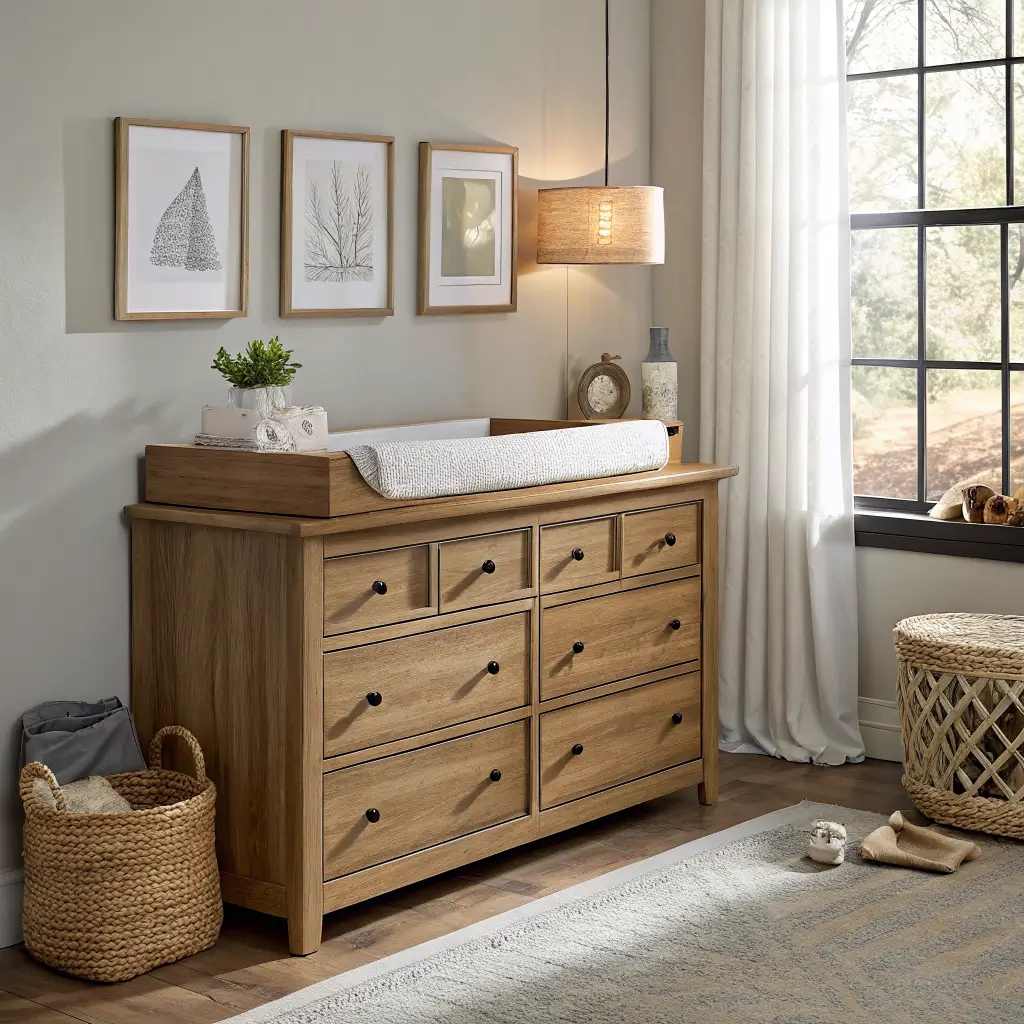
Keeping It Fresh Without Redoing the Room
The whole point of a neutral base is that you can shift the feeling of the room with $50 and an afternoon.
– Seasonal swaps: change crib sheet, one throw on the glider, and one piece of art. That’s it. Rust and cream in fall, sage and white in spring.
– Growing with the kid: the same room went from newborn woodland to toddler adventure by swapping the mobile for a mountain decal set and adding a low bookshelf with front-facing picture ledges.
– Combining styles: boho + coastal works beautifully — rattan pendant, sand-colored rug, powder blue textiles, and a piece of driftwood-toned art. Woodland + adventure is the other easy combo: forest animal prints with a small vintage globe on the shelf.
The rooms I keep coming back to on my saved Pinterest board all share the same DNA: neutral walls, one strong focal point, wood tones, layered textures, and maybe six intentional decorative objects total. Not sixty.
Build that bones-first, and the theme can be almost anything you want.
—