The Look and Who It’s For
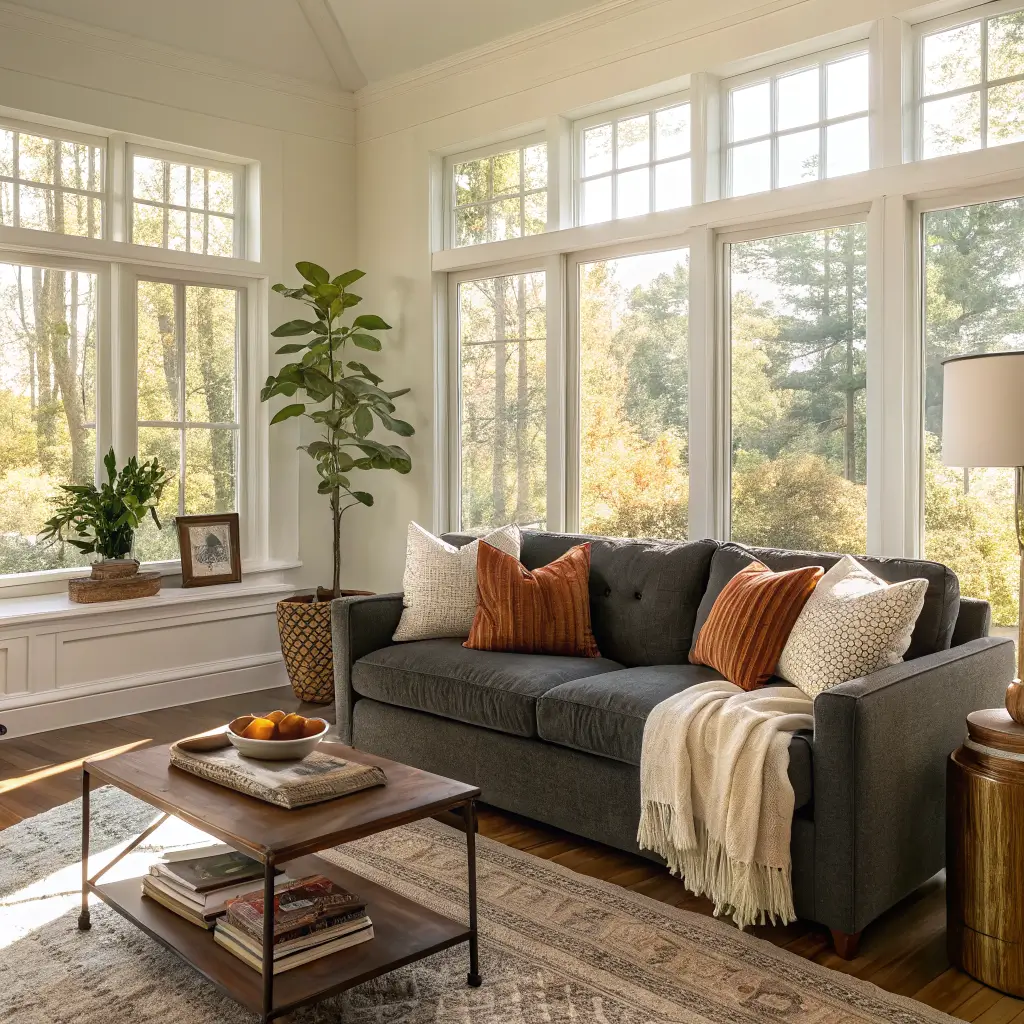
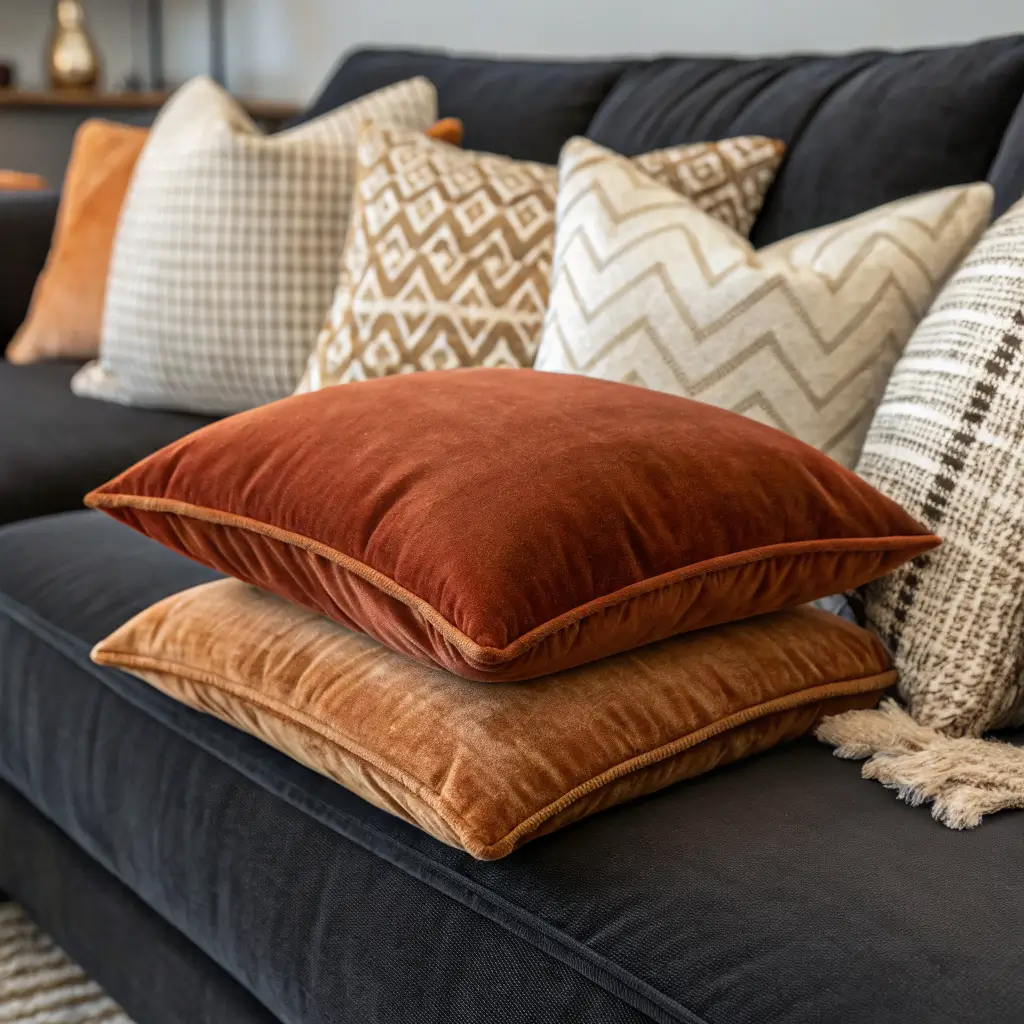
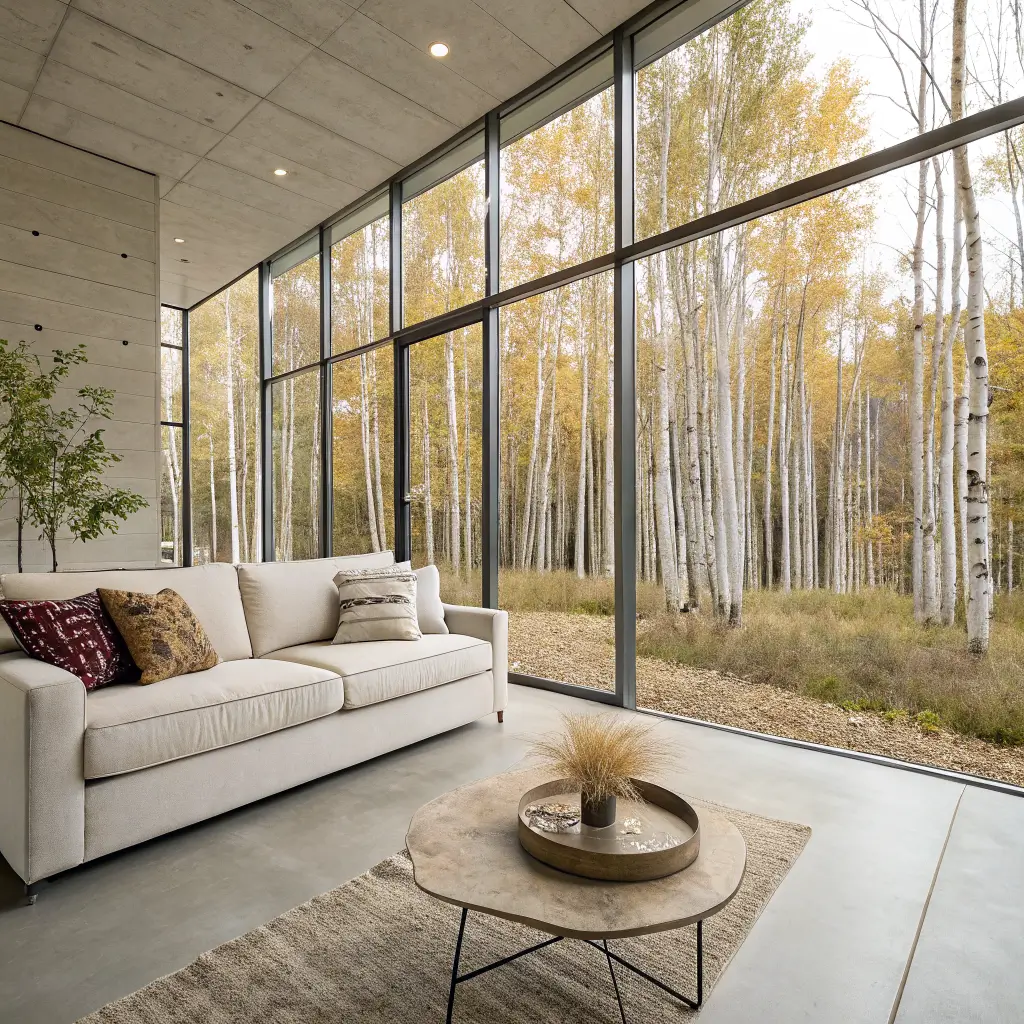
The fall decor pillows were the cheapest swap that changed the room. Two rust covers on the sofa made it read autumn without a single pumpkin.
Fall decor pillows are the fastest way to make a room feel like a different season without repainting a wall or hauling in a new sofa. I’ve been swapping mine out every September for about eight years now, and I’ve made every mistake on the list — from the year I bought four different “Grateful” pillows (regretted it by October 3rd) to the time I stuffed 20″ covers with 20″ inserts and wondered why my sofa looked like it had given up.
Here’s what actually works.
If you rent, hate committing to big purchases, or just want your living room to feel like a sweater by mid-September, pillows are the move. A full swap on a standard sofa takes me 30 to 60 minutes, and if I’m doing the porch and bed too, closer to two hours with a coffee break.
Cost varies wildly depending on where you shop:
Budget (Hobby Lobby, At Home, Target sale rack): $10–$25 per pillow or cover
Mid-range (World Market, Pottery Barn sales): $25–$60
Specialty (Crate & Barrel, McGee & Co., boutique): $40–$90+
For a main seating area, expect to spend $40–$100 for a budget refresh, $120–$250 mid-range, and $250–$450 if you’re going into velvet, wool, or beaded territory.
This look works in a studio apartment or a big open-concept living room. The pillow count just shifts:
Small sofa (60–70″): 3–4 pillows
Standard sofa (80–90″): 5–6 pillows
Queen or king bed: 2–3 euros, 2–3 decorative squares, one long lumbar in front
Porch bench or swing: 2–3 outdoor-safe pillows in 18–20″
The Colors and Materials That Actually Read as Fall
I stopped buying pumpkin orange around 2019. It reads Halloween more than fall, and it fights with almost every wall color that isn’t white.
The palette I keep coming back to:
Warm core tones: rust, terracotta, cognac, camel, mustard, gold
Foliage greens: sage, olive, deep forest
Rich accents: burgundy, wine, oxblood
Grounding neutrals: cream, taupe, greige, warm soft gray
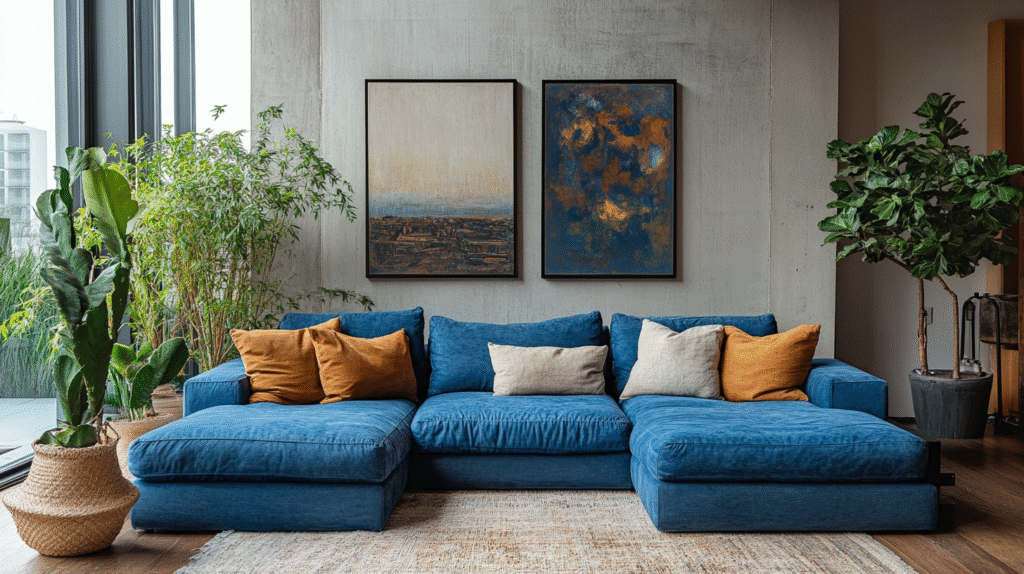
Muted terracotta and camel are the ones doing the heavy lifting right now. They feel seasonal without shouting about it, and they don’t clash with a blue sofa or a gray rug the way true orange does.
For materials, fall is your excuse to pile on texture:
Velvet and chenille — depth, sheen, and they photograph like a dream
Cable knit or chunky knit — like a sweater for your couch
Wool, faux fur, sherpa, Mongolian sheepskin — pure tactile appeal
Linen and cotton canvas — everyday workhorses that transition well
Faux leather — one small piece adds edge, especially with buffalo check
Burlap or jute — rustic, but use sparingly (it scratches)
Hero Pieces vs. Support Cast
Every pillow arrangement needs a hierarchy. Here’s how I break it down:
The heroes (visual anchors):
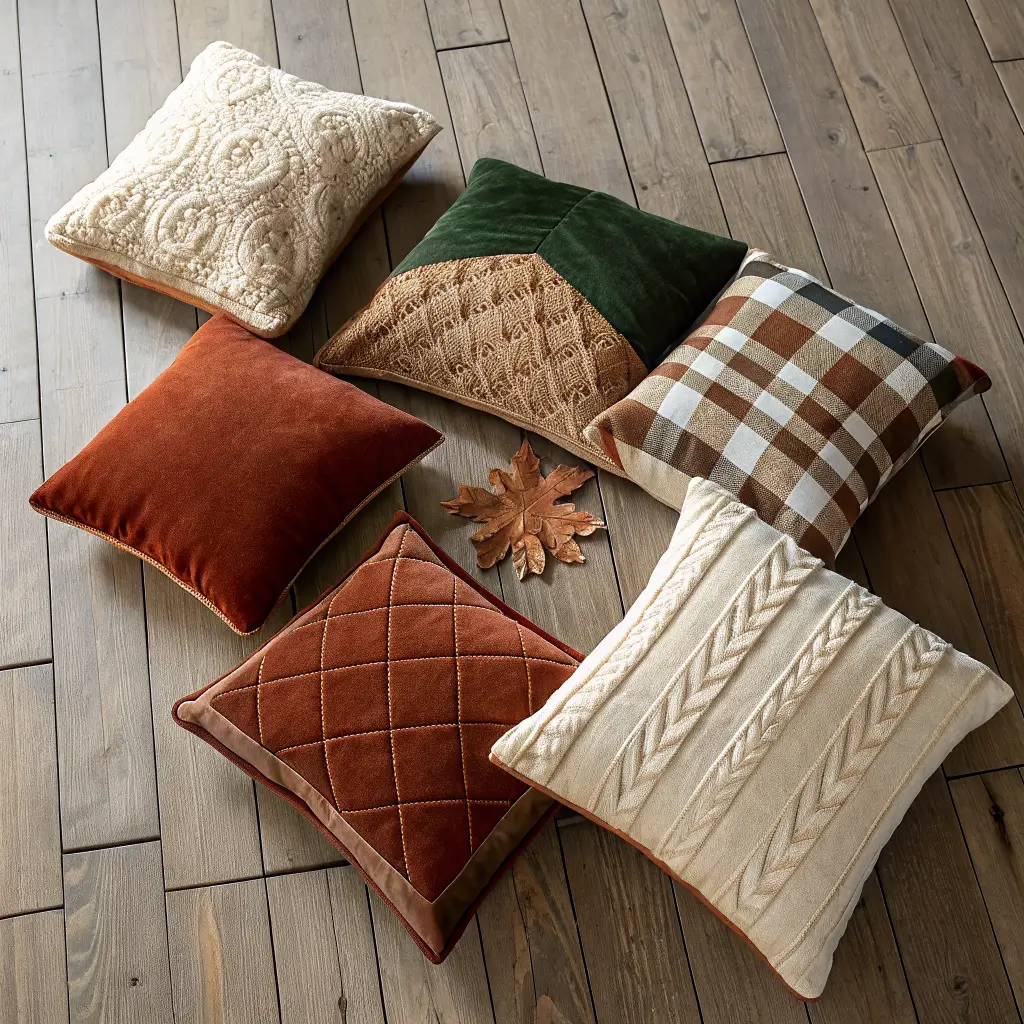
– Two oversized 22″ or 24″ squares in solid velvet or a substantial woven texture, usually in rust, terracotta, or camel
– One statement plaid or buffalo check in warm brown, deep red, or forest green — 20″ to 22″
– One long lumbar (12×24″ or 14×36″) with subtle embroidery or tone-on-tone pattern
The supporting cast:
– Two 18–20″ neutral pillows in linen or cotton — cream, taupe, or greige
– One geometric print (stripes, herringbone) in a jewel tone for a modern edge
– A texture pillow — basketweave, cable knit, braided — in a soft neutral
That’s it. Six pillows, three roles: solid, pattern, texture.
The Formula I Use for Every Grouping
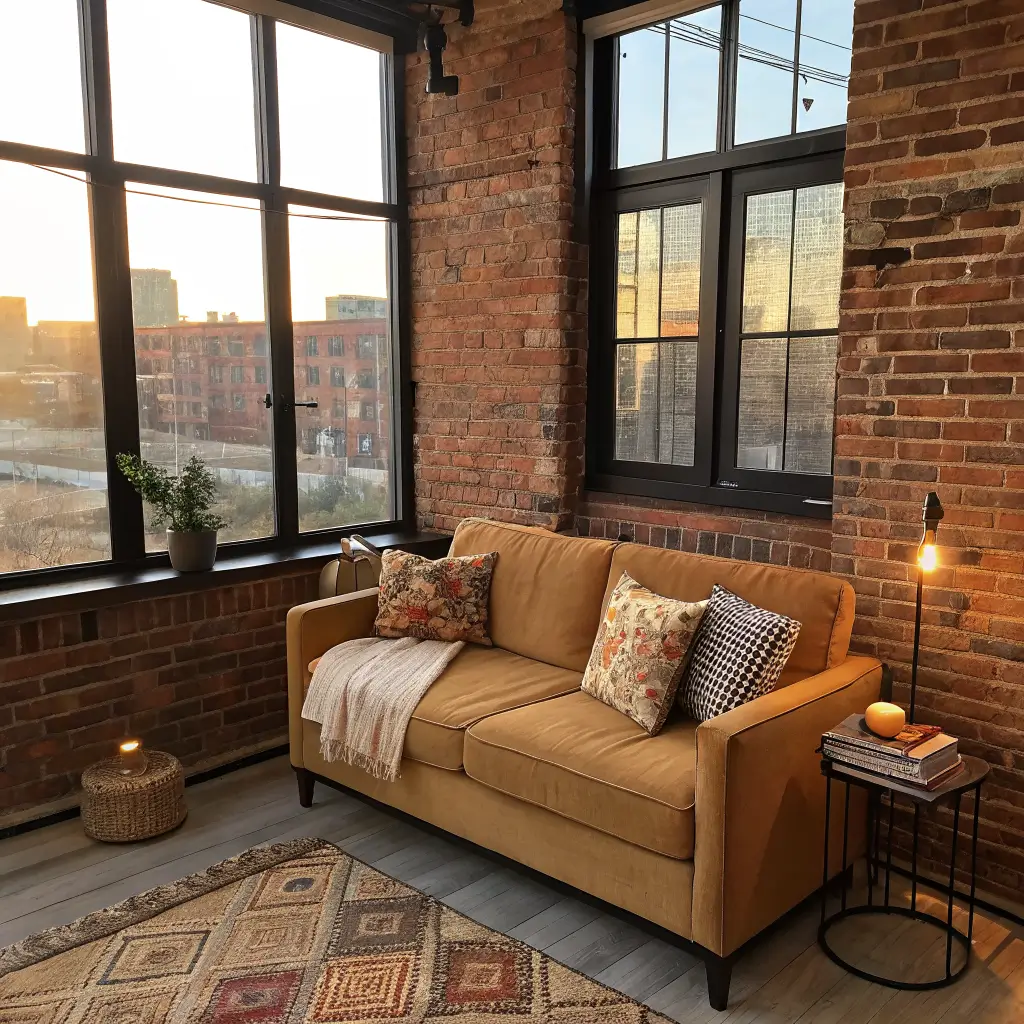
If you take one thing from this, take this: 1 solid or textured pillow + 1 geometric or stripe + 1 organic pattern (plaid, floral, leaves). Anchor it with a neutral. This works every time.
Color-wise, I stick to a 1 main color + 1 accent + 1 neutral rule. So a fall grouping for me might be rust (main), olive (accent), and cream (neutral). That’s the whole palette. No burgundy sneaking in “just because.”
How to Actually Arrange Pillows on a Sofa
On a standard 84″ sofa, here’s my order:
1. Corners: largest pillows, 22″ or 24″, usually the solid velvets. These are the bookends.
2. Inner: 20–22″ patterned pillows leaning against the corner ones.
3. Front and center: the lumbar. Sometimes I offset it slightly to one side if the sofa has a chaise.
On a bed:
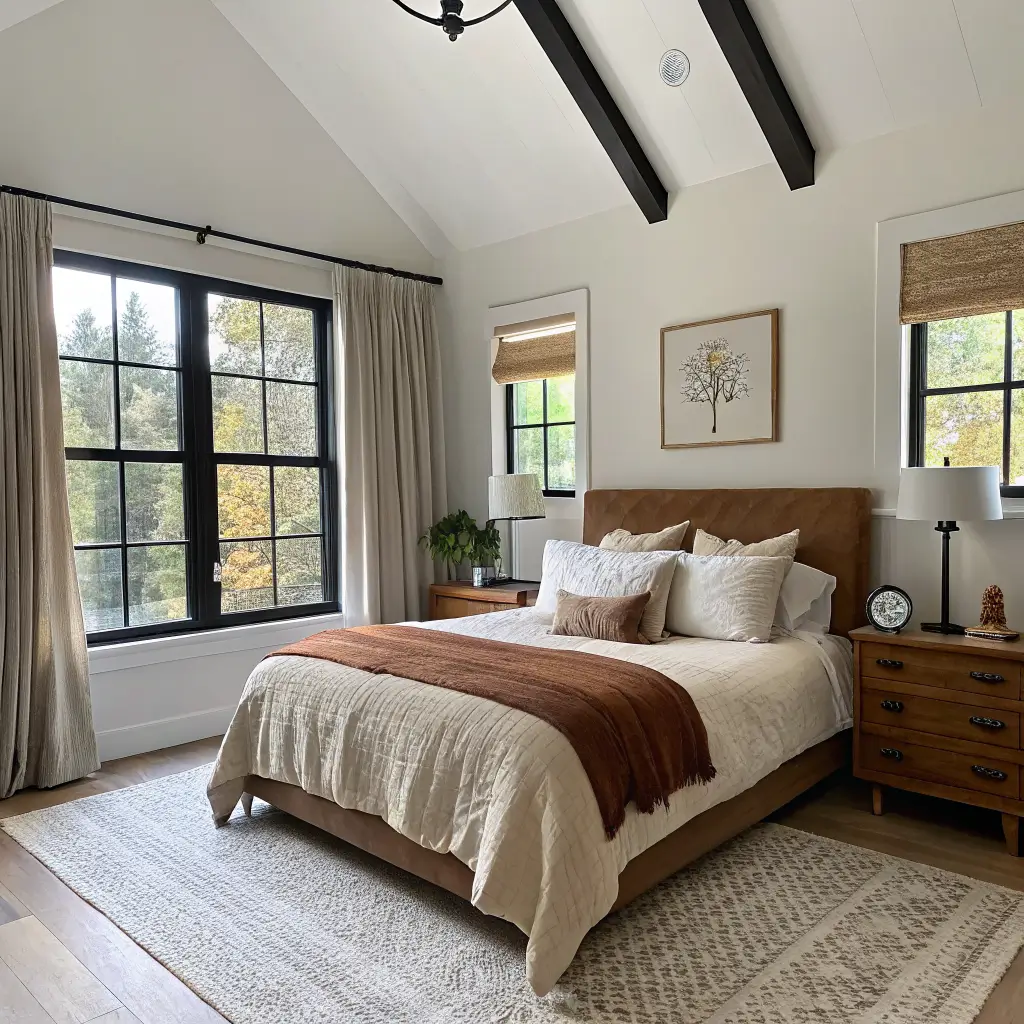
– Back row: 24–26″ euros against the headboard
– Middle row: 22–24″ decorative squares
– Front: one long lumbar, ideally with the embroidered detail
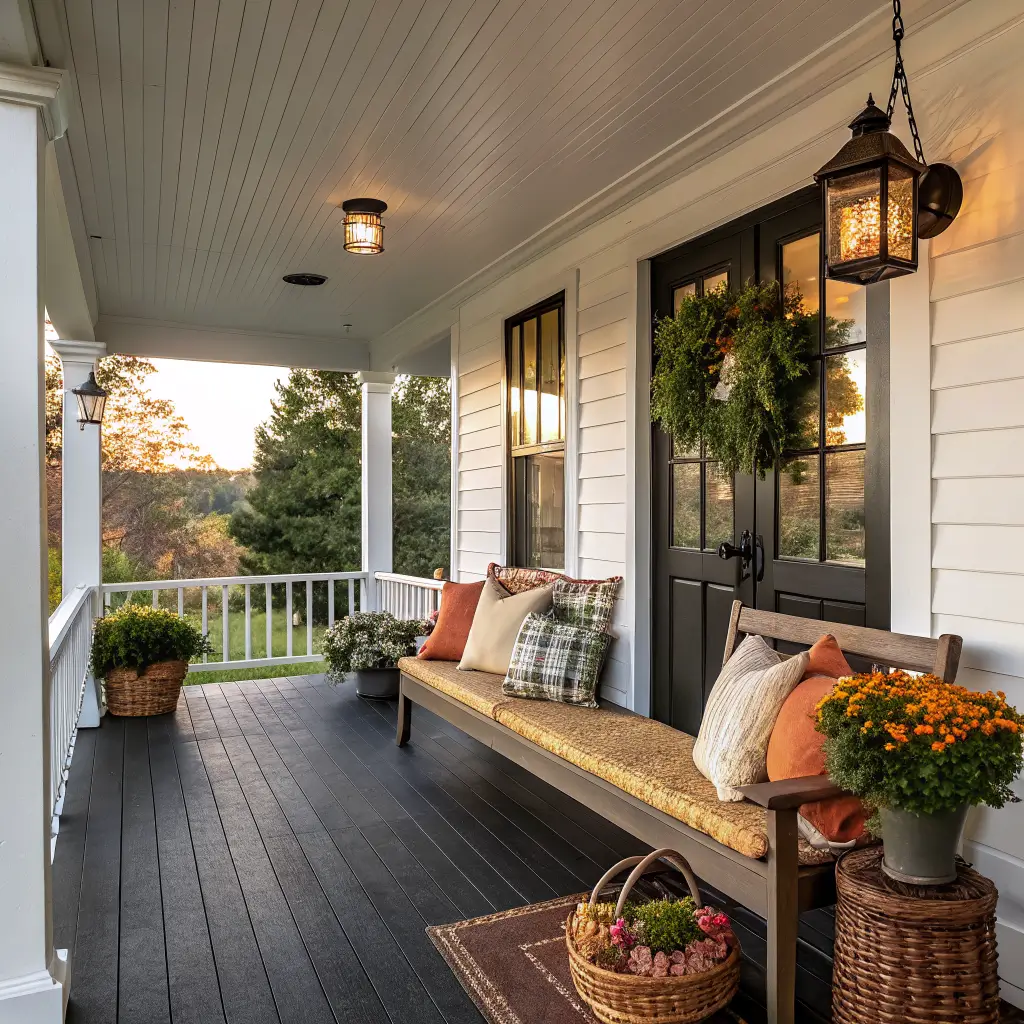
On a porch: one patterned outdoor pillow, one solid, one textured per seat. Repeat the color in a wreath or a planter of mums so it reads as intentional and not random.
The Insert Rule Nobody Follows
Always buy inserts 1–2 inches larger than your cover. A 20″ cover needs a 22″ insert. A 22″ cover wants a 24″. This single thing separates “looks like a magazine” from “looks like the cushion at my dentist’s office.”
Down or down-alternative also matters. Poly-fill inserts flatten in a week. Spend the extra $8 on feather-down and karate-chop the top after fluffing. That little divot is the whole trick.
Where to Spend, Where to Save
Spend on:
– Inserts. Once. Good inserts last a decade.
– One or two anchor pillows in a real fabric — a heavy velvet or a proper wool. You’ll feel the difference.
Save on:
– Covers with obvious seasonal text or motifs. These date fast and you’ll want to swap them.
– Trend colors. If burgundy is having a moment but you’re not sure, get a $15 cover, not a $70 one.
I bought a $12 rust velvet cover from Target three years ago and it’s still in rotation. I also bought a $65 beaded pumpkin pillow that lasted exactly one October before I got tired of picking beads out of the rug. Learn from me.
Mistakes I’ve Made (So You Don’t Have To)
Too many themed pillows. The year of four “Gather” pillows taught me that one text pillow per room is the max. Ideally zero. Let the colors and textures do the work.
Under-scaled pillows. A cluster of 16″ pillows on a modern deep sofa looks like doll furniture. Go 22″ minimum on the base.
Matchy-matchy sets. If your pillows all come in one packaged “fall set,” they’ll look like they came from one packaged fall set. Mix retailers, mix textures, mix price points.
Ignoring the sofa color. If your sofa is charcoal, rust and cream will sing. If it’s beige, you need contrast — deeper burgundy or forest green, not more beige. Look at the base before you shop.
Too short a season. If every pillow screams pumpkin, you’re packing them up November 1st. Choose textures and colors that can bridge into winter — camel, burgundy, forest green, cream cable knit. Those stay out through January easily.
Seasonal Shifts Without Starting Over
I break fall into three phases:
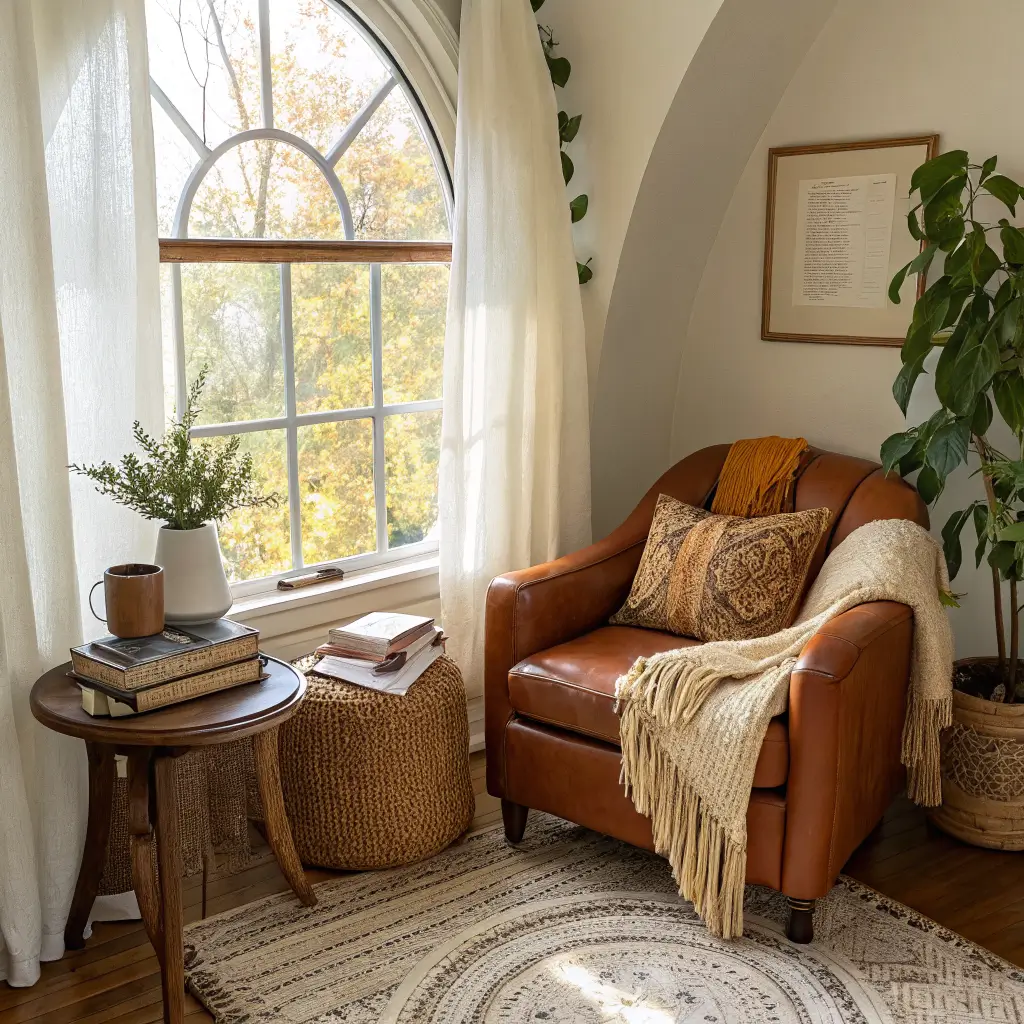
– Late August through September: lighter textures, linen and cotton, subtle leaf motifs, warm earth tones. Nothing too heavy.
– October: bring in the plaids, deeper burgundy, a pumpkin motif or two if that’s your thing. Add the chunky knit.
– November into December: pull the pumpkins and text pillows, keep the plaids, cable knits, and jewel-toned velvets. Now it reads “cozy winter” without touching anything else.
This is the whole reason I stick to non-text pillows for most of the rotation. One cover, three months of use.
Budget Evolution Year Over Year
Buy the neutral base covers and quality inserts once. Then each September, add two or three new covers at $10–$25 each to shift the palette. Last year I leaned mustard and olive; this year I went cognac and burgundy. Same inserts, same base neutrals, completely different room.
Also — rotate covers between rooms. The rust velvet that lived on my sofa last fall is on my bedroom reading chair this year. Free refresh.
Cross-Style Blends
Boho fall
Boho fall: terracotta, mustard, and olive with tassels, fringe, and a Moroccan-style pattern. Skip the plaid. Add a chunky knit throw in cream.
Coastal fall
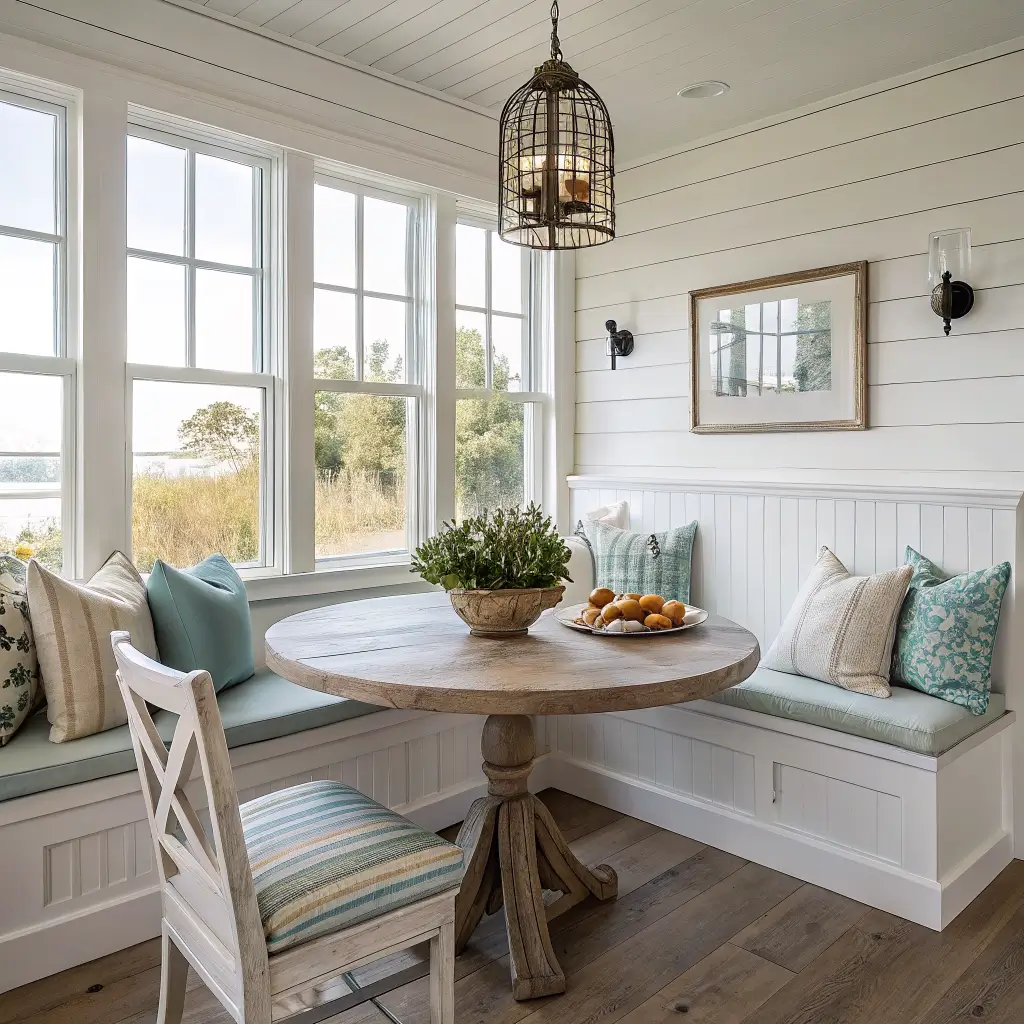
Coastal fall: muted blues and sage greens with warm cream and a single rust accent. Linen textures, no velvet. A striped lumbar keeps it tied to the coastal side.
Modern minimal fall
Modern minimal fall: two oversized solids in camel and cream, one subtle tone-on-tone pattern, one sherpa or bouclé texture. No motifs, no text. Just warm quiet.
The pillows are small, cheap, and reversible. That’s the whole point. If you hate what you did, you’re $60 and one Saturday away from a different room.