Wabi-Sabi Bathroom: Transforming Your Space into a Serene Natural Sanctuary
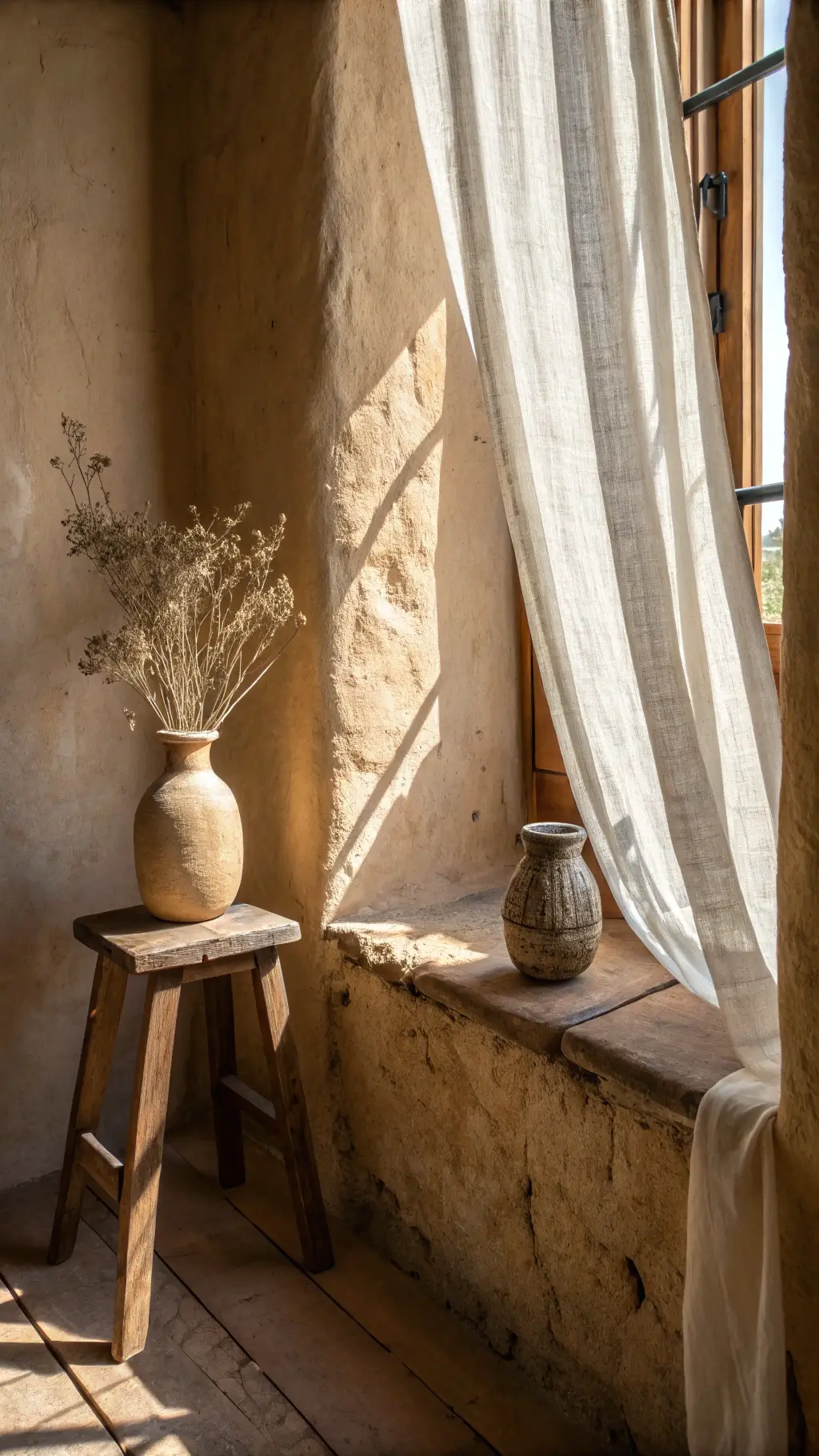
We did the bathroom wabi sabi with a raw concrete sink and one wood stool, and it felt calm. A wabi sabi bathroom works when the surfaces stay unfinished and the light stays soft.
Welcome to the world of Wabi-Sabi Bathroom Design – where imperfection becomes art and simplicity reigns supreme.

🌟 Steal This Look
- Paint Color: Sherwin-Williams Accessible Beige SW 7036
- Furniture: reclaimed wood floating vanity with live edge detail
- Lighting: woven pendant light with natural fiber shade
- Materials: raw stone vessel sink, unfinished wood, natural linen textures
There’s something deeply calming about a bathroom that feels like a natural retreat rather than a showroom. The gentle imperfections of wabi-sabi design create spaces that actually feel lived-in and peaceful.
Why Wabi-Sabi? The Philosophy Behind the Design
Wabi-sabi isn’t just a design trend. It’s a profound Japanese philosophy that whispers ancient wisdom about beauty, authenticity, and embracing life’s natural rhythms.
Key Principles That Will Transform Your Bathroom:
- Celebrate Imperfection: Those tiny ceramic tile chips? They’re not flaws. They’re character.
- Embrace Natural Aging: That weathered wooden shelf tells a story.
- Prioritize Simplicity: Less truly is more.
- Connect with Nature: Every element should feel organic and alive.

🏠 Steal This Look
- Paint Color: Benjamin Moore White Dove OC-17
- Furniture: reclaimed teak floating vanity with natural edge details
- Lighting: warm brass pendant with handblown glass shade
- Materials: natural stone, weathered wood, handmade ceramics, linen textiles
There’s something deeply calming about a space that doesn’t demand perfection from you. A wabi-sabi bathroom becomes your daily reminder that beauty exists in the natural, the aged, and the authentically imperfect.
Crafting Your Wabi-Sabi Bathroom Sanctuary
Materials: The Heartbeat of Authenticity
Forget synthetic, plastic perfection. We’re diving into materials that breathe and evolve:
Natural Texture Superstars:
- Handmade ceramic tiles
- Rough-hewn stone basins
- Weathered timber
- Natural stone flooring
- Linen and cotton textiles

Color Palette: Whispers of Earth
Think soft, subtle, and serene:
- Warm stone greys
- Muted earth tones
- Soft whites
- Gentle clay colors
Design Elements That Speak Volumes
Bathtub Bliss
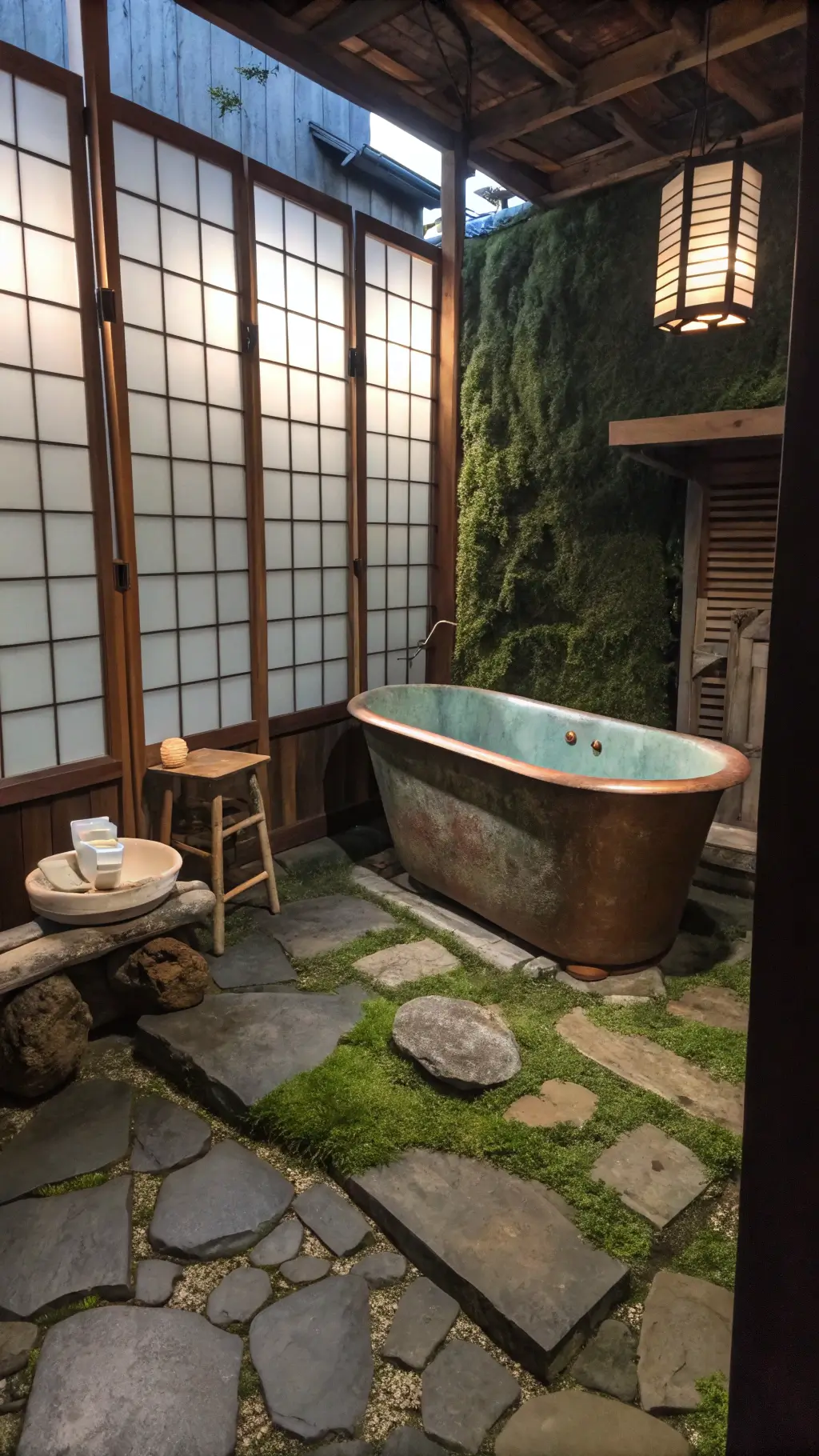
Position your bathtub like a sacred altar. Ideally near a window where natural light dances across imperfect surfaces.
Minimalist Fixtures
- Simple ceramic sinks
- Matte black or brushed bronze faucets
- Open shower concepts
- Soft, diffused lighting

✎ Steal This Look
- Paint Color: Farrow & Ball Elephant’s Breath No.229 for warm stone grey walls with Farrow & Ball Pointing No.2003 for soft white trim accents
- Furniture: weathered teak floating vanity with rough-hewn stone vessel sink and organic curved mirror
- Lighting: soft pendant lighting with woven natural fiber shades and dimmable warm LED bulbs
- Materials: handmade ceramic tiles, rough stone surfaces, weathered timber accents, and natural linen window treatments
Creating a wabi-sabi bathroom means celebrating the beauty in weathered wood grain and hand-thrown ceramic imperfections. This philosophy transforms your daily routine into a mindful retreat where natural materials tell their own stories.
Your Wabi-Sabi Transformation Roadmap
- Declutter Ruthlessly: Every item must earn its place
- Choose Handcrafted Over Mass-Produced
- Embrace Asymmetry
- Welcome Natural Light
- Select Materials That Age Gracefully
🌟 Steal This Look
- Paint Color: Behr Wheat Bread S210-2 for warm, natural bathroom walls that embody wabi-sabi’s organic aesthetic
- Furniture: reclaimed wood floating vanity with visible grain and natural imperfections
- Lighting: natural woven pendant light with warm Edison bulb
- Materials: rough-hewn wood, natural stone, aged brass fixtures, linen textiles
Creating a wabi-sabi bathroom isn’t about buying new—it’s about curating what already speaks to your soul. This mindful approach transforms your daily routine into a moment of zen appreciation.
Pro Tips for Authentic Wabi-Sabi Magic
Warning: Avoid these rookie mistakes:
- Don’t chase perfection
- Never over-design
- Resist matching everything
- Allow natural wear and tear
Budget-Friendly Wabi-Sabi Hacks
- Thrift store ceramic pieces
- DIY textured wall treatments
- Secondhand wooden furniture
- Local artisan-made accessories
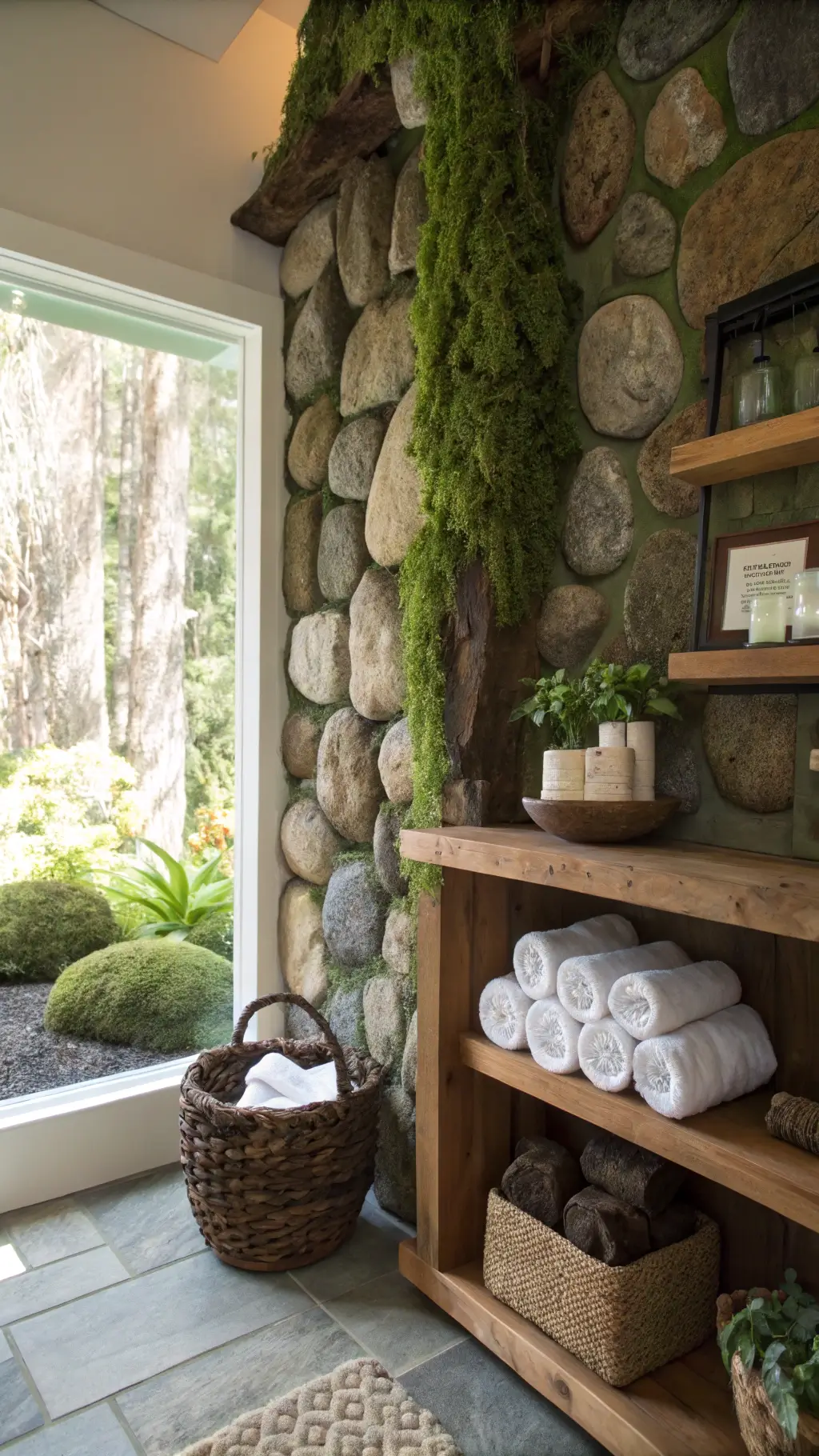
🎨 Steal This Look
- Paint Color: Valspar Weathered Stone 6003-2A for textured accent walls with natural imperfections
- Furniture: reclaimed teak vanity with visible wood grain and natural edge imperfections
- Lighting: handcrafted ceramic pendant with irregular glazing and warm Edison bulb
- Materials: rough-hewn travertine, weathered bamboo, unpolished concrete, natural linen textures
There’s something deeply calming about a bathroom that doesn’t try too hard, where every weathered surface tells a story. This philosophy transforms your daily routine into a mindful retreat.
The Deeper Meaning
A wabi-sabi bathroom isn’t just a design choice. It’s a meditation space. A sanctuary that whispers, “You are perfectly imperfect, just like this room.”
Remember: True beauty lies not in flawlessness, but in authentic, lived experiences.
Are you ready to transform your bathroom from a sterile box into a soul-nourishing retreat? Wabi-sabi is calling.
Final Thoughts
A wabi sabi bathroom works when the surfaces stay unfinished and the light stays soft. A raw concrete sink and one wood stool keep it calm.