Basement Playroom Ideas: Creating the Ultimate Kid’s Paradise
We set the basement playroom with a soft floor and open bins, and the kids actually used it. Basement playroom ideas work when the storage stays low and the mess stays contained.

Why change Your Basement into a Playroom?
Every parent dreams of a space that:
- Keeps toys contained
- Provides safe play areas
- Encourages creativity
- Supports child development
- Gives adults some much-needed peace
Designing Your Dream Basement Playroom
1. Safety First: The Foundation of Fun
Critical Safety Checklist:
- Non-slip flooring
- Rounded furniture edges
- Secured shelving
- Adequate lighting
- Moisture-resistant materials
2. Zones: The Secret to Organized Chaos
Create Distinct Play Areas:
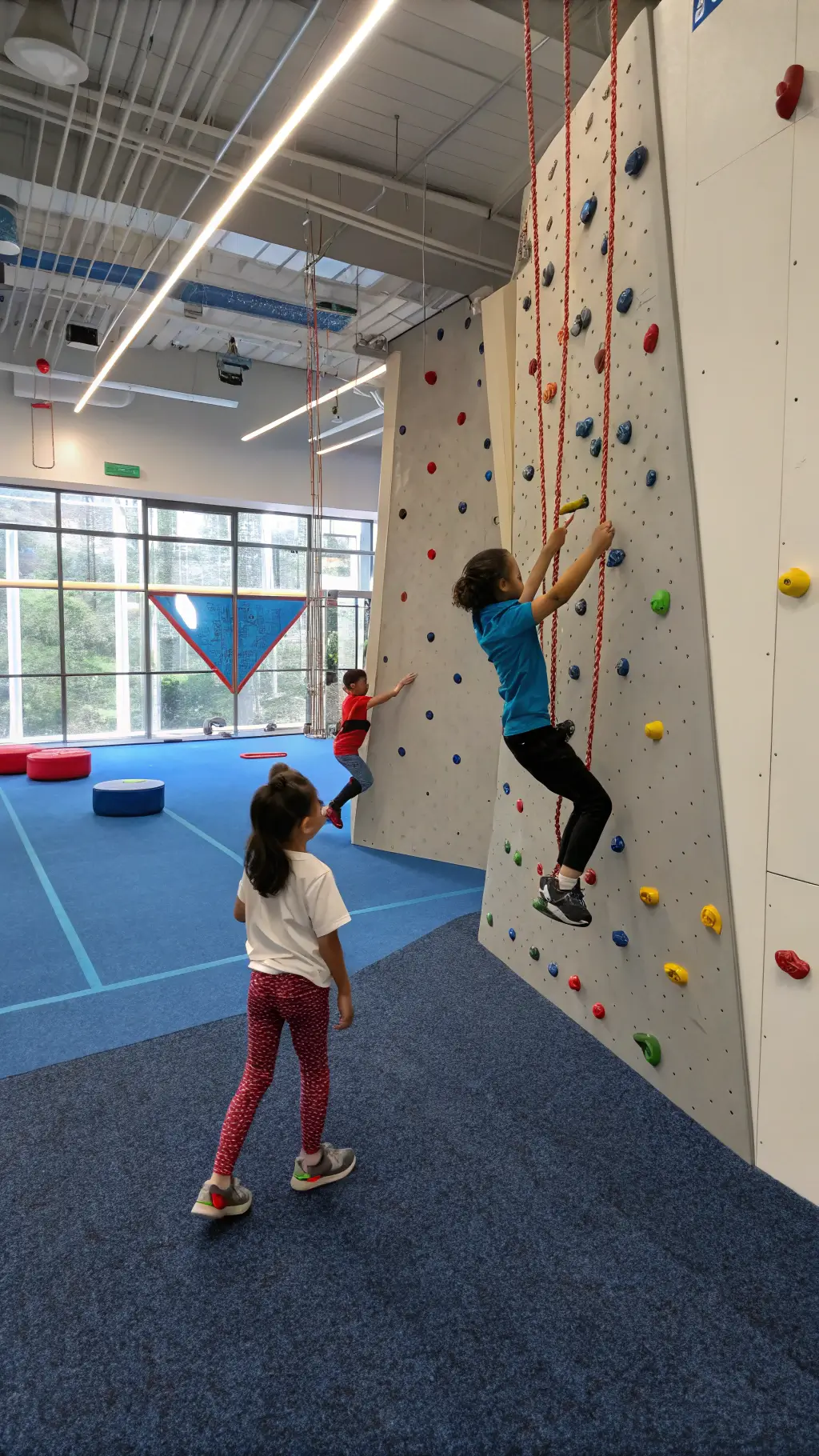
- Active Zone: Climbing wall, mini gym
- Creative Corner: Art station, craft table
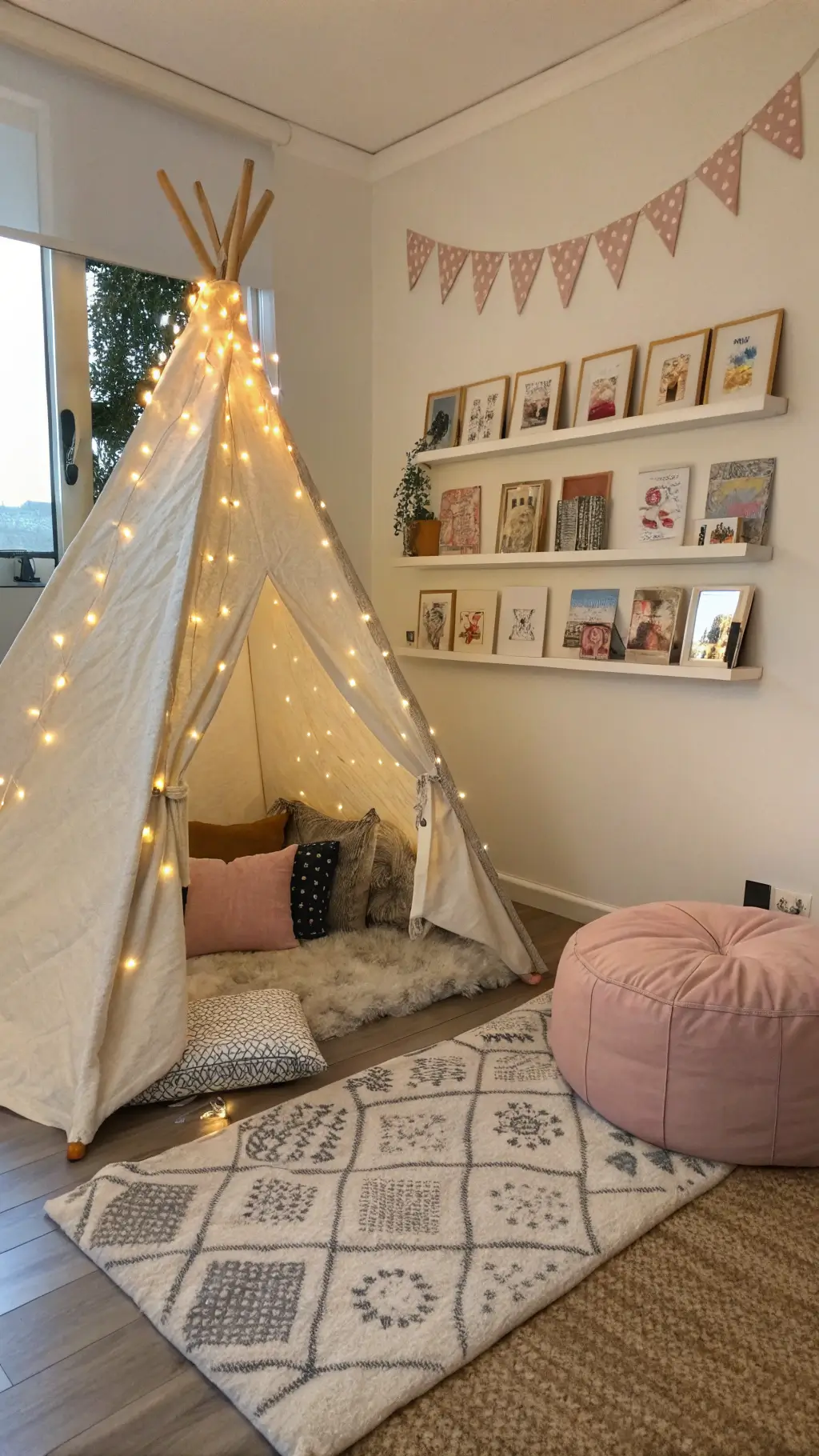
- Quiet Nook: Reading area, soft cushions
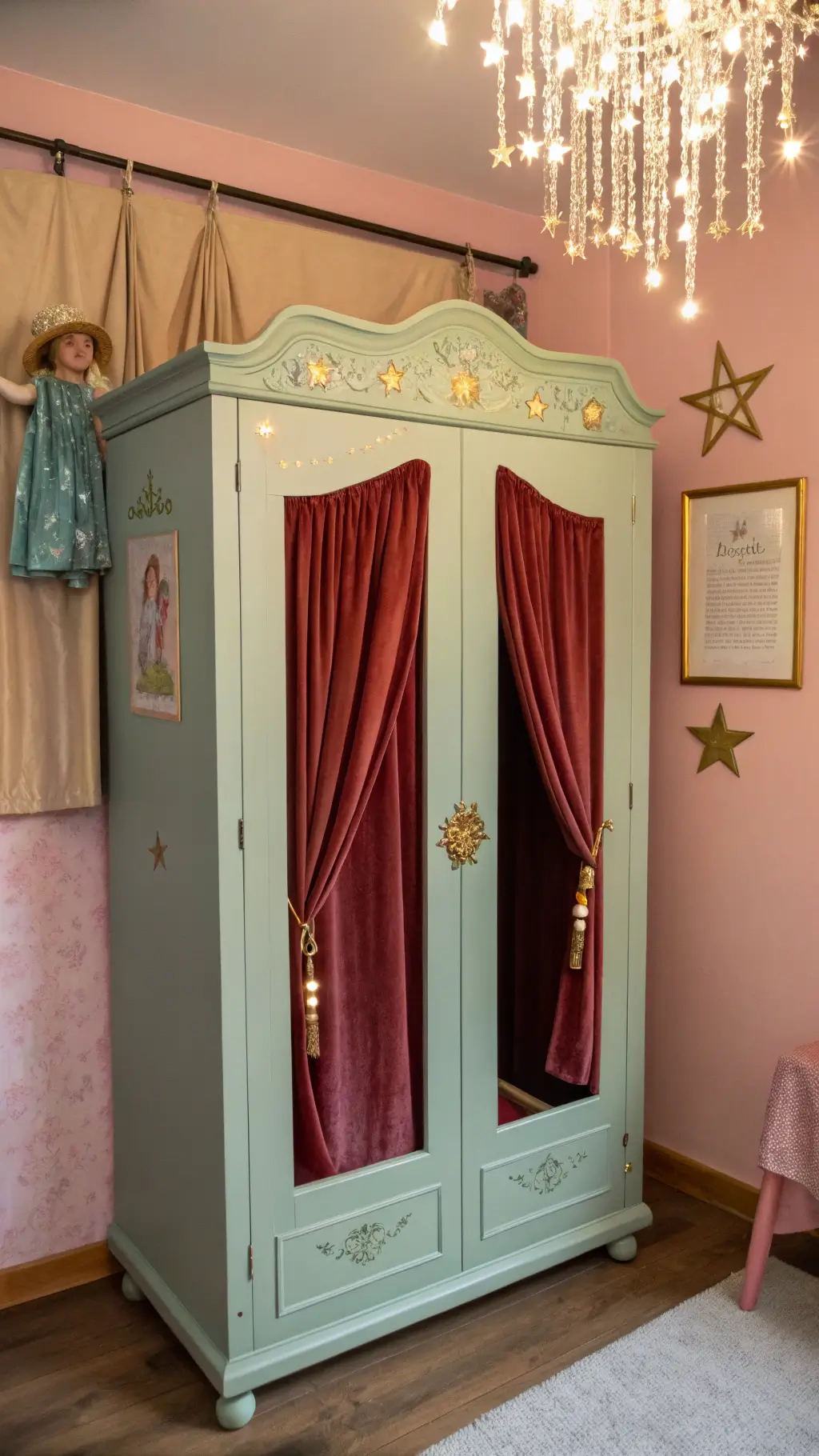
- Imaginative Space: Dress-up corner, puppet theater

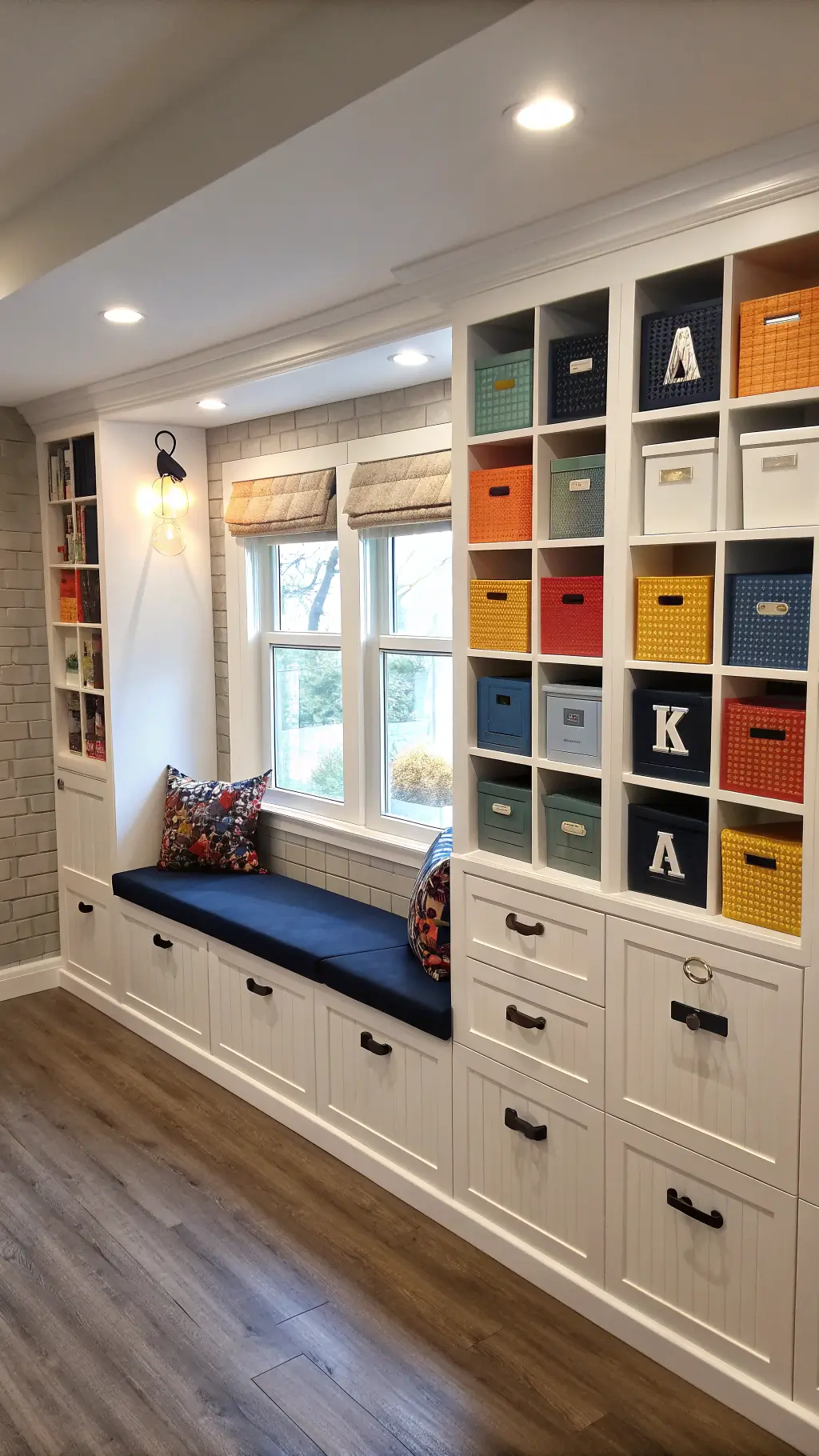
3. Storage Solutions That Work
Smart Storage Strategies:
- Low-height shelves for easy kid access
- Clear labeled bins
- Vertical storage systems
- Hidden storage under platforms
- Wall-mounted organizers
4. Flooring and Surface Considerations
Best Basement Playroom Flooring Options:
- Foam interlocking mats
- Rubber flooring
- Low-pile carpets
- Vinyl with cushioned underlayment
5. Lighting Magic
Illumination Tips:
- Overhead LED panels
- Dimmable recessed lights
- Playful string lights
- Battery-operated puck lights for dark corners
6. Budget-Friendly Design Hacks
Cost-Effective changeation Ideas:
- Repurpose existing furniture
- DIY wall decals
- Thrift store finds
- Multipurpose furniture
- Modular storage systems
7. Technology and Interactive Elements
Modern Playroom Additions:
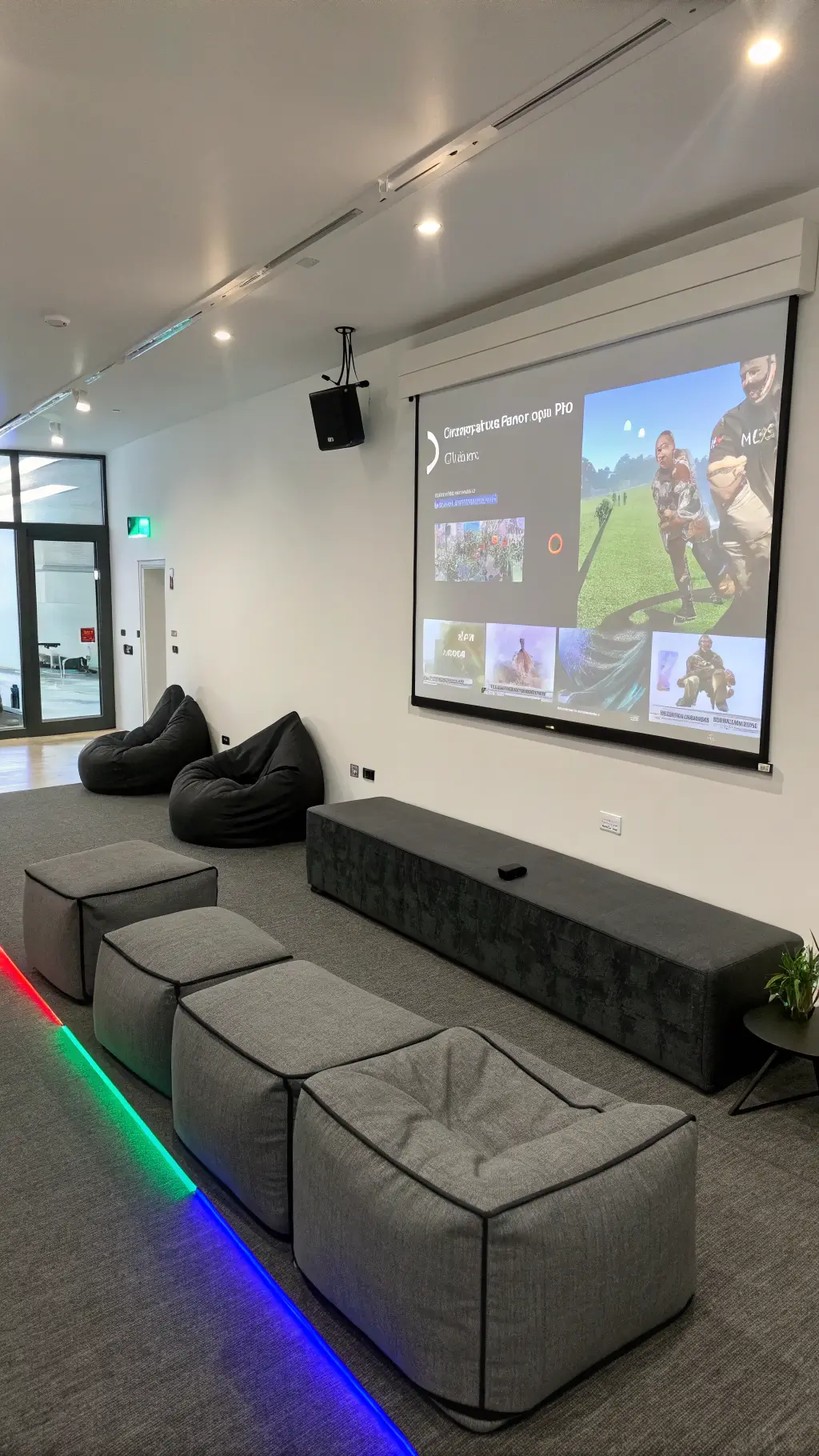
- Interactive projector walls
- Gaming zones
- Educational technology stations
- Bluetooth speakers
- Charging stations for devices
8. Theme Inspiration
Popular Playroom Themes:
- Jungle Adventure
- Space Exploration
- Fairy Tale Forest
- Superhero Headquarters
- Under the Sea
Pro Tips from Parents Who’ve Been There
- Start with a flexible design
- Choose washable, durable materials
- Plan for growth and changing interests
- Involve kids in design decisions
- Regular decluttering is key
Maintenance and Upkeep
Keeping Your Playroom Fresh:
- Monthly deep clean
- Rotate toys to maintain interest
- Regular safety checks
- Adapt space as children grow
Cost Considerations
Keep the surfaces wipeable, the storage open so they can help, and the lighting bright enough to read by. The room works when it survives a Tuesday afternoon and still looks fine for guests.
- Basic changeation: $500-$2,000
- Mid-range design: $2,000-$5,000
- Premium playroom: $5,000-$15,000
Final Thoughts
A basement playroom isn’t just a room—it’s an investment in your children’s development, family bonding, and home organization.
Basement playroom ideas work when the storage stays low and the mess stays contained. A soft floor and open bins keep the kids using it.