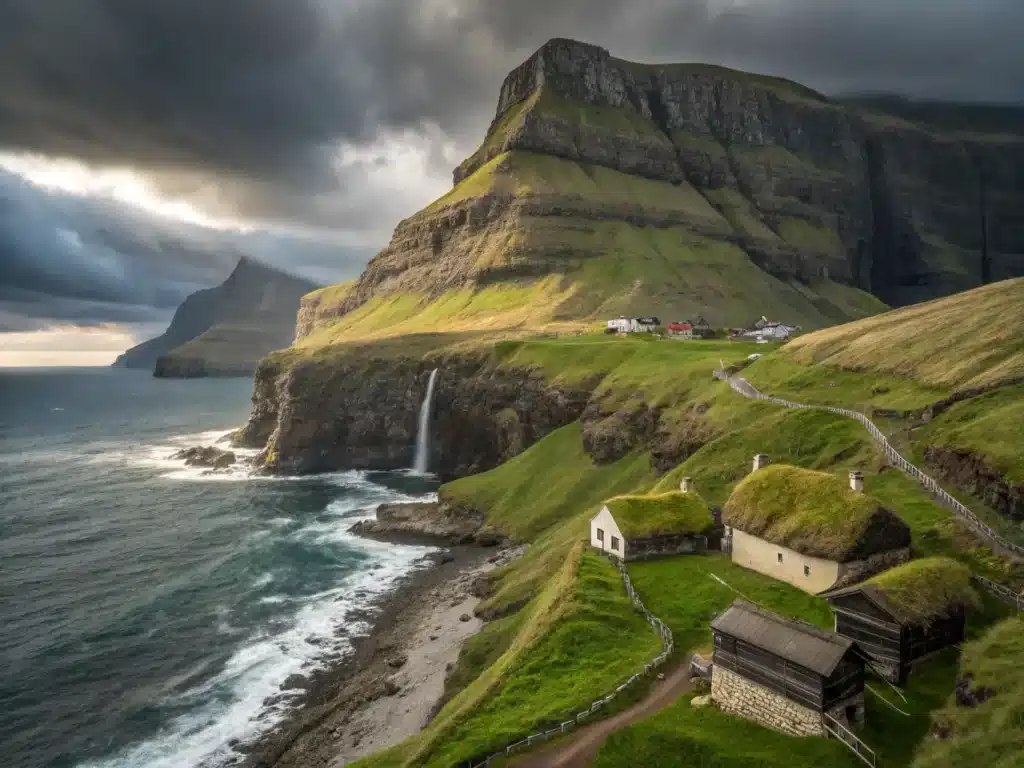
Have you ever dreamed of exploring a landscape where volcanic drama meets subtropical serenity? Jeju Island isn’t just another travel destination—it’s nature’s ultimate playground.
I’ll cut straight to the chase: this South Korean island is a geological masterpiece that’ll make your Instagram followers green with envy. Sitting majestically 100 kilometers off Korea’s southern coast, Jeju spans 1,848.6 square kilometers of pure natural wonder.
The Volcanic Marvel That Changed Everything
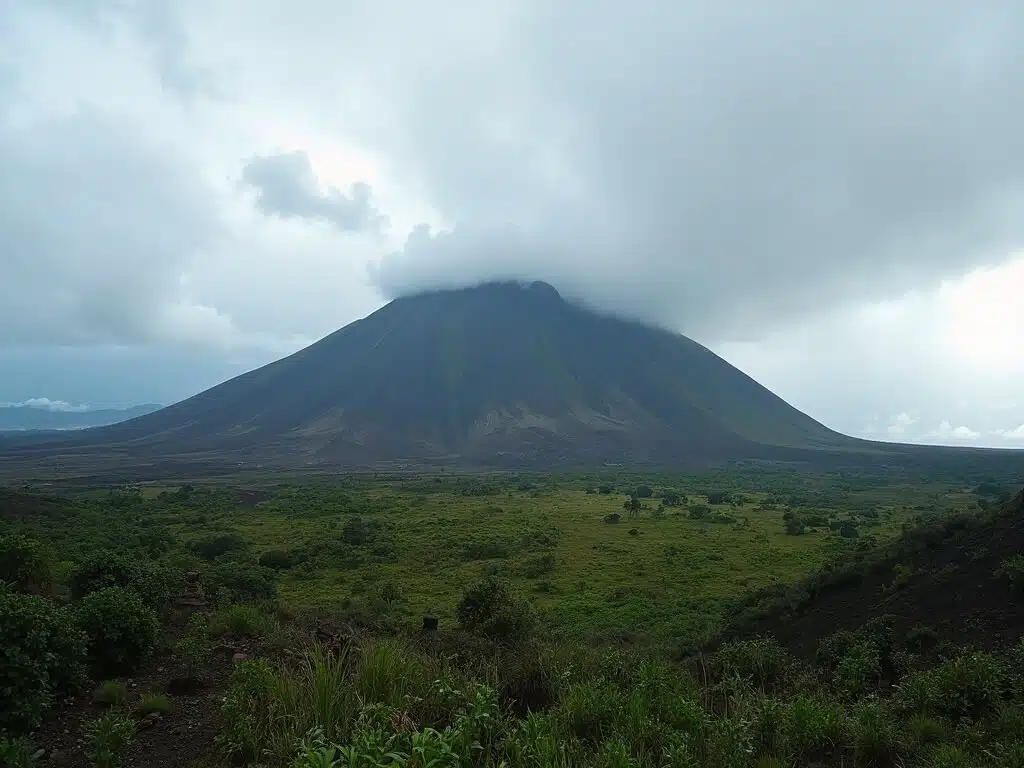
Hallasan volcano didn’t just create an island—it sculpted an entire ecosystem. Imagine a massive shield volcano rising from stationary continental crust, crafting landscapes so extraordinary UNESCO declared the entire region a World Heritage site.
What makes Jeju unique? Three words: Dramatic. Volcanic. Terrain.
Lava Tubes: Nature’s Underground Cathedrals
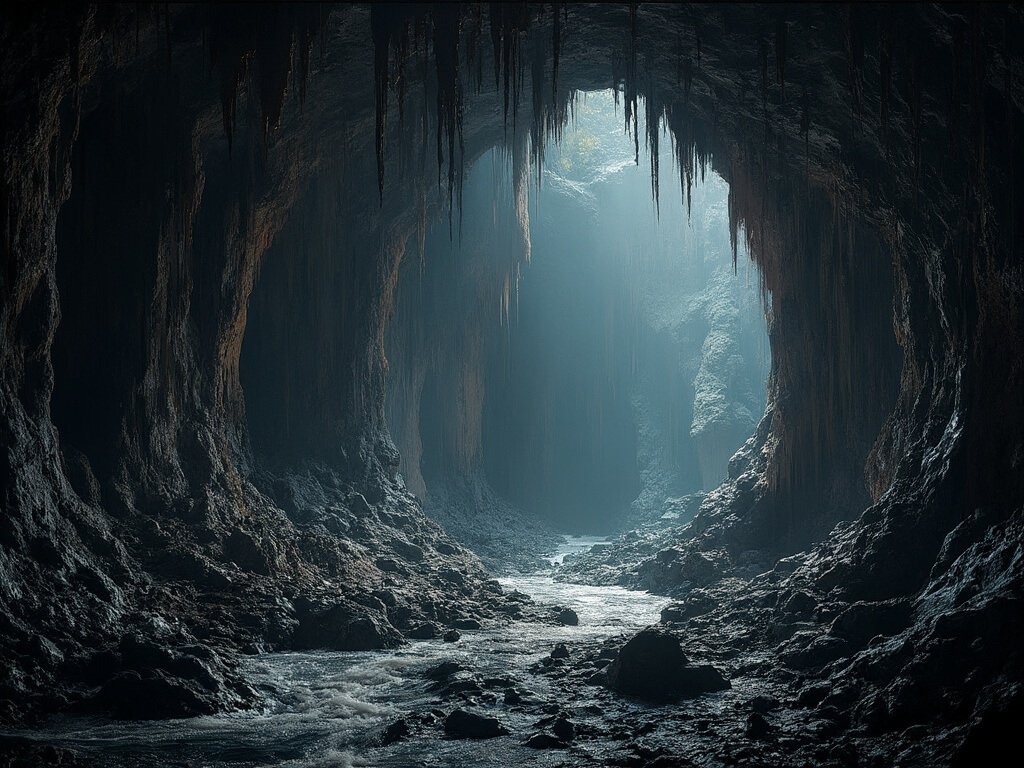
The Geomunoreum Lava Tube system isn’t just impressive—it’s the world’s most diverse underground network. Picture this: multicolored carbonate formations, massive lava columns, and a jaw-dropping 8-meter high lava column that looks like something from another planet.
My first trek into Manjanggul Cave felt like entering an alien world. Dimly lit educational panels revealed volcanic processes spanning 200,000 years. Each step echoed with geological history.
Waterfall Wonderland
Jeju’s waterfalls aren’t just water dropping from height—they’re symphonies of motion and beauty:
• Cheonjeyeon Falls:
A three-tiered “Pond of Heaven” with deep blue pools
• Cheonjiyeon Falls:
Where “heaven meets earth” in pure tranquility
• Jeongbang Falls:
The only Korean waterfall cascading directly into the ocean
Tangerine Dreams and Agricultural Magic
Subtropical climate? Check. Perfect citrus farming conditions? Absolutely.
Jeju’s tangerine farms aren’t just agricultural spaces—they’re living, breathing cultural experiences. Introduced in the early 20th century, these citrus orchards have become the island’s edible ambassadors. Visitors can pick, taste, and immerse themselves in generations of farming tradition.
Pro tip: Winter is gifting season. A Jeju tangerine isn’t just a fruit—it’s a symbol of hospitality.
Coastlines That Defy Imagination
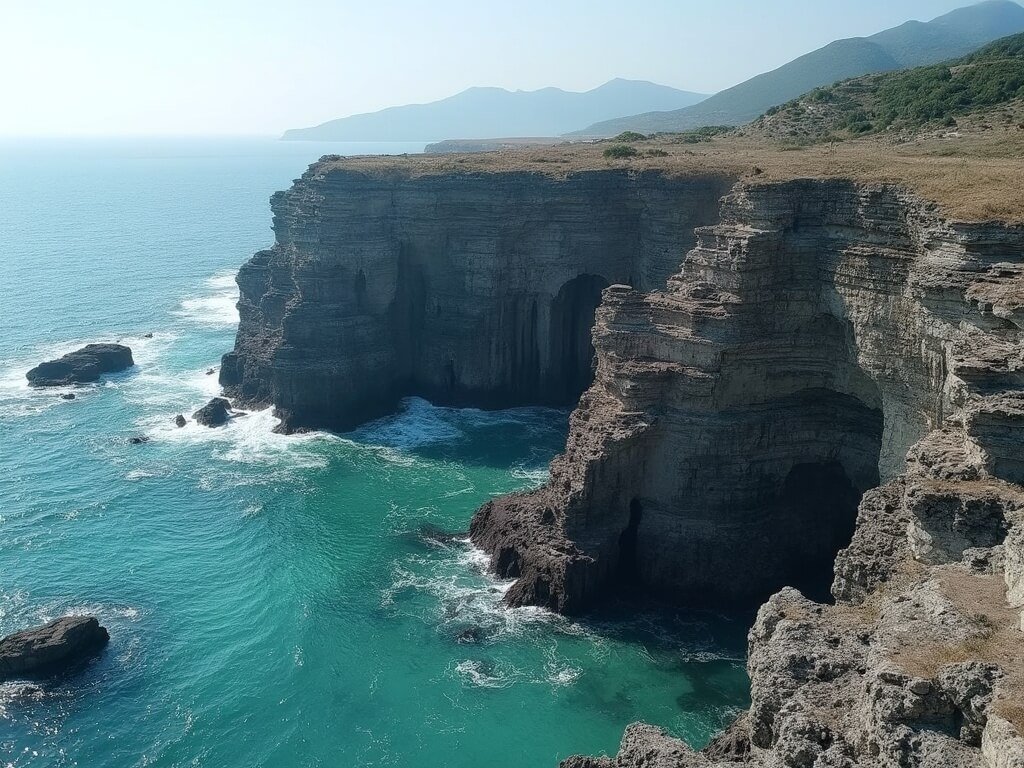
Volcanic cliffs. Black lava rocks. Basalt columns rising from turquoise waters.
Spots like Jusangjeolli Cliff look so perfectly geometric you’ll question whether nature or an architect designed them. Beaches like Gwakji offer that Instagram-perfect contrast of black volcanic rock against pristine white sand.
And let’s talk about the Haenyeo divers—female free divers who’ve been harvesting seafood for centuries. UNESCO recognized them as Intangible Cultural Heritage. These women aren’t just divers; they’re living legends.
The landscape whispers stories of geological transformation, cultural resilience, and natural beauty that’ll leave you breathless. Each volcanic rock, each tangerine grove, each crashing wave tells a story older than human memory.
Want to explore more unforgettable destinations? Check out our guides to Orlando, Florida and Washington, D.C. for more epic travel inspiration.
Want to know how this volcanic wonderland continues to evolve and surprise? The geological drama is just getting started.
Cultural Crossroads: Where Tradition Meets Volcanic Innovation
Ever wondered what happens when ancient traditions collide with natural wonders? Jeju’s cultural landscape is that magical intersection.
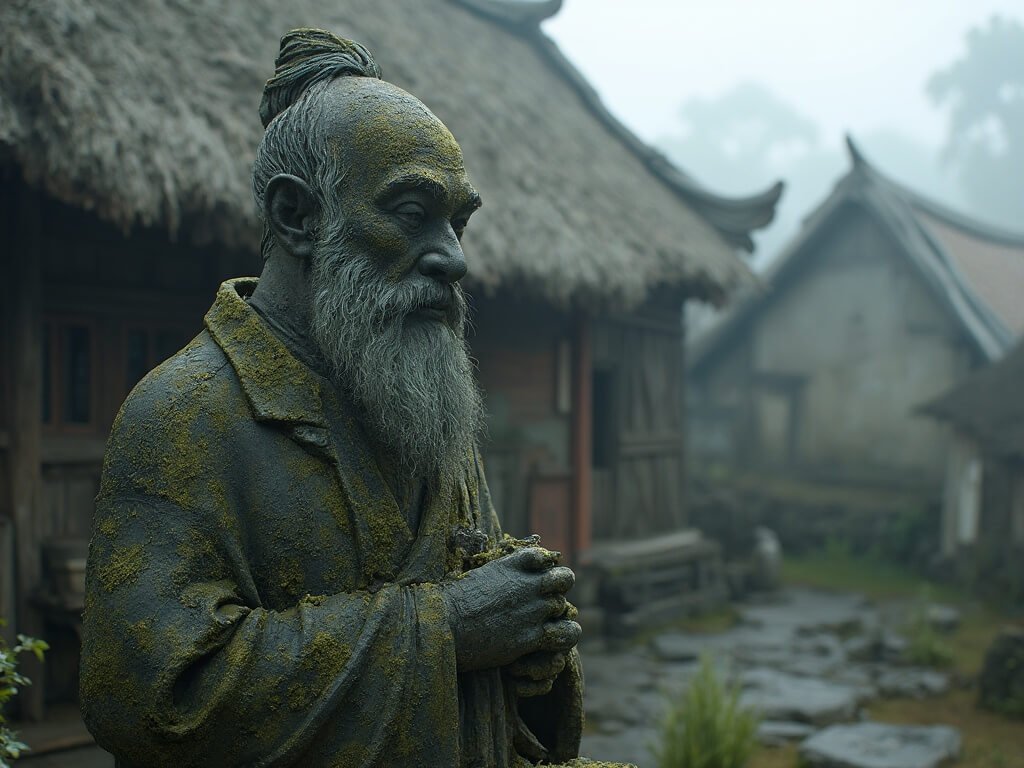
The Seongeup Folk Village isn’t a museum—it’s a living, breathing time capsule. Traditional thatched-roof homes stand as silent witnesses to generations of island life. Stone grandfather statues (Dol hareubang) guard the village, their stoic volcanic stone faces telling stories older than written history.
The Stone Guardians: More Than Just Sculptures
Those iconic stone statues aren’t mere decorations. They’re cultural sentinels representing protection, fertility, and spiritual connection to the landscape. Each carved figure is a testament to Jeju’s deep-rooted relationship with its volcanic origins.
Walking the Olle: Nature’s Highway
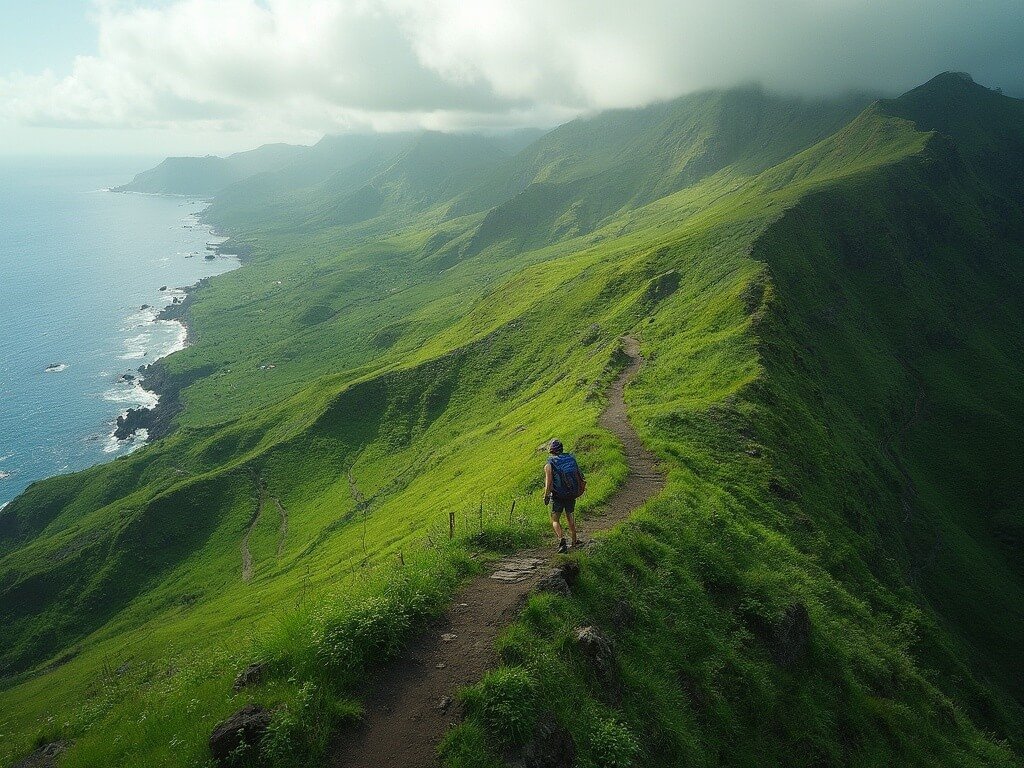
Imagine 26 interconnected walking trails that wrap around the entire island like a geographical embrace. The Olle Trails aren’t just hiking paths—they’re storytelling routes that connect travelers directly with Jeju’s soul.
My most memorable Olle experience involved:
- Unexpected coastal views
- Encounters with local farmers
- Hidden volcanic viewpoints
- Spontaneous conversations with island residents
Marine Mysteries: The Haenyeo Legacy
Remember those incredible female divers I mentioned? Let’s dive deeper.
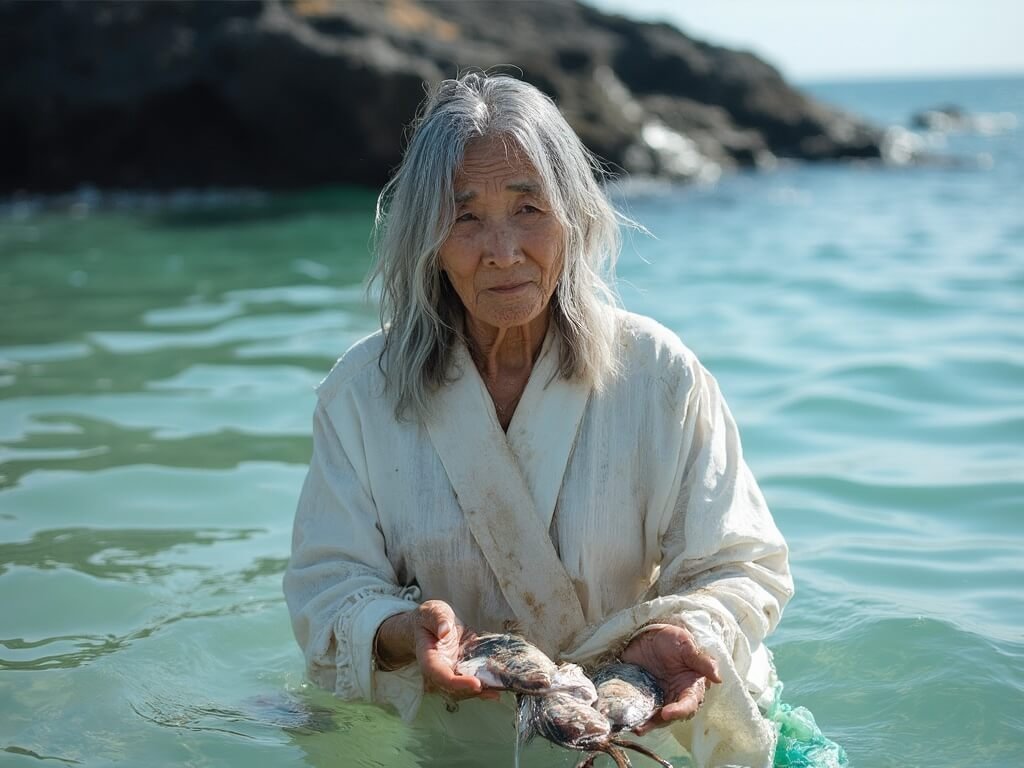
The Haenyeo represent more than a profession—they’re living cultural heritage. These women free dive without oxygen tanks, harvesting seafood using techniques passed down through generations. Some are now in their 70s and 80s, continuing a tradition that’s survived centuries of cultural transformation.
Eco-Tourism: The Future is Sustainable
Jeju isn’t just preserving its landscape—it’s reimagining tourism’s entire approach.
Organic farms are transforming agricultural experiences. The Osulloc Tea Garden isn’t just a plantation—it’s an immersive journey into sustainable agriculture. Visitors can:
- Learn tea production techniques
- Understand ecological farming
- Taste locally grown, minimally processed products
Seasonal Magic: When Nature Performs
Each season transforms Jeju into a different universe:
- Spring: Rapeseed fields bloom in electric yellow
- Summer: Crystal-clear waters invite marine exploration
- Autumn: Hallasan Mountain offers breathtaking color transitions
- Winter: Tangerine harvests and quiet, reflective landscapes
Conservation Meets Innovation
The island isn’t just preserving its natural heritage—it’s actively researching and protecting it.
The Jeju World Natural Heritage Center serves as a cutting-edge research and educational hub. Scientists continuously monitor volcanic activities, marine ecosystems, and biodiversity, ensuring the island remains a living laboratory of geological wonder. Learn more from the official Jeju Volcanic Island and Lava Tubes UNESCO World Heritage Site.
Your Volcanic Adventure Awaits
Jeju isn’t a destination. It’s an experience that rewrites your understanding of natural beauty, cultural resilience, and ecological harmony.
Whether you’re a geology enthusiast, cultural explorer, or nature lover, this volcanic island promises an adventure that transcends typical travel experiences.
Your journey through Jeju’s lava tubes, tangerine groves, and dramatic coastlines isn’t just a trip—it’s a transformation.
Ready to walk where volcanoes breathe and traditions dance? Jeju Island is calling.
Related Inspirations
Explore more island-inspired living and cultural design through:
- Tropical landscape design
- Tropical backyard
- Backyard guest house
- Coastal bathroom
- Mediterranean style homes