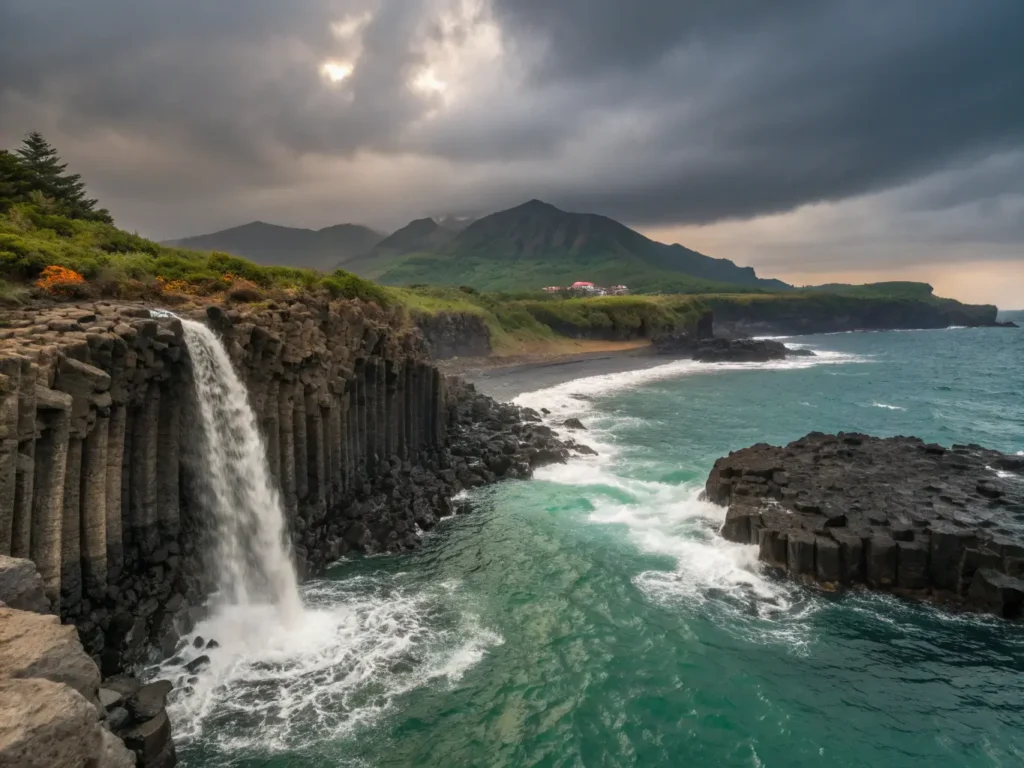
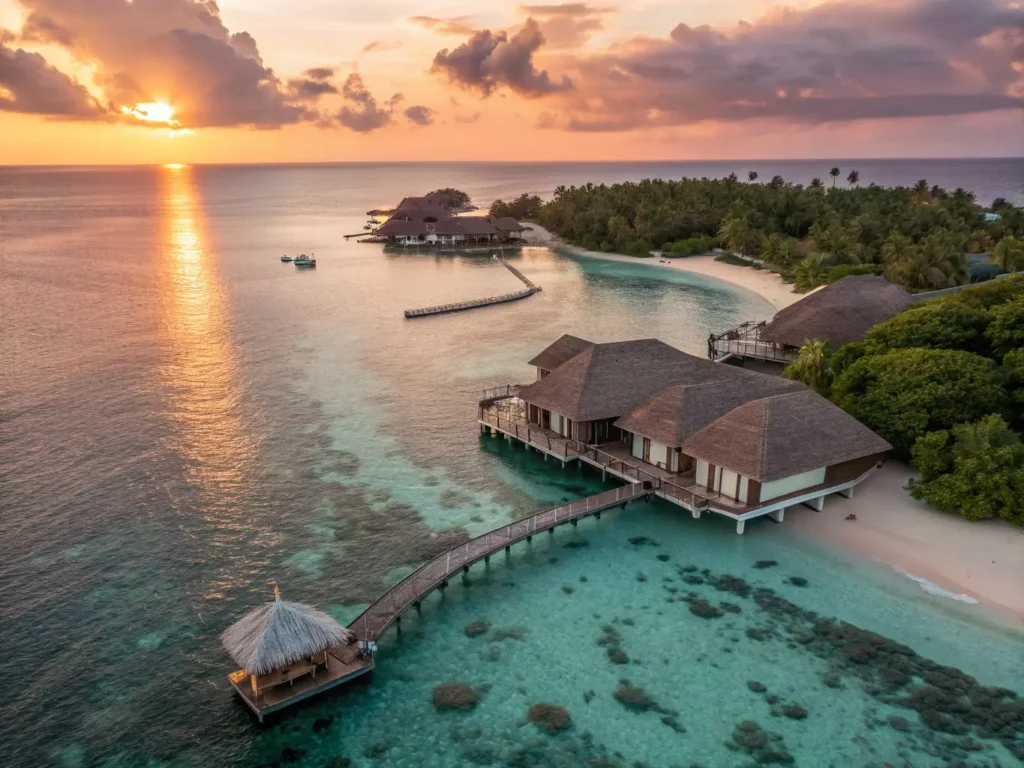
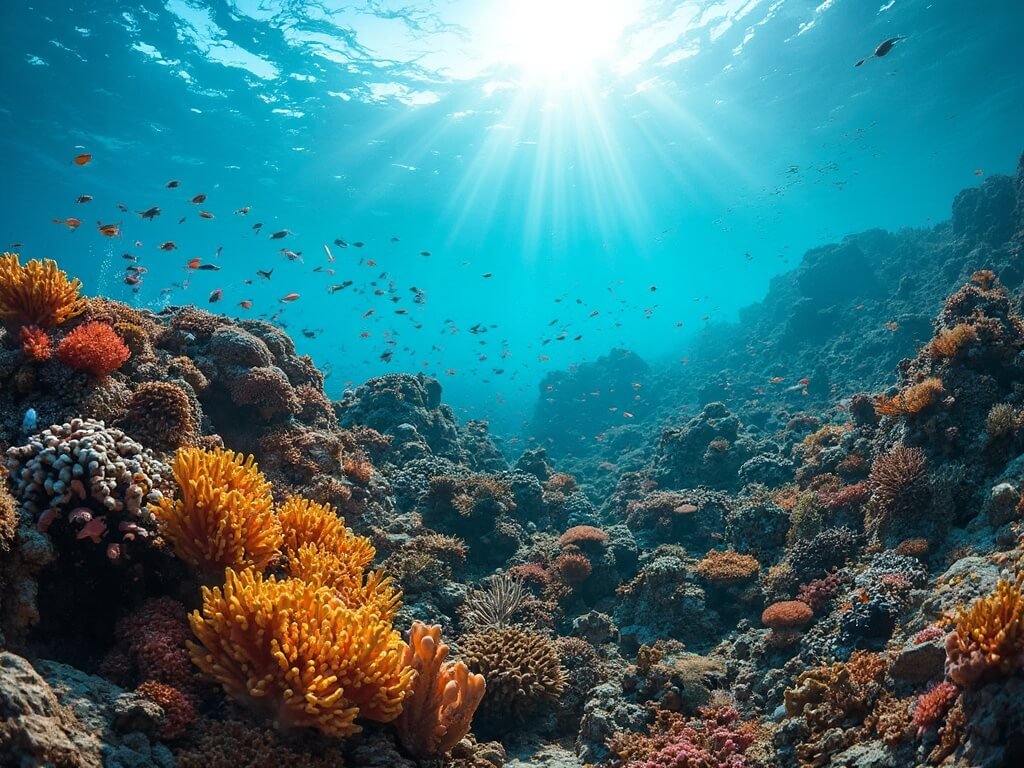
We snorkeled Raja Ampat and the number of fish on one reef was more than we expected. The region stays worth the trip for snorkeling that few places can match.
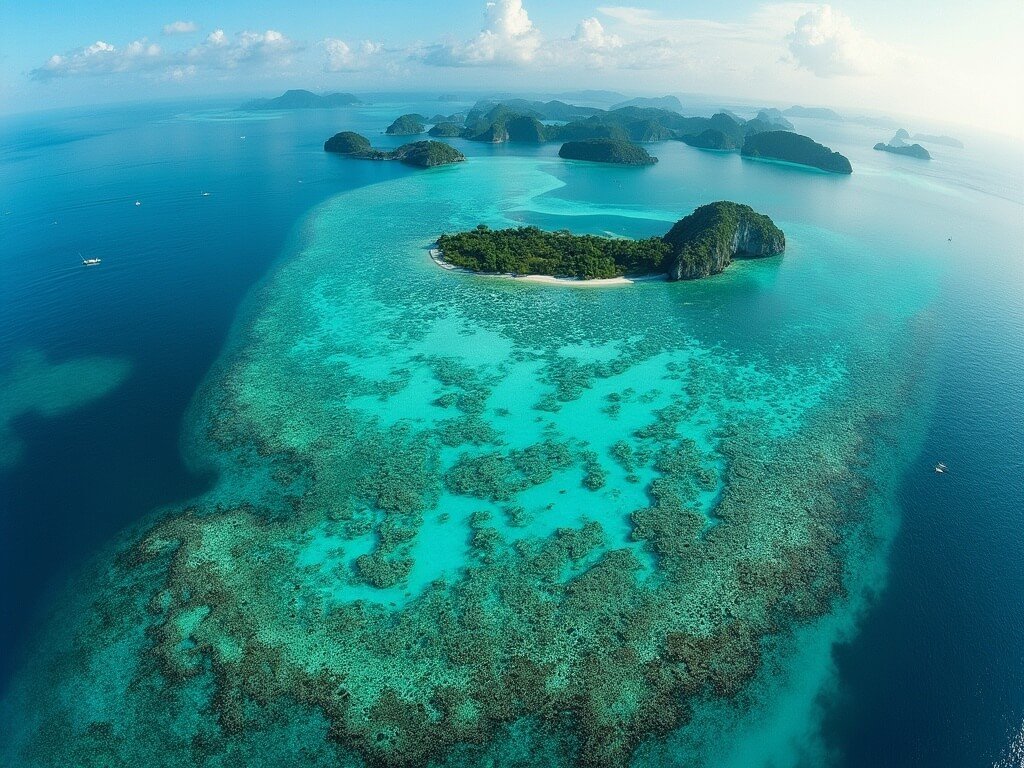
Welcome to Raja Ampat, Indonesia’s hidden marine paradise that’s nothing short of a biological wonderland. Tucked away in West Papua province, this archipelago of 1,500 islands isn’t just another tropical destination – it’s the global epicenter of marine biodiversity that’ll make your jaw drop.
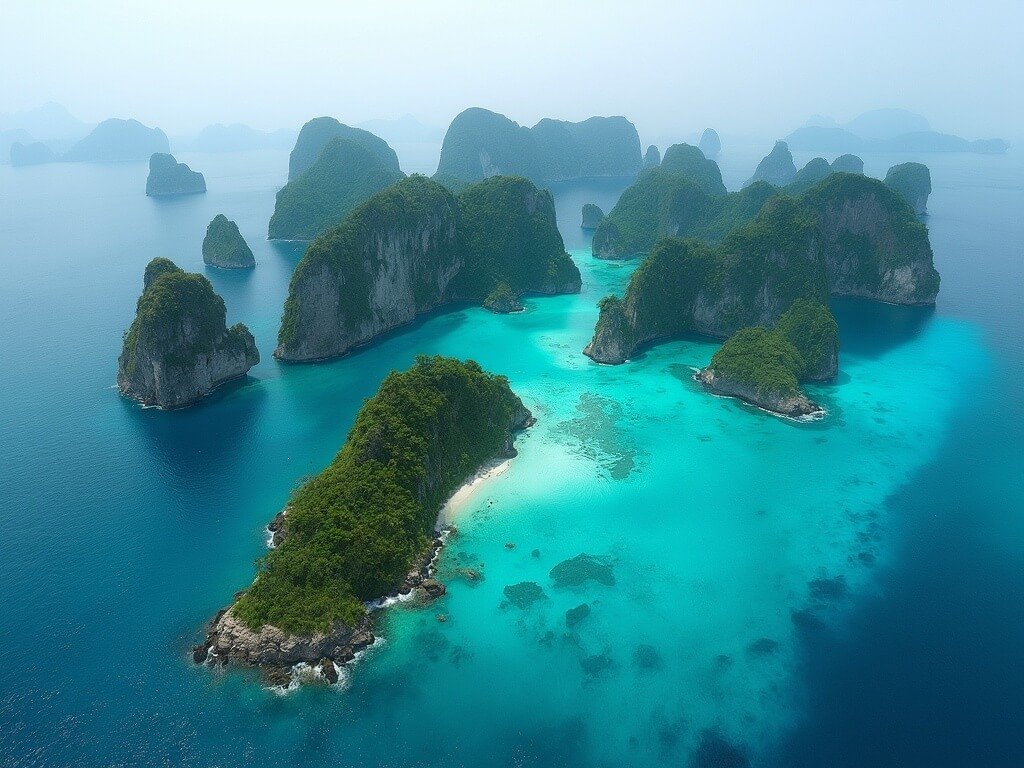
The Coral Triangle’s Crown Jewel
Imagine an underwater world so rich and diverse that scientists call it a “species factory“. That’s Raja Ampat for you. Covering approximately 4.5 million hectares of protected marine habitat, this region is like nature’s ultimate aquarium – but infinitely more complex and breathtaking.
I remember my first dive here. The moment I slipped beneath the crystal-clear waters, it was like entering an alien landscape. Schools of fish so dense they blocked sunlight, coral formations more intricate than any architectural marvel, and marine life so bizarre it seemed straight out of a science fiction novel.
Unbelievable Marine Biodiversity: By the Numbers
Let’s talk statistics that’ll blow your mind:
- 550-600 coral species (75% of the world’s known corals)
- Over 1,500 recorded fish species
- 700+ mollusk species
- 30 marine mammal species
- 6 out of 7 global marine turtle species
This isn’t just diversity – it’s marine biodiversity on steroids.
A Snorkeler’s Ultimate Playground
Raja Ampat isn’t just for hardcore marine biologists. Whether you’re a beginner or a seasoned underwater explorer, these waters offer something extraordinary. Iconic spots like Cape Kri and Blue Magic provide direct access to vibrant reefs right from most accommodations.
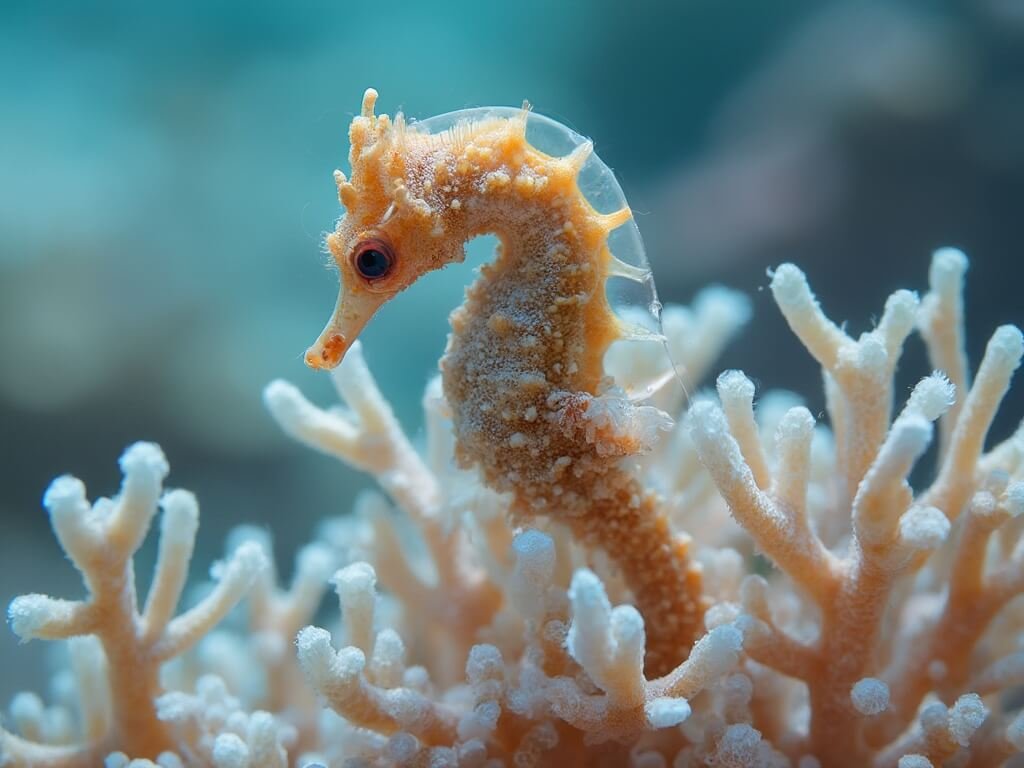
Imagine floating above swirling shark nurseries, watching manta rays glide through cleaning stations, or spotting a tiny pygmy seahorse camouflaged among coral branches. Each dive is a treasure hunt, with new discoveries waiting around every coral formation.
Not Just Beautiful, But Critically Important
But Raja Ampat is more than a pretty face. It’s a crucial ecosystem facing significant challenges. Climate change, unregulated fishing, and marine pollution threaten this delicate paradise. Local and international conservation efforts are working tirelessly to protect these waters, transforming Raja Ampat into a global model of marine preservation.
Who Can Explore This Underwater Eden?
The beauty of Raja Ampat? It welcomes everyone:
- Experienced divers seeking rare macro life
- Families wanting safe, educational marine experiences
- Beginners exploring sheltered lagoons
- Wildlife photographers chasing that perfect shot
Local guides ensure safe, enriching experiences that respect both marine life and local Papuan culture.
The best time to visit? October to April offers calm seas and optimal underwater visibility. Pro tip: Bring reef-safe sunscreen and be prepared for an adventure that’ll redefine your understanding of marine ecosystems.
As the sunlight filtered through the water that day, watching a school of Napoleon wrasse drift by, I realized Raja Ampat isn’t just a destination – it’s a living, breathing testament to our planet’s incredible marine complexity.
The deeper you look, the more mysteries you’ll uncover in these extraordinary waters.
More Ocean-Inspired Content?
Conservation: Saving Paradise Before It’s Too Late
Conservation isn’t just a buzzword in Raja Ampat – it’s a survival strategy.
During one research expedition, I witnessed firsthand the delicate balance between human activity and marine ecosystems. A local marine biologist showed me how even minor disturbances can trigger massive ecological chain reactions.
The threats are real and immediate:
- Unregulated fishing practices decimating fish populations
- Climate change causing coral bleaching
- Plastic pollution infiltrating pristine marine habitats
- Increasing maritime traffic disrupting sensitive ecosystems
The Guardians of the Reef
Fortunately, Raja Ampat isn’t sitting idle. A remarkable coalition of governmental, local, and international organizations has transformed marine protection into a sophisticated, multi-layered strategy.
Key conservation initiatives include:
- Establishing extensive marine protected areas
- Implementing strict visitor guidelines
- Supporting community-based sustainable tourism
- Funding continuous scientific research
- Creating economic alternatives for local fishing communities
Sustainable Tourism: Your Ticket to Making a Difference
Every traveler becomes a potential conservation ally in Raja Ampat.
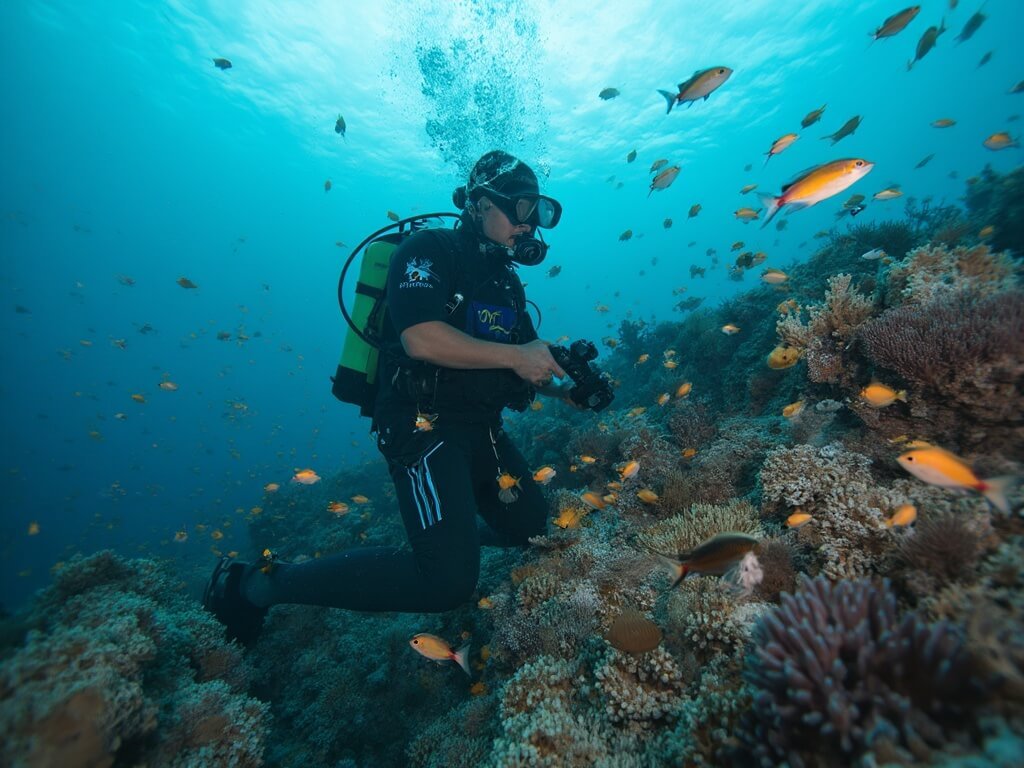
Eco-resorts here aren’t just accommodations – they’re active participants in marine preservation. Many employ local communities, fund research projects, and implement rigorous environmental standards that go far beyond typical green-washing practices.
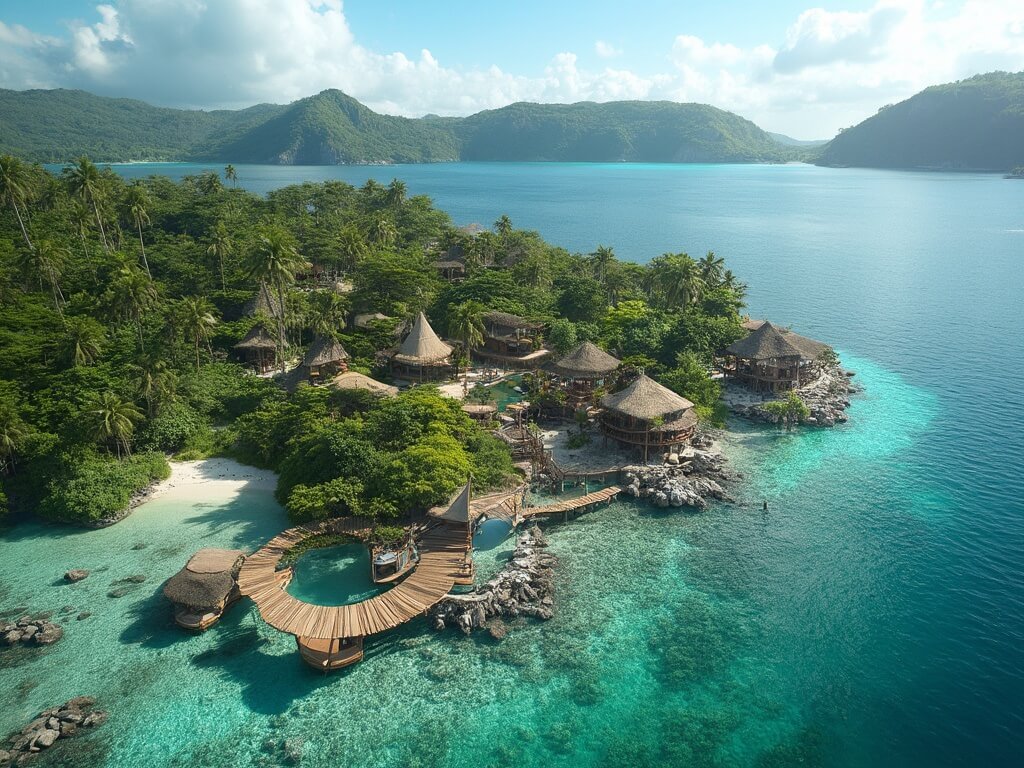
What Sustainable Visitation Looks Like
Want to explore responsibly? Here’s your traveler’s checklist:
- Use reef-safe sunscreen
- Follow no-touch marine interaction protocols
- Support locally owned businesses
- Participate in educational marine conservation programs
- Minimize plastic usage
- Respect local Papuan cultural traditions
The Economic Lifeline of Community Conservation
Local communities have discovered something profound: marine conservation isn’t just an environmental imperative – it’s an economic opportunity.
Ecotourism now provides more sustainable income than traditional fishing. Families that once relied solely on fishing now work as guides, boat operators, and resort staff, creating a powerful economic incentive for habitat protection.
Future Horizons: What’s Next for Raja Ampat?
The next decade will be critical. Climate change models suggest significant challenges, but Raja Ampat’s remarkable biodiversity offers hope.
Emerging research indicates these reefs might possess unique climate resilience. Certain coral species here demonstrate extraordinary adaptation capabilities, potentially offering global insights into marine ecosystem survival.
Your Personal Invitation to Action
Raja Ampat isn’t just a destination – it’s a global marine treasure that needs our collective protection.
Whether you’re a diver, scientist, traveler, or simply someone who loves our planet, you have a role to play. Every responsible choice matters.
By understanding, respecting, and supporting Raja Ampat’s delicate marine ecosystem, we’re not just preserving a beautiful destination. We’re protecting a critical piece of our planet’s biological heritage.
The next chapter of Raja Ampat’s story is waiting to be written – and you can be part of it.
Dive deep. Explore responsibly. Protect passionately.
Raja Ampat stays worth the trip for snorkeling that few places can match. Get in the water and the biodiversity is the point.