Ever wondered what it’s like to live inside an active volcano?
Nestled 358 kilometers south of Tokyo in the Philippine Sea, Aogashima Island isn’t just another dot on the map—it’s a geological marvel that challenges everything you thought you knew about human resilience.

A Volcanic Wonderland Unlike Anywhere Else
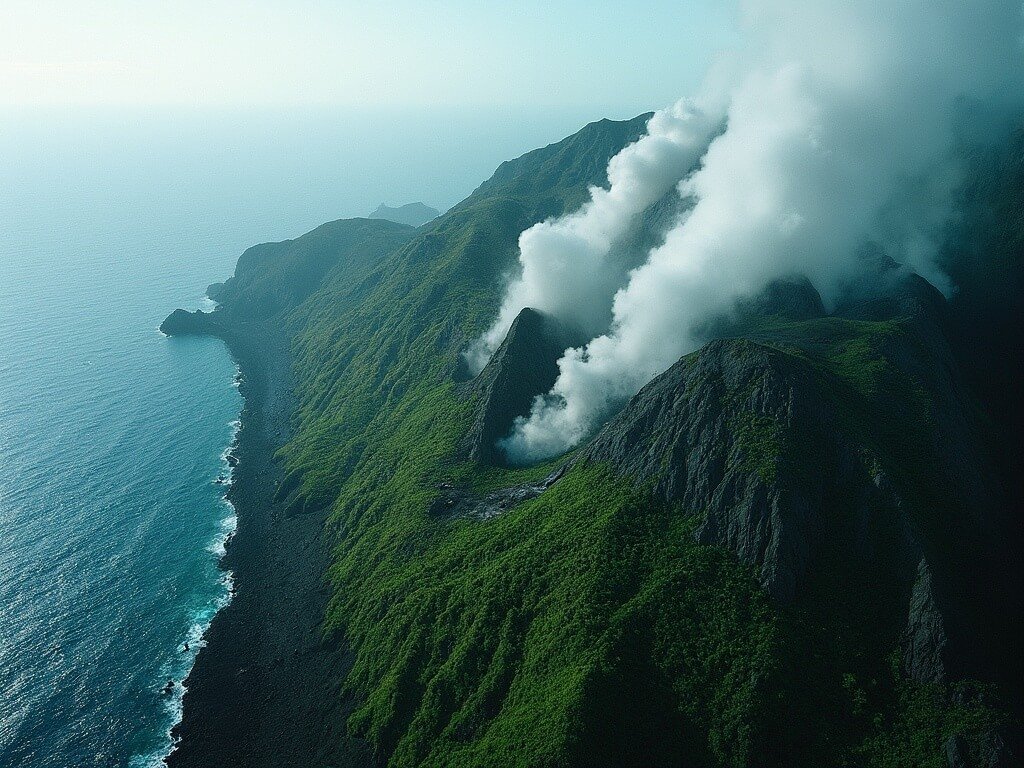
This tiny island, part of the Izu archipelago, is a geographical unicorn. Imagine a landscape so unique that it’s essentially a volcano within a volcano—a double caldera formed from four overlapping submarine volcanic structures.
At just 9 square kilometers, Aogashima packs more geological drama into its compact size than most entire countries. Its highest point, Otonbu, towers 432 meters above sea level, offering breathtaking views of a landscape that looks like it was sculpted by nature’s most imaginative artist.
The Impossible Village: Who Lives Here?
Population: ~170 souls.
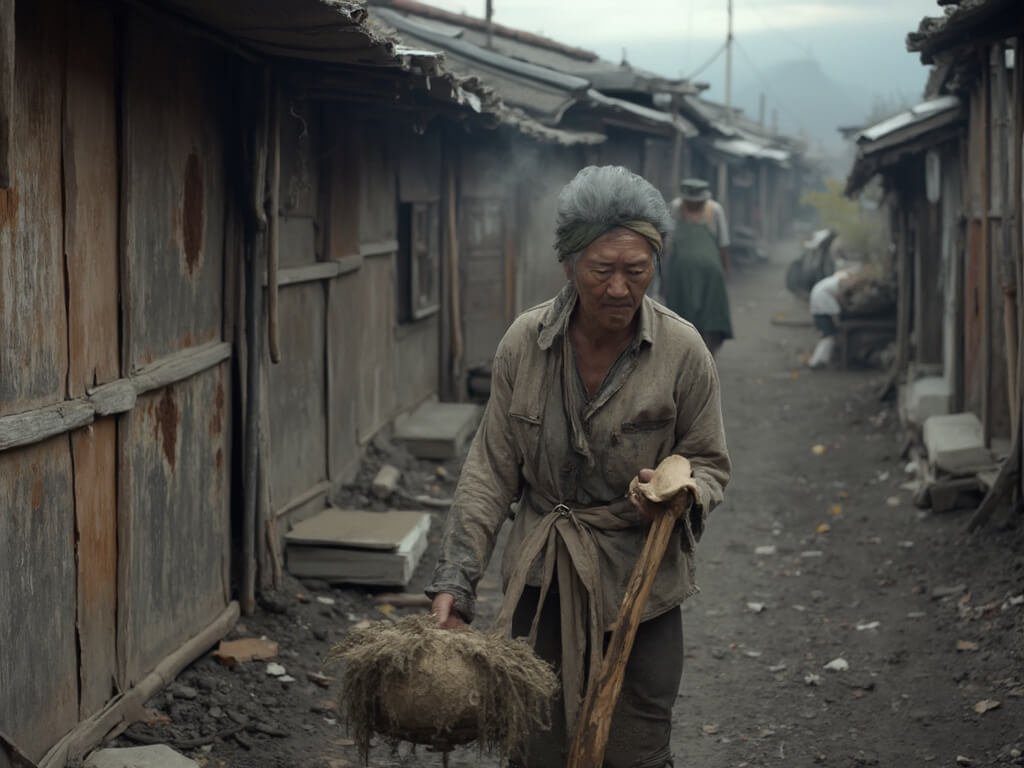
That’s right. This is Japan’s smallest village, perched precariously inside an active volcanic crater. Most people would run screaming. These residents? They’ve turned potential disaster into a way of life.
I remember chatting with a volcanologist who’d visited Aogashima. “It’s not just survival,” he told me. “It’s a profound connection with the earth that most of us can’t comprehend.”
Living on the Edge: Daily Life in a Volcanic Paradise
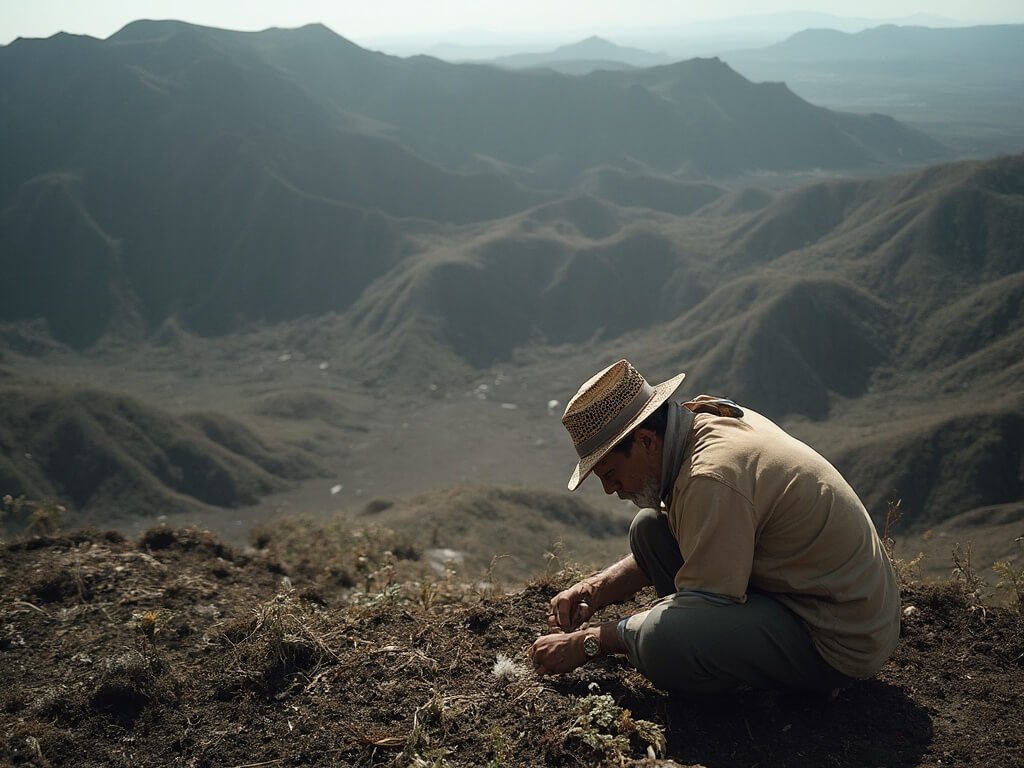
The residents here aren’t just surviving—they’re thriving. Their lifestyle is a masterclass in simplicity and community:
- Fishing and camellia farming sustain the local economy
- Geothermal heat provides natural saunas and cooking resources
- Community bonds are tight, born from shared isolation
Their roads wind like serpents through the crater, with few vehicles breaking the pristine silence. Electricity? Powered by the very volcano they call home.
A Volcanic History That’ll Make Your Jaw Drop
Aogashima’s past is as dramatic as its landscape. The 1785 eruption was apocalyptic—destroying half the population and forcing mass evacuations. Yet, incredibly, people returned.
The Japanese Meteorological Agency constantly monitors this sleeping giant, tracking every rumble and steam vent near the Maruyama cone.
Why Stay in Nature’s Most Unpredictable Neighborhood?
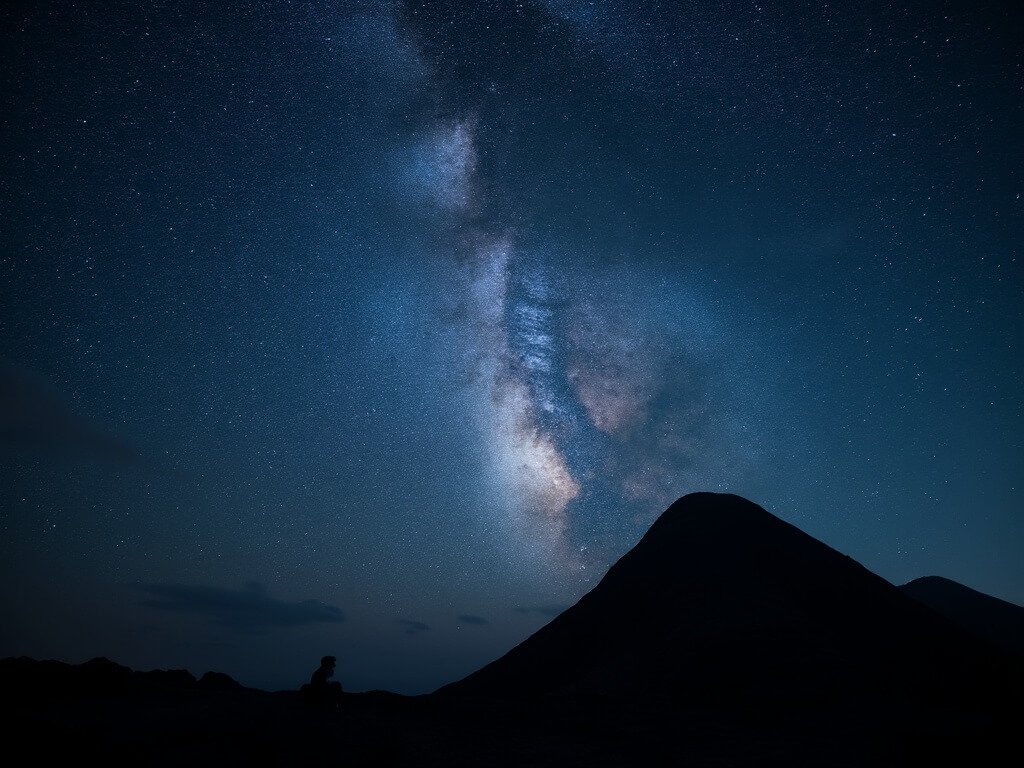
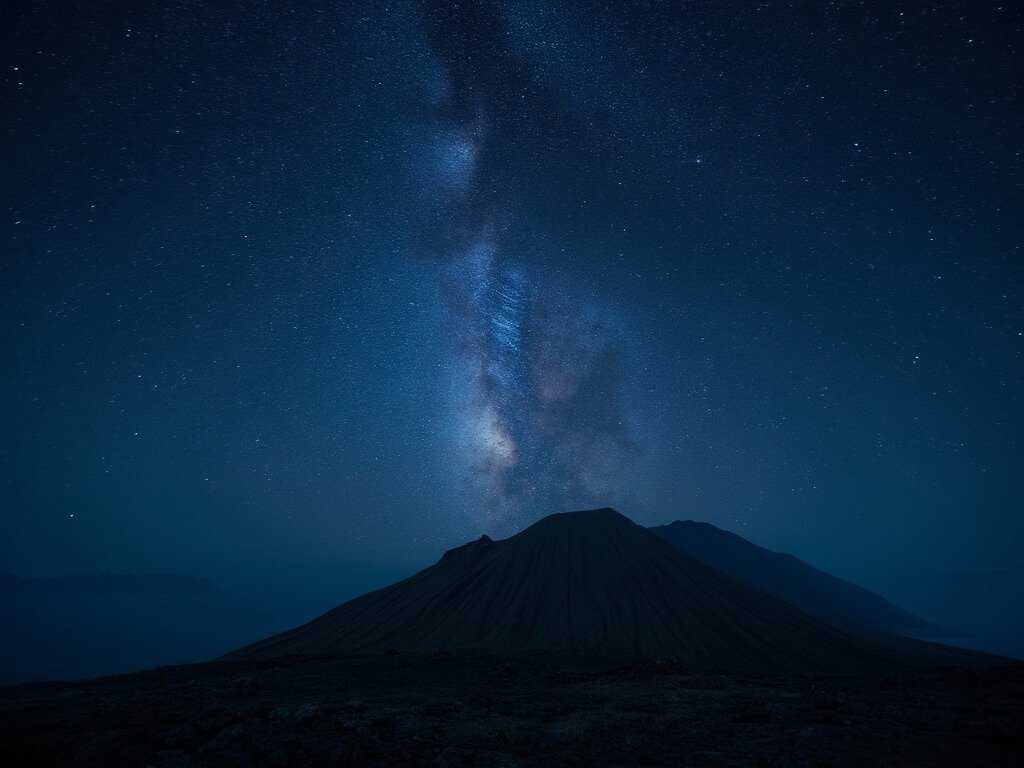
Most people would consider this madness. But for Aogashima’s residents, it’s paradise. Low light pollution makes stargazing extraordinary. The subtropical ecosystem bursts with lush greenery. Community feels deeper than in any metropolitan setting.
Pros of island life balance precariously with potential risks. Geothermal warmth versus natural disaster. Peace versus isolation. Community closeness versus limited medical facilities.
Getting There: An Adventure in Itself
Want to visit this volcanic wonderland? Hope you’re adventurous. Your options are limited:
- 3-hour ferry from Hachijojima
- 20-minute helicopter ride (reservations essential)
- Zero expectations of luxury
Tourism here isn’t about comfort—it’s about experiencing something truly extraordinary.
The island whispers stories of human adaptability, of living harmoniously with nature’s most unpredictable forces. Each resident is part geologist, part survivalist, part poet—writing a narrative of existence that most can barely imagine.
As the sun sets over Aogashima’s crater, casting long shadows across its verdant landscape, one thing becomes crystal clear: this isn’t just a place. It’s a testament to human spirit, resilience, and our capacity to call home the most unlikely of environments.
The volcano breathes. The community thrives. And somewhere between geological risk and human determination, Aogashima continues its delicate dance.
Explore More:
The Ecological Symphony: Survival in Earth’s Most Extreme Ecosystem
Nature doesn’t play favorites on Aogashima.
The island’s ecology is a masterclass in adaptation. Camellia plantations burst through volcanic terrain, marine life thrives in the surrounding Kuroshio current, and bizarre volcanic deserts emerge near scalding steam vents.
I spoke with a local botanist who described the ecosystem as “nature’s most resilient experiment.” Each plant, each creature has learned to dance with geological uncertainty.
Conservation: Protecting a Living Laboratory
Preserving Aogashima isn’t just about maintaining landscapes—it’s about protecting a living scientific marvel.
- Limited infrastructure naturally restricts tourism impact
- Rare volcanic features remain predominantly undisturbed
- Biodiversity exists in delicate, miraculous balance
The Social Fabric: Community Against All Odds
How do you build community when your home could theoretically explode?
For Aogashima’s residents, isolation isn’t a burden—it’s a lifestyle choice. Self-sufficiency isn’t just practical; it’s spiritual. Regular trips to Tokyo remind them of the world beyond their volcanic sanctuary, but they’re always eager to return.
Economic Realities: Surviving on the Margins
Let’s be brutally honest: Aogashima’s economic prospects are challenging.
Limited opportunities mean residents rely heavily on government assistance. Population decline threatens the community’s very existence. Yet, they persist—transforming limitations into strengths.
Their economy operates on different metrics:
- Quality of life over quantity of income
- Community connection over material wealth
- Stress-free living versus urban rat races
Tourism: A Delicate Balancing Act
Eco-tourism represents both opportunity and potential destruction.
The island attracts adventurers seeking something beyond traditional travel experiences:
- Unparalleled stargazing
- Geothermal steam sauna experiences
- Hiking through living volcanic landscapes
- Authentic cultural immersion
But they’re careful. Too much tourism could destroy the very essence that makes Aogashima magical.
Learn more in this feature on the Japanese Town Built Inside an Active Volcano and the fascinating look at Aogashima: Japan’s Remote Double Volcano Island.
Future Horizons: What Comes Next?
Every conversation about Aogashima’s future circles back to sustainability.
How do you maintain a community perched on an active volcanic system? How do you attract new residents without compromising ecological integrity?
The Japanese government watches closely, balancing preservation with potential revitalization strategies.
The Global Significance: More Than Just an Island
Aogashima represents something profound: humanity’s capacity to thrive in seemingly impossible environments.
It’s a microcosm of resilience. A testament to adaptation. A living reminder that home isn’t defined by safety, but by connection.
Final Reflections: Why Aogashima Matters
As twilight descends on this volcanic marvel, one truth becomes crystal clear: this isn’t just a geographical curiosity. It’s a blueprint for human potential.
In a world increasingly disconnected, Aogashima whispers ancient wisdom: true living happens at the intersection of risk and wonder.
The volcano breathes. The community endures. And somewhere between geological risk and human determination, Aogashima continues its extraordinary dance—a silent symphony of survival.
Explore More From Us
- Japandi Style Living Room Inspiration
- Japandi Bedroom Ideas
- Japandi Furniture Designs
- Minimalist Japandi Chairs
- Japandi Accent Chairs