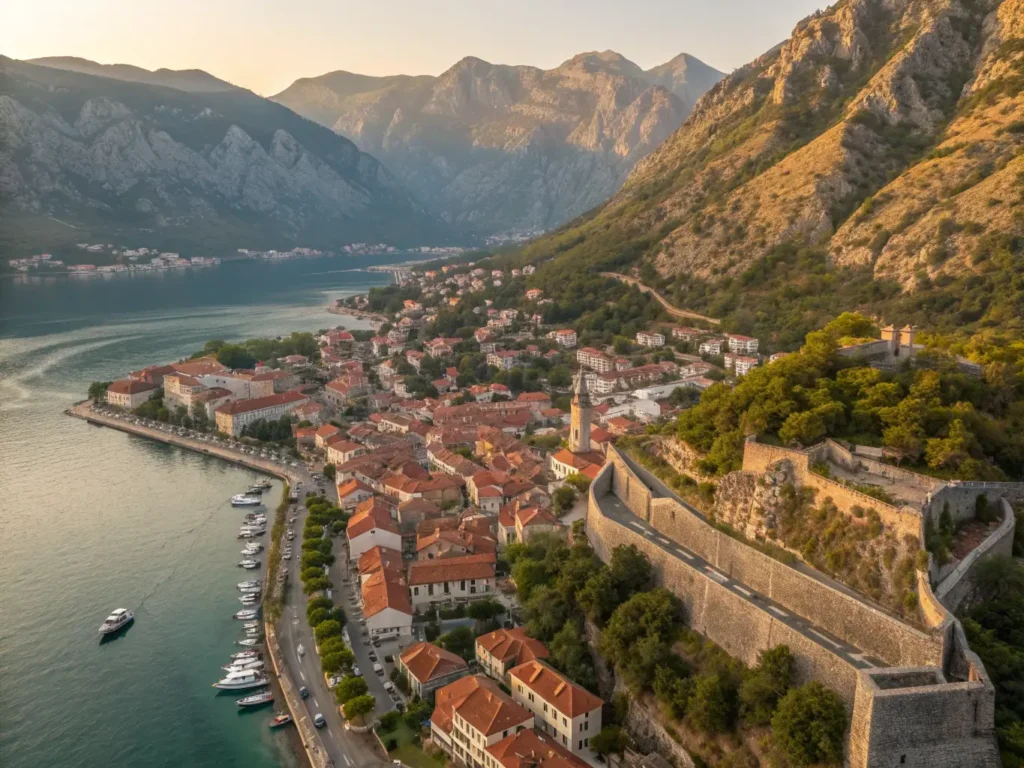
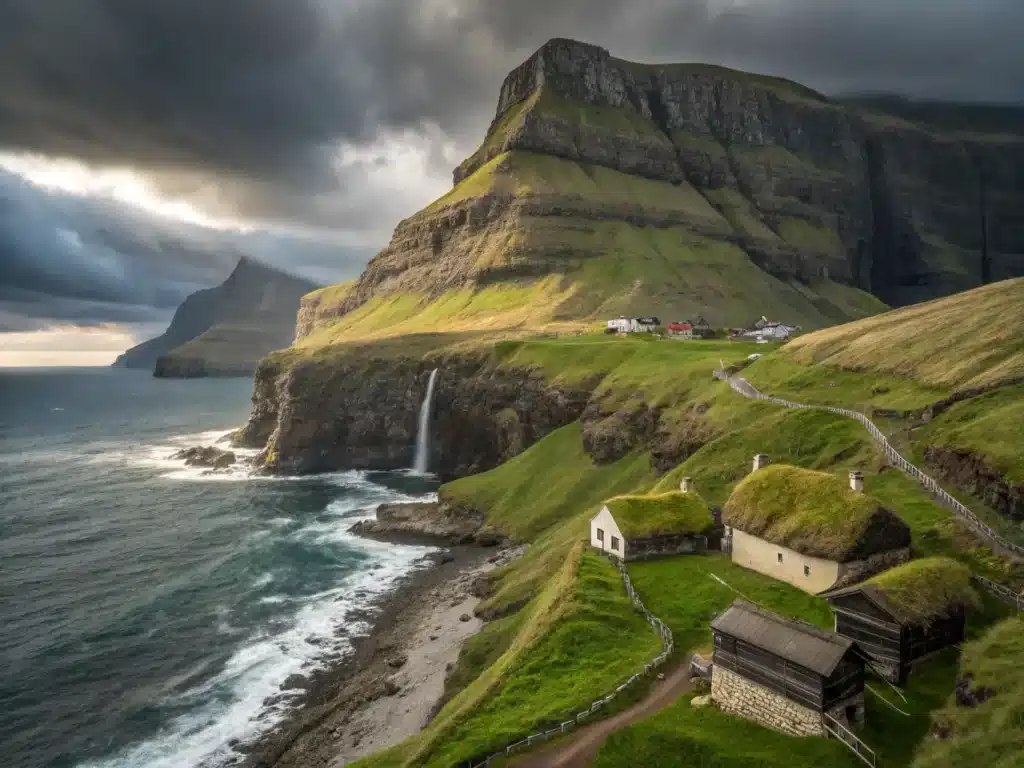
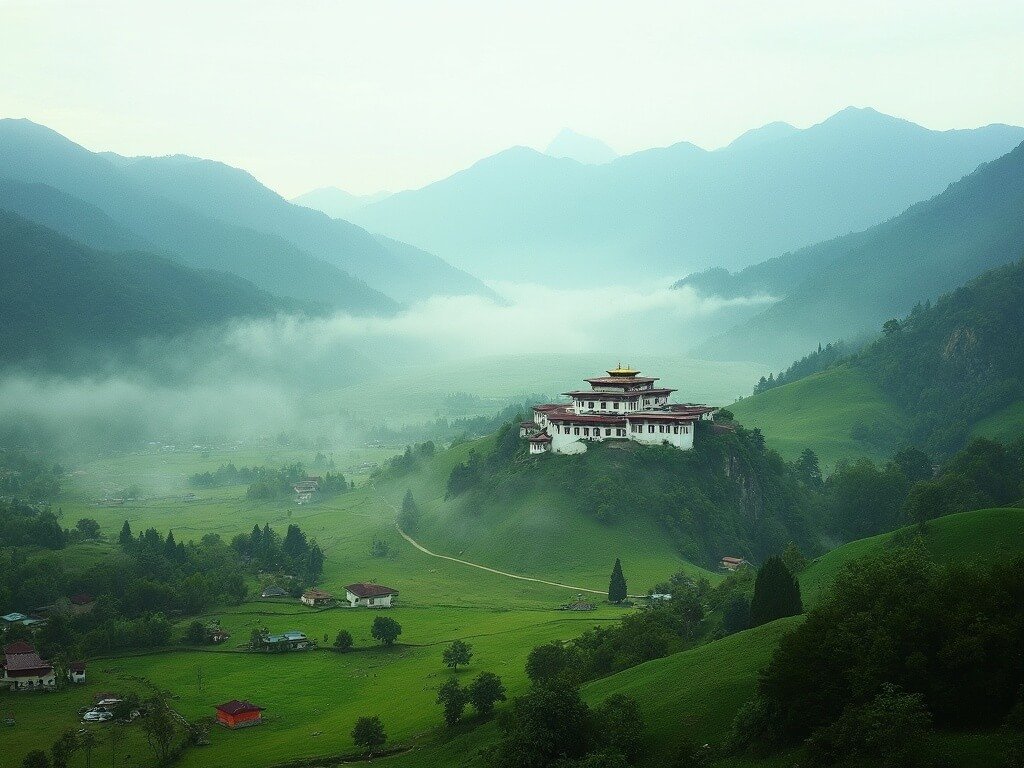
We walked to a Bhutan monastery set on a cliff in the clouds, and the quiet was the part worth the climb. The monasteries stay worth it for that Himalayan view.
Welcome to Bhutan. A tiny Himalayan kingdom that’s less a destination and more a portal to another world.
Why Bhutan Isn’t Just Another Travel Destination
Imagine a country where happiness isn’t measured by GDP, but by something called Gross National Happiness. Where pristine forests blanket dramatic mountain ranges, and centuries-old monasteries cling impossibly to sheer cliff faces.
Bhutan isn’t just a place. It’s a living, breathing spiritual experience.
The Monasteries That Defy Gravity
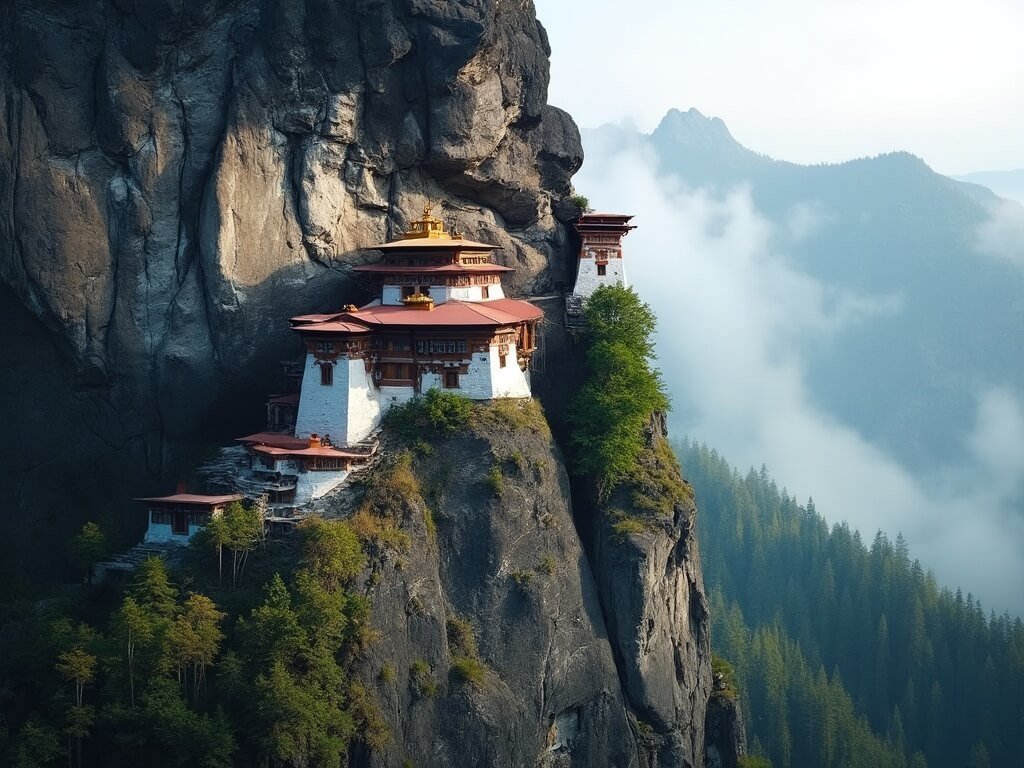
When I first saw Paro Taktsang – the legendary Tiger’s Nest Monastery – I literally stopped breathing. Perched 900 meters above the Paro Valley, this architectural marvel seems to grow directly from the mountain’s rocky skin.
Founded in 1692, this monastery isn’t just a building. It’s a testament to human determination and spiritual devotion. Legend says Guru Padmasambhava flew here on a tigress, establishing Buddhism’s roots in Bhutan.
Key Monastery Highlights That’ll Blow Your Mind
- Paro Taktsang: The iconic cliff-hanging monastery
- Punakha Dzong: Architectural marvel at river confluence
- Gangtey Monastery: Nestled in the ethereal Phobjikha Valley
- Bumthang Valley’s Ancient Sanctuaries: Spiritual heartland of Bhutan
Each monastery tells a story. Each stone whispers centuries of Buddhist tradition.
Spirituality: More Than Just Meditation
Buddhism here isn’t a religion. It’s a way of life.
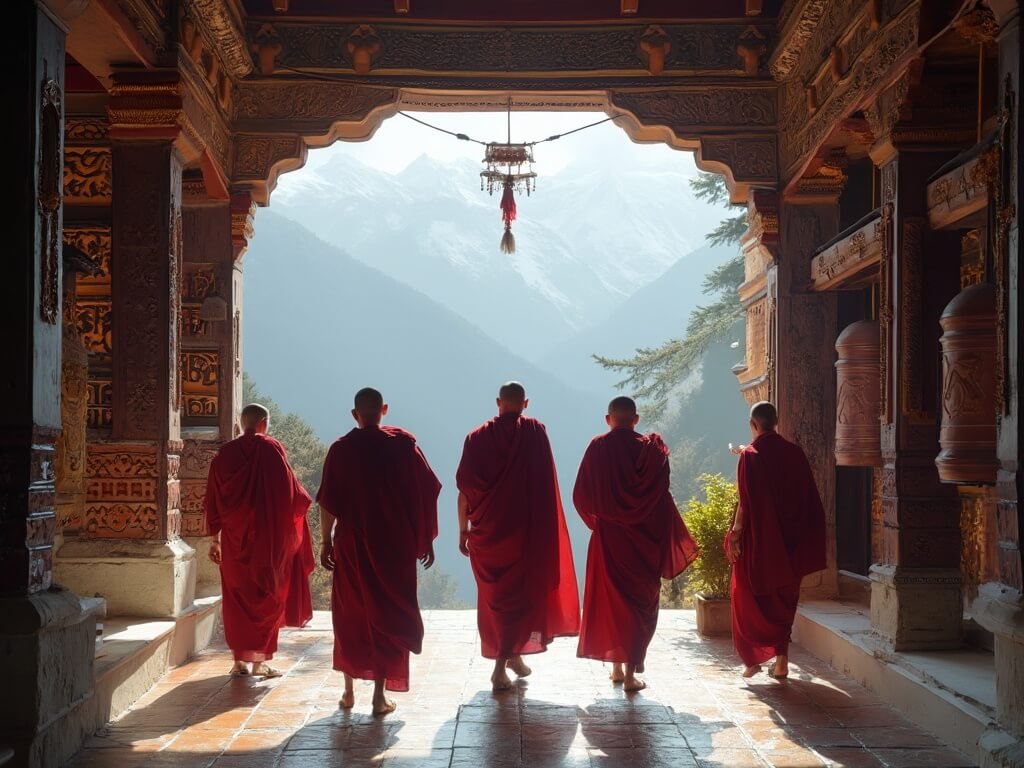
Vajrayana Buddhism permeates everything. Prayer flags dance in mountain winds. Monks chant. Communities gather. Spirituality isn’t confined to temples – it breathes through every aspect of Bhutanese life.
The Landscape: Nature’s Ultimate Spiritual Canvas
Bhutan’s monasteries aren’t just buildings. They’re perfectly integrated masterpieces set against breathtaking Himalayan backdrops.
Imagine meditating in a monastery where:
- Cloud-wreathed cliffs surround you
- Pristine forests stretch below
- Mountain peaks touch the horizon
- Rivers meander through terraced landscapes
This isn’t just a view. This is a spiritual experience.
A Culture Preserved, Not Imprisoned
Bhutan walks a razor’s edge between tradition and modernity. Traditional dress remains mandatory. Ancient rituals coexist with contemporary life. Architecture, festivals, and daily practices honor centuries-old traditions while embracing gentle progress.
Explore how this balance connects with the wabi-sabi aesthetic of imperfection and mindfulness.
Who Should Visit?
Bhutan calls to:
- Spiritual seekers
- Cultural enthusiasts
- Adventure trekkers
- Photographers
- Anyone craving an authentic, transformative experience
But here’s the catch: Bhutan isn’t a backpacker’s cheap getaway. Their sustainable tourism model means guided tours and daily minimums. They’re protecting their culture, not selling it.
The mist was rolling in, turning the Gangtey Valley into a dreamscape. My local guide, Tshering, pointed to a distant monastery. “We don’t just preserve our traditions,” he said. “We live them.”
And just like that, I understood Bhutan isn’t a destination. It’s a philosophy, wrapped in mountains, blessed by monasteries, and alive with an ancient, unbreakable spirit.
The prayer flags continued to flutter, telling stories older than memory, inviting the next chapter of exploration.
Begin your own spiritual journey by visiting our guide to Zen meditation at dawn.
Modern Bhutan: Where Ancient Wisdom Meets Contemporary Challenges
Tourism in Bhutan isn’t a game of numbers. It’s a carefully choreographed dance of preservation and controlled access.
The government’s revolutionary “High Value, Low Impact” tourism model ensures that every visitor contributes meaningfully to the country’s sustainable development. You can’t just book a ticket and show up. You’ll need:
- A licensed tour operator
- Minimum daily spending requirements
- Pre-arranged guided experiences
- Mandatory travel permits
This isn’t bureaucracy. It’s cultural protection.
The Price of Preservation: Bhutan’s Tourism Philosophy
Most countries chase tourist dollars. Bhutan chases cultural integrity.
The daily tourist fee (around $250) might seem steep. But this isn’t just a travel cost. It’s an investment in:
- Local infrastructure
- Environmental conservation
- Community development
- Cultural preservation
Every penny supports Bhutan’s unique vision of progress.
Spiritual Transformation: More Than Just a Vacation
Want a real spiritual reset? Forget generic wellness retreats.
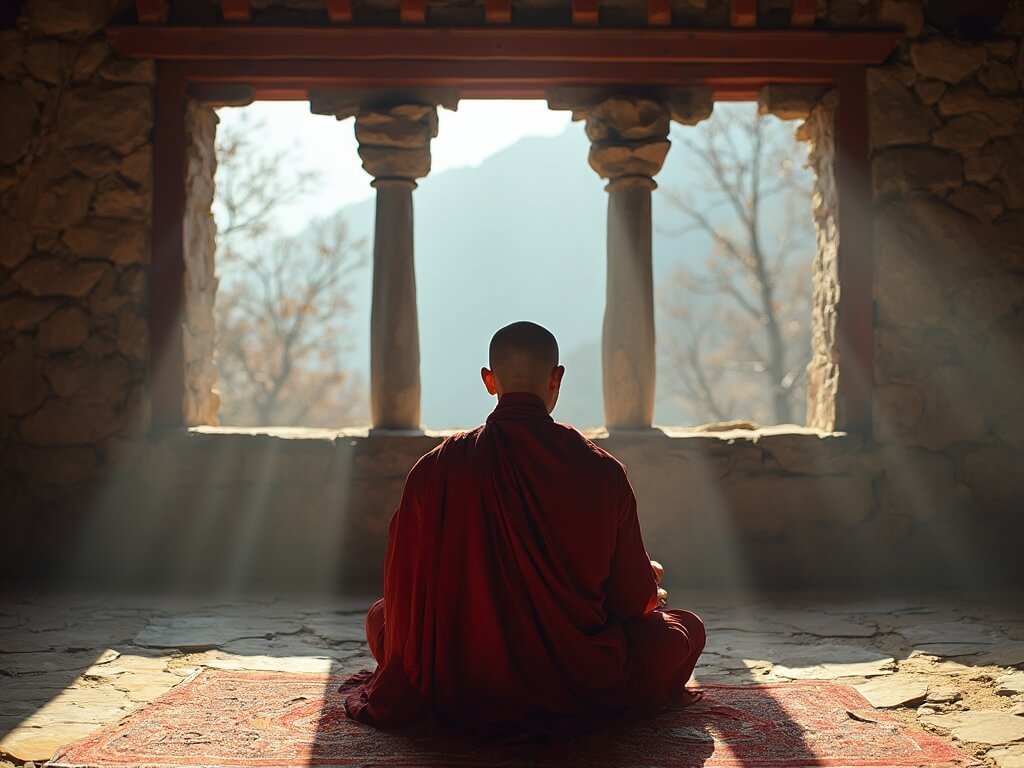
Bhutanese meditation isn’t about Instagram-perfect poses. It’s about profound inner transformation. Many monasteries offer structured retreats where you:
- Learn from experienced Buddhist practitioners
- Experience traditional meditation techniques
- Disconnect from digital noise
- Connect with ancient spiritual traditions
During my own meditation retreat in Gangtey, I learned something profound: true stillness isn’t about emptiness. It’s about full, present awareness.
Explore more about Bhutan’s monastic experiences through resources like 10 Famous Monasteries in Bhutan and Top 10 Monasteries to Visit in Bhutan.
Challenges of a Living Culture
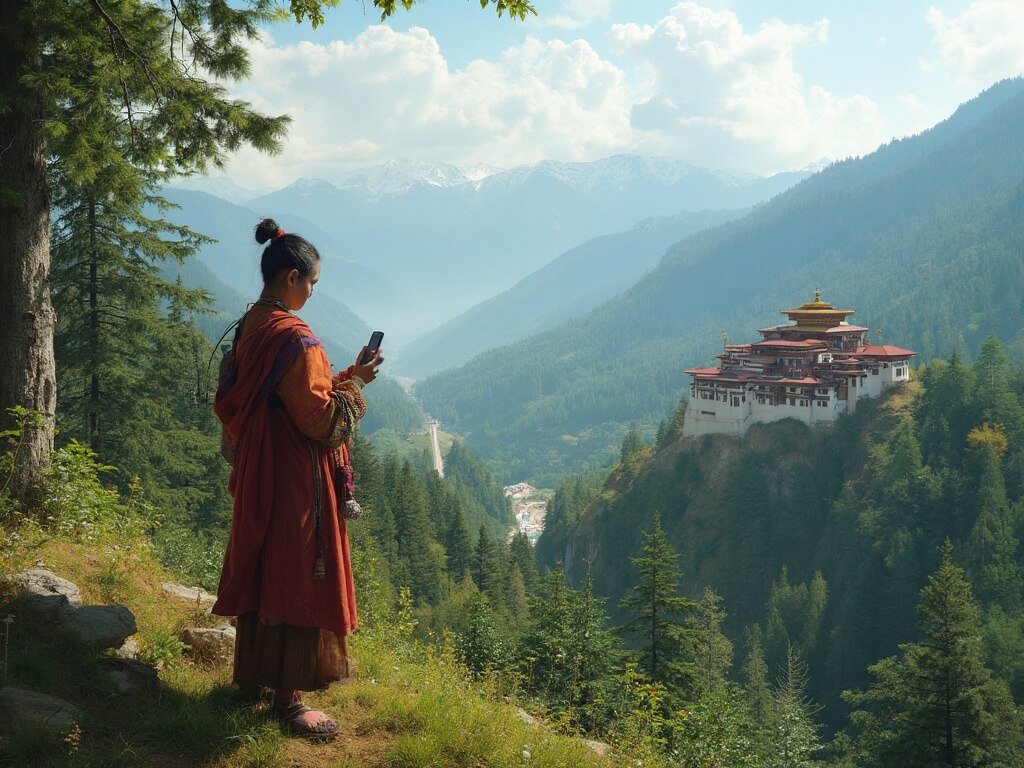
Bhutan stands at a fascinating crossroads. How do you modernize without losing soul?
The younger generation navigates this delicate balance. They wear traditional gho and kira while carrying smartphones. They respect ancient rituals while embracing global perspectives.
This isn’t contradiction. This is evolution.
The Environmental Spiritual Connection
Bhutan doesn’t just talk about sustainability. They live it.
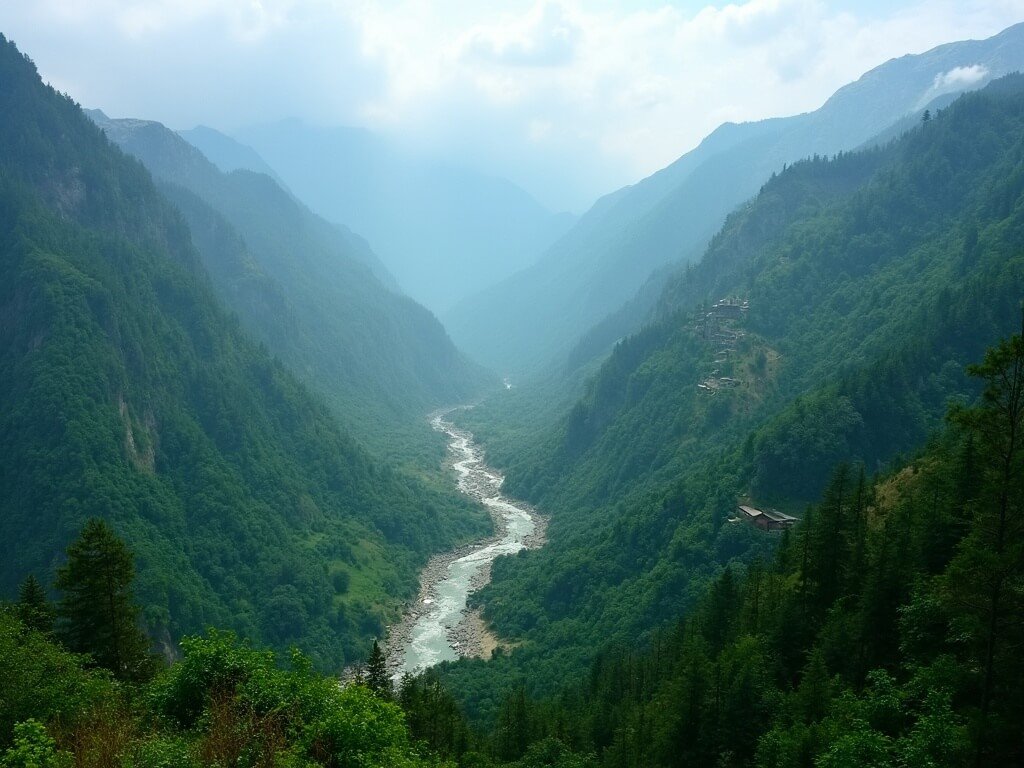
The constitution mandates that 60% of land must remain forested. They’re the world’s first carbon-negative country. Spirituality here isn’t separate from environmental stewardship—they’re the same breathing organism.
Photography and Global Awareness
Social media has transformed Bhutan’s global perception. Those impossible monastery shots? They’re not just pictures. They’re invitations.
Platforms like Instagram have turned remote monasteries into global conversation pieces. Each image tells a story of spiritual resilience, natural beauty, and cultural depth.
Get inspired with our visual guides and meditative aesthetics:
- Zen Meditation Room at Sunrise
- Understanding the Wabi-Sabi Aesthetic
- Japandi Design: East Meets West
- Zen Bathroom with Bamboo Views
- Mindful Dressing Corner
Future Perspectives: A Delicate Balance
Bhutan knows its greatest treasure isn’t its landscapes. It’s the living, breathing culture that inhabits those landscapes.
The challenges are real:
- Maintaining cultural authenticity
- Managing tourism pressures
- Supporting youth aspirations
- Preserving traditional knowledge
But if any culture can navigate this journey, it’s Bhutan.
Your Bhutan Journey: Not a Destination, but a Transformation
Bhutan isn’t waiting to be discovered. It’s waiting to be experienced.
This isn’t just travel. This is a pilgrimage into human potential, where monasteries dance with clouds, spirituality breathes through mountain valleys, and every step is a meditation.
Are you ready to step beyond tourism and enter a living, breathing spiritual landscape?
Bhutan monasteries stay worth the climb for the quiet and the Himalayan view. Walk to one on a cliff and the rest follows.