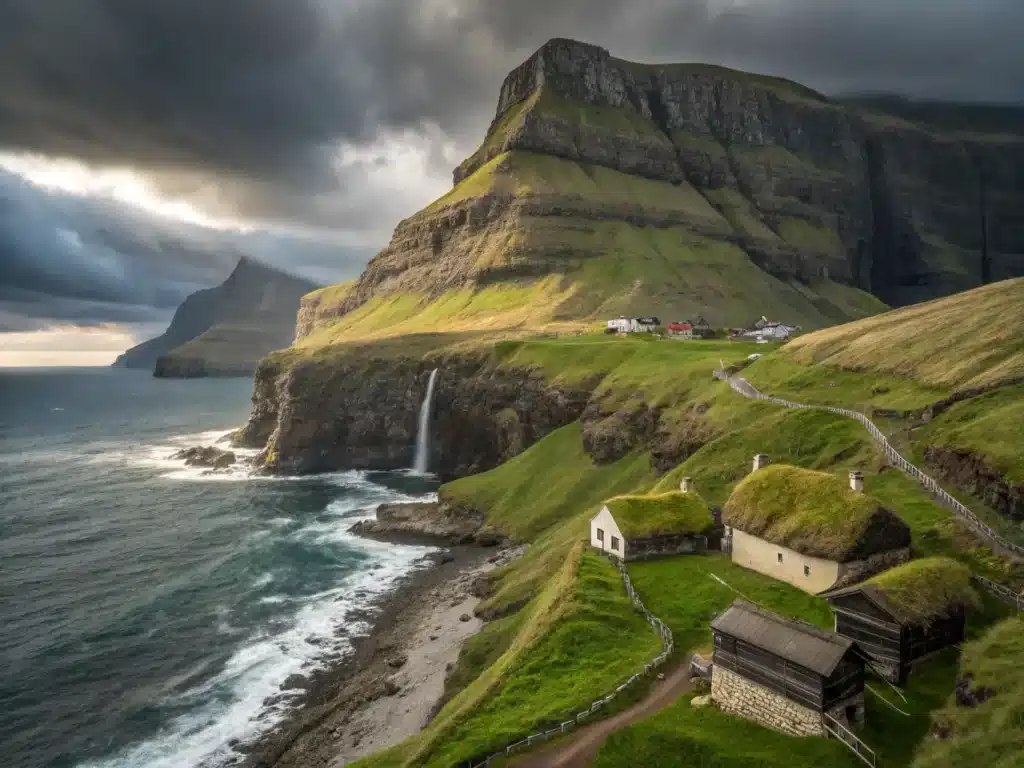
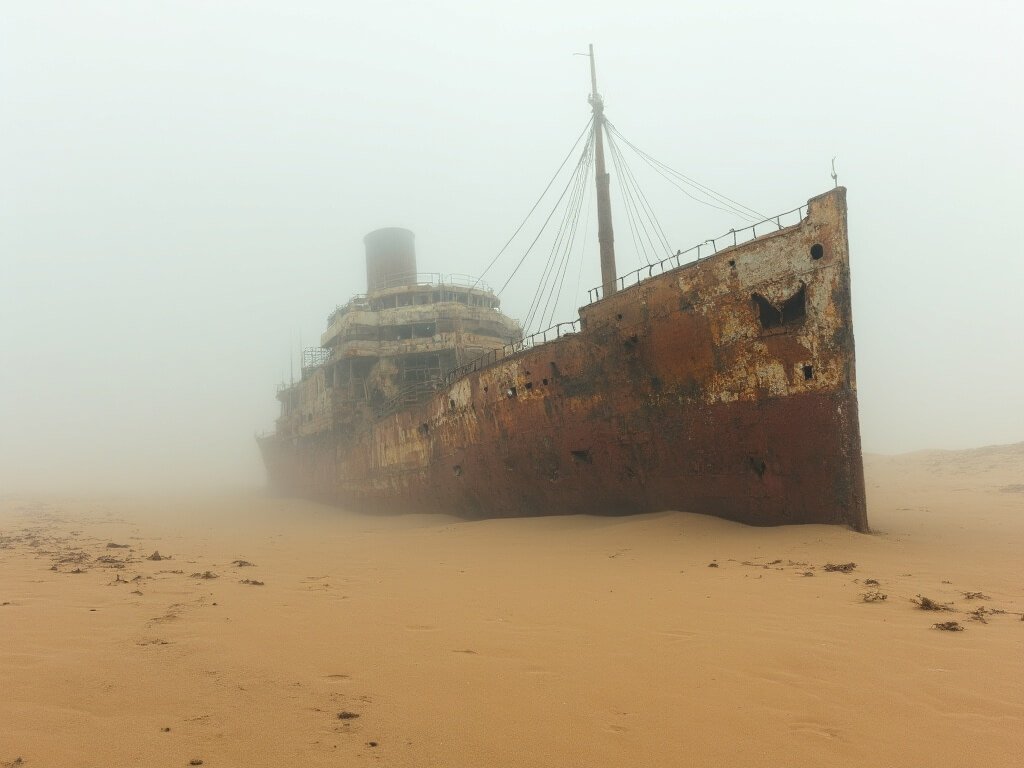
We drove the Skeleton Coast and the shipwrecks half-buried in sand made the fog feel eerie. The shore stays worth it for that mix of dunes and wreckage.
Picture a coastline so treacherous that sailors call it the world’s deadliest stretch of ocean.
Welcome to Namibia’s Skeleton Coast — a 500-kilometer wilderness where shipwrecks rust silently, fog swallows entire horizons, and survival seems like a distant dream.
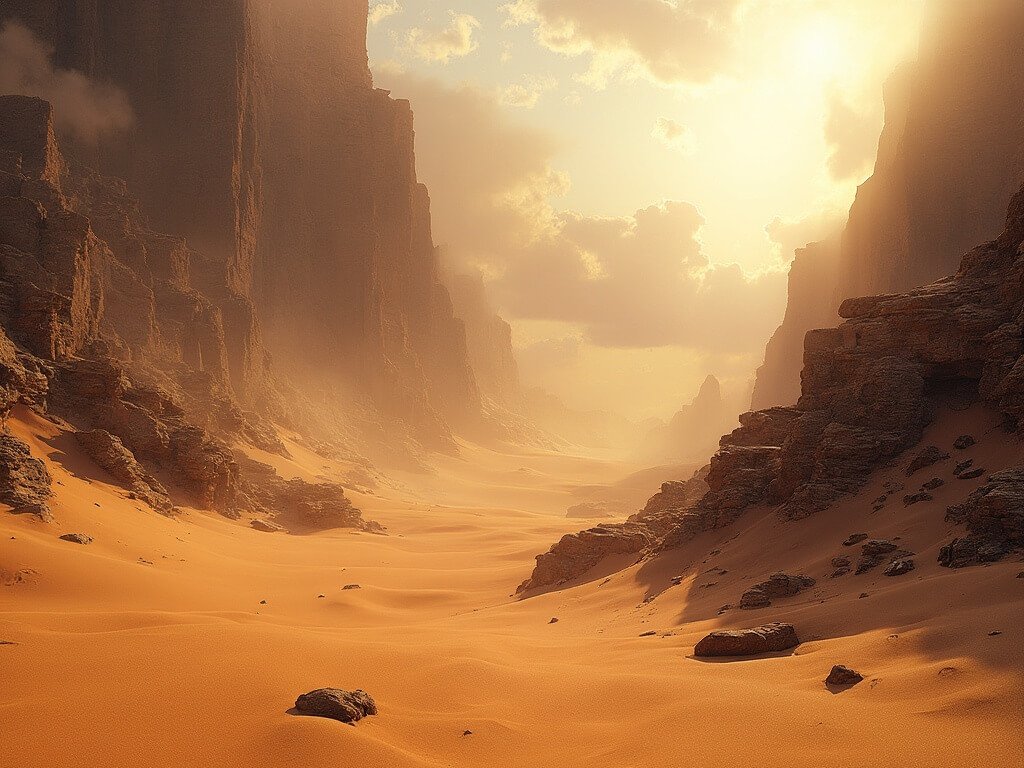
Why the Skeleton Coast is Earth’s Most Unforgiving Coastline
I’ve stood on these shores, feeling the bone-chilling wind and watching thick fog roll in like a ghostly curtain.
The coast isn’t just a geographic location — it’s a living, breathing testament to nature’s brutal indifference.
Geographical Marvels That Defy Imagination
Stretching from Swakopmund to Angola, this 30-50 km wide strip isn’t your typical beach destination.
Imagine a landscape where:
- Massive sand dunes clash with rocky basaltic terrain
- Ephemeral rivers appear and vanish like mirages
- The Great Escarpment looms at 900-1300 meters, watching silently
The Fog That Breathes Life into Death
Here’s the wild secret: this seemingly lifeless landscape survives because of fog.
The cold Benguela Current meets scorching desert air, creating a year-round misty blanket that provides critical moisture to plants and animals.
Shipwrecks: Silent Monuments of Maritime Tragedy
Every rusted hull tells a story of human vulnerability.
The Dunedin Star, Otavi, Eduard Bohlen — these aren’t just ships, but time capsules of maritime disasters.
Imagine being a sailor, your vessel crushed by hidden rocks, surrounded by endless sand and impenetrable fog.
A Brutal Ecosystem of Survival
Despite appearances, life thrives here.
Desert-adapted species have evolved incredible survival strategies:
- Lichens extracting moisture from fog
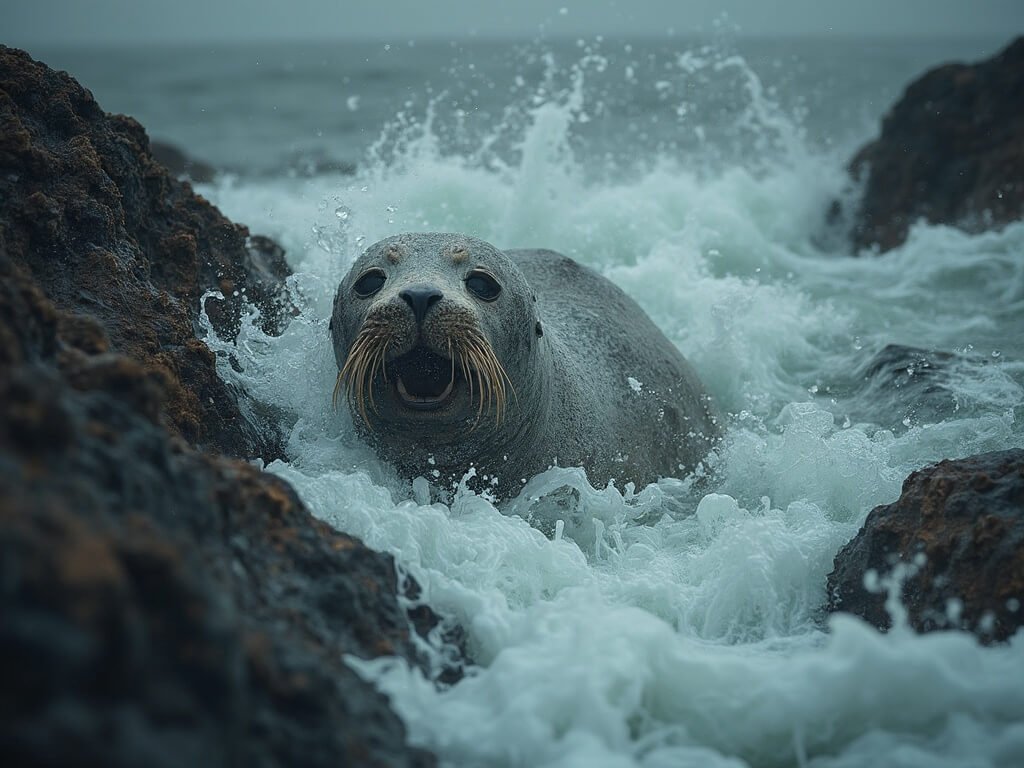
- Seals navigating treacherous currents
- Small mammals hiding in rocky outcrops
Why Explorers Can’t Resist This Deadly Beauty
The Skeleton Coast isn’t just a destination — it’s a challenge.
Adventure seekers and photographers are drawn to its raw, unfiltered landscape.
Shipwreck tours, wildlife safaris, and the promise of witnessing nature’s most extreme environment attract those with an untamed spirit.
Conservation: Protecting a Fragile Wilderness
The Skeleton Coast National Park stands as a guardian.
With carefully managed permits and sustainable tourism practices, they’re preserving an ecosystem that’s both incredibly resilient and devastatingly vulnerable.
Climate change and unregulated tourism pose significant threats to this delicate balance.
More Than a Place — A Living Story
This coast isn’t just Namibian geography — it’s a narrative of survival, adaptation, and nature’s raw power.
Every grain of sand, every rusted shipwreck, every wisp of fog carries generations of stories waiting to be understood.
The wind here doesn’t just blow — it whispers tales of sailors lost, of species surviving against impossible odds, of a landscape that refuses to be tamed.
As the fog begins to lift, revealing glimpses of rocky coastlines and distant sand dunes, one thing becomes clear: the Skeleton Coast is far more than a destination.
It’s a reminder of our planet’s capacity for both destruction and extraordinary resilience.
The mysteries of this coast continue to unfold, challenging our understanding of survival and the delicate dance between land, sea, and the creatures that call this unforgiving landscape home.
The sands shift, the fog rolls in, and another chapter of the Skeleton Coast’s endless story begins.
Explore More:
Wildlife Survivors: Nature’s Most Resilient Species
Ever wondered how life survives in a landscape that seems engineered for death?
The Skeleton Coast isn’t just harsh — it’s a masterclass in evolutionary adaptation.
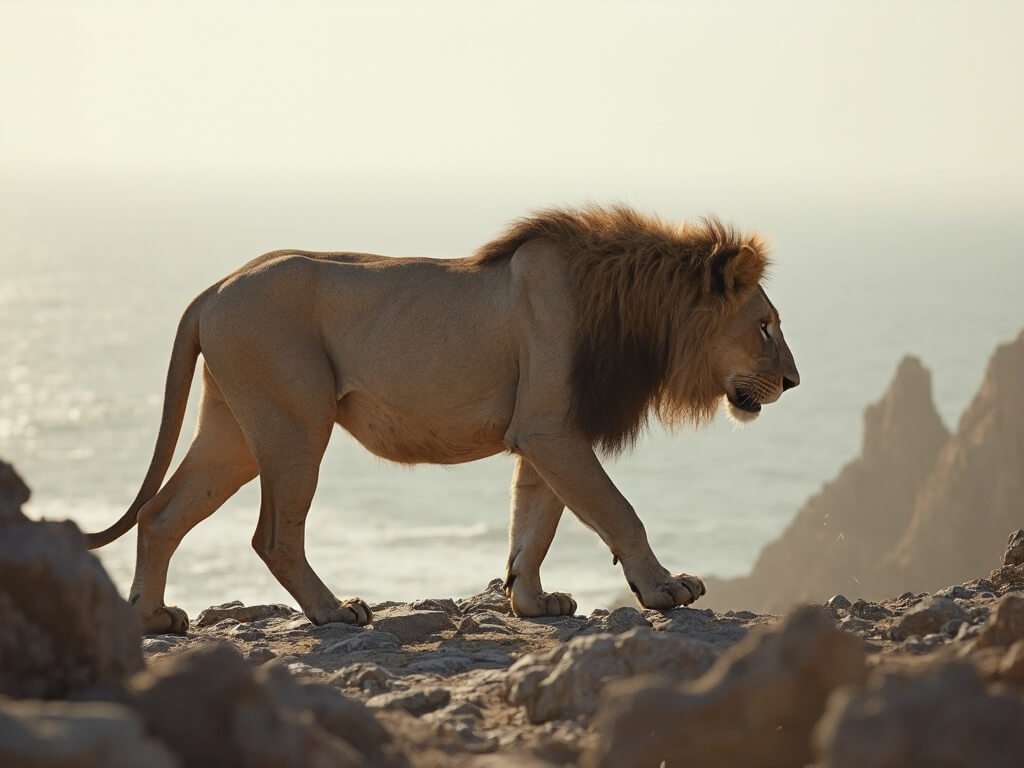
Take the desert-adapted lions, for instance.
These aren’t your typical African lions.
These are phantoms that navigate impossible terrain, hunting seals along rocky coastlines and surviving where no other large predator could imagine.
The Hidden Ecosystem: Life Between Sand and Sea
Most people imagine deserts as barren.
Here’s the shocking truth: the Skeleton Coast teems with life.
Desert-adapted species have developed extraordinary survival mechanisms:
- Lichens extracting microscopic water droplets from fog
- Springbok navigating salt plains with incredible efficiency
- Hyenas tracking scarce prey across shifting sand dunes
This incredible biodiversity aligns with the haunting shipwrecks on Namibia’s Skeleton Coast — where life, death, and survival intertwine.
Research Reveals: Nature’s Incredible Resilience
Ecological studies have documented remarkable adaptations.
Dr. Annetta Axelsson, a leading desert ecologist, notes: “Every organism here represents a living miracle of evolutionary engineering.”
The moisture from persistent fog becomes a lifeline.
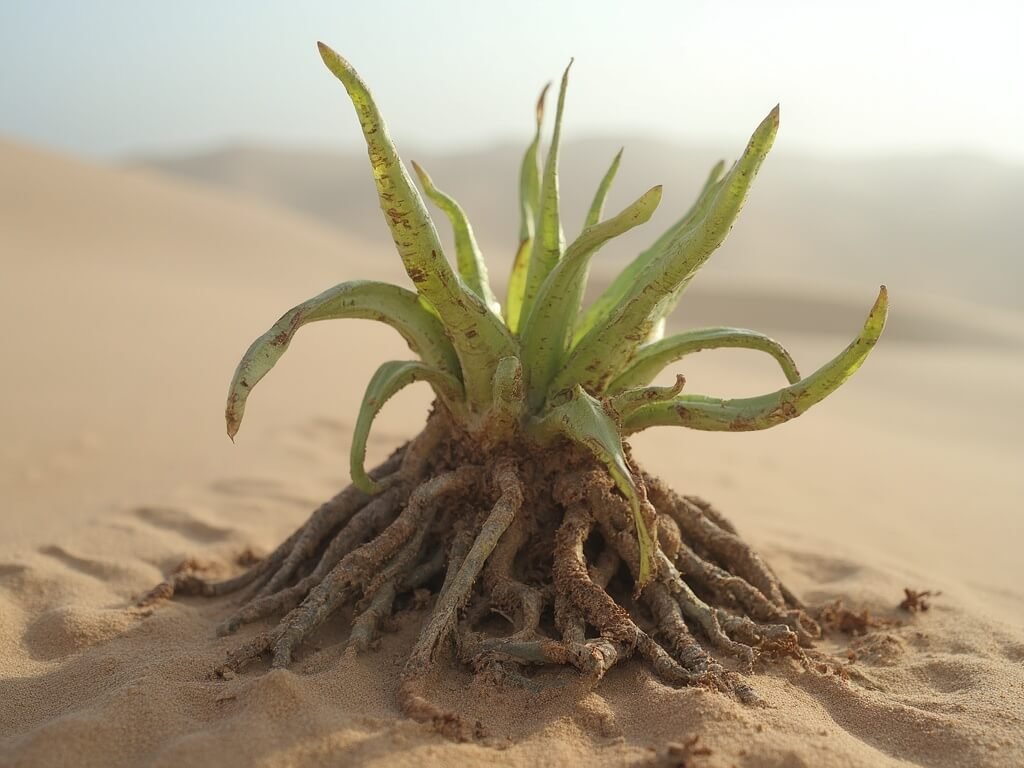
Plants like the welwitschia — a living fossil — can survive for over 1,000 years, drawing water through microscopic root systems.
Conservation Challenges: Protecting a Fragile Frontier
Preserving this delicate ecosystem isn’t simple.
Climate change threatens already precarious habitats.
Each degree of temperature shift could disrupt millennia of evolutionary adaptation.
The Namibian government and international conservation groups collaborate on intricate protection strategies:
- Limiting tourism access
- Creating research corridors
- Monitoring species populations
- Developing sustainable interaction models
For more on how these efforts intersect with shipwreck history and environmental fragility, explore these Skeleton Coast shipwreck tales and survival stories.
Tourism’s Double-Edged Sword
Visitors want to experience this otherworldly landscape.
But every footstep potentially disrupts intricate ecological balances.
Guided tours now employ strict protocols:
- Designated walking paths
- Minimal disturbance guidelines
- Educational components explaining ecosystem fragility
- Mandatory expert guides
Looking to bring some coastal inspiration into your home? See how wilderness aesthetics influence modern interiors with coastal modern living room ideas or beachy room inspo.
The Human Element: Stories of Survival
Beyond ecological narratives, human stories resonate deeply.
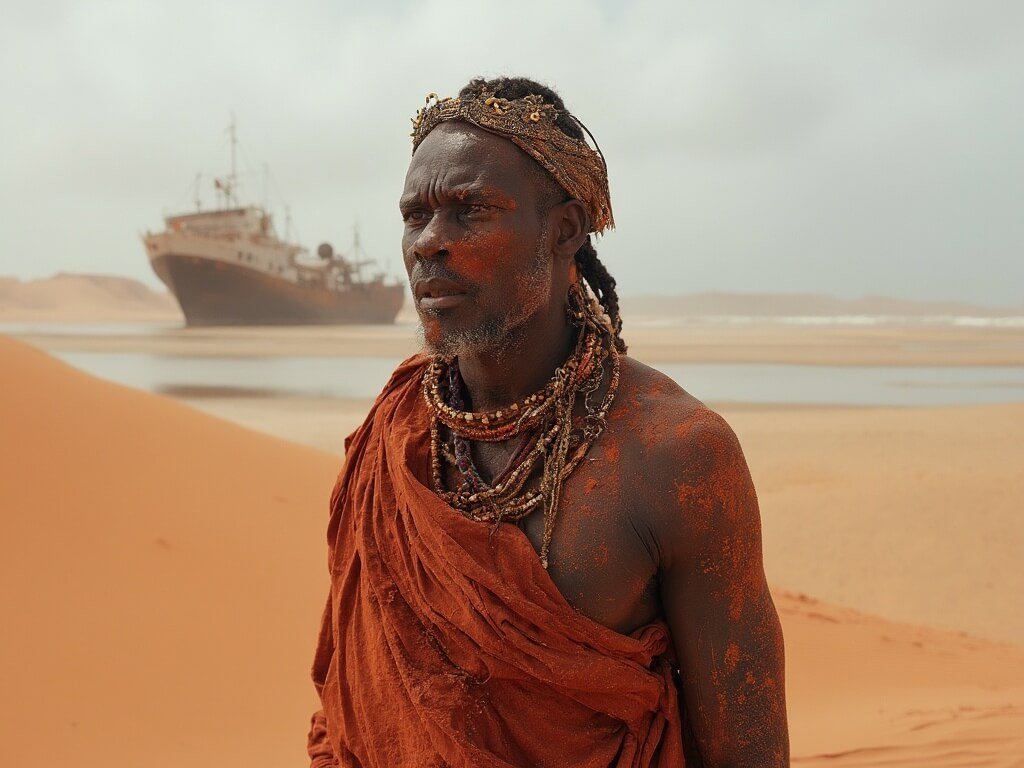
Indigenous Namibian communities have navigated this landscape for generations.
The Himba people, with their ochre-covered skin and deep cultural wisdom, understand survival here as an art form.
Their traditional knowledge offers insights modern scientists are only beginning to comprehend.
Future Projections: A Landscape in Transformation
Climate models suggest dramatic changes ahead.
Rising temperatures could dramatically alter fog patterns.
Species will need to adapt faster than ever before.
Research stations now monitor microscopic changes, tracking everything from lichen growth to marine current shifts.
Personal Reflection: Beyond Scientific Data
Standing on these shores, you realize something profound.
The Skeleton Coast isn’t just a location.
It’s a living, breathing testament to survival.
Each shipwreck, each patch of lichen, each animal track tells a story of resilience.
Nature doesn’t just survive here — it transforms adversity into an art form.
Final Thoughts: An Invitation to Wonder
The Skeleton Coast remains one of Earth’s last true wildernesses.
It challenges our understanding of life, survival, and adaptation.
For those willing to look beyond surface appearances, incredible mysteries await.
This isn’t just a coastline.
It’s a masterclass in nature’s extraordinary capacity to thrive.
Where others see desolation, true explorers see possibility.
The Skeleton Coast continues its timeless dance — where survival is the only constant, and wonder never ends.
Namibia Skeleton Coast stays worth the trip for shipwrecks half-buried in sand under fog. Drive the shore and the dunes and wreckage are the point.