Feng Shui Living Room Decor: Creating Harmony and Balance in Your Space
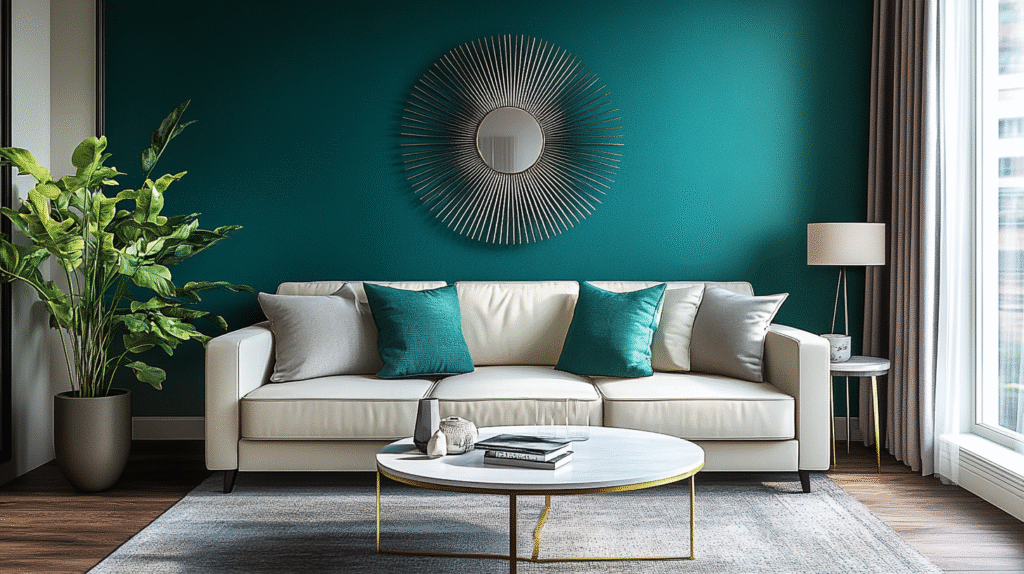
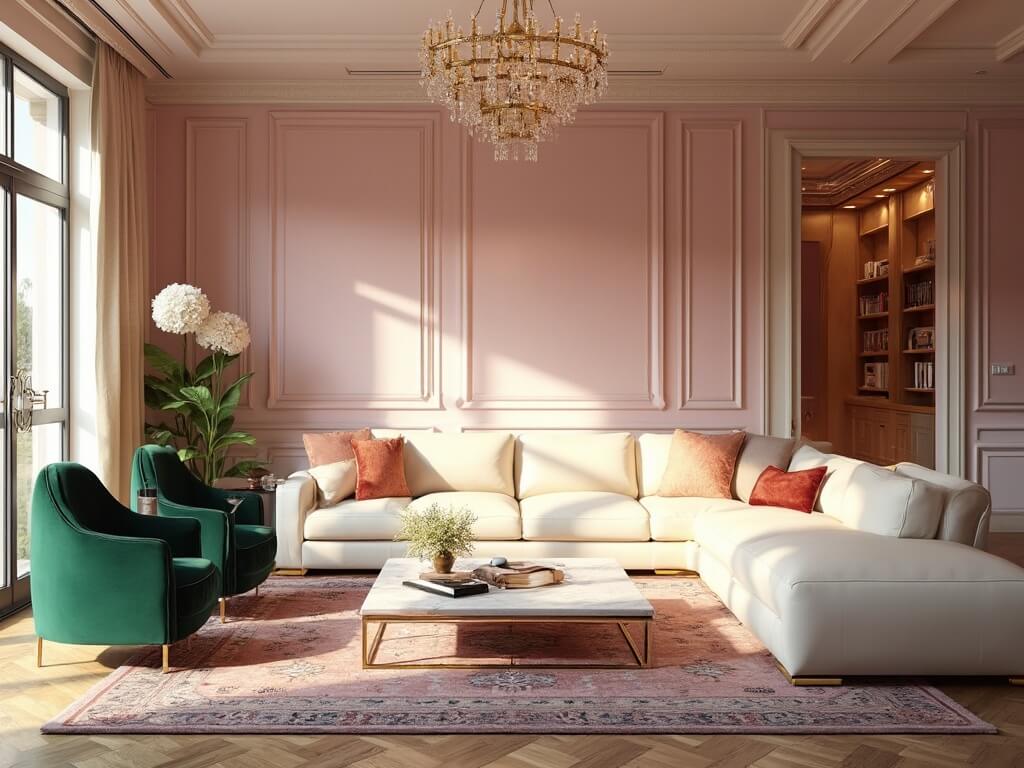
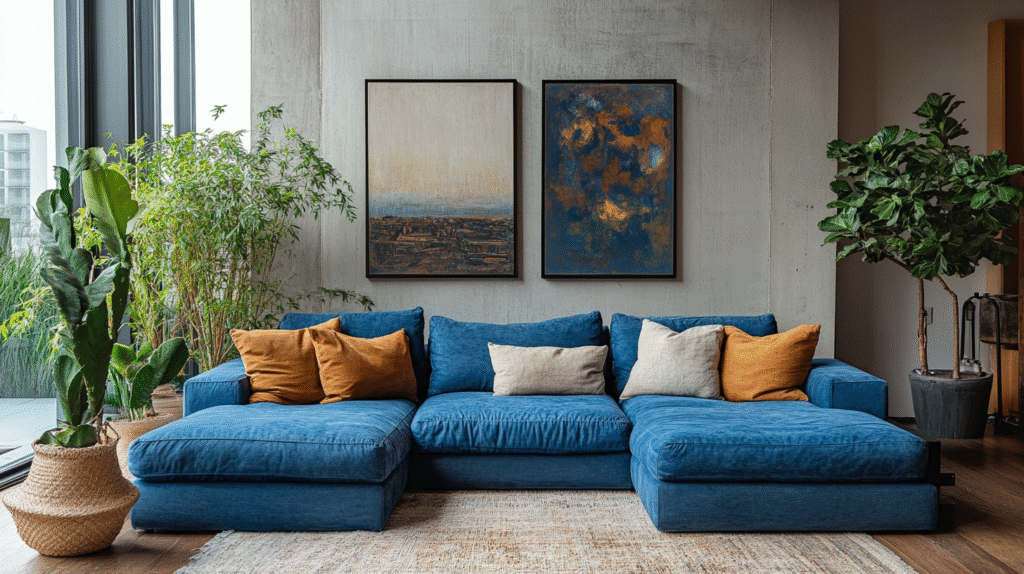
We arranged the living room by feng shui with the sofa against a solid wall, and the room felt settled. A feng shui living room works when the seating stays supported and the path stays clear.
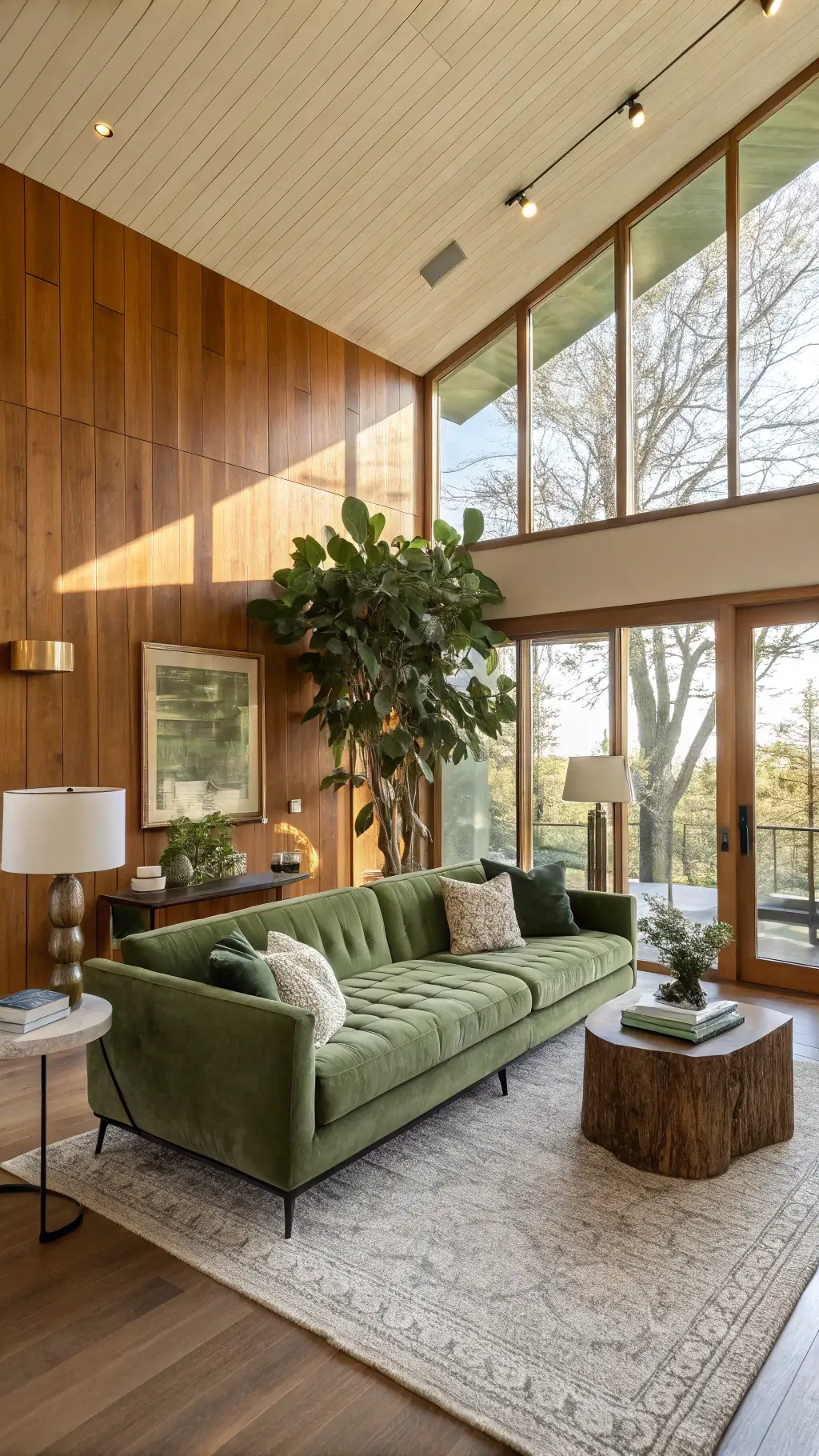
🖼 Steal This Look
- Paint Color: Sherwin-Williams Accessible Beige SW 7036
- Furniture: low-profile sectional sofa with rounded arms, circular coffee table in natural wood, pair of curved accent chairs
- Lighting: paper lantern pendant with warm dimmable LED, adjustable floor lamp with fabric shade for task lighting balance
- Materials: natural linen upholstery, unfinished oak or bamboo, river stone accents, living plants in ceramic vessels, silk or wool area rugs with organic patterns
I always tell clients that Feng Shui isn’t about rigid rules—it’s about intention. When you clear clutter and choose pieces that genuinely calm you, the room almost breathes differently.
✓ Get The Look
Why Feng Shui Matters in Your Living Room
We all want a living space that feels right. That inexplicable sense of comfort and peace? That’s the magic of Feng Shui.
Key Benefits:
- Improved energy flow
- Enhanced emotional well-being
- Creates a visually stunning space
- Promotes relaxation and positivity
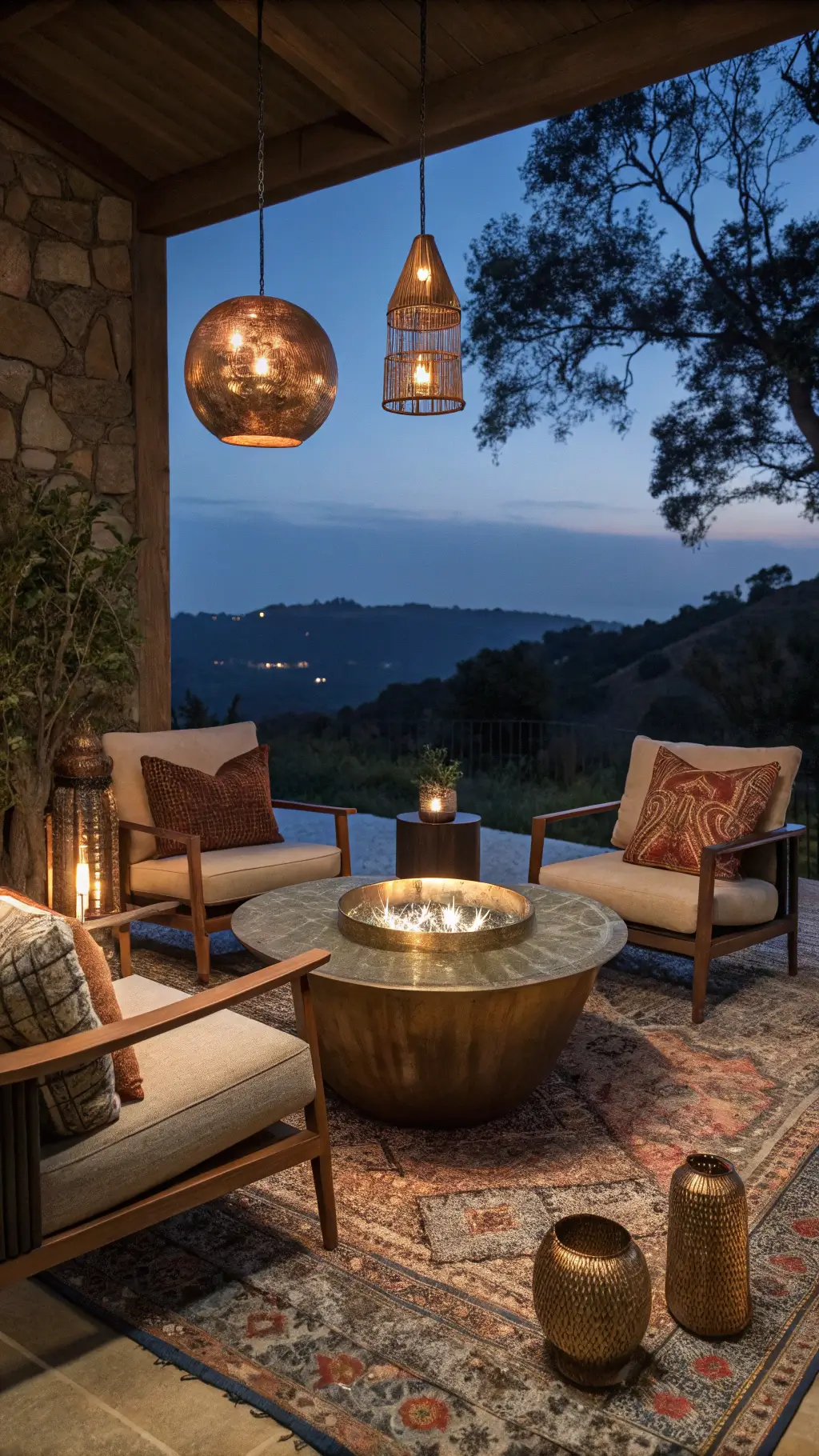
🌟 Steal This Look
- Paint Color: Benjamin Moore Simply White OC-117
- Furniture: low-profile sectional with rounded arms, natural wood coffee table with soft edges, nesting side tables for flexibility
- Lighting: floor lamp with linen drum shade and dimmer, table lamps with ceramic bases at varying heights
- Materials: natural linen upholstery, light oak or bamboo, unbleached cotton, river stone accents, live edge wood
I’ve seen skeptical clients transform into believers after simply repositioning their sofa and adding a soft area rug—they describe the room as finally ‘breathing’ with them rather than against them.
The Five Elements: Your Design Foundation
Feng Shui isn’t just decoration – it’s an ancient art of balance. Each element brings unique energy:
1. Wood Element
- Represents growth and vitality
- Colors: Green, brown
- Materials: Wooden furniture, plants
- Placement: Eastern and southeastern areas
2. Fire Element
- Symbolizes passion and transformation
- Colors: Red, orange, bright yellow
- Materials: Candles, triangular shapes
- Placement: Southern areas of the room
3. Earth Element
- Grounds and stabilizes energy
- Colors: Beige, light yellow, sandy tones
- Materials: Ceramic objects, square shapes
- Placement: Centerpiece areas
4. Metal Element
- Brings clarity and precision
- Colors: White, gray, metallic tones
- Materials: Metal decor, round shapes
- Placement: Western and northwestern spaces
5. Water Element
- Represents wisdom and flow
- Colors: Blue, black
- Materials: Mirrors, glass, wavy patterns
- Placement: Northern room sections
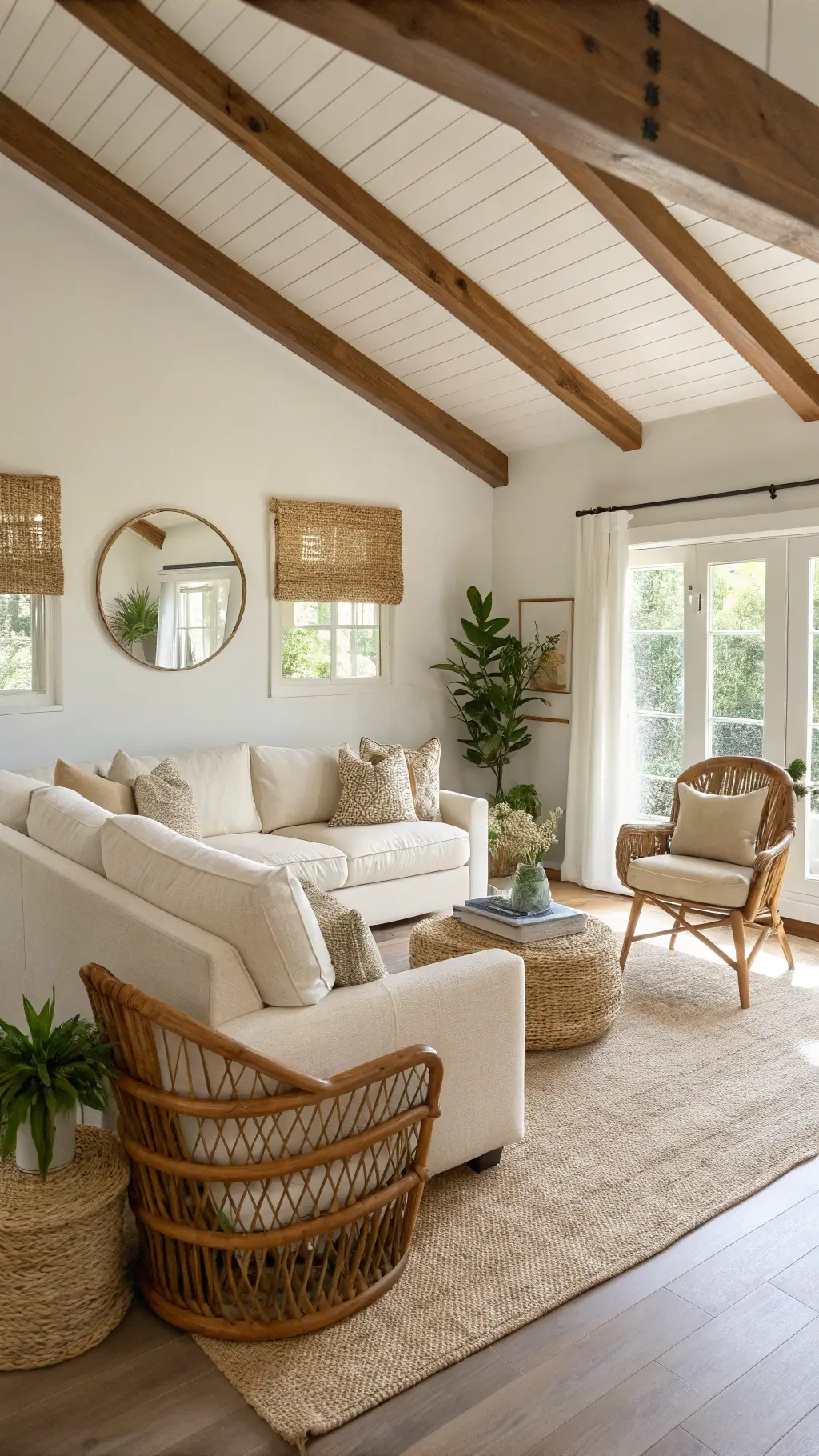
🌟 Steal This Look
- Paint Color: Farrow & Ball Green Smoke 47
- Furniture: low-profile wooden media console with clean lines, live-edge coffee table, rattan accent chair
- Lighting: paper lantern pendant light, brass table lamp with linen shade
- Materials: unfinished oak, natural linen, terracotta, hammered brass, woven jute
I find the five-element system most powerful when you treat it as a living dialogue rather than a checklist—my own living room shifted dramatically when I moved a single brass bowl from a cluttered eastern shelf to a clean northwestern surface, suddenly the whole room breathed easier.
Creating the Perfect Living Room Layout
The Command Position
Pro Tip: Position your primary seating so you can see the entrance without being directly in line with the door.
Why It Matters:
- Provides a sense of security
- Allows you to observe your entire space
- Reduces stress and increases comfort
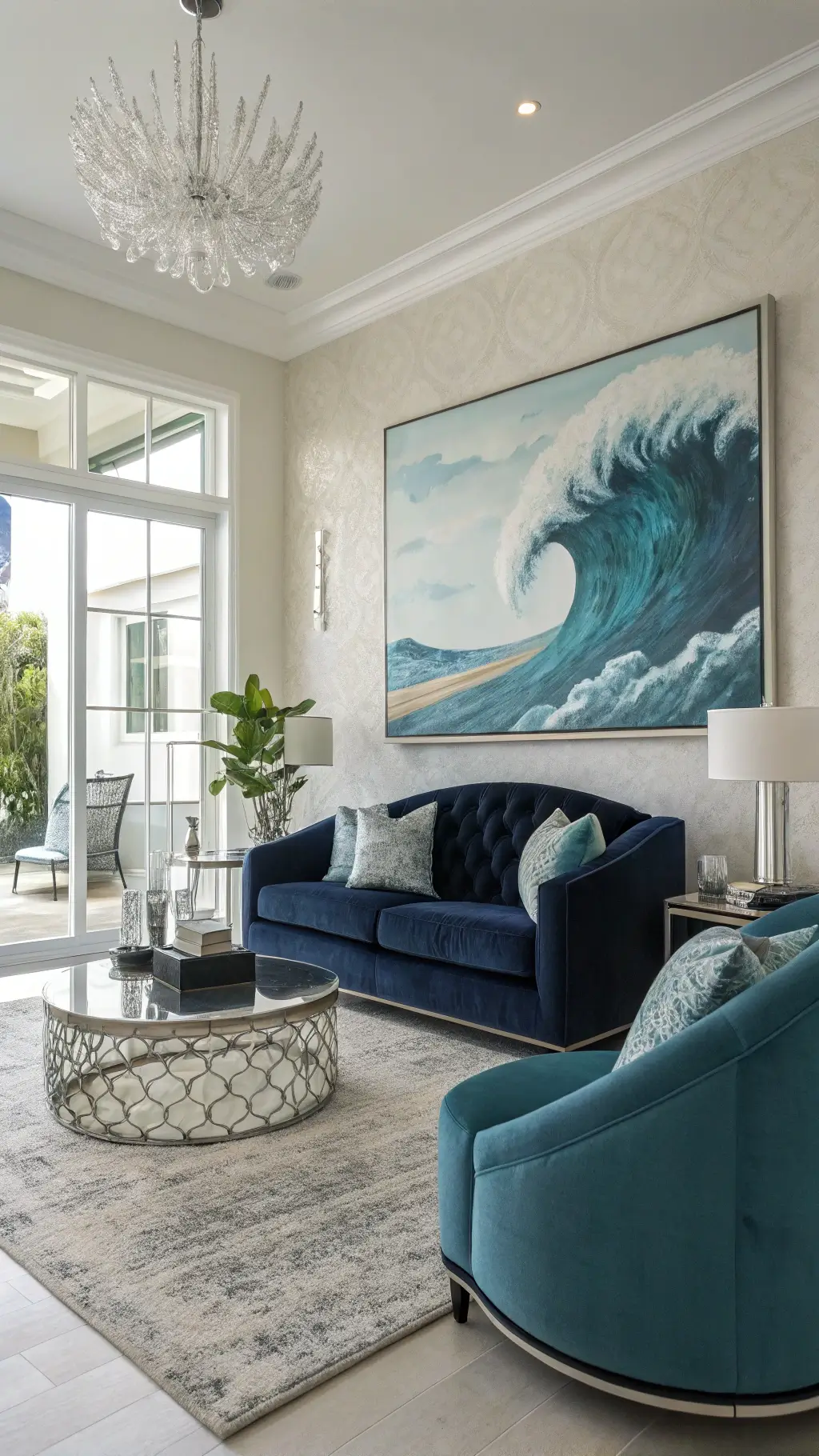
💡 Steal This Look
- Paint Color: Behr Soft Focus PPU18-09
- Furniture: Low-profile sectional sofa with rounded arms, nesting coffee tables in natural oak, and a pair of upholstered accent chairs positioned at an angle to create conversational grouping
- Lighting: Adjustable arc floor lamp with linen drum shade and dimmable LED, plus table lamps with ceramic bases on side tables flanking the main seating
- Materials: Woven wool area rug with subtle geometric pattern, raw-edge wood side tables, linen-blend upholstery, and brushed brass metal accents
I always tell clients that the command position isn’t about control—it’s about feeling held by your space. When you can see the door without your back exposed, your nervous system actually relaxes.
Essential Styling Tips
Furniture Arrangement
- Avoid blocking doorways
- Create conversational seating areas
- Leave space for energy to circulate
Lighting Techniques
- Use soft, layered lighting
- Incorporate natural light when possible
- Avoid harsh overhead lights
Color Harmony
- Balance cool and warm tones
- Use the 60-30-10 color rule
- Incorporate all five elements through color
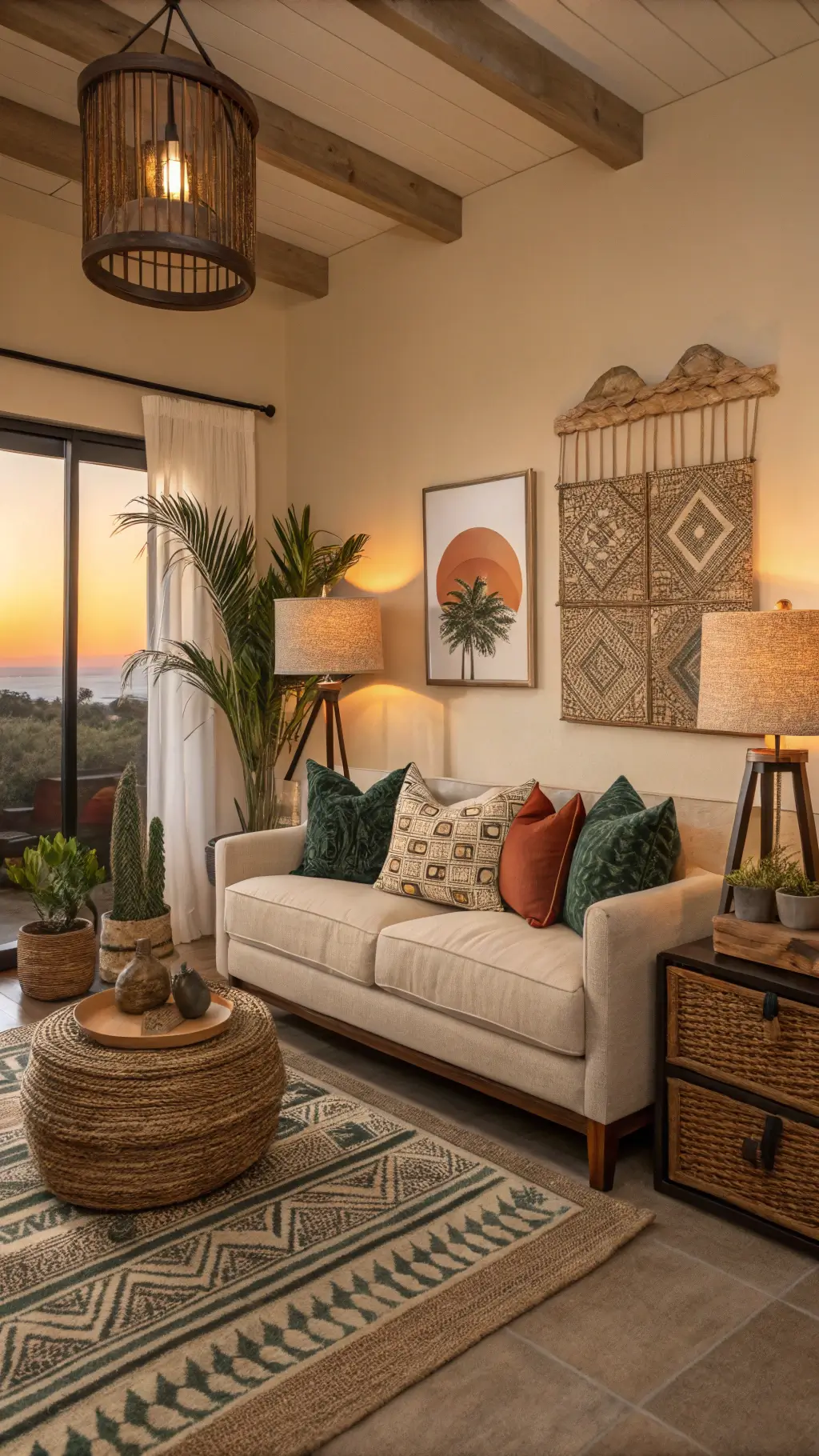
🌟 Steal This Look
- Paint Color: Valspar Sage Mastery 5007-6B
- Furniture: Low-profile walnut coffee table with rounded edges, curved boucle accent chair, modular linen sectional with breathable spacing between pieces
- Lighting: Paper-and-bamboo pendant cluster at varying heights, dimmable LED floor lamp with rice paper shade, brass table lamp with warm 2700K bulb
- Materials: Unbleached linen, natural rattan, warm oak, matte ceramic, live-edge wood with soft organic silhouettes
I always tell clients to walk through their living room with eyes half-closed—if you feel yourself naturally slowing or shifting around something, that’s your body reading blocked energy that needs addressing.
Budget-Friendly Feng Shui Upgrades
Under $50 Fixes:
- Add indoor plants
- Use mirrors strategically
- Incorporate crystals
- Use essential oil diffusers
- Add natural fiber rugs
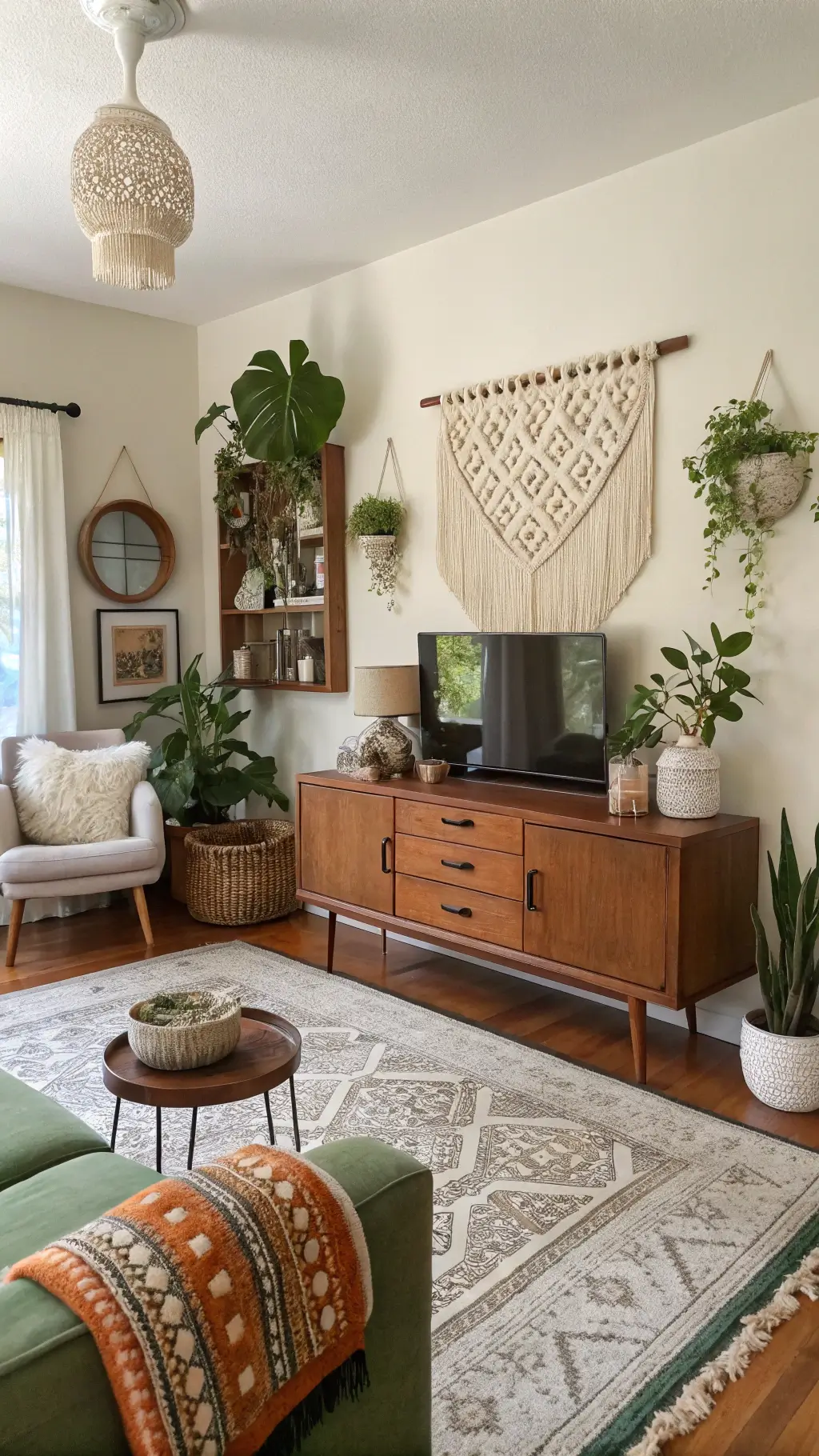
🌟 Steal This Look
- Paint Color: PPG Glade Green 30GY 30/100
- Furniture: Low-profile wooden coffee table with rounded edges, bamboo or rattan accent chair
- Lighting: Paper lantern pendant or natural linen drum shade for soft, diffused light
- Materials: Natural jute, sisal or seagrass rugs; smooth river stones; untreated wood; living plants in ceramic or terracotta vessels
There’s something quietly powerful about walking into a room that breathes—where a simple jute rug underfoot and the gentle scent of eucalyptus from a diffuser can shift your entire evening from scattered to centered.
Common Mistakes to Avoid
Red Flags:
- Cluttered spaces
- Blocking natural pathways
- Ignoring natural light
- Using too many competing colors
- Placing furniture against walls
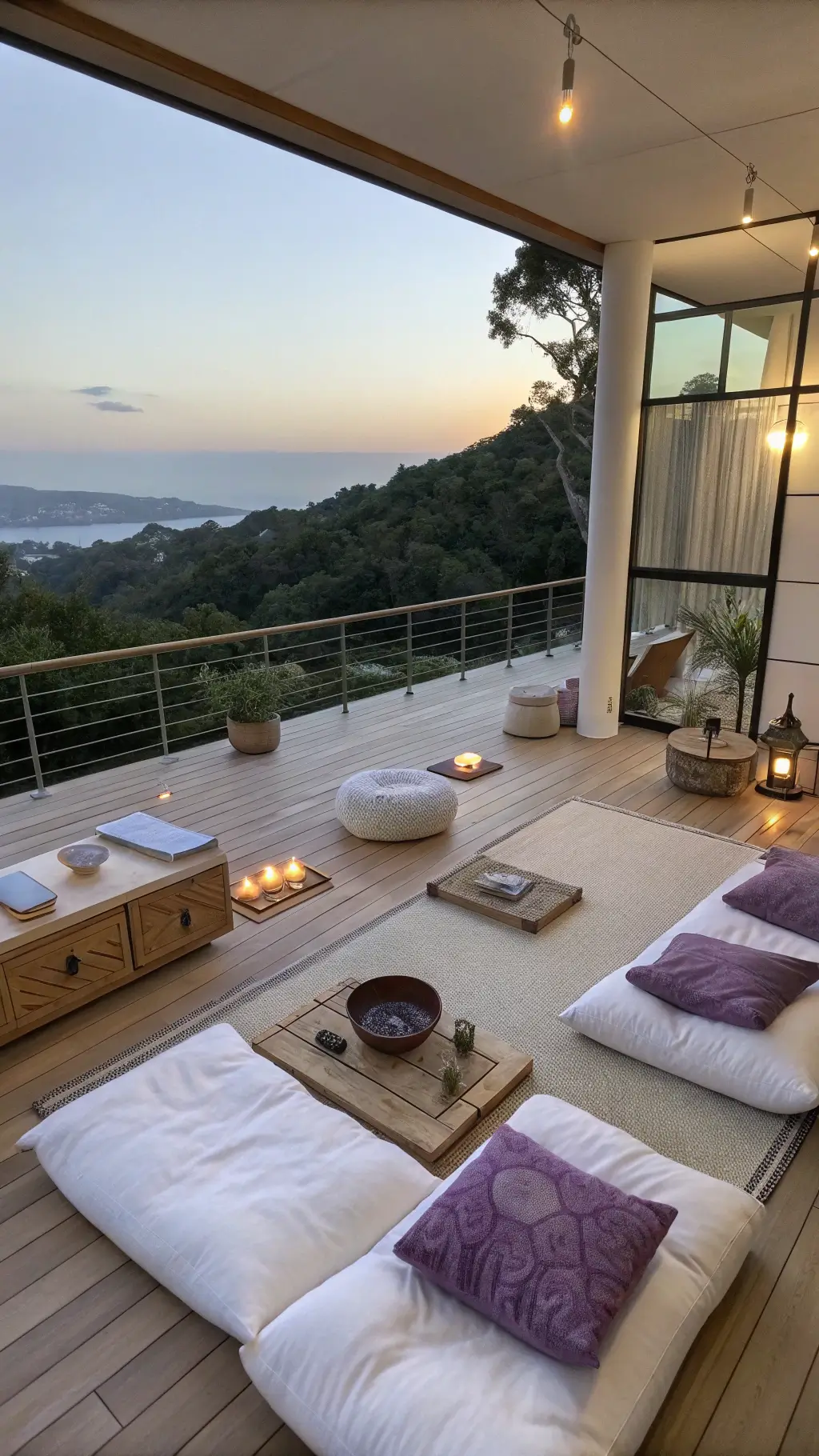
💡 Steal This Look
- Paint Color: Dunn-Edwards Whisper DEW340
- Furniture: Low-profile, rounded sectional with curved arms to encourage circular energy flow; floating placement 3-4 inches from walls
- Lighting: Layered lighting with adjustable dimmers: floor lamp with linen shade for ambient, table lamps for task lighting, avoiding harsh overhead fixtures
- Materials: Natural wood coffee table with rounded edges, wool or jute area rug defining conversation zone, breathable linen upholstery, live plants for wood element balance
I’ve walked into too many living rooms that feel like furniture showrooms rather than gathering spaces — the moment you pull that sofa even twelve inches off the wall and angle it toward the door, the room exhales and people actually want to linger.
Your Feng Shui Checklist
Quick Implementation Guide
- Clear physical clutter
- Balance colors
- Introduce natural elements
- Create open pathways
- Use soft, layered lighting
- Add personal meaningful objects
Final Thoughts
A feng shui living room works when the seating stays supported and the path stays clear. A sofa against a solid wall keeps it settled.