Japandi Dresser: The Ultimate Guide to Minimalist Storage Elegance
We picked a japandi dresser with one wood tone and clean handles, and it kept the room calm. A japandi dresser works when the lines stay simple and the storage stays hidden.
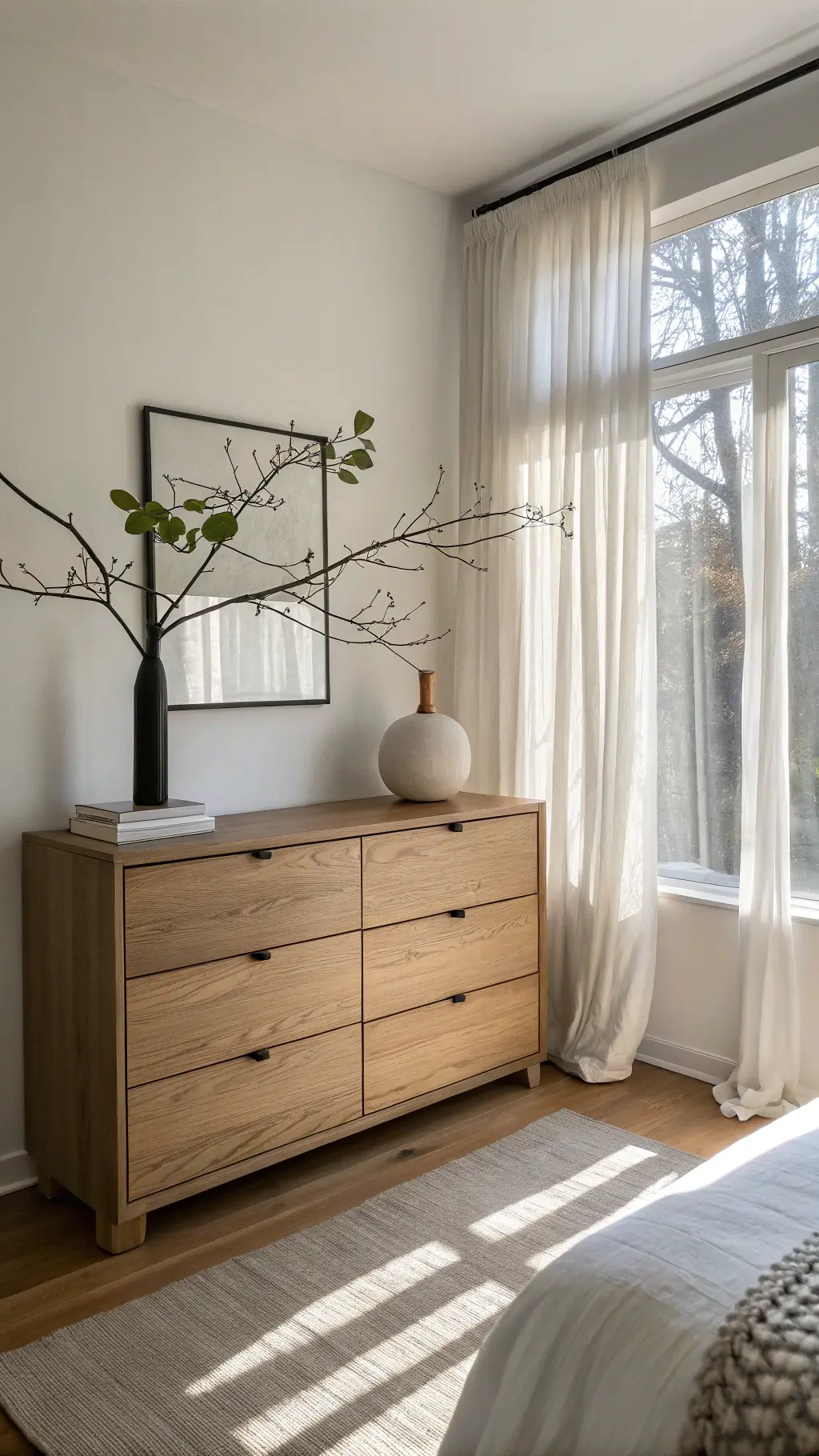
🏠 Steal This Look
- Paint Color: Sherwin-Williams Alabaster SW 7008
- Furniture: low-profile oak dresser with finger-pull drawers, woven rattan accent chair, platform bed with integrated nightstand
- Lighting: paper globe pendant light with black cord, slender brass floor lamp with linen shade
- Materials: light white oak, natural cane webbing, matte black metal hardware, unbleached linen, textured ceramics
I spent months hunting for the right dresser for my own bedroom, and the moment I found one with those clean oak lines and whisper-quiet soft-close drawers, the whole room finally exhaled—it’s the piece that taught me storage can feel like a meditation.
What Exactly is a Japandi Dresser?
Imagine a furniture piece that whispers calm instead of shouting for attention. That’s a Japandi dresser – where Japanese minimalism meets Scandinavian practicality.
Core Design Principles
The Perfect Blend of Form and Function:
- Stripped-down silhouettes
- Natural wood materials
- Neutral color palette
- Zero unnecessary ornamentation
- Maximum storage efficiency
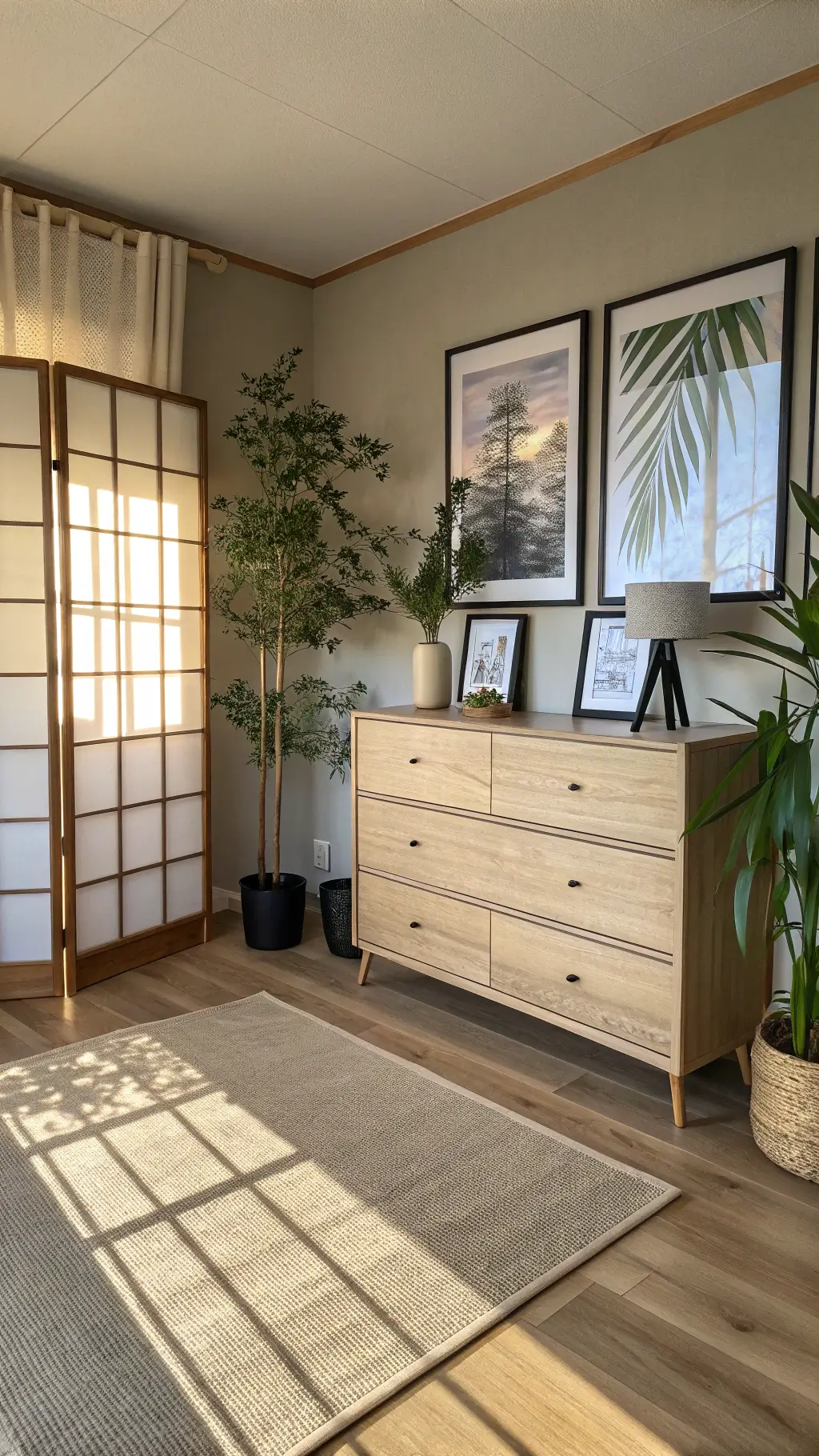
🌟 Steal This Look
- Paint Color: Benjamin Moore White Dove OC-17
- Furniture: Low-profile oak dresser with finger-pull drawers, clean rectangular form, no visible hardware
- Lighting: Paper globe pendant or slender black metal arc floor lamp with rice paper shade
- Materials: White oak or ash wood with visible grain, matte black metal accents, natural linen or cotton textiles, unglazed ceramic
I find myself drawn to Japandi dressers because they solve the eternal tension between wanting a serene bedroom and actually owning stuff—these pieces hide the chaos while feeling like sculpture.
Why Japandi Dressers Are a Game-Changer
Aesthetic Benefits
- Creates visual breathing room in your space
- Reduces visual clutter dramatically
- Provides timeless elegance that won’t feel dated
Practical Advantages
- Incredible storage capacity
- Easy to clean and maintain
- Blends seamlessly with multiple design styles
- Promotes a sense of inner calm and organization
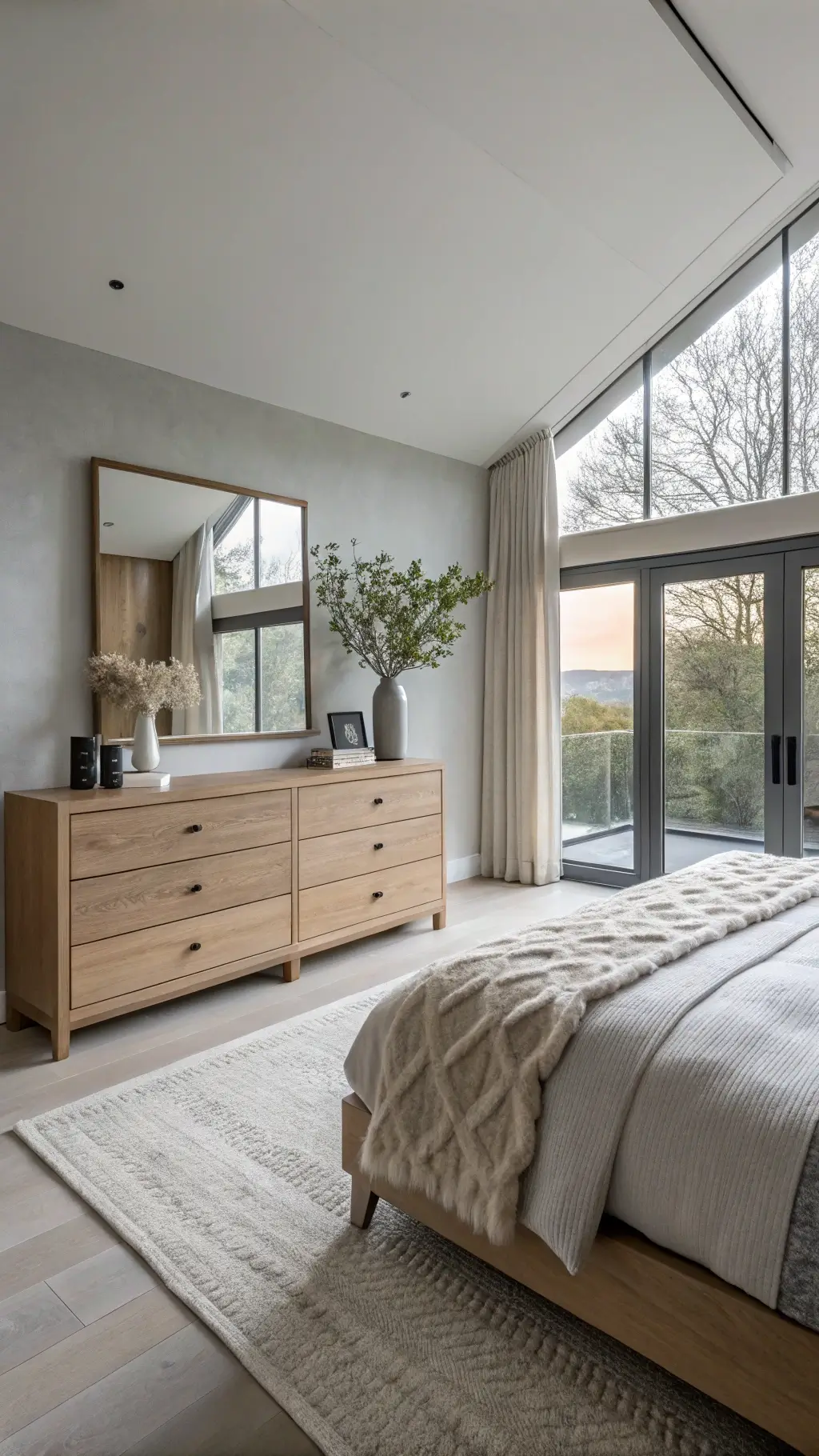
✎ Steal This Look
- Paint Color: Farrow & Ball Skimming Stone 241
- Furniture: Low-profile oak dresser with clean lines, rattan or cane drawer fronts, minimalist brass pulls, paired with a low platform bed and floating nightstands
- Lighting: Paper lantern pendant or rice paper floor lamp with warm diffused glow
- Materials: Light oak or ash wood, natural cane webbing, unbleached linen, matte black metal accents, raw ceramic
I always tell clients that a Japandi dresser becomes the quiet anchor of a bedroom—it holds everything you need while asking for nothing in return, and that restraint feels like a exhale every morning.
Selecting Your Ideal Japandi Dresser
What to Look For
- Wood Quality: Solid oak or ash preferred
- Finish: Matte, natural wood tones
- Drawer Mechanism: Smooth, silent gliding
- Construction: Minimalist joinery techniques
Typical Price Range
- Budget: $300 – $800
- Mid-range: $800 – $1,500
- Premium: $1,500 – $3,000+
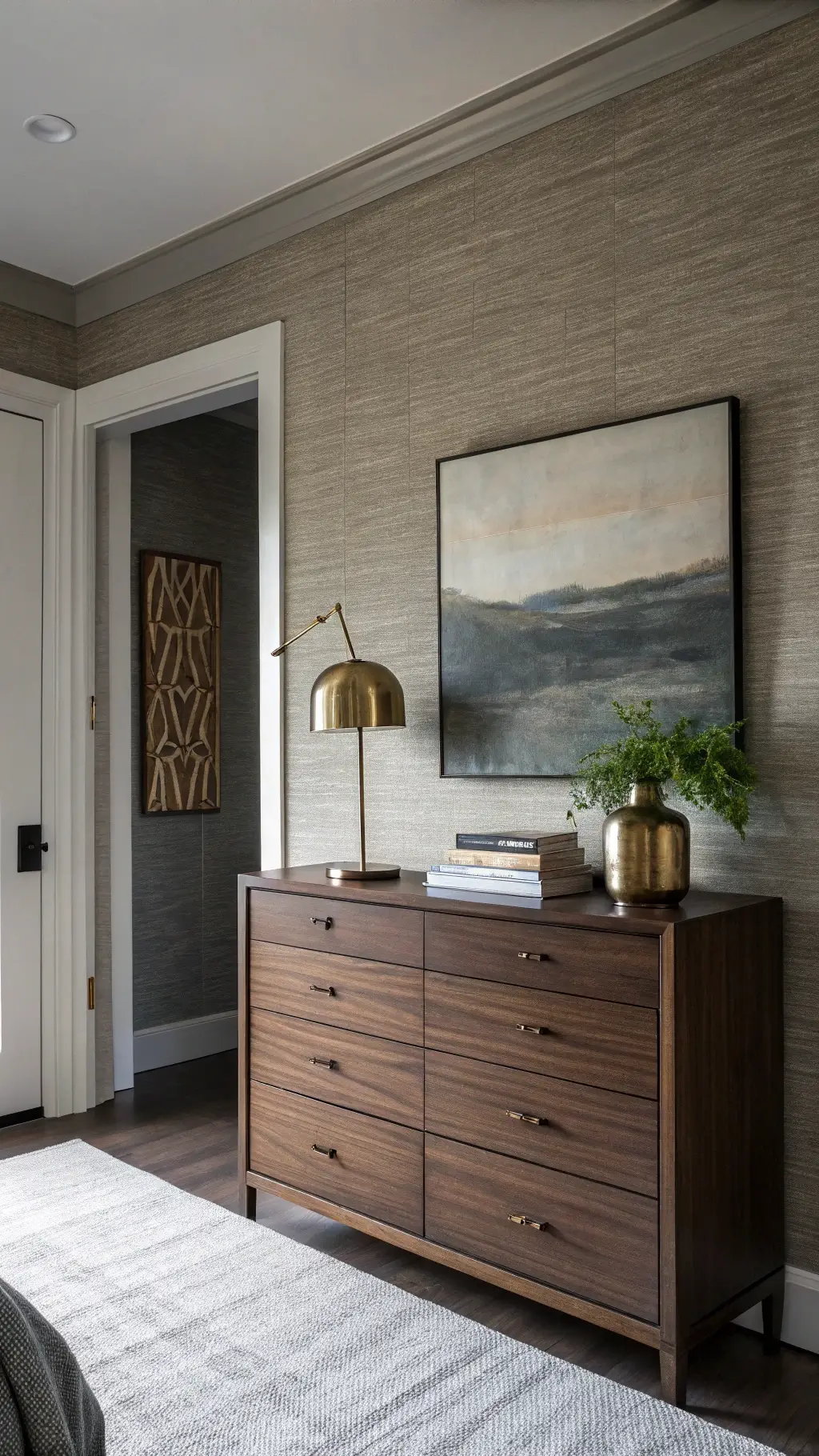
✎ Steal This Look
- Paint Color: Behr Swiss Coffee 12
- Furniture: Low-profile oak dresser with clean lines, tapered legs, and finger-pull drawers; pair with a simple platform bed frame in matching ash wood
- Lighting: Paper globe pendant or slim arched floor lamp with linen shade
- Materials: Raw oak, natural linen, unbleached cotton, matte black metal hardware, rice paper
I always tell clients to run their hand along the drawer front before buying—Japandi is about honest materials you want to touch, not perfect surfaces that feel like plastic.
Styling Your Japandi Dresser Like a Pro
Recommended Decor Approach
- One statement ceramic piece
- Small potted plant
- Minimal artwork
- Avoid overcrowding surfaces
Color Palette Recommendations
- Soft whites
- Warm greys
- Beige tones
- Muted earth colors

✎ Steal This Look
- Paint Color: Valspar Cozy White 7001-4 for walls, Valspar Garden Stone 4004-2A for dresser accent
- Furniture: Low-profile oak or walnut dresser with clean joinery, no visible hardware, floating or tapered legs
- Lighting: Paper globe pendant or simple linen drum shade, warm 2700K bulb
- Materials: Raw oak, matte ceramic, unbleached linen, hand-thrown pottery, dried botanicals, washi paper
I always tell clients to style their dresser the night before, then remove one item in the morning—that final edit is what separates cluttered from curated.
Where to Find Authentic Japandi Dressers
Top Retailers
- West Elm
- CB2
- Article
- IKEA Scandinavian Collection
- Specialized online marketplaces

🎨 Steal This Look
- Paint Color: PPG Silken Pine PPG1122-2
- Furniture: low-profile oak dresser with finger joint construction, tapered legs, and minimal hardware
- Lighting: paper globe pendant or slender arc floor lamp in matte black
- Materials: white oak, ash, or walnut solids; natural linen; unlacquered brass; rice paper; hand-thrown ceramics
There’s something deeply satisfying about opening a dresser drawer and feeling the weight of solid wood—it’s the difference between buying furniture and bringing home an heirloom that grounds your entire bedroom ritual.
Maintenance Tips
Keeping Your Dresser Pristine
- Dust weekly with microfiber cloth
- Use wood-specific cleaning products
- Avoid direct sunlight
- Check drawer mechanisms annually
🖼 Steal This Look
- Paint Color: Dunn-Edwards Swiss Coffee DEW341
- Furniture: Low-profile oak dresser with clean joinery and minimal hardware, featuring soft-close drawers and natural oil finish
- Lighting: Pendant light with rice paper shade or slim matte black wall sconce for gentle ambient illumination
- Materials: White oak, walnut, or ash with visible grain; natural linen drawer liners; beeswax or tung oil finishes; matte black or brass minimal hardware
There’s something meditative about caring for a well-made dresser—the ritual of buffing oak grain or smoothing a sticky drawer track connects you to the craftsmanship. I’ve found that Japandi pieces actually improve with attentive maintenance; the wood deepens, the patina tells your story.
Common Mistakes to Avoid
Warning Signs of a Poor Japandi Dresser:
- Overly glossy finishes
- Complicated hardware
- Non-sustainable materials
- Excessive decorative elements

✎ Steal This Look
- Paint Color: Clare Paint Whipped CL1001
- Furniture: Low-profile oak or walnut dresser with finger-pull drawers, no visible hardware, matte oiled finish
- Lighting: Pendant light in washi paper or raw linen with blackened steel accents
- Materials: Solid FSC-certified oak or walnut, natural oil finish, rice paper, unbleached linen, matte black powder-coated steel
I’ve watched too many people fall for ‘Japandi-inspired’ pieces that are really just cheap Scandinavian knockoffs with bamboo trim added on—trust your eye for honest materials over marketing labels.
Investment Perspective
A quality Japandi dresser isn’t just furniture – it’s a lifestyle statement. Expect to invest in a piece that:
- Lasts 10-15 years
- Maintains aesthetic value
- Supports minimalist living principles
Final Thoughts
Japandi dressers represent more than storage – they’re a philosophy of living intentionally. By choosing this design, you’re selecting peace, simplicity, and understated sophistication.
Quick Decision Checklist
- ✓ Matches existing decor
- ✓ Fits budget
- ✓ Meets storage needs
- ✓ Aligns with personal aesthetic
A japandi dresser works when the lines stay simple and the storage stays hidden. One wood tone and clean handles keep the room calm.