What Makes Wabi-Sabi Painting Unique?
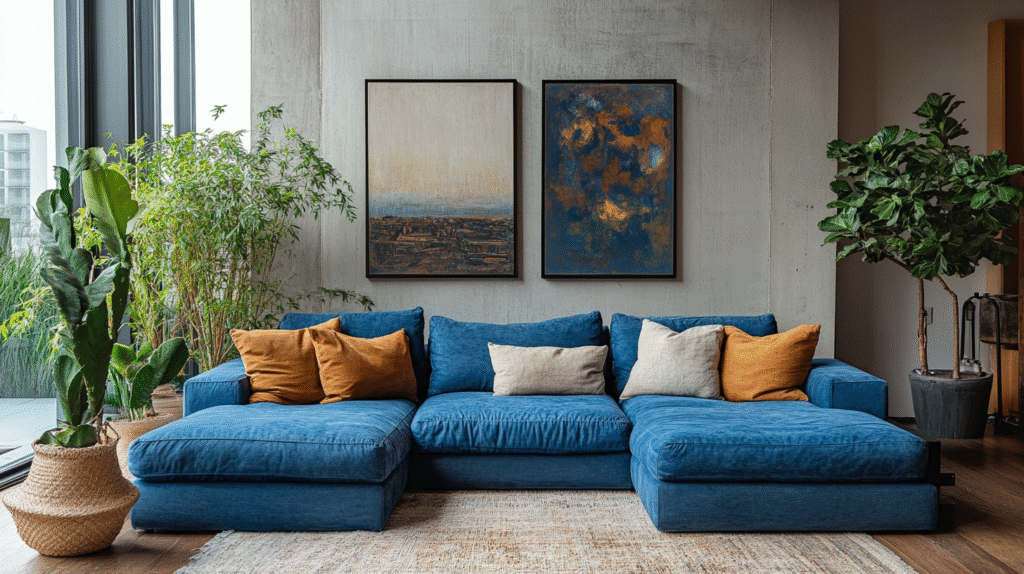
We hung one muted, uneven landscape and left the rest of the wall bare, and the room felt wabi sabi. Wabi sabi painting ideas work when the piece is imperfect and the frame stays simple.
- Imperfection is perfection
- Embraces natural decay and simplicity
- Celebrates asymmetry and organic textures
- Finds profound beauty in the weathered and worn

🎨 Steal This Look
- Paint Color: Sherwin-Williams Accessible Beige SW 7036
- Furniture: reclaimed wood furniture with natural weathering and visible grain
- Lighting: soft ambient lighting with warm Edison bulbs or paper lanterns
- Materials: raw linen, aged ceramics, weathered wood, and natural stone textures
There’s something deeply calming about a space that doesn’t demand perfection from you. Wabi-sabi painting invites you to find beauty in the brushstrokes that aren’t quite straight and the colors that fade naturally over time.
5 Transformative Wabi-Sabi Painting Techniques
1. Textured Minimalist Landscapes
Materials You’ll Need:
- Acrylic paints
- Texture pastes
- Natural brushes or palette knives
- Earthy canvas (linen or raw wood)
Technique:
- Layer muted earth tones (soft whites, sage greens, dusty browns)
- Apply paint unevenly, allowing brush strokes to remain visible
- Create depth through gentle, imperfect textures

2. Organic Mixed Media Magic
Unexpected Materials:
- Sand
- Pressed leaves
- Bark fragments
- Linen threads
Creative Process:
- Embed natural materials directly into wet paint
- Let materials guide your composition
- Embrace unexpected textures and shapes

3. Asymmetric Geometric Expressions
Key Principles:
- Reject perfect lines
- Celebrate uneven edges
- Use negative space intentionally
Painting Approach:
- Draw simple, slightly askew shapes
- Leave portions of canvas intentionally blank
- Focus on visual balance, not mathematical precision

4. Weathered Layer Techniques
Aging Your Artwork:
- Use diluted paint washes
- Allow previous layers to peek through
- Gently sand or scratch dried surfaces
Color Recommendations:
- Soft neutrals
- Muted grays
- Dusty blues
- Warm beiges

5. Subdued Color Explorations
Color Philosophy:
- Avoid high-contrast palettes
- Blend subtle color variations
- Create tranquil visual experiences
Palette Suggestions:
- Taupe
- Moss green
- Stone gray
- Dusty blue

💡 Steal This Look
- Paint Color: Benjamin Moore Moonshine OC-56 for base walls with accent areas in Benjamin Moore Mesquite AC-35 and Benjamin Moore October Mist 1495
- Furniture: low-profile natural wood easel, reclaimed wood art storage shelves, linen-upholstered artist stool
- Lighting: adjustable brass swing-arm wall lamp, natural daylight LED panel for color accuracy
- Materials: raw linen canvas, natural fiber brushes, unfinished wood panels, organic texture mediums
There’s something deeply meditative about letting paint flow imperfectly across canvas, watching as natural materials create their own unexpected beauty. These techniques transform your art practice into a mindful celebration of life’s beautiful imperfections.
Pro Tips for Wabi-Sabi Artists
- Tool Experiment: Use unconventional mark-making tools
- Mindset Matters: Embrace mistakes as part of the process
- Less is More: Simplicity trumps complexity
✎ Steal This Look
- Paint Color: Farrow & Ball Shaded White No.201 for walls with accent details in Farrow & Ball Mouse’s Back No.40
- Furniture: weathered reclaimed wood easel with natural imperfections and aged patina
- Lighting: adjustable brass pharmacy lamp with warm Edison bulb for focused art lighting
- Materials: raw linen canvas, natural hemp rope, unfinished wood panels, and textured handmade paper
There’s something deeply liberating about giving yourself permission to create imperfect art. When I first embraced wabi-sabi painting techniques, I discovered that my most meaningful pieces came from the moments when I stopped controlling and started responding.
Common Beginner Mistakes to Avoid
- Trying to achieve perfect symmetry
- Overworking the painting
- Using overly vibrant colors
- Stressing about “mistakes”

🏠 Steal This Look
- Paint Color: Behr Aged Beige S210-2 for creating natural, imperfect wabi sabi walls that embrace subtle color variations
- Furniture: weathered wood easel and simple wooden stool for authentic painting setup
- Lighting: adjustable desk lamp with warm LED bulb for consistent painting light
- Materials: natural canvas, bamboo brushes, and earth-toned acrylic paints
Learning wabi sabi painting is about unlearning perfectionism and embracing the beauty of impermanence. Your first attempts should feel freeing, not stressful.
Your Wabi-Sabi Journey
Remember, wabi-sabi painting is a meditative practice. It’s about:
- Accepting imperfection
- Finding beauty in simplicity
- Connecting with natural rhythms
In wabi-sabi, every crack tells a story, every imperfection sings a song of authentic beauty.”
Quick Start Wabi-Sabi Painting Ideas
- Textured abstract on raw canvas
- Asymmetric color blocks
- Weathered landscape with visible brushstrokes
- Mixed-media piece with embedded natural elements
- Minimalist ink wash painting
Final Wisdom: Don’t overthink. Feel the art. Let it flow naturally.
Final Thoughts
Wabi sabi painting ideas work when the piece is imperfect and the frame stays simple. One muted, uneven landscape on a bare wall is enough.