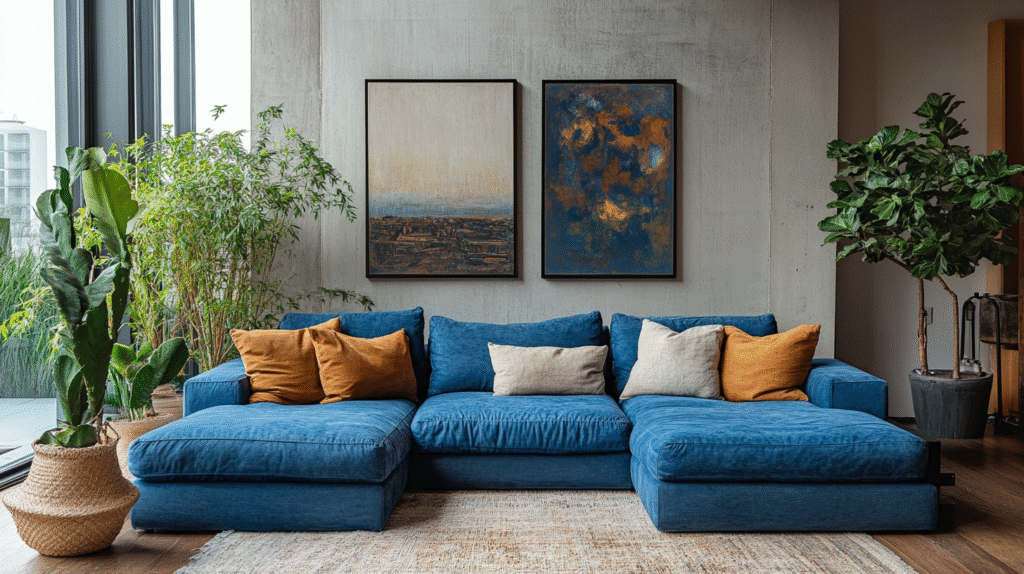
Who This Style Is Actually For
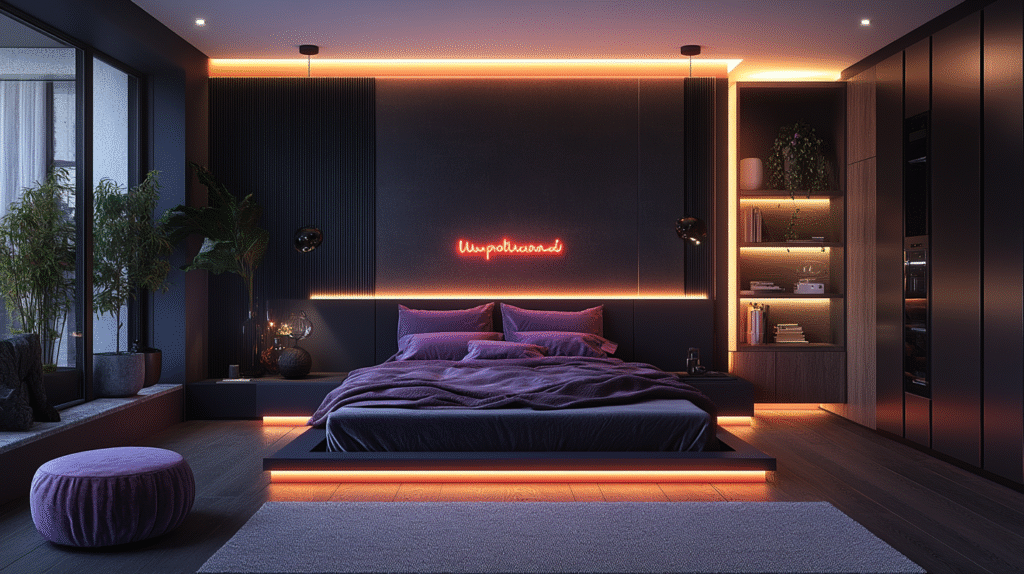
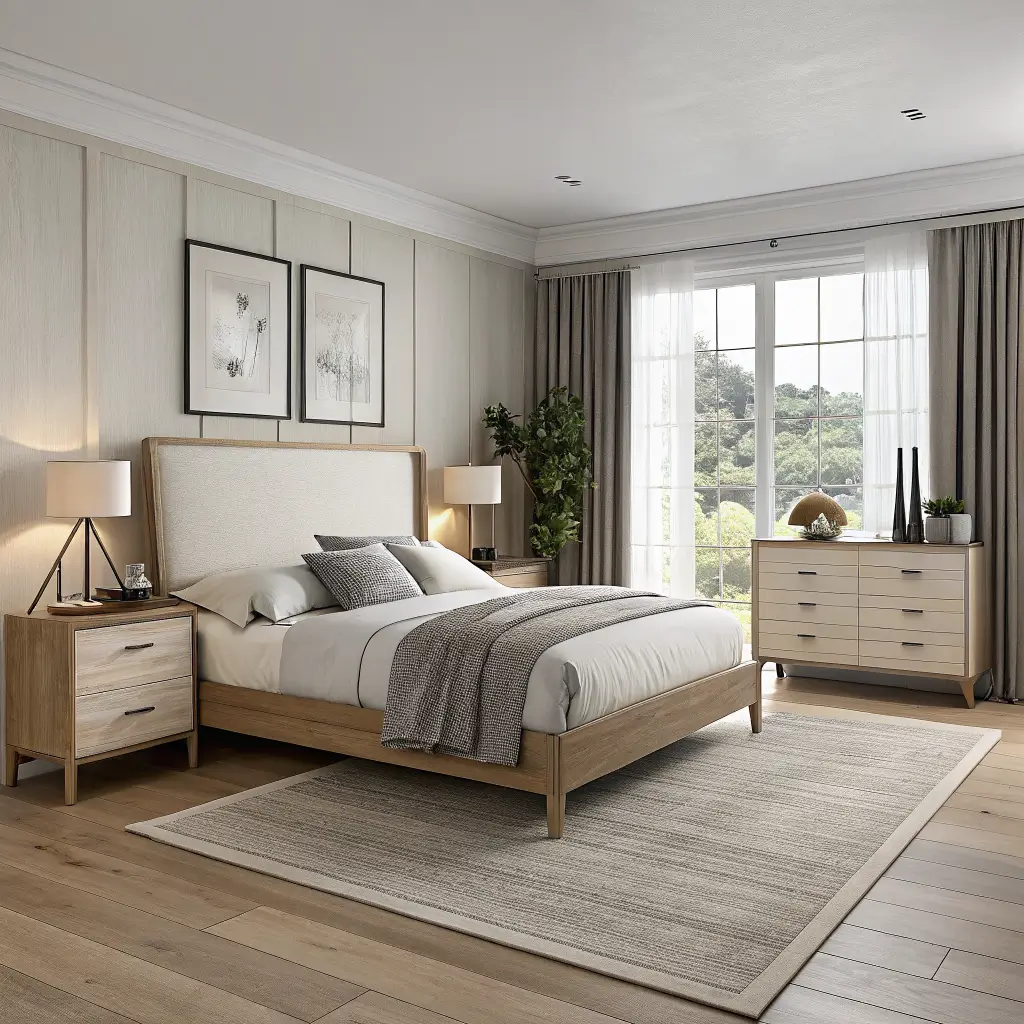
The contemporary minimalist bedroom is where I found that bare can still be warm. One wood tone and soft light kept it from feeling like a hotel.
If you’re the kind of person who feels calmer walking into a room where every surface isn’t covered in things, this is your style. It suits:
– Small apartments and city bedrooms where visual clutter magnifies quickly
– Light sleepers and anyone who’s noticed their bedroom affects their mood
– People who want a room that won’t look dated in three years
– Anyone tired of chasing trends and ready to spend once on a few good pieces
It works in a 9′ x 10′ shoebox and a 14′ x 16′ primary suite equally well. Small rooms actually benefit more, because minimalism gives them room to breathe.
The Look in Plain Terms
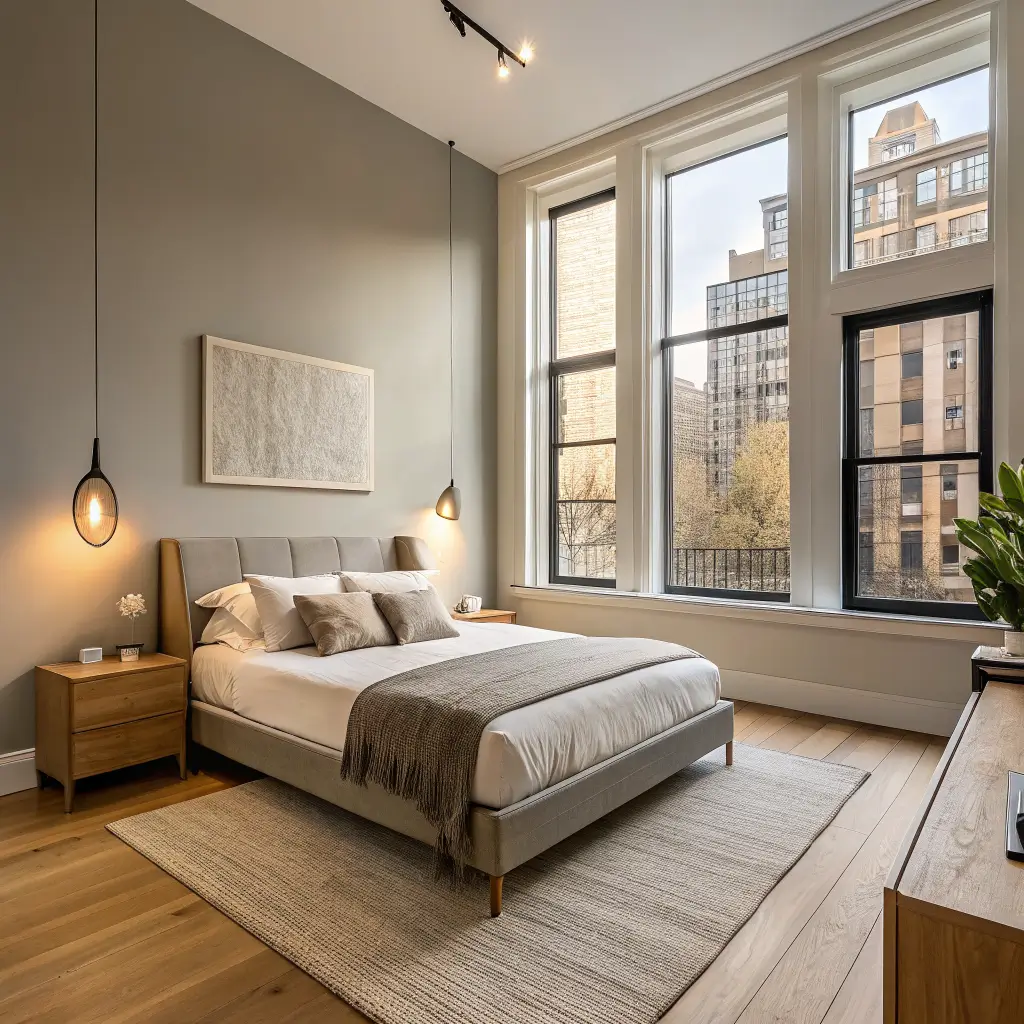
Contemporary minimalism today isn’t the 2010s stark-white-box version. It’s warmer, softer, and more textural. Think Scandinavian influence — pale woods, linen, restraint — with a bit more depth in the palette.
The core moves:
– Restrained palette (3–4 colors, tops)
– Clean-lined furniture with no fussy detailing
– Layered texture doing the work color usually does
– Mostly empty surfaces — one or two considered objects per surface, not a display
– Warm light, never overhead fluorescents blasting the whole room
Colors and Materials That Actually Work
I’ve tested a lot of neutrals, and here’s what I’d tell a friend:
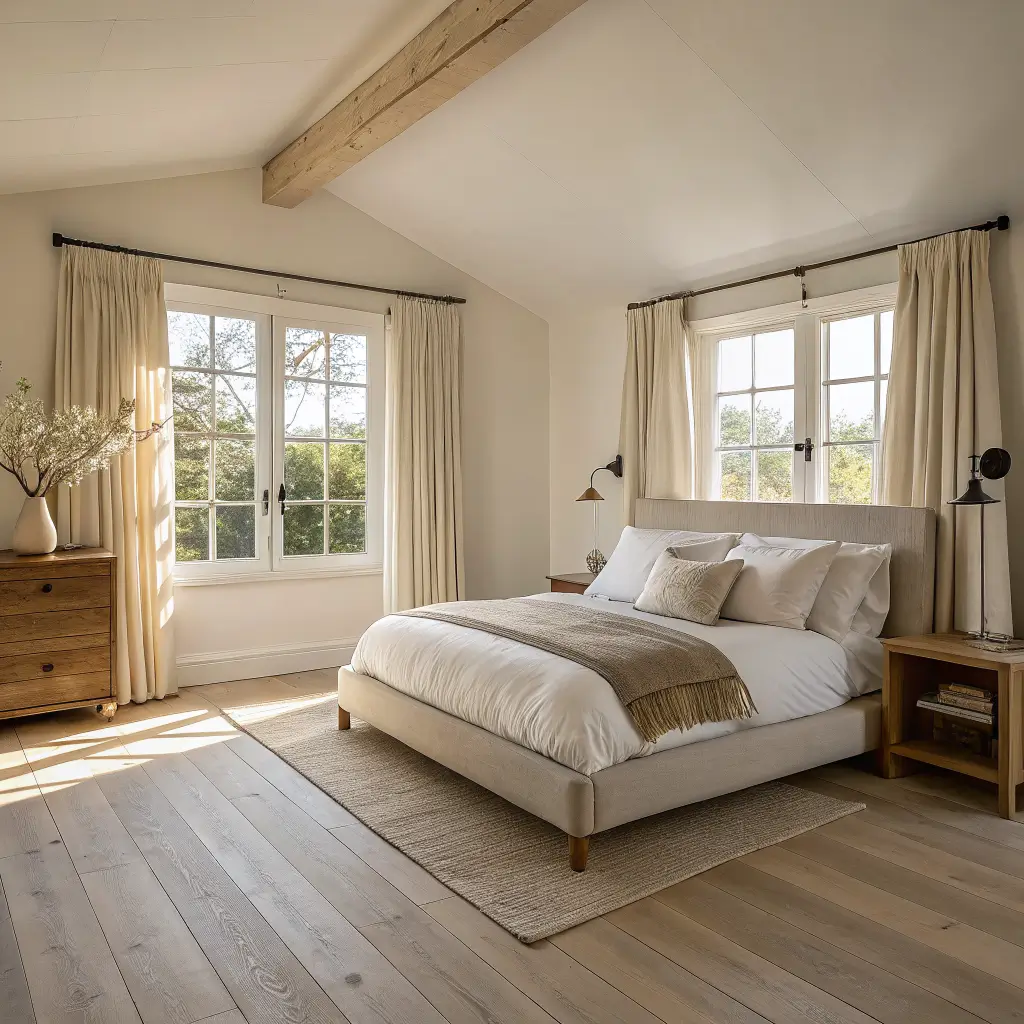
Walls: Skip pure white. It reads clinical under warm bulbs and cold under daylight. Go for a warm white with a hint of cream, or a soft greige. Farrow & Ball’s Slipper Satin or Benjamin Moore’s Classic Gray are the kind of tones I mean — light, but with warmth underneath. In a matte or eggshell finish for walls, never satin (too shiny for this look).
Wood: Pick one wood tone and repeat it. Mixing light oak, mid walnut, and a dark stained piece in one small room is what makes minimalist bedrooms look accidentally chaotic. I use white oak throughout mine.
Textiles: Linen bedding is worth the money. It gets softer with every wash, wrinkles in the good way, and reads more expensive than it costs. Add wool or a chunky cotton knit throw, a wool or jute rug, and one boucle or velvet cushion for contrast.
Metals: Pick one. Matte black or brushed brass or brushed nickel. Not all three. I use matte black on lamp bases and hardware — it grounds the softer neutrals.
Accent colors to add depth without breaking the calm: clay, muted olive, dusty terracotta, a chalky blue. Used sparingly, one or two pieces max.
What You Actually Need (And What to Skip)
The furniture list is short on purpose.
The essentials:
– A platform bed with a low headboard, wood or upholstered in a neutral fabric
– A quality mattress
– Two matching nightstands — matching matters here; mismatched reads bohemian, not minimal
– One dresser or storage bench, low profile
– Two bedside lamps plus one ambient light source (overhead or a sconce)
– Curtains — blackout backing with a sheer layer in front if you can swing it
– One rug, sized correctly (more on this below)
What to skip: decorative pillow avalanches (2 sleeping + 2 decorative is plenty, and one throw), open bookshelves in the bedroom (visible spines = visual noise), any furniture with turned legs or ornamental hardware, TVs if you can help it.
Real Budget Numbers
I’ll give you what I’d actually spend and where.
Budget refresh, keeping your bed and mattress: $600–$1,200
– Linen duvet set: $150–$250
– 5×8 wool-blend rug: $200–$400
– Two lamps with warm bulbs: $120–$200
– Blackout + sheer curtain layers: $100–$250
Full mid-range redo: $2,000–$4,000
– Platform bed frame: $400–$900
– Mattress: $600–$1,200
– Nightstands (pair): $150–$400
– Dresser or bench: $300–$700
– Textiles, lighting, curtains, art: $600–$1,000
Higher end with solid hardwood and designer lighting: $4,000–$8,000+
Where to spend: the mattress, the bed frame, and the bedding. You touch these every day. Where to save: art (thrift frames, use free downloadable prints), the dresser (IKEA Malm or a secondhand mid-century piece both work), curtains (IKEA’s Sanela velvet blackout panels are $60 and read like $200 curtains).
Putting the Room Together
The order matters. Do it in this sequence and you won’t waste time.
1. Paint first. Nothing else looks right against the wrong wall color.
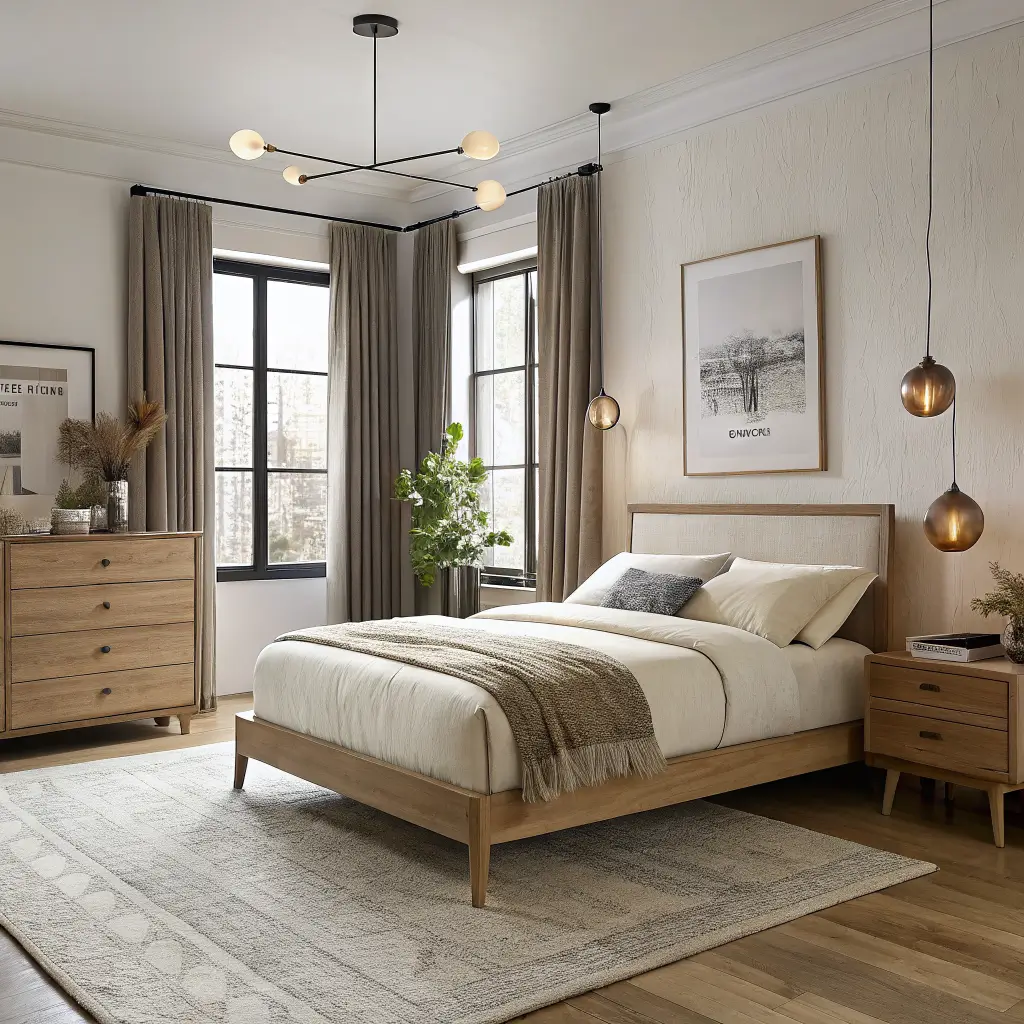
2. Center the bed on the longest uninterrupted wall, or on the wall opposite the door if that’s the natural view when walking in. Give yourself 24–30″ of walking clearance on each side.
3. Rug placement: the front two-thirds of the rug should sit under the bed, with about 18–24″ of rug showing on each side and at the foot. Under-sizing the rug is the single most common mistake I see. A 5×8 works for a queen only in tight rooms; a 6×9 or 8×10 is usually right.
4. Bedding: fitted sheet, flat sheet or none (I skip it), duvet, two sleeping pillows, two decorative pillows, one throw folded at the foot. Stop there.
5. Lamps and nightstands: matching lamps flanking the bed will do more for the room than almost anything else. Use 2700K bulbs, never higher. 3000K if you like slightly whiter light, but never above.
6. Curtains: hang them 4–6 inches above the window frame and extend the rod 6–10 inches past the frame on each side. This is the trick that makes windows look larger.
7. Art last. One large piece over the bed, or a pair of two, centered on the bed’s midline. Bottom edge should sit about 6–10″ above the headboard.
The 70-20-10 Rule I Actually Use
This is the one design rule that will save you from a busy or a sterile room:
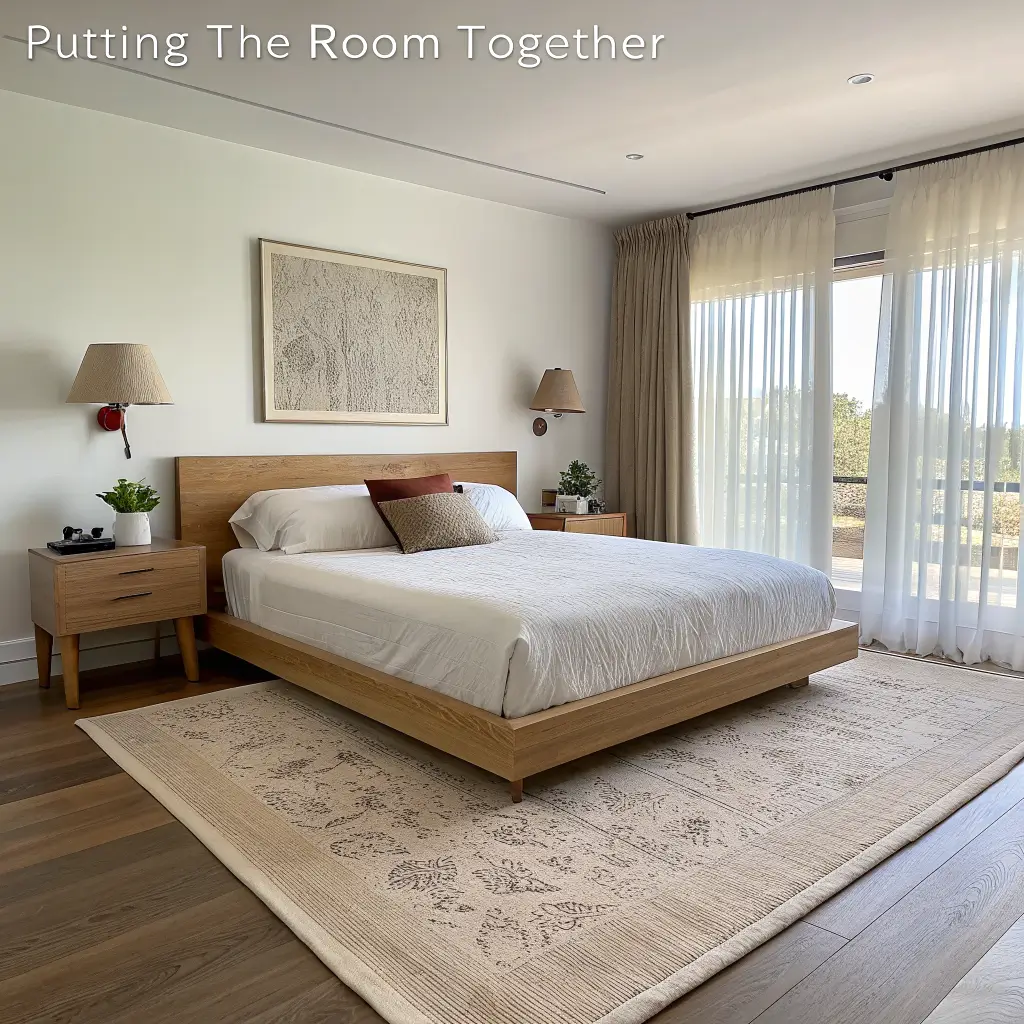
– 70% light neutral — walls, main bedding, curtains
– 20% mid-tone — wood furniture, rug, textile layers
– 10% dark accents — lamp bases, frames, hardware, one throw pillow
If your room feels off and you can’t figure out why, it’s almost always this ratio being wrong. Usually there’s too little of the 20% (not enough wood or warm texture), which is what makes minimalist rooms feel cold.
The Mistakes I’ve Made (So You Don’t Have To)
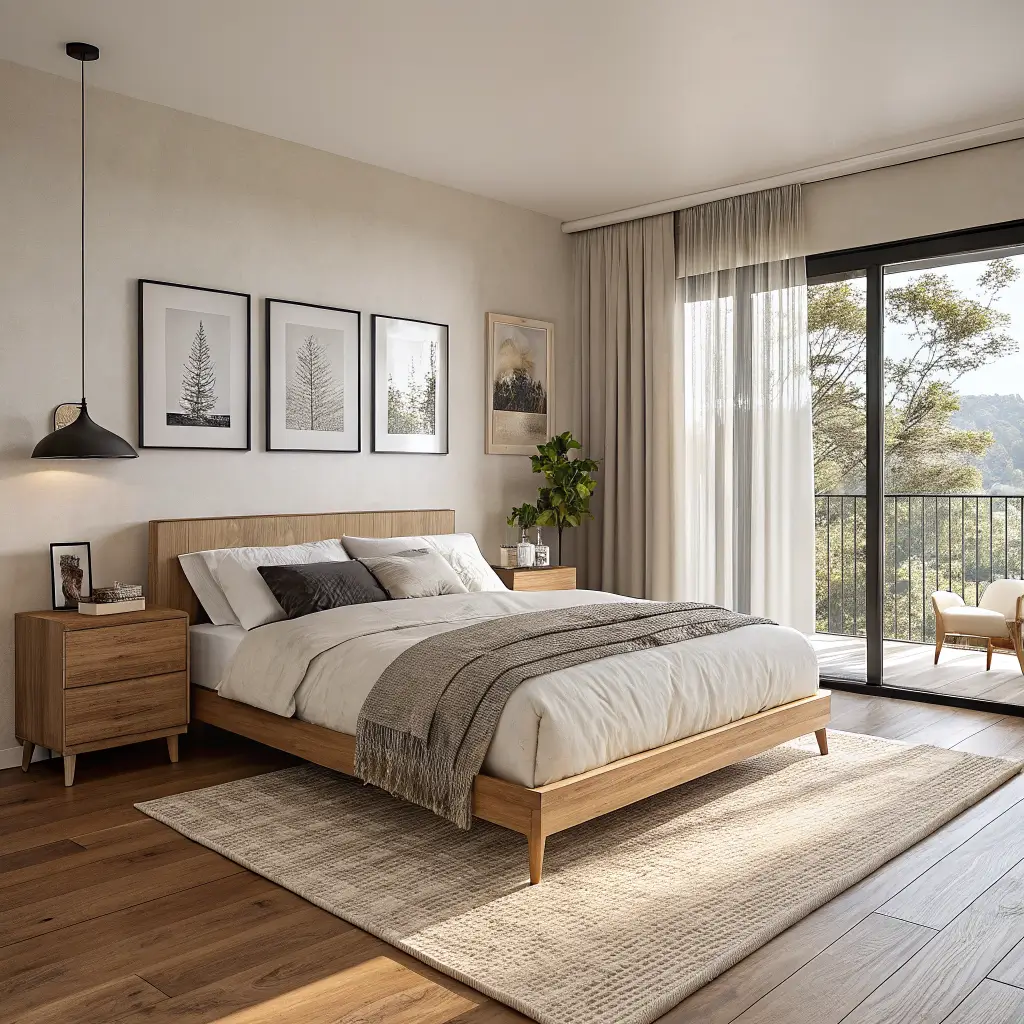
Mistake 1: The all-white void. My first attempt was white walls, white bedding, white curtains, black bed. It looked like an Airbnb photo and slept like a hotel room. Fix: pull in warm beige bedding, add a wool rug, swap in a wood-toned nightstand.
Mistake 2: Under-scaled rug. I bought a 4×6 for a queen bed. It looked like a bath mat. Went up to an 8×10 and the room finally settled.
Mistake 3: The lonely bed. Minimal doesn’t mean empty. My second version had a bed, one nightstand, and nothing else. It read like I’d just moved in. You need the full essential set — bed, two nightstands, dresser or bench, rug, lamps, curtains, one or two pieces of art — to make a room feel intentional rather than incomplete.
Mistake 4: Hidden clutter that isn’t hidden. Cords snaking down the wall behind the nightstand, a stack of “I’ll deal with it later” on the dresser, an open closet you can see from the bed. Closed storage and cable clips are non-negotiable. I use adhesive cord channels painted the wall color — invisible from three feet away.
Mistake 5: Style mixing. A macrame wall hanging, a farmhouse sign, a mid-century lamp, and a glam mirror in one room. Pick one supporting style — Scandi, warm minimal, soft modern — and stay in that lane.

Small Touches That Punch Above Their Weight
Once the bones are right, these are the details that lift the room:
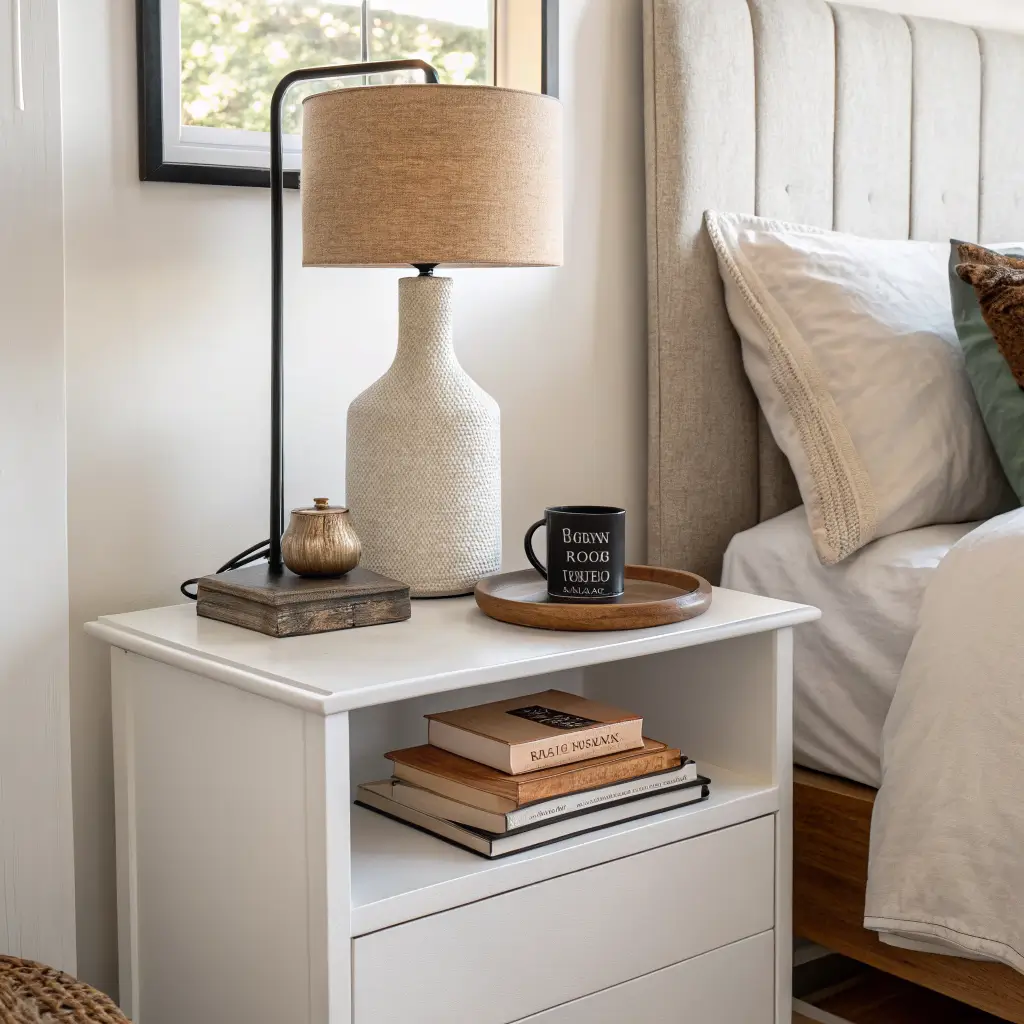
– A tray on each nightstand to corral the book, glasses, water carafe. Instant order.
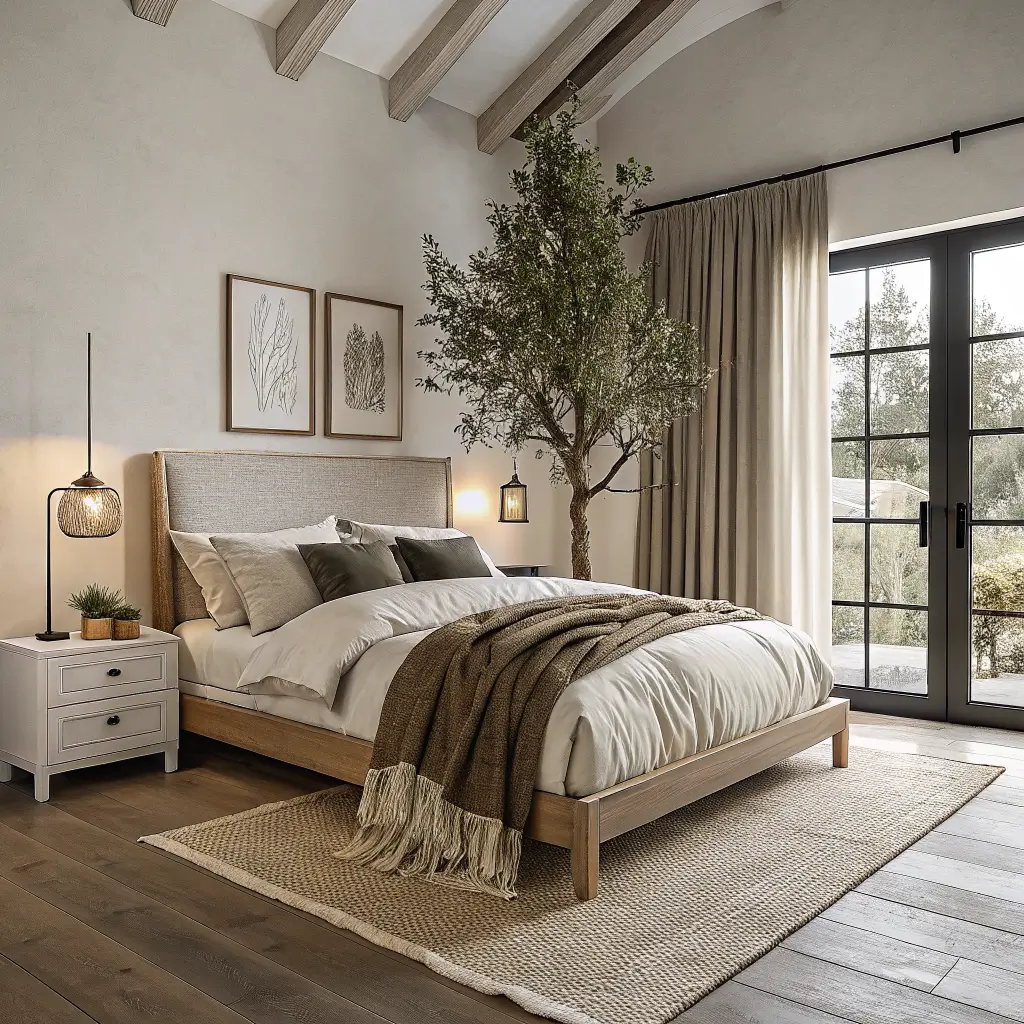
– One medium plant in the corner. A 4–5 foot rubber tree or olive tree earns its space. Skip small potted plants scattered around; they read as clutter.
– A single sculptural object on the dresser — a ceramic vase, a stack of two large-format books, a small wooden bowl. One thing, not five.
– Warm dimmable bulbs on every lamp. Being able to drop the light at 9pm changes how the room feels.
Seasonal Updates Without Redoing Anything
The furniture stays. The textiles change.
Winter: heavier linen or flannel duvet cover in a warmer tone (oatmeal, clay, warm grey), a chunky wool throw, one velvet or boucle pillow, 2700K bulbs.
Summer: lighter linen in white or pale sand, a waffle-weave cotton throw, sheer curtains pulled to the front layer, maybe swap one dark pillow for a cream one.
That’s the whole seasonal swap. Two hours of work, twice a year.
If You Want to Branch the Style
Once you have the minimal base right, you can lean it in a direction:
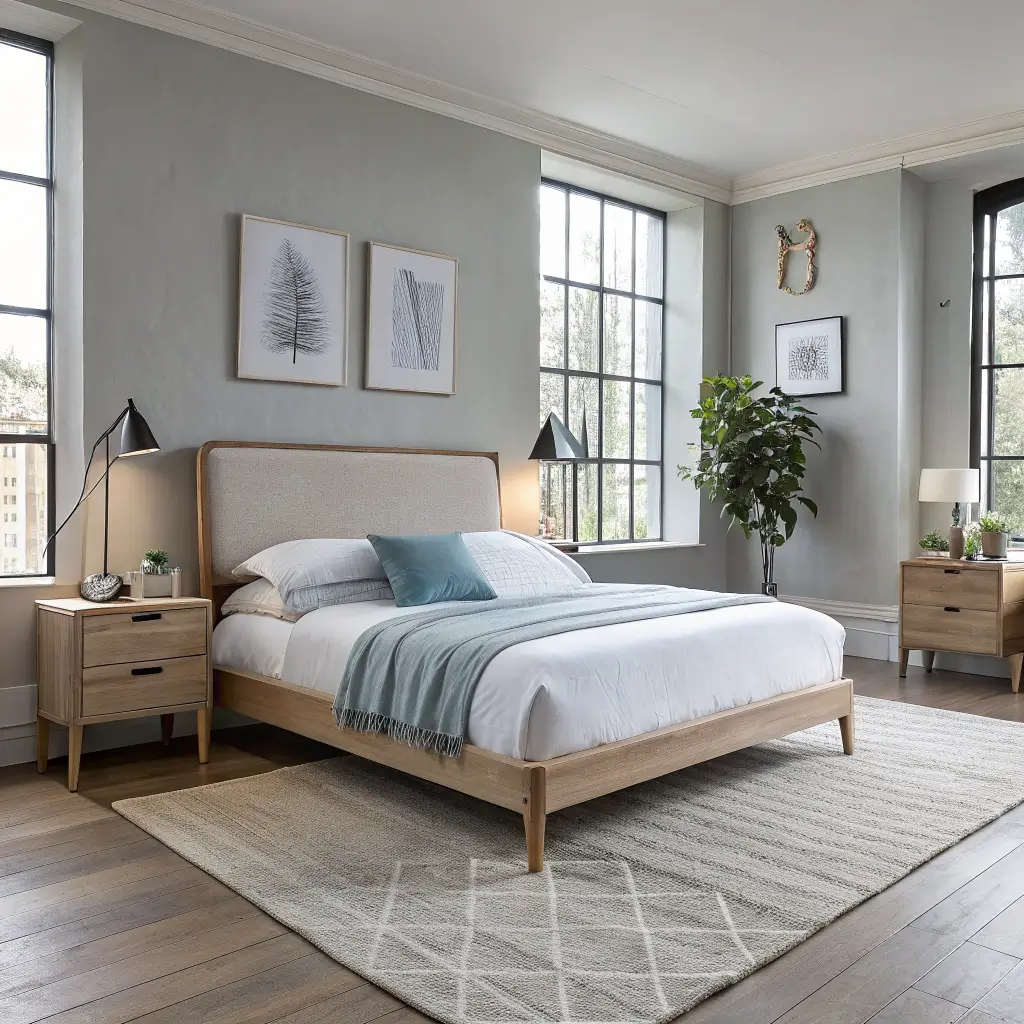
– Scandi-minimal: more pale oak and ash, cooler greys, one black accent per zone.
– Boho-minimal: one patterned rug (something like a faded Turkish or a subtle Berber), two woven baskets, everything else stays restrained.
– Coastal-minimal: swap warm beiges for cool sand tones, add one chalky blue pillow, sheer linen curtains in place of heavier drapes.
The rule that keeps any of these from going off the rails: whatever you add, remove one thing. Every addition needs to earn its place, and if you’re adding a fourth material or a fifth color, something else has to leave.
That’s the discipline the whole style rests on. Not less for the sake of less — less so the things that stay actually get to breathe.