Flying With Young Kids: Tips That Actually Work From a Parent Who’s Done It Wrong First
The flying with young kids tips I keep are the ones that worked on the worst flight. One backpack of surprises per child beat any plan I overthought.
Flying with young kids is the trip everyone warns you about, and the search history that gets frantic around 11pm the night before departure. I’ve flown with my two under five on everything from a 90-minute hop to a 14-hour transpacific, and I’ve made almost every mistake worth making. The good news: most meltdowns are preventable, and the gear you actually need is shorter than the internet suggests.
Here’s the whole system — what I pack, how I time things, where I spend, and what I’ve stopped bothering with.
Who This Is For (and What “Success” Looks Like)
If you have one to three kids under about eight, are flying economy on a major airline, and want fewer meltdowns rather than a Pinterest-perfect travel day, you’re in the right place. My baseline definition of a good flight: nobody cried for more than ten minutes straight, we didn’t lose anything important, and the people around us didn’t hate us by landing.
Start with a 2–4 hour flight if you can. Long-hauls over eight hours are a different sport — you’ll need sleep planning, more gear, and a lot more patience. Build up to those.
Prep window: most families need 3–7 days of active prep — booking seats together, gathering documents, downloading shows, buying snacks, and doing a dry run of the airport with your kids.
The Real Cost of Flying With Young Kids
Ballpark numbers, based on what I’ve actually paid over the last few years:
– Extra seat for an under-2: $150–$600+ per segment. Worth it on anything over three hours, in my opinion.
– FAA-approved car seat: $80–$200 for a basic convertible, $150–$350 for a travel-friendly one. Look for the label: “This restraint is certified for use in motor vehicles and aircraft.”
– Compact/travel stroller: $120–$300 for a lightweight fold, $200–$500 for the ultra-compact cabin-approved ones.
– Volume-limited kid headphones: $20–$60. Cheap ones break constantly. Mid-range is the sweet spot.
– Kids’ tablet: $80–$250, or hand down an old iPad.
– Activity bag per kid: $15–$40 in dollar-store finds and small surprises.
– Snacks: budget roughly $10–$20 per kid per travel day, and yes, that feels absurd until you’re on hour six.
Should you buy a seat for your under-2? Lap-infant is legal and free (or a small tax internationally), but I stopped doing it after one turbulent flight where my daughter was actually harder to hold than I expected. A car seat in her own seat means she sleeps in a familiar place, and my arms don’t go numb.
The Travel Style That Works: Calm, Predictable, Boring
The whole strategy is built on three things: rhythm, comfort, and organization. That’s it.
Rhythm means aligning the flight with your kids’ existing sleep and meal windows when you can. Early morning flights are gold for toddlers — they’re rested, and you can chase a nap around lunchtime. Red-eyes work for some families but backfire spectacularly for others (mine included; my son treats a dark plane like a rave).
Comfort means stretchy clothes, layers, and easy-off shoes. Soft hoodies, joggers, and leggings, not the cute little travel outfit you had visions of. Planes run cold. A thin muslin blanket is nonnegotiable in my bag.
Organization means one small bag at your feet with everything you’ll actually reach for during the flight, and a carry-on overhead for backup. If you’re digging in the overhead bin every 20 minutes, you’ve packed wrong.

The Gear That Earns Its Place
Hero pieces
– FAA-approved car seat for kids under about 40 lbs. Familiar seat = better sleep. Non-negotiable in turbulence.
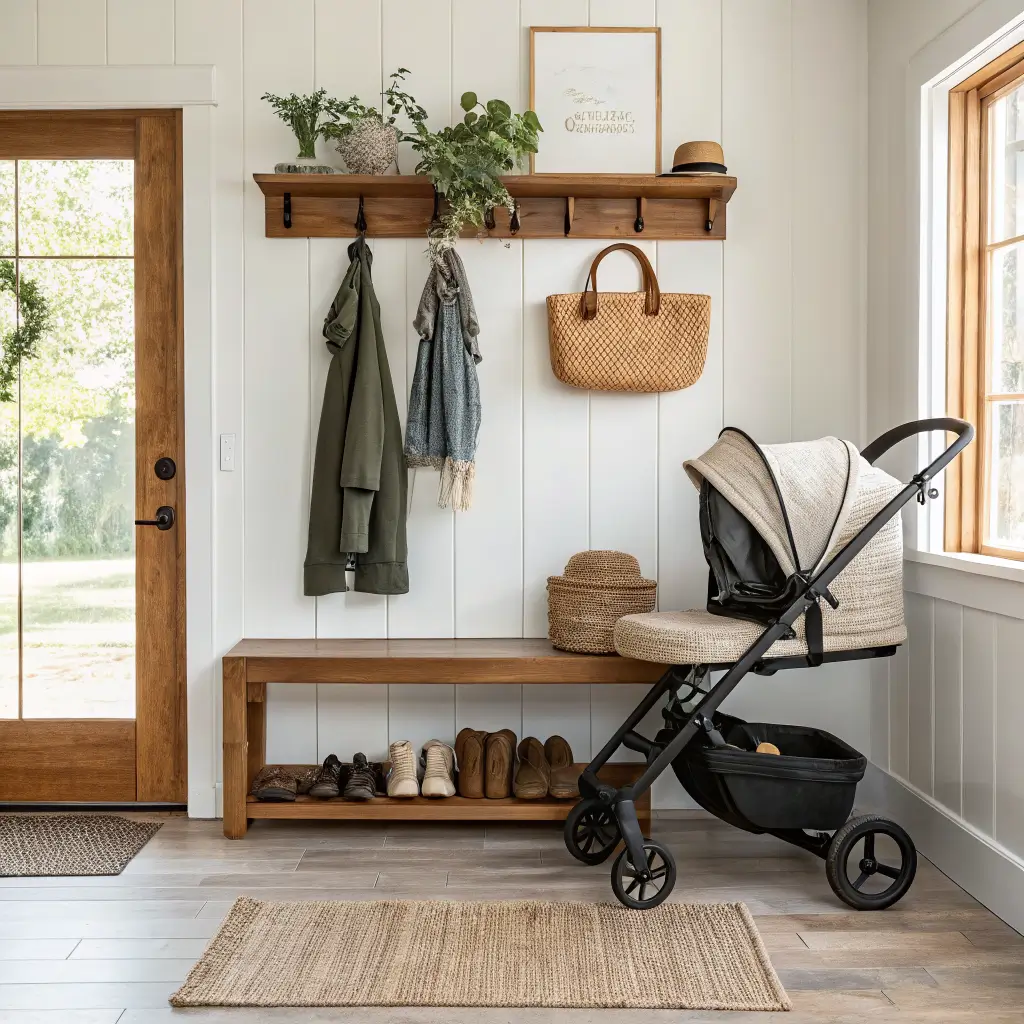
– Compact stroller for anyone under four. Gate-check it free at boarding.
– Baby carrier for under-2s. Frees your hands for security, boarding, and the long walk to gate B47.
The at-your-feet bag
This is the single most important bag on the plane. Mine holds:
– Diapers: one per hour of flight time, plus at least three extras. I once ran out on a delayed tarmac and I will never do that again.
– Wipes, a few gallon Ziplocs (for wet clothes, trash, or a lost sock situation), small trash bags
– One full change of clothes per kid, plus a spare shirt for me. Learned this after a full apple-juice-down-the-front incident somewhere over Denver.
– Snacks in small bento boxes or zip bags
– Tablet, headphones, charging cable, small power bank
– Comfort item — the specific stuffed animal, not a substitute
The overhead carry-on
Overnight-delay kit: pajamas, toothbrushes, a nightlight, and any medications. Basic meds (kid-appropriate acetaminophen or ibuprofen, saline spray, band-aids) after checking with your pediatrician.
Never put comfort items or medication in checked luggage. Bags get lost. The lovey does not survive being lost.
The snack strategy
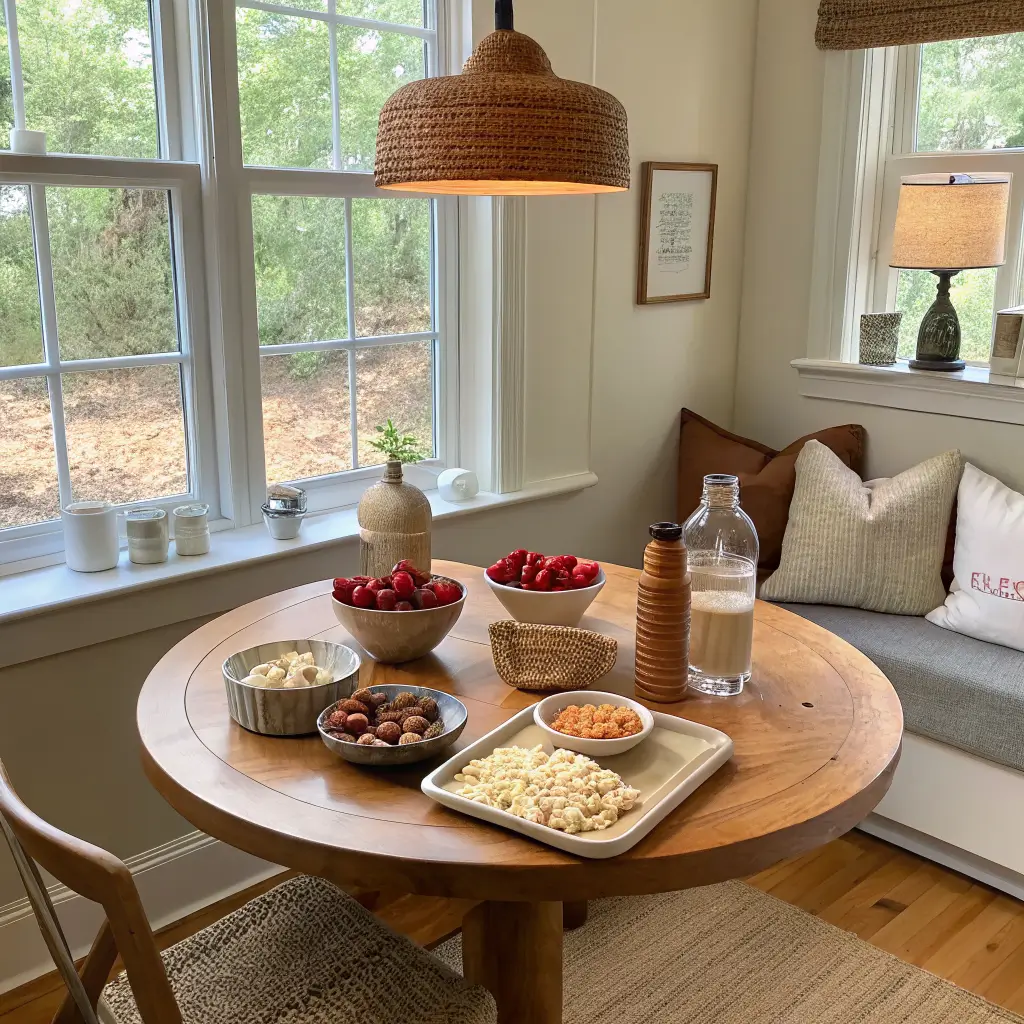
Low sugar, low grease, easy to handle one-handed. My rotation: cheese sticks, crackers, fruit pouches, freeze-dried strawberries, plain popcorn, and one small “special” treat per kid I bring out an hour before landing. Lollipops for older kids and pacifiers for babies help with ear pressure on takeoff and landing — the sucking and swallowing does the actual work.
Skip soda and juice boxes. The sugar spike and the crash aren’t worth it.
The activity bag
Per kid, in a gallon Ziploc so I can hand the whole thing over:
– Coloring book and a small pack of crayons (not markers — trust me)
– Sticker book or window clings
– One or two quiet fidget toys
– Two or three brand-new small items they’ve never seen. Novelty is what buys you the extra 20 minutes. Dollar store finds work as well as anything fancy.
Rotate items in and out. Don’t dump the whole bag at once.
How I Actually Set the Day Up
The week before
Talk about the trip. Watch a couple of kid-friendly airport videos on YouTube. Role-play security (“everything in the bin, walk through the doorway, get your bear back”). This sounds excessive until you see how much it defuses first-time anxiety.
Loosen bedtime and mealtimes slightly in the days before so a schedule shift on travel day isn’t a shock.
Pack documents in one dedicated pouch: passports, insurance cards, and a copy of the birth certificate for lap-infant age verification.
At the airport
Arrive earlier than you think you need to — 2+ hours domestic, 3+ hours international. Rushing with kids is where everything falls apart.
Snap a photo of each kid in the outfit they’re wearing that morning. If anyone gets separated for even three minutes, you’ll have something to show staff immediately.
Divide and conquer at the gate. One adult stays with bags. The other takes the kids to walk laps, find a window, or camp out at an empty gate where they can run. Burn as much energy as humanly possible before boarding.
Security note: breast milk, formula, and baby food are exempt from standard liquid limits. Tell the agent up front and it moves faster.
Boarding
Use family boarding when it’s offered. My preferred move: one adult boards early with the car seat and bags, installs everything, and gets the row set up. The other adult stays in the terminal with the kids and boards last, so they have the shortest possible time strapped in before the plane even moves.
Seat picks:
– Holding a baby? Adult on the window. Beverage carts and elbows in the aisle are a real hazard.
– Back rows are closer to the bathroom and often full of other families (less side-eye), but the very last row usually doesn’t recline. Pick your tradeoff.
– On open-seating airlines like Southwest, board early with your Family Boarding group and cluster your seats.
In the air
Delay the tablet. If you fire up screens the second you sit down, you have nowhere to go for the next four hours. Save it for after takeoff and the first drink service. Coloring, window-watching, and a snack usually cover the first hour easily.
Diaper change or bathroom trip before boarding, and again before descent — the seatbelt sign in the last 30 minutes is when emergencies happen.
Water and milk over juice. Refill your bottles after security so you don’t rely on the cart.
Say hi to the flight attendants. Mention if it’s a first flight. They warm up fast and I’ve had them warm bottles, bring extra napkins, and quietly slip my kid an airline pin that bought me another 40 minutes of good behavior.

Mistakes I’ve Made So You Don’t Have To
– Under-packing snacks and diapers. Bring roughly four times what you think you need for a young kid. Delays happen.
– Over-packing bags. Three separate tote bags is a nightmare in the overhead bin. Go with one backpack and one small in-seat pouch.
– Booking a flight straight through nap time when a 6am option existed. I did this once. Once.
– Long layovers. A three-hour layover with a tired toddler is worse than a tight 45-minute connection at the same terminal. Choose short and efficient when you can.
– Cute stiff outfits. Save them for grandma’s house.
– Loading up on sugar to “make it fun.” You will regret this at cruising altitude.
– Not warning kids what to expect. A five-minute rehearsal at home prevents a security-line meltdown.
Simple Rules Kids Can Actually Remember
Keep the same phrases from the car to the airport to the plane. I use four:
– Inside voice
– Seatbelt on when the light is on
– Ask before unbuckling
– Walking feet on the plane
That’s it. Consistency matters more than complexity.
Seasonal Tweaks
Winter: pack extra layers, hats, and a spare pair of warm socks in your carry-on. Delays are more likely, so pad your snacks and diapers accordingly.
Summer: hydration is the whole game. Sun hats if you’ll be on a hot tarmac or walking outdoor terminals. Lighter layers, but still layers — planes are freezing regardless of the season.
Ear Pain on Takeoff and Landing
The pressure change is what causes the pain, and swallowing is what relieves it. For babies: nursing, a bottle, or a pacifier. For toddlers: a sippy cup of water or a pouch. For older kids: lollipops, chewy fruit snacks, or gum if they can handle it. Start right as the plane pushes back for takeoff and about 30 minutes before landing.
If your kid has a cold, a dose of pediatrician-approved decongestant or saline spray before boarding can help. Ask ahead of time, not at the gate.

Budget Priorities: Where I Spend vs. Save
Spend on:
– Seat selection so you’re actually sitting together
– A car seat that’s genuinely airplane-friendly (lighter and narrower)
– Decent headphones (cheap ones fail on trip two)
Save on:
– Activity bag contents — dollar store stickers, window clings, and mini notebooks work as well as anything
– Fancy travel organizers (Ziplocs are unbeatable)
– “Travel-specific” toys marketed at parents
Frequently Asked Questions
Should I buy my under-2 a seat or use lap-infant?
Lap-infant is fine for short daytime flights. For anything over three hours, overnight, or across time zones, I buy the seat and bring the car seat. Better sleep, safer in turbulence, and you get your body back.
Best time of day to fly with little kids?
Early morning, in my experience. Kids are rested, delays are less common, and you land with the day still ahead of you. Red-eyes work for some kids and are chaos for others — know yours.
Do I really need to bring both a stroller and car seat?
If you’re renting a car at your destination, yes to the car seat (rentals are often gross and expensive). Stroller is worth it for anyone under four — the airport walks are longer than you remember.
How do I keep kids entertained without constant screens?
New (or new-to-them) small toys, a rotating activity bag, snacks paced out over the flight, and the window itself. Screens get held back as the “second half” of the flight, not the first.
First time flying with a toddler — what’s the one thing you’d tell me?
Pack less stuff and more snacks, arrive earlier than feels reasonable, and lower your expectations for what a “good flight” looks like. If everyone is alive and mostly dry at the end, you did it right.