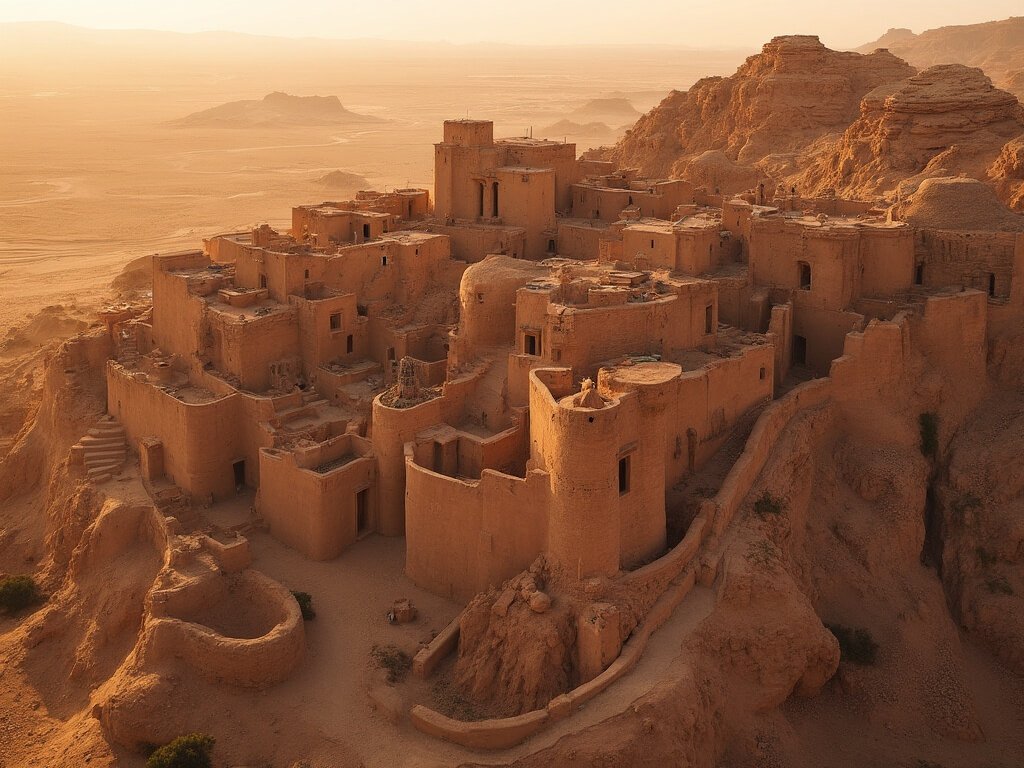
We walked Ait Benhaddou and the clay kasbahs stacked on the hill looked exactly like the films. The village stays worth the stop for that earthen architecture.
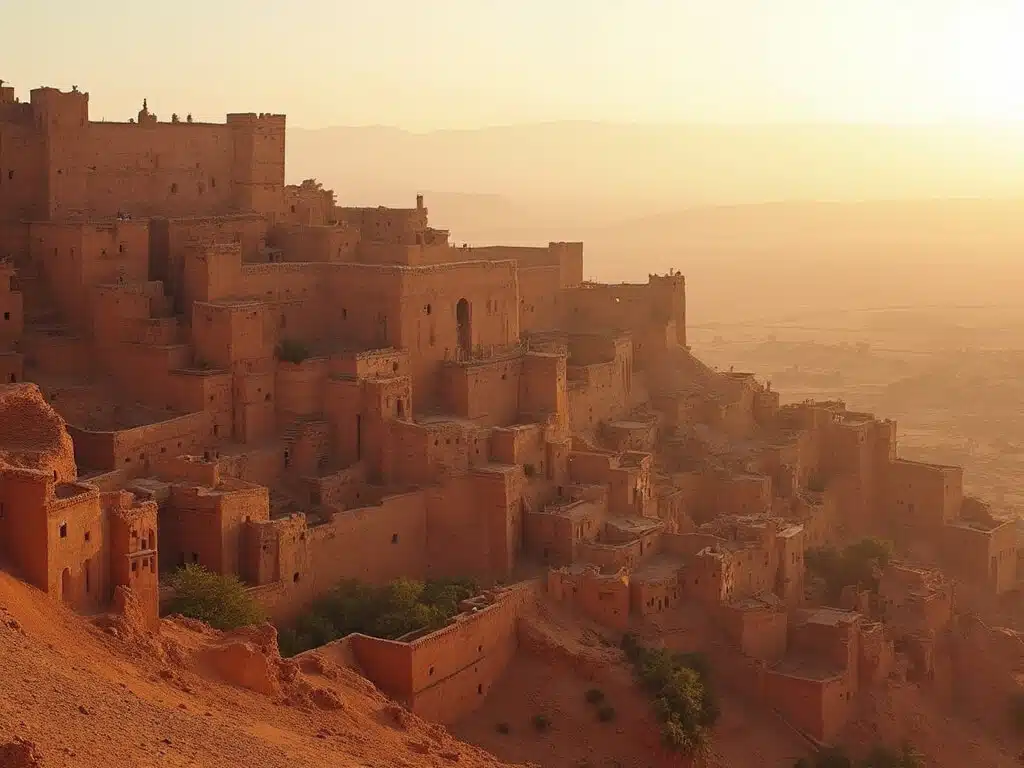
A Fortress Born from Desert Sands and Trade Routes
Nestled in the dramatic Ounila Valley, Aït Benhaddou isn’t just another historical site. This remarkable ksar (fortified village) was once the pulsing heart of trans-Saharan trade, where caravans carrying salt, gold, and silk would pause, negotiate, and exchange more than just goods – they’d trade stories, cultures, and dreams.
Picture this: Merchants trudging through scorching desert landscapes, their camels laden with precious cargo, suddenly seeing the terracotta walls of Aït Benhaddou rising like a mirage. Founded during the Almoravid period in the 11th century, with most current structures dating back to the 17th century, this place has witnessed centuries of human drama.
Architecture That Defies Time and Elements
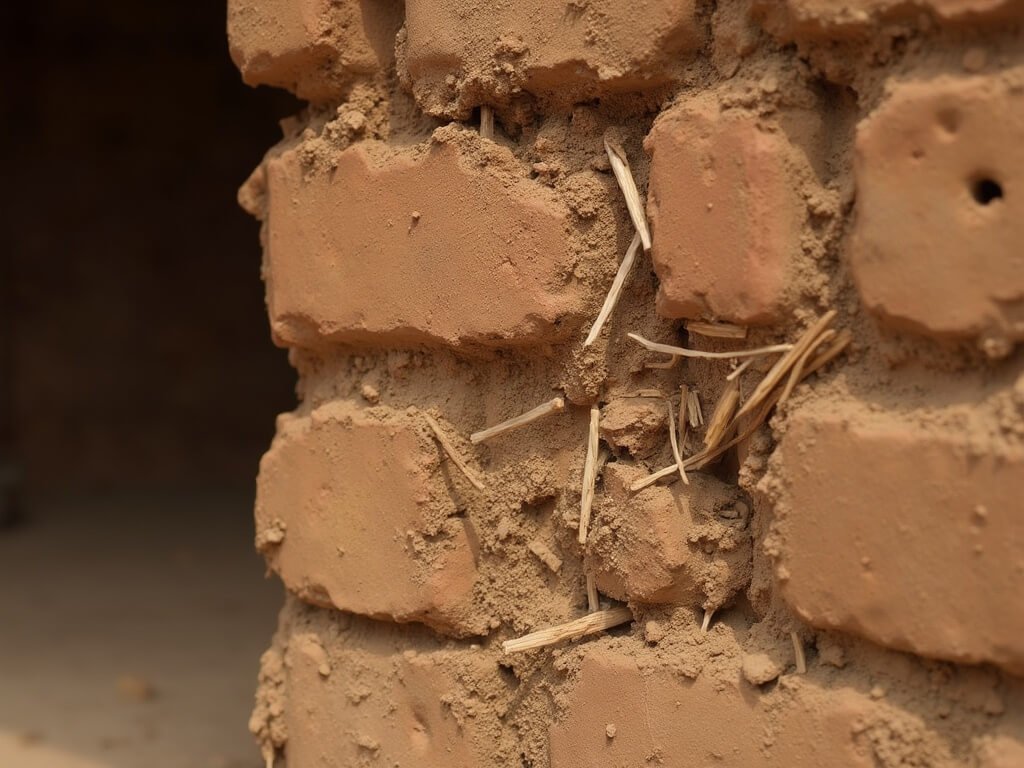
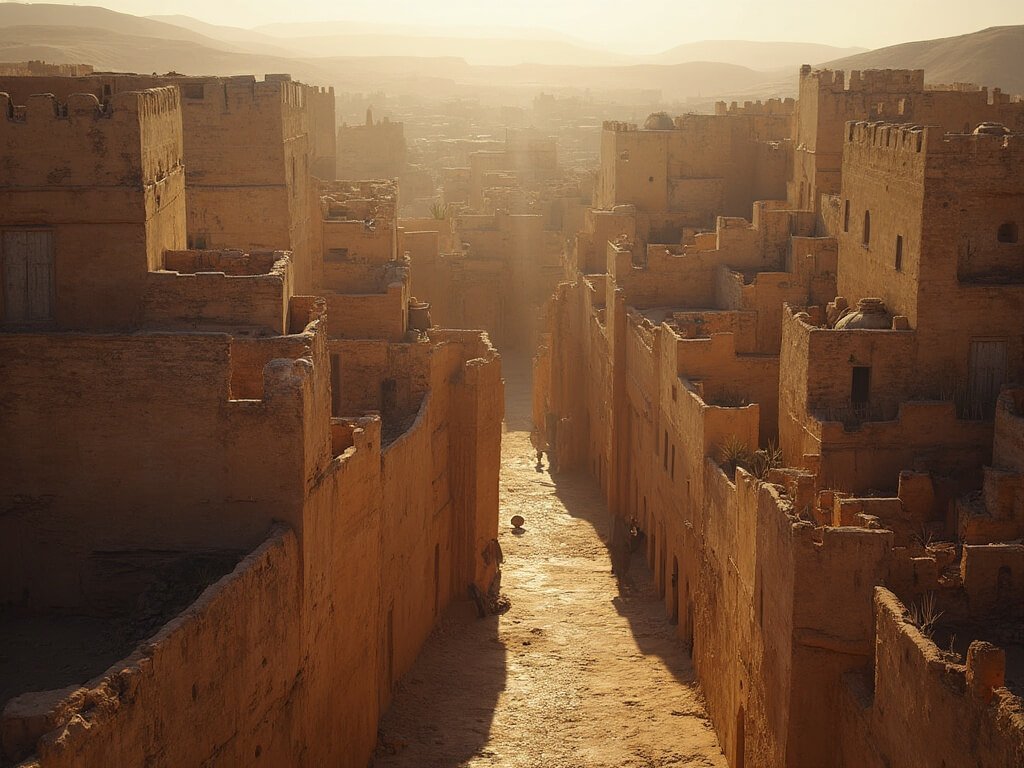
What makes Aït Benhaddou extraordinary isn’t just its history, but its incredible construction. Imagine building an entire village using nothing but local red clay, mud-brick, straw, and wood. These weren’t just building materials – they were survival tools.
The village’s design is a masterclass in defensive architecture:
- Multi-story kasbahs with angular towers
- Narrow, winding streets that confuse potential invaders
- A strategically placed granary at the summit serving as both lookout and food storage
- High defensive walls with clever observation points
The buildings aren’t just structures; they’re living organisms that breathe with the landscape, adapting to harsh desert conditions while protecting their inhabitants.
A Cultural Treasure Transformed by Hollywood
Here’s where the story gets truly fascinating. Aït Benhaddou isn’t just a historical site – it’s a movie star. Literally.
Since the 1960s, this incredible location has been featured in dozens of international films. Gladiator, Lawrence of Arabia, Game of Thrones – if these movies felt authentically ancient, it’s because Aït Benhaddou provided the ultimate backdrop.
I remember speaking with a local guide who proudly showed me spots where Russell Crowe‘s character walked in Gladiator. The excitement in his eyes wasn’t just about the movie – it was about how film has become a lifeline for preserving this incredible place.
Preservation: A Delicate Balance
But fame comes with challenges. Tourism and film have been both a blessing and a potential curse. While movie productions have brought much-needed restoration funds, they’ve also increased foot traffic and risked eroding the site’s authenticity.
Today, only a handful of families remain in the ancient ksar. Most have moved across the river to a newer settlement, watching their ancestral home transform into a global attraction.
The UNESCO World Heritage designation in 1987 was crucial – it wasn’t just recognition, but a commitment to preserving this extraordinary place for future generations.
Why Aït Benhaddou Matters
Beyond its cinematic glamour, this is a symbol of Amazigh (Berber) culture. It represents resilience, ingenuity, and the incredible human ability to create beauty in the most challenging environments.
As climate change threatens these delicate adobe structures, Aït Benhaddou stands as a reminder of our architectural heritage – fragile yet incredibly strong, just like the communities that built it.
The story of this remarkable place continues to unfold, with each stone holding memories of traders, filmmakers, and countless unnamed heroes who’ve walked its ancient paths. To explore how this aesthetic continues to influence design, check out ideas for a Mediterranean bathroom that reflects this timeless charm.
Survival and Adaptation: The Modern Saga of an Ancient Landscape
Walk through Aït Benhaddou today, and you’ll feel the tension between preservation and progress. The village isn’t a museum – it’s a living narrative of cultural survival.
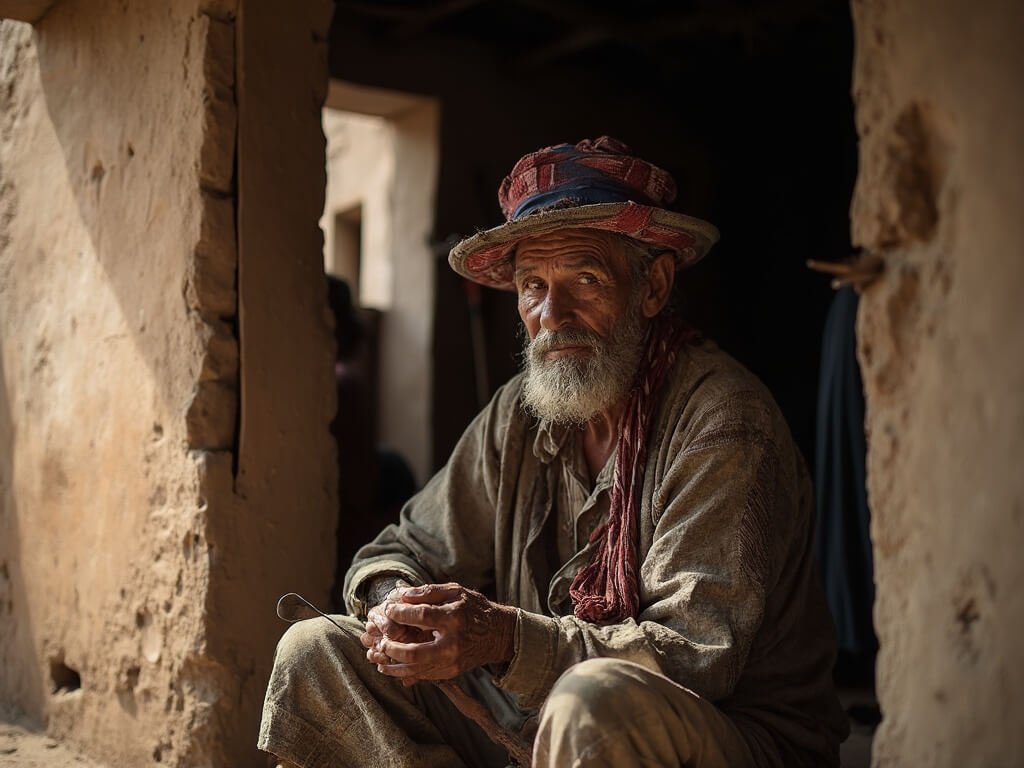
Local families face incredible challenges. Modernization pulls younger generations toward cities, while the ancient ksar whispers stories of generations past. I met Ahmed, a 62-year-old descendant of a prominent trader family, who shared a poignant observation: “My grandchildren dream of smartphones, not mud-brick walls. But these walls hold our history.”
Tourism: Economic Lifeline or Cultural Threat?
Film and tourism have become unexpected saviors for Aït Benhaddou. Where traditional economic models faltered, global curiosity stepped in.
Consider these transformative impacts:
- Average tourist spends approximately $50-$100 per visit
- Local artisan craft sales have increased by 40% in the last decade
- Film productions inject significant restoration funds
- International recognition preserves architectural heritage
Yet, the community remains cautious. Over-tourism threatens the very authenticity that makes Aït Benhaddou special.
Learn more through the UNESCO World Heritage Site: Ksar of Ait-Ben-Haddou and delve into the Ancient Citadel of Ait Ben Haddou History.
Sustainable Heritage: Balancing Act Between Past and Future
UNESCO and local authorities collaborate on innovative preservation strategies:
- Traditional construction technique workshops
- Controlled tourist access
- Community-led restoration projects
- Educational programs teaching traditional building methods
The goal isn’t freezing time – it’s keeping cultural memory alive and relevant.
Climate Challenges: Adobe Architecture’s Greatest Test
Climate change poses an existential threat to these fragile mud-brick structures. Rising temperatures and unpredictable rainfall patterns challenge centuries-old building techniques.
Research from the Royal Institute of Technology in Sweden suggests adobe structures could lose structural integrity faster than previously estimated. Local conservationists are experimenting with reinforcement techniques that honor traditional methods while introducing subtle modern resilience.
Visitor’s Essential Guide: Experiencing Aït Benhaddou Responsibly
For travelers seeking authentic experiences, remember:
- Respect local customs
- Support community-based tourism
- Purchase directly from local artisans
- Listen more than you speak
- Take photographs respectfully
- Understand you’re visiting a living community, not a movie set
The Human Element: Stories Beyond Stone Walls
Every kasbah has a story. Every worn step carries generational memories. Aït Benhaddou isn’t just about architectural magnificence – it’s about human resilience.
As global populations increasingly disconnect from traditional living, places like this become more than historical sites. They’re living classrooms, teaching sustainability, community, and adaptation.
Final Reflections: A Living Legacy
Aït Benhaddou represents more than a UNESCO site or film location. It’s a testament to human creativity, survival, and the remarkable ability to transform challenges into opportunities.
The story of this remarkable Moroccan ksar continues – written not just in stone, but in the hearts of those who call it home and those who are fortunate enough to visit.
Ait Benhaddou stays worth the stop for clay kasbahs that look exactly like the films. Climb the hill and the earthen village is the point.
Explore more related reads:
- Rustic Modern Living Room
- Rustic Home Design
- Countryside House Cottage Interior Design
- Rustic Living Room
- Rustic Kitchen Cabinets