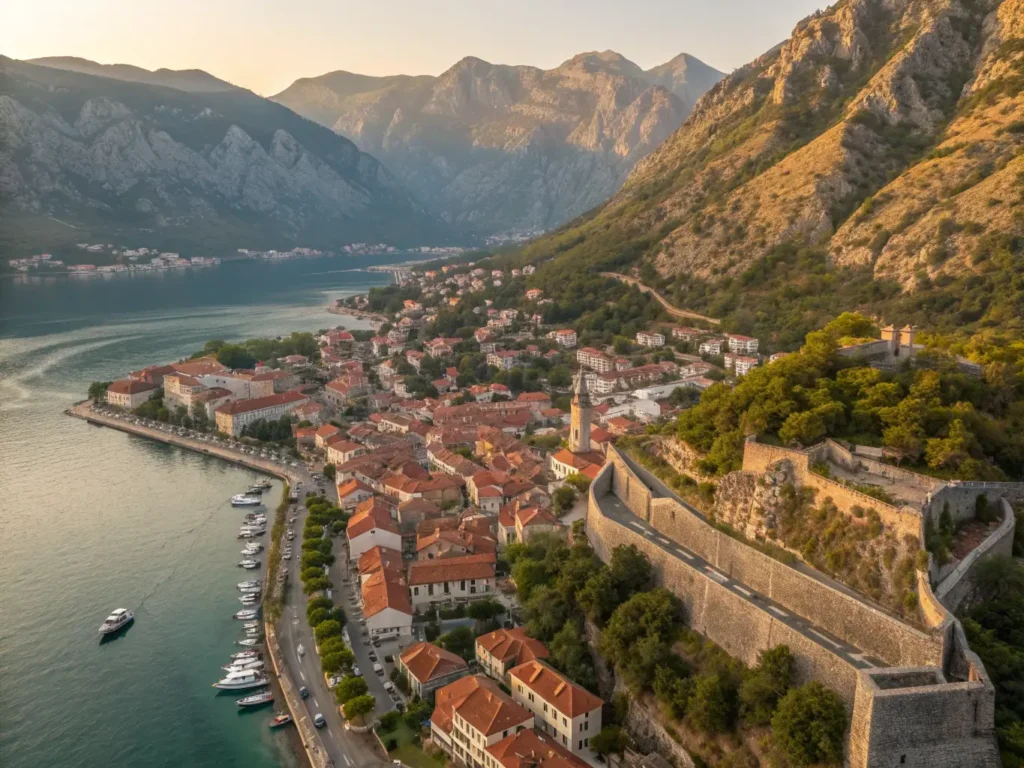
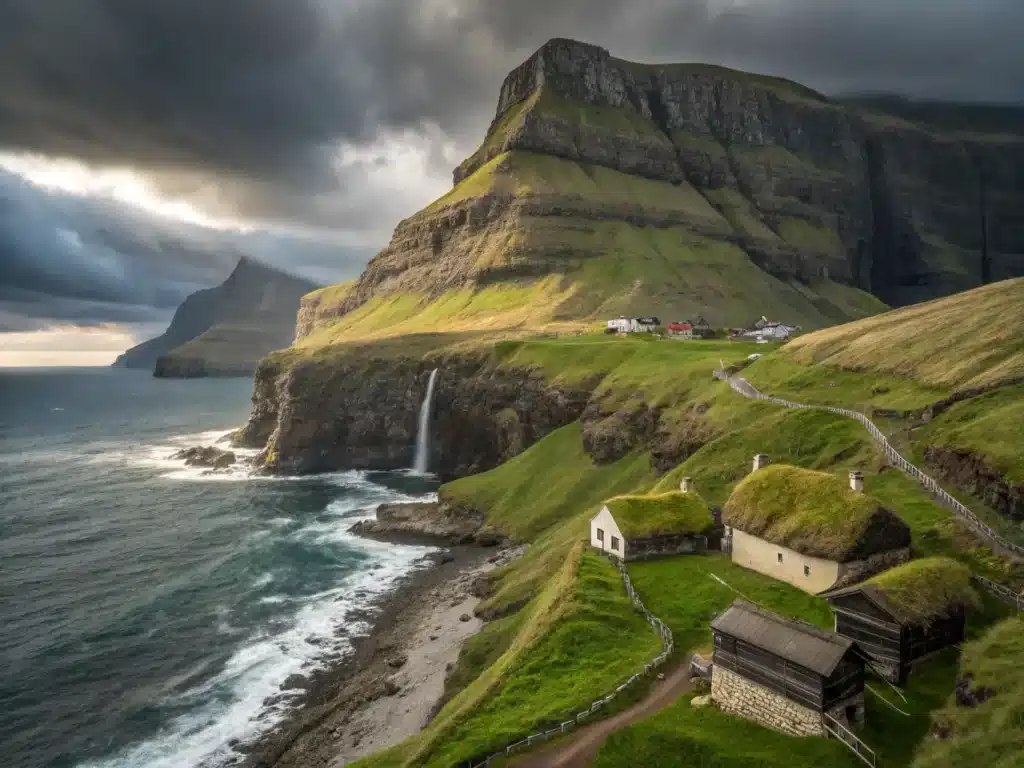
We drove up to Meteora and the monasteries on top of the stone pillars looked impossible from the road. The cliffs make the monasteries the main reason to stop.
The Geological Marvel: Nature’s Architectural Masterpiece
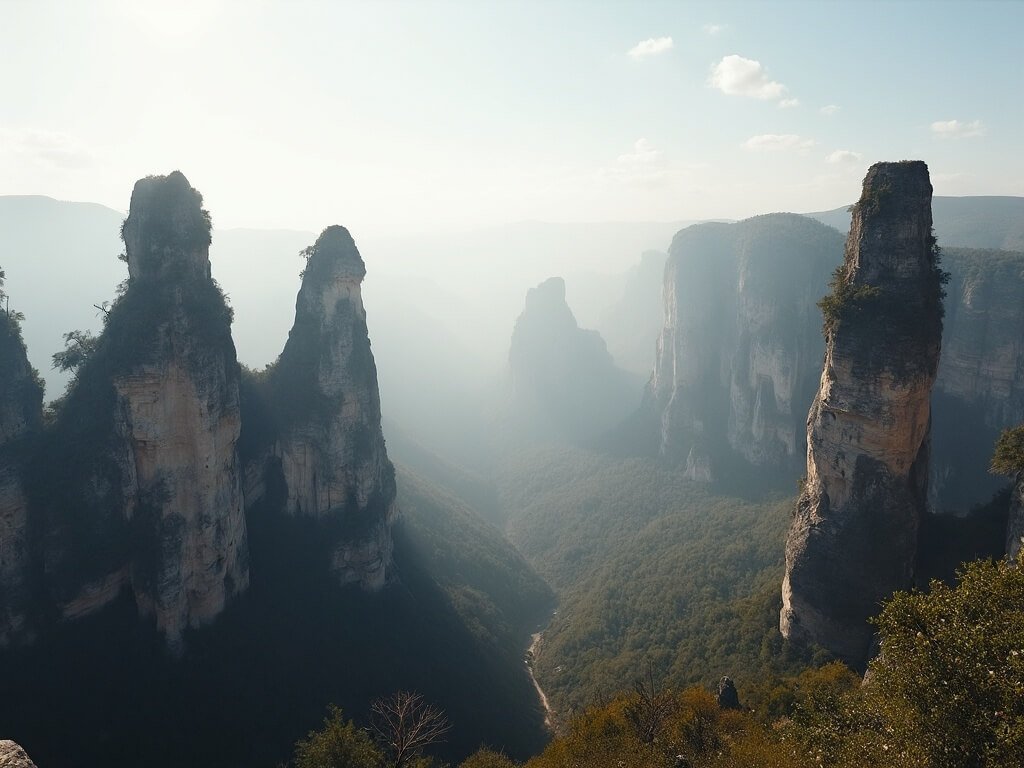
Have you ever wondered how such extraordinary rock formations could exist? Meteora’s landscape is a 30-million-year-old geological wonder. These mammoth sandstone pillars – some towering nearly 600 meters high – were sculpted by an ancient river estuary, transforming over millennia into nature’s most spectacular canvas.
When the Mediterranean Sea receded, it left behind a breathtaking playground of stone. Sedimentary deposits hardened into incredible rock columns, creating a landscape that looks like it belongs more in a science fiction novel than in central Greece.
A Sanctuary of Survival: Monastic Life on the Edge
The monks who first settled here weren’t just seeking beautiful views. They were pursuing something far more profound: absolute isolation and spiritual connection.
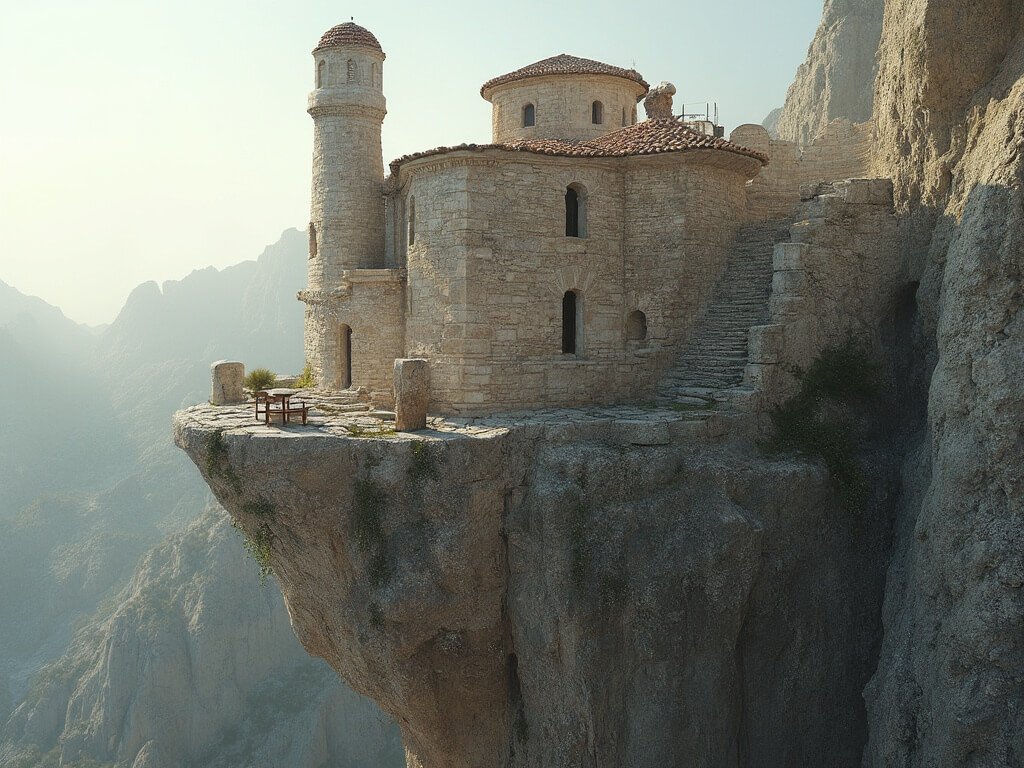
Picture 11th-century hermits climbing these treacherous pillars, seeking refuge from Byzantine conflicts and Ottoman invasions. These weren’t casual climbers – they were spiritual warriors creating sanctuaries literally suspended in the air. “Meteora” itself means “suspended in air” in Greek, and trust me, that’s no exaggeration.
Personal Experience: My First Glimpse of the Impossible
I’ll never forget my first visit. Standing at the base of these colossal rock formations, I felt impossibly small. The Great Meteoron monastery – the oldest and largest – seemed to mock gravity itself, perched precariously atop a seemingly unreachable pinnacle.
Climbing the worn stone steps, watching mist curl around ancient walls, I understood why monks chose this extraordinary location. It wasn’t just about protection – it was about transcendence.
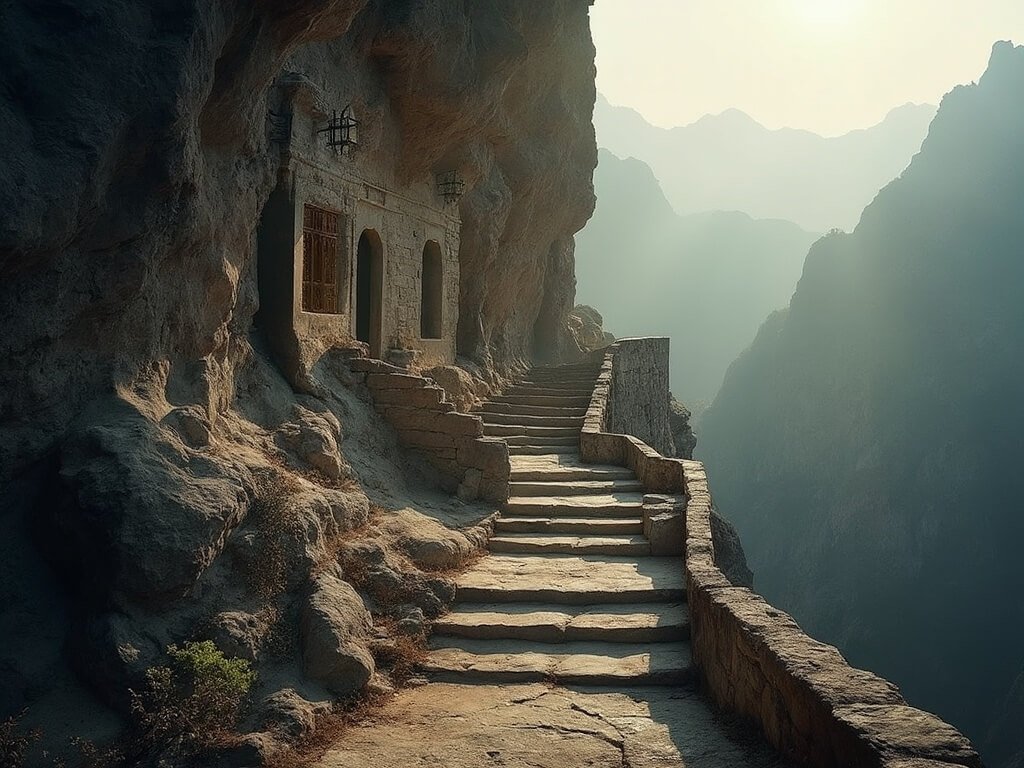
The Monasteries: Architectural Miracles
At its peak, Meteora hosted 24 monasteries. Today, only six remain active – each a testament to human determination and spiritual devotion.
Key Monasteries You Can’t Miss:
- Great Meteoron: The granddaddy of them all, housing priceless artifacts
- Holy Trinity: Featured in the James Bond film “For Your Eyes Only”
- St. Stephen’s: A convent with stunning historical significance
- Varlaam: Named after an ascetic, filled with religious relics
Construction: An Engineering Marvel of Medieval Times
How did they build these monasteries? Ropes, nets, incredible patience, and seemingly superhuman determination. Materials were hauled up using primitive but effective lifting systems. Imagine constructing entire buildings without modern machinery, suspended hundreds of meters above ground.
Cultural Significance: More Than Just Pretty Rocks
Meteora isn’t just a tourist destination – it’s a UNESCO World Heritage site preserving crucial aspects of Eastern Orthodox tradition. Monks and nuns here aren’t just caretakers of buildings; they’re guardians of Byzantine art, religious practices, and centuries of spiritual heritage.
The monasteries attract pilgrims worldwide, transforming this geological wonder into a spiritual crossroads where history, faith, and natural beauty intersect.
As the morning mist begins to lift, revealing those impossibly perched monasteries, you’ll realize Meteora is more than a destination. It’s a portal to understanding human resilience, spiritual dedication, and nature’s extraordinary capacity to inspire.
The rock formations continue to whisper their ancient stories, inviting those willing to listen and climb.
Explore more on Mediterranean interior design style inspired by ancient architecture like Meteora.
Tourism and Human Impact: Walking the Tightrope of Preservation
How do you protect something so fragile yet so magnificent? Meteora faces a classic conservation challenge: balancing tourism with preservation.
Every year, thousands descend upon these ancient monasteries. Local economies thrive, but the stones whisper warnings about potential damage. During my most recent visit, I spoke with a monastery curator who explained their delicate dance.
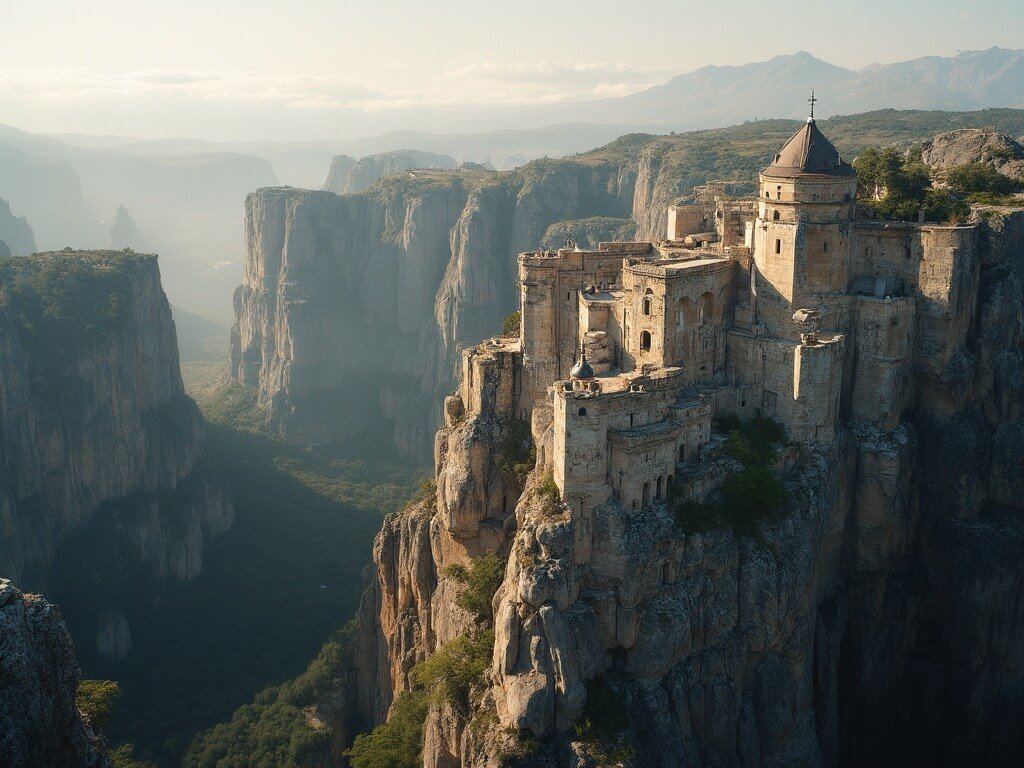
The Tourism Tango: Economic Necessity vs. Cultural Protection
- Annual visitors: Over 300,000 tourists
- Economic impact: Approximately €50 million to local region
- Preservation budget: Limited, requiring creative solutions
Local communities understand something profound: these monasteries aren’t just historical artifacts. They’re living, breathing cultural treasures that require careful, strategic management.
Explore more about their awe-inspiring architectural legacy.
Technology Meets Tradition: Modern Conservation Strategies
Digital documentation has become a game-changer. Advanced 3D scanning allows researchers to create precise digital replicas of frescos and architectural details. This means even if physical degradation occurs, the monastery’s essence remains preserved.
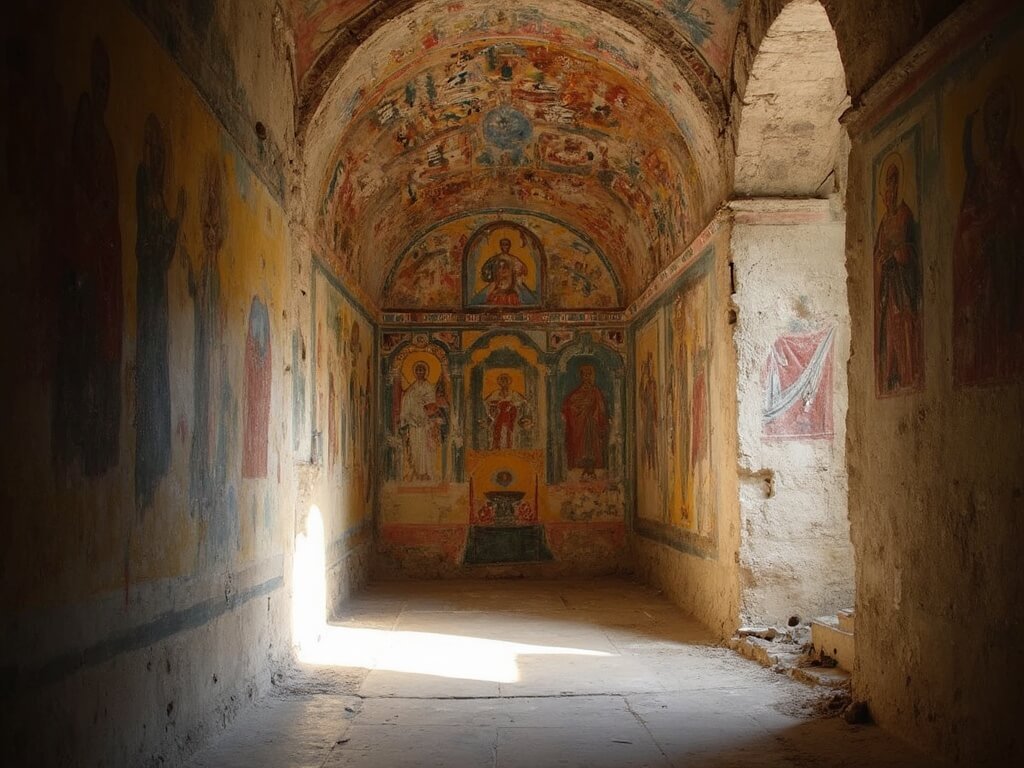
Climate Change: The Silent Threat
Geological formations aren’t immune to environmental shifts. Increased rainfall, temperature fluctuations, and seismic activity pose significant risks to these ancient structures.
Researchers now monitor micro-movements in the rock formations, using sensor technologies that would astonish medieval monks who first scaled these precipices.
The Spiritual Economy: More Than Just Tourism
Beyond mere visitor numbers, Meteora represents a profound spiritual economy. Pilgrims seeking deeper connections aren’t just tourists – they’re continuators of a thousand-year tradition.
Eastern Orthodox retreats have seen growing interest. Young people increasingly seek authentic spiritual experiences away from digital noise, and Meteora offers precisely that – a digital detox with profound historical resonance.
Learn more about gravity-defying monasteries around the world.
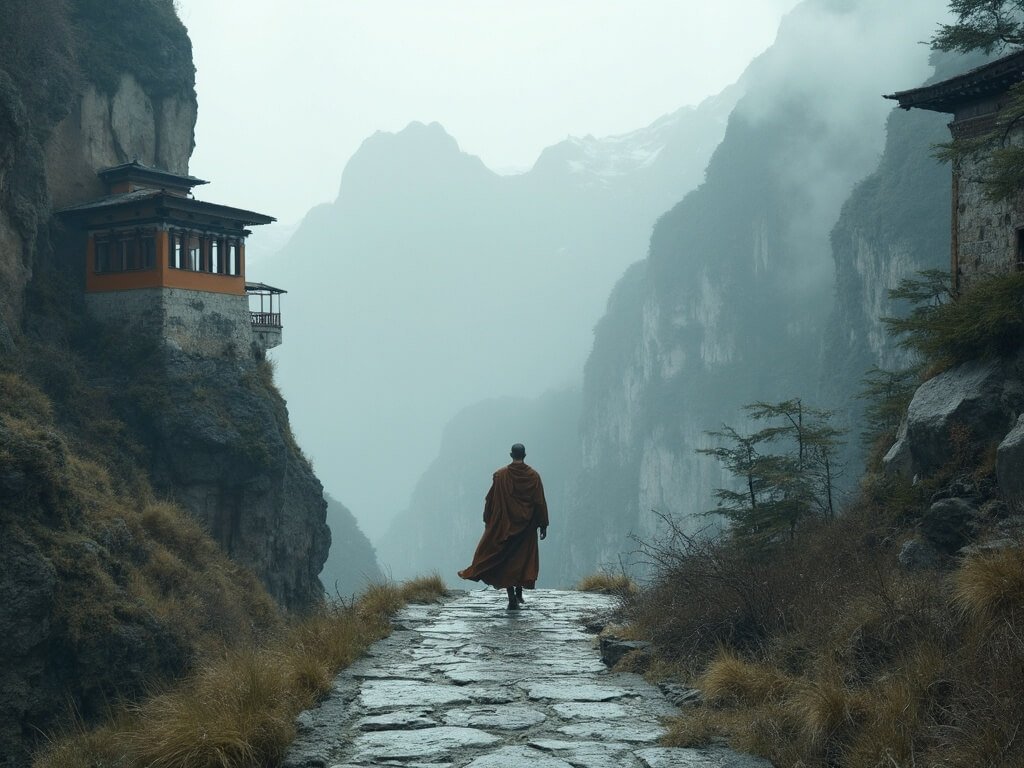
Practical Visitor Wisdom: What You Need to Know
Before you pack your bags for this extraordinary destination, consider these insider tips:
- Dress modestly (covered shoulders, long skirts/pants)
- Bring comfortable walking shoes
- Expect steep climbs and limited accessibility
- Respect photography restrictions inside monasteries
- Plan your visit during shoulder seasons (spring/autumn)
Future Horizons: Where Do We Go From Here?
Meteora isn’t just a destination – it’s a living dialogue between humanity, spirituality, and natural wonder. Each visitor becomes part of an ongoing conversation that began centuries ago.
Archaeological research continues uncovering new stories. Digital preservation projects ensure these narratives aren’t lost. Universities worldwide send researchers to study these remarkable monasteries, each expedition revealing another layer of complexity.
A Personal Reflection: Why Meteora Matters
Standing atop those incredible stone pillars, watching sunset paint Byzantine walls in golden light, you’ll understand something profound. Meteora isn’t just about monasteries perched impossibly high – it’s about human potential to create beauty in the most challenging circumstances.
These monasteries represent more than architectural achievement. They’re testament to spiritual resilience, to humanity’s capacity for wonder, and our eternal quest to touch something greater than ourselves.
Final Thoughts: Your Meteora Journey Awaits
Whether you’re a history buff, spiritual seeker, or adventure traveler, Meteora offers an experience that transcends typical tourism. It’s a destination that doesn’t just show you something – it transforms you.
Meteora stays worth the drive for monasteries perched on stone pillars that look impossible. Climb up and the cliffs are the main reason to stop.