Have you ever stumbled upon a place so mesmerizing that it feels like walking through a living painting? Welcome to Chefchaouen, Morocco’s hidden blue gem nestled in the rugged Rif Mountains.

Why Chefchaouen is More Than Just Another Blue City
The moment I first walked into Chefchaouen, something magical happened. These weren’t just blue walls – they were stories painted in countless shades of azure, cobalt, and turquoise. The city’s name itself tells a story, derived from Berber words meaning “Look at the peaks” – an invitation to marvel at both the mountains and the architectural wonder below.
A Historical Canvas: More Than Meets the Eye
Founded in 1471 as a fortress against Portuguese invasions, Chefchaouen carries centuries of complexity. It became a sanctuary for Muslims and Jews fleeing the Spanish Inquisition, creating a unique cultural melting pot that still resonates today.
The blue paint? That’s where things get interesting. Theories range from spiritual Jewish symbolism to practical mosquito repellent. Whatever the origin, it transformed this mountain town into a global photography destination.
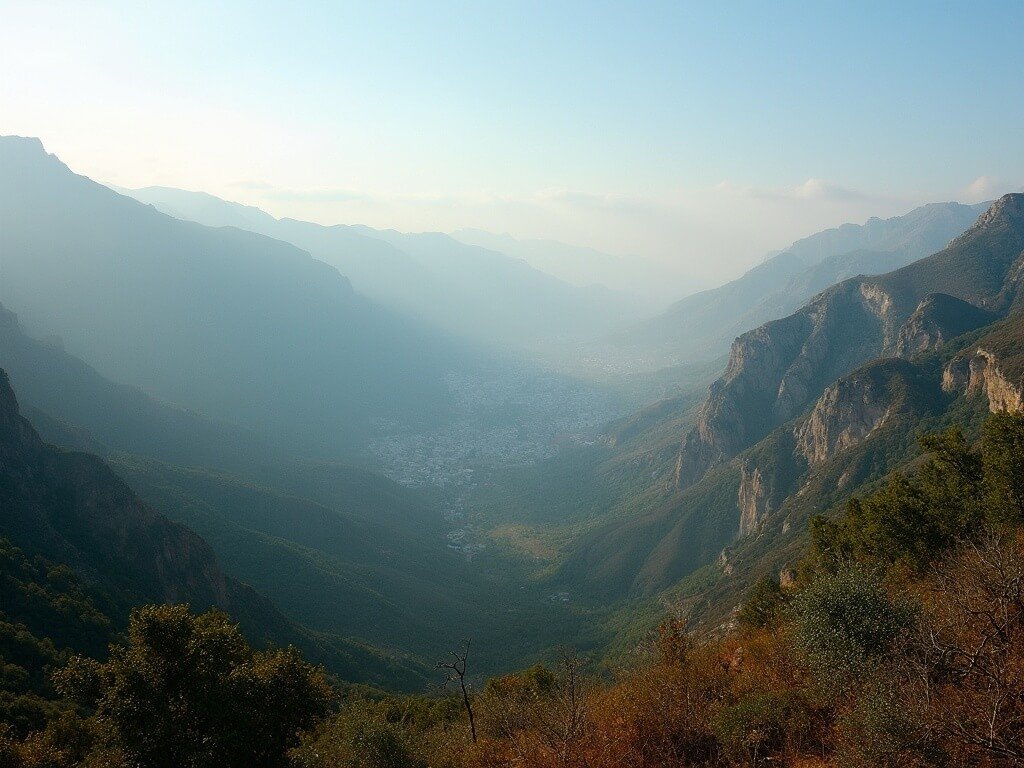
Geographical Miracle: Where Mountains Embrace Urban Beauty
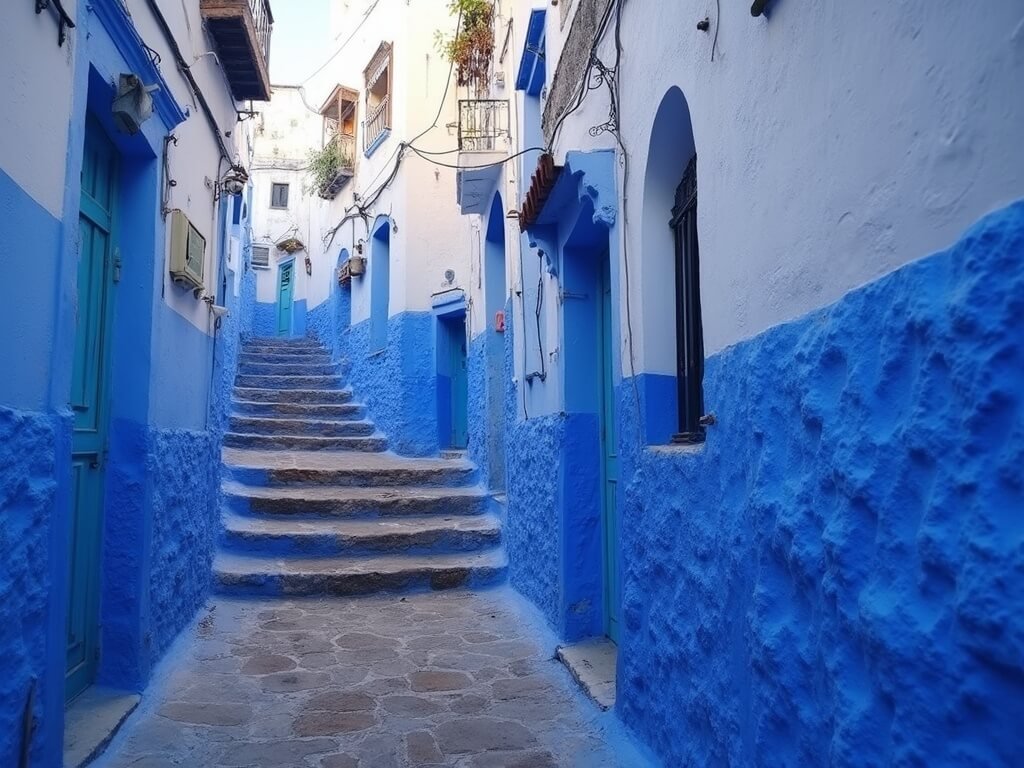
Picture this: Cobblestone streets winding through maze-like alleys, every surface painted in mesmerizing blue hues. The Rif Mountains cradle this urban marvel, offering breathtaking elevation and proximity to natural wonders like the Ras el Maa waterfall.
Cultural Tapestry: Beyond the Blue Walls
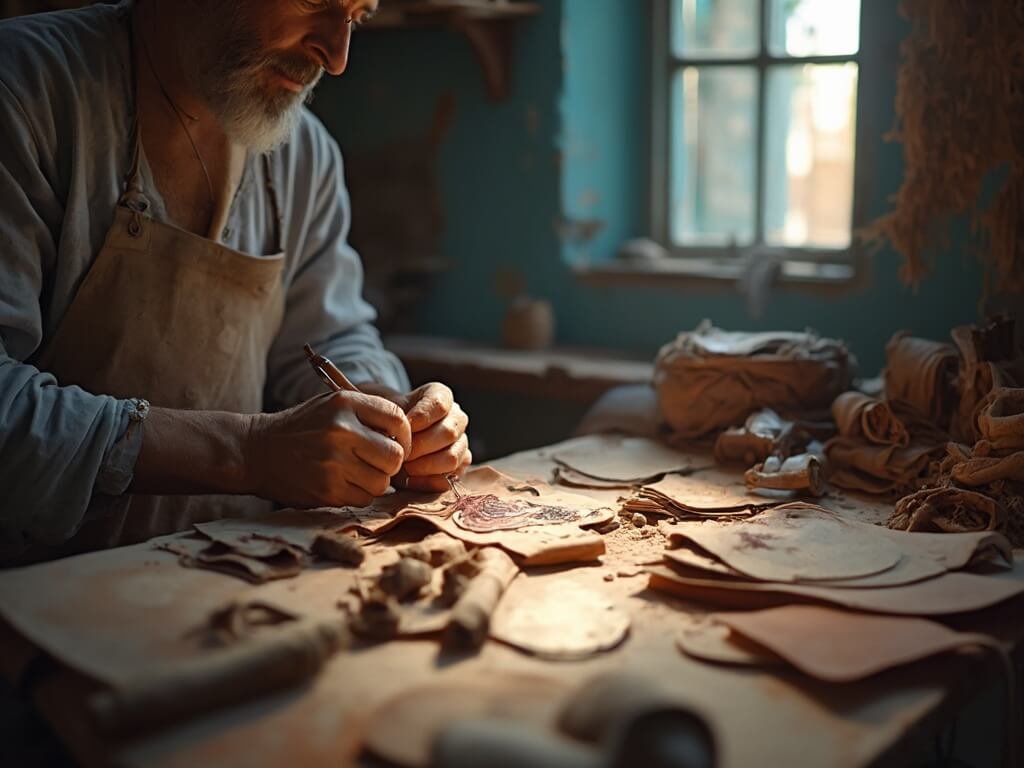
Walking through Chefchaouen isn’t just a visual experience – it’s a sensory journey. Traditional artisan workshops showcase generations-old crafts: intricate weaving, delicate pottery, rich leather work. The local cuisine? A delightful mix of Moroccan street food and fresh mountain juices.
A Community Unlike Any Other
What truly sets Chefchaouen apart is its soul. Unlike the bustling chaos of Marrakesh or Fez, this town offers a serene, welcoming atmosphere. Locals wear traditional djellabas, moving through streets that feel more like a shared living room than a tourist destination.
The religious landscape is equally fascinating – a harmonious blend of Muslim majority with historical Jewish influences, creating a unique cultural ecosystem.
Tourism: A Double-Edged Paintbrush
Chefchaouen has become a global sensation, attracting photographers, artists, and travelers seeking something beyond conventional tourism. But this fame comes with challenges – balancing visitor influx with preserving local authenticity.
My personal tip? Visit during spring or fall. The temperature is perfect, crowds are manageable, and the blue walls seem to glow with a special intensity.
Economic Lifelines: More Than Just Instagram Shots
Tourism drives the local economy, but it’s not the whole story. Traditional crafts, boutique hotels, and guided experiences create a sustainable economic model. The surrounding Rif Mountains even contribute through controversial yet integral agricultural practices.
Want to know a local secret? The markets here aren’t just shopping destinations – they’re living, breathing cultural exchanges.
The blue city continues to evolve, caught between preserving traditions and embracing global influences. Each painted wall tells a story of resilience, beauty, and cultural fusion.
Explore Related Inspirations:
- Discover blue boho bedroom ideas inspired by Chefchaouen’s iconic hues.
- Get away to nature with a mountain modern cabin design that meets serene elevation.
Navigating the Blue Maze: Practical Tips for Your Chefchaouen Adventure
Ever wondered how to truly experience a city that looks like it’s been dipped in a painter’s dream? Chefchaouen demands more than just a casual stroll.
Survival Guide: What No Travel Brochure Tells You
Pack comfortable walking shoes – those cobblestone streets aren’t just photogenic, they’re a workout. The medina’s layout is intentionally maze-like, a historical defense mechanism that now serves as a photographer’s playground.
Pro traveler tip: Get lost intentionally. Some of my most memorable moments happened when I abandoned my map and let the blue alleys guide me.
The Economic Heartbeat: Beyond Tourism
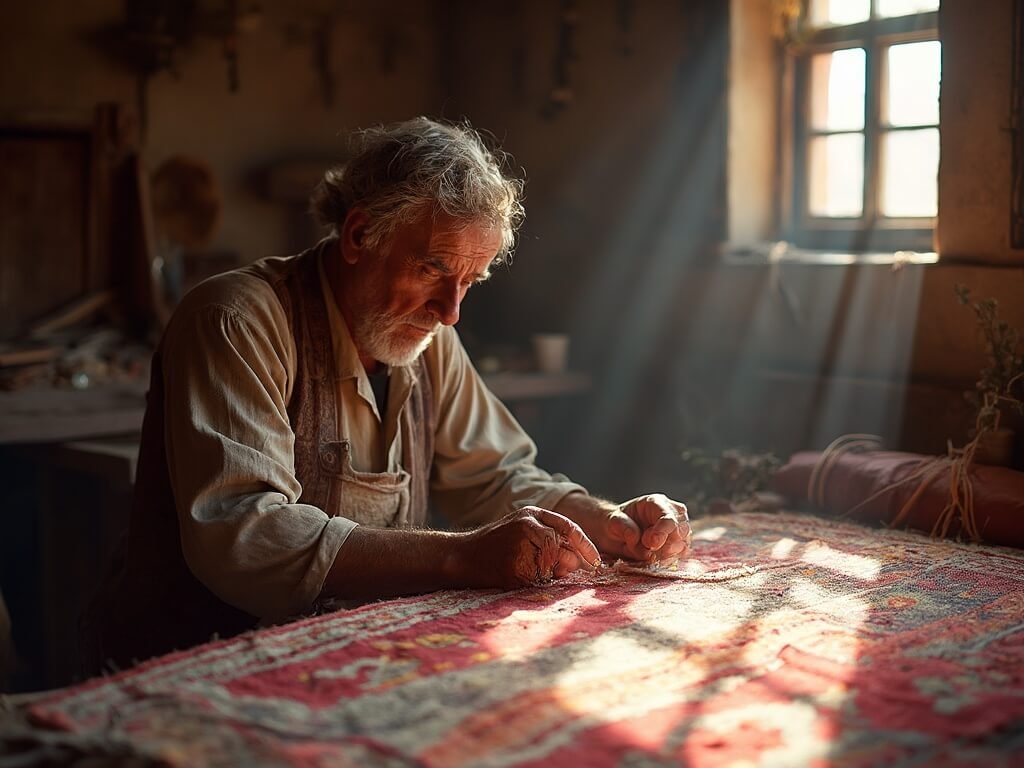
Chefchaouen’s economy is a delicate ecosystem. Tourism drives nearly 70% of local income, but traditional crafts keep cultural authenticity alive. Those hand-woven rugs and intricate ceramics? They’re not just souvenirs – they’re economic lifelines.
Local artisans invest generations of skill into each piece. When you purchase, you’re not just buying a product – you’re supporting an entire community’s legacy.
Sustainability Challenges: The Invisible Struggle
Here’s a raw truth most travel guides avoid: Chefchaouen faces significant environmental pressures. Water scarcity is real. The iconic blue paint? It’s beautiful, but requires continuous maintenance that strains local resources.
Responsible travelers understand this complexity. It’s not just about taking perfect Instagram shots – it’s about respecting the delicate balance between tourism and local preservation.
Mountain Culture: What Lies Beyond the Blue Walls
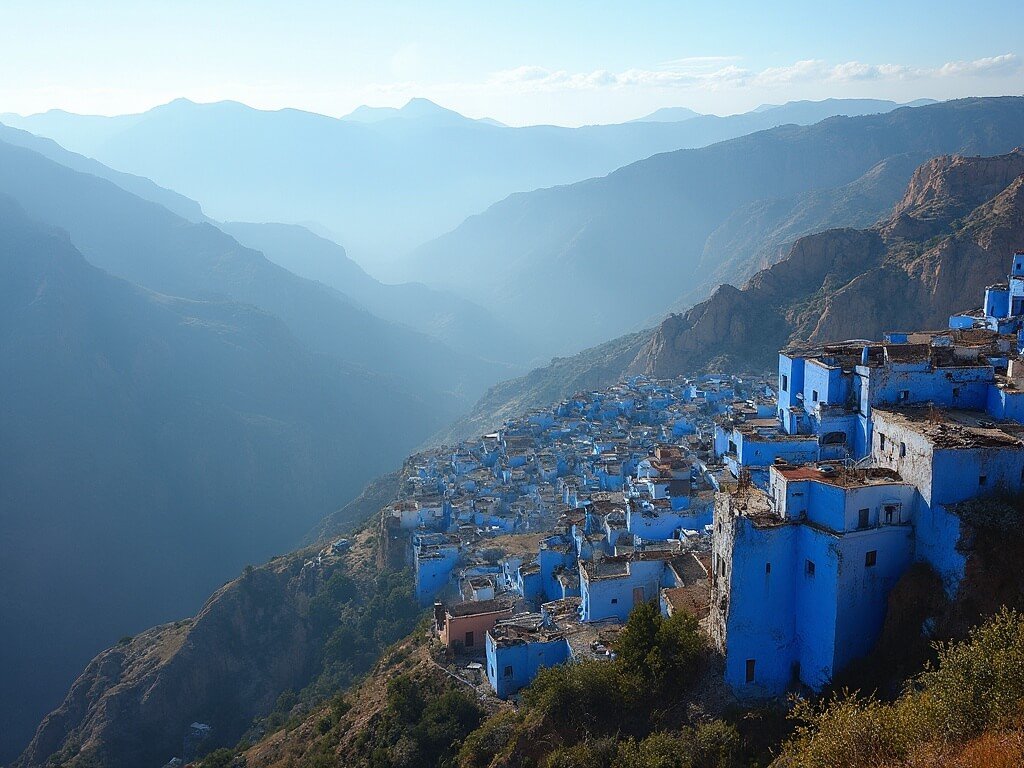
The Rif Mountains aren’t just a backdrop – they’re a living, breathing part of Chefchaouen’s identity. Cannabis cultivation (locally called “kif”) remains an economic reality, though rarely discussed openly.
This isn’t just agriculture. It’s a complex socio-economic system deeply rooted in mountain traditions, challenging simplistic narratives about rural economies.
Access and Transportation: The Practical Realities
Getting to Chefchaouen requires commitment. The nearest major cities – Tangier and Fez – are several hours away. Public buses connect these routes, but prepare for an adventurous journey.
Rental cars offer flexibility, but mountain roads demand experienced driving. My recommendation? Embrace local transportation – it’s an adventure unto itself.
Future Horizons: A City in Transformation
Chefchaouen stands at an interesting crossroads. Digital nomads discover its charm. Sustainable tourism models emerge. The blue city adapts, never losing its soul.
Local entrepreneurs are reimagining traditional spaces. Boutique hotels blend modern amenities with historical architecture. Craft workshops become interactive cultural experiences.
The Insider’s Final Word
Chefchaouen isn’t just a destination. It’s a living narrative of cultural resilience, natural beauty, and human creativity.
Travel isn’t about perfect photographs. It’s about understanding stories written in blue – stories of survival, adaptation, and profound beauty hidden in mountain shadows.
Your Chefchaouen journey awaits. Will you be a passive observer or an active participant in this blue mountain dream?
Remember: The most authentic travel experiences happen when you look beyond the surface – when you see the story behind the blue walls of Chefchaouen.
Explore more:
- blue boho bedroom ideas
- mediterranean bathroom
- blue living room decor
- mediterranean interior design style
- moroccan alcove evening glow