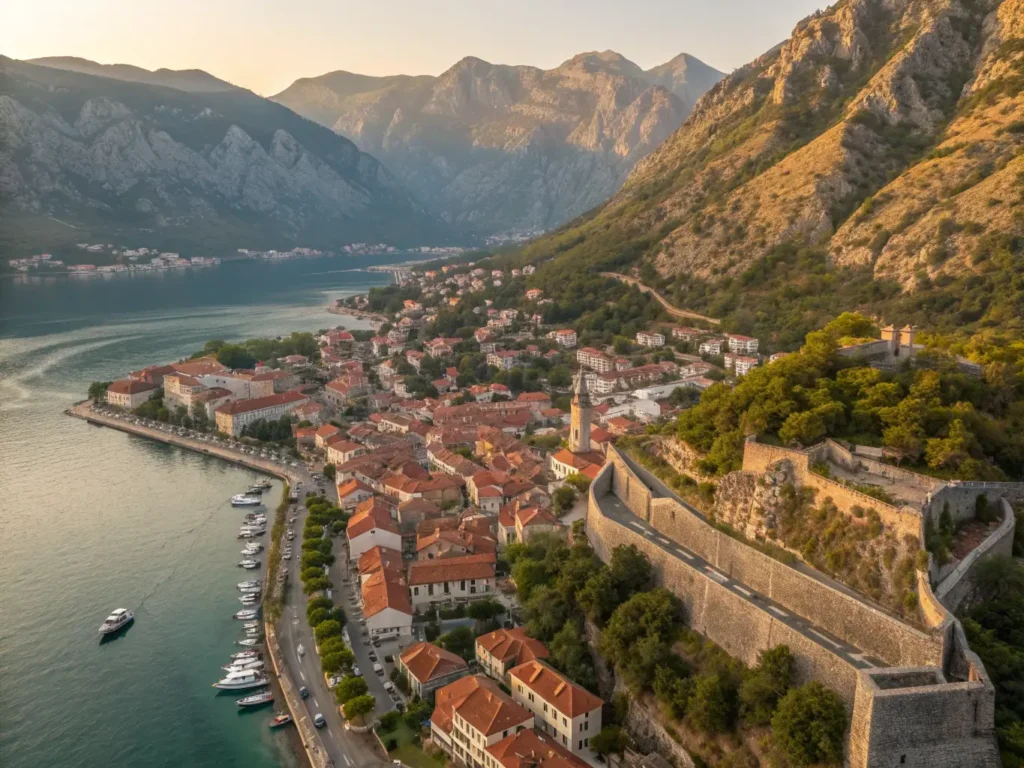
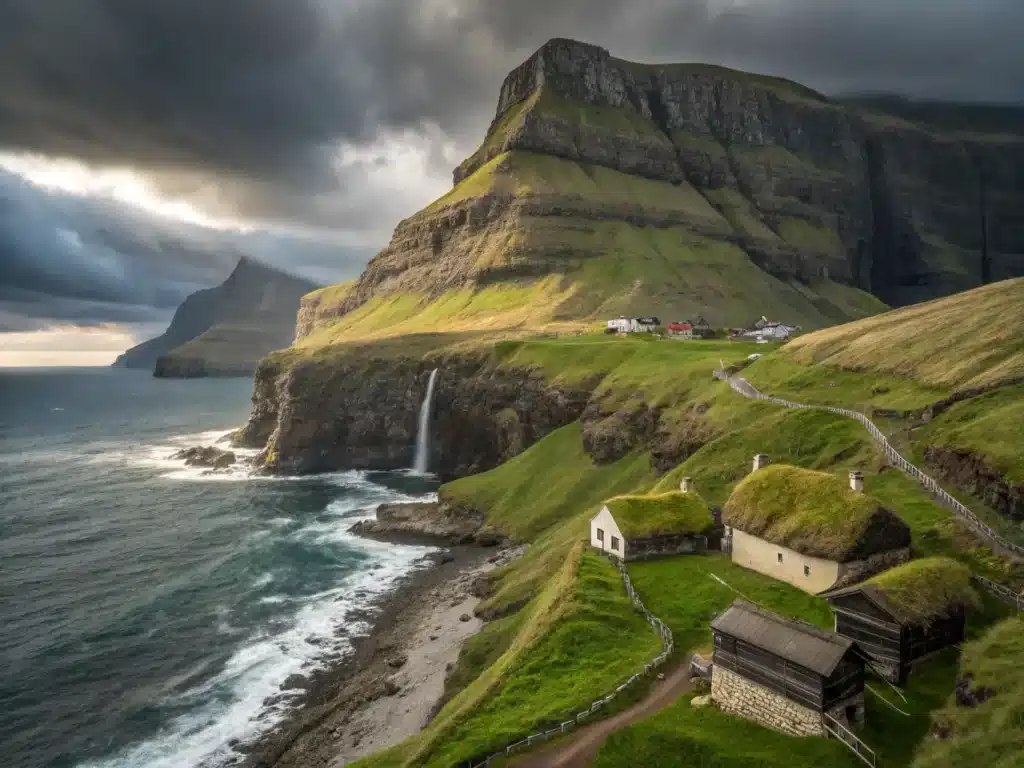
We read about Socotra and kept coming back to the dragon blood trees, which look like nothing else on the planet. The island holds species found nowhere else, which is why it stays on so many travel lists.
That’s Socotra Island – a biological marvel sitting 400 km off Yemen’s coast in the Arabian Sea. Often called the “Galápagos of the Indian Ocean”, this extraordinary landmass is nature’s most incredible experiment in isolation and evolution.
The Island That Time Forgot: A Geological Marvel
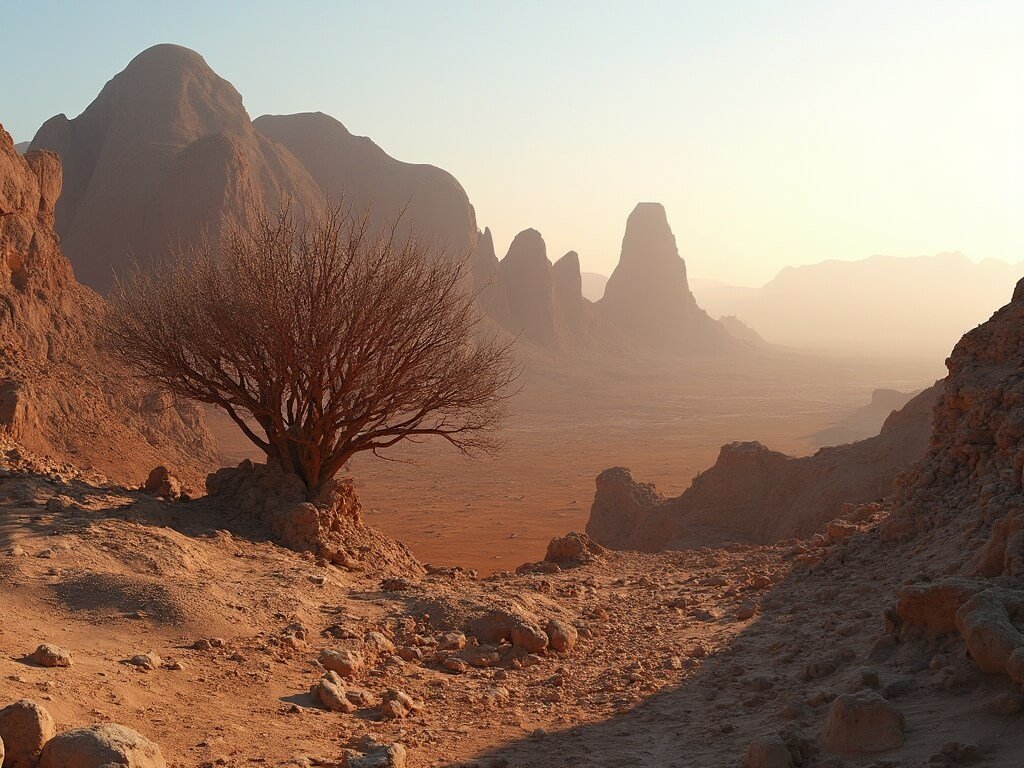
Imagine an island so ancient and isolated that its landscape looks like something from another world. Socotra’s geological history stretches back millions of years, creating a perfect evolutionary laboratory where species developed in complete isolation.
The island’s harsh, arid climate isn’t a weakness – it’s a catalyst for extraordinary adaptation. Here, plants and animals didn’t just survive; they reinvented survival itself.
Dragon Blood Trees: Nature’s Most Bizarre Botanical Masterpiece
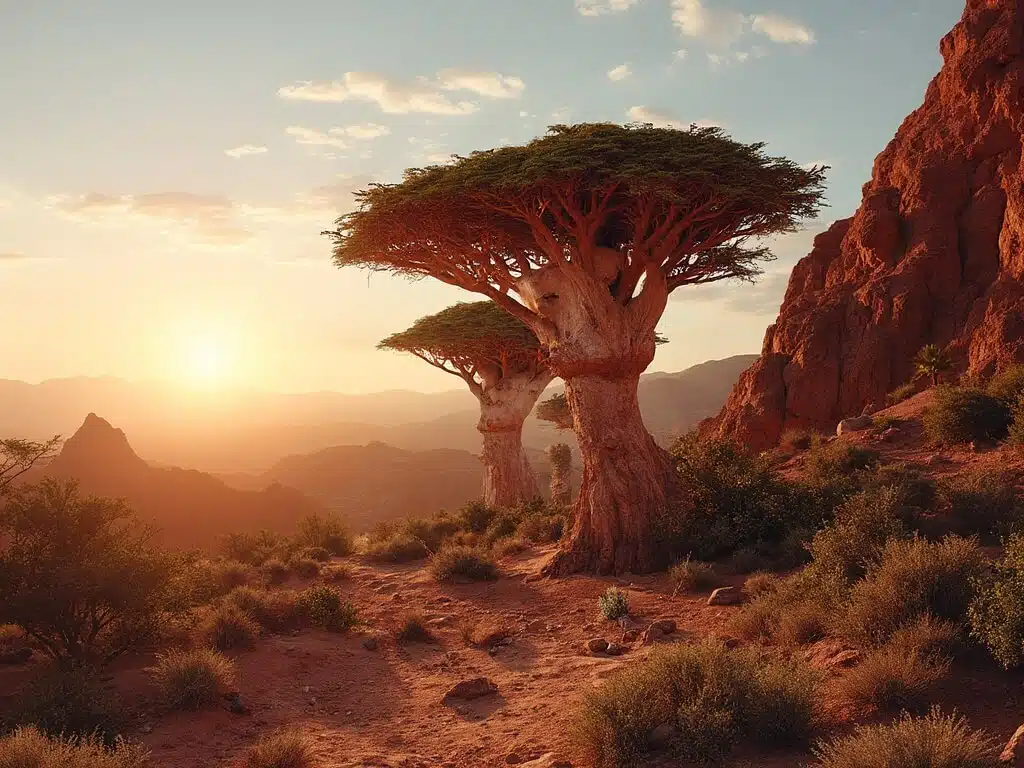
When I first saw a Dragon Blood Tree, I thought someone was playing an elaborate joke on botanical science. These umbrella-shaped trees look like they’ve been conjured from a science fiction novel.
With their thick, gnarled trunks and bizarrely symmetrical canopies, Dragon Blood Trees are living fossils. Their nickname comes from the deep red resin they produce – historically used for medicine, dye, and incense.
Key Dragon Blood Tree facts:
- Umbrella-shaped silhouette that defies conventional tree design
- Produces blood-red resin with ancient medicinal uses
- Perfectly adapted to Socotra’s harsh, rocky terrain
- Critically important to the island’s unique ecosystem
A Landscape of Living Sculptures
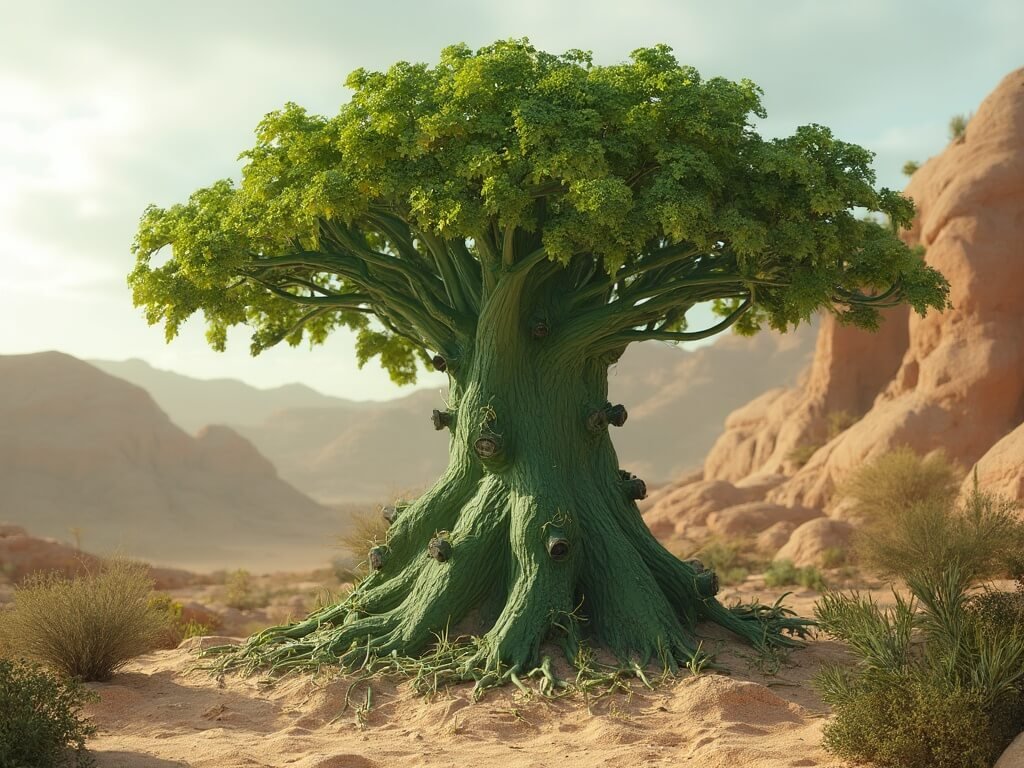
Socotra isn’t just about one weird tree. The entire island is a botanical wonderland:
- Cucumber Trees with bottle-shaped trunks designed for water storage
- Desert Roses that look like miniature bonsai sculptures
- Incense Trees producing legendary myrrh
Incredibly, 37% of Socotra’s 825 plant species are found nowhere else on Earth. It’s like nature’s most exclusive botanical club.
For those inspired by exotic flora, check out our guide to tropical landscape design ideas for your own garden paradise.
Wildlife Beyond Imagination
The animal life is equally mind-blowing:
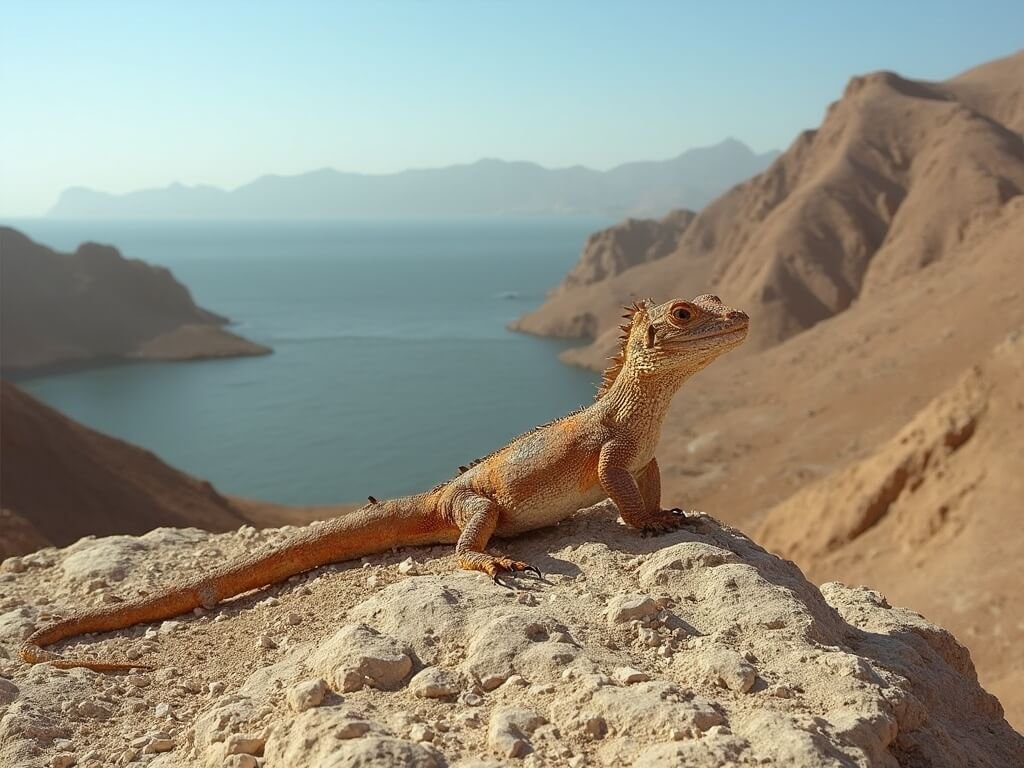
- 90% of reptile species are endemic
- Over 10 bird species unique to this island
- 95% of terrestrial mollusks exist only here
- 730 coastal fish species supporting rich marine ecosystems
A Fragile, Threatened Paradise
Despite its otherworldly beauty, Socotra faces significant challenges. Climate change, potential development, and invasive species threaten this delicate ecosystem.
UNESCO recognizes Socotra’s universal importance, but continued research and conservation are critical. The island represents more than a biological curiosity – it’s a living testament to nature’s incredible creativity.
The Soqotri people have lived in harmony with this extraordinary environment for generations, maintaining traditional practices that protect and respect their unique homeland.
As global interest grows, careful, sustainable tourism might be the key to preserving this incredible natural wonder. Imagine exploring landscapes that look like they belong on another planet – right here on Earth.
The story of Socotra is still being written, with each scientific expedition revealing new mysteries about this extraordinary island sanctuary.
Want to cultivate biodiversity at home? Discover how to build your own backyard vegetable garden with rare and native plant species.
Conserving an Alien Paradise: The Human Factor
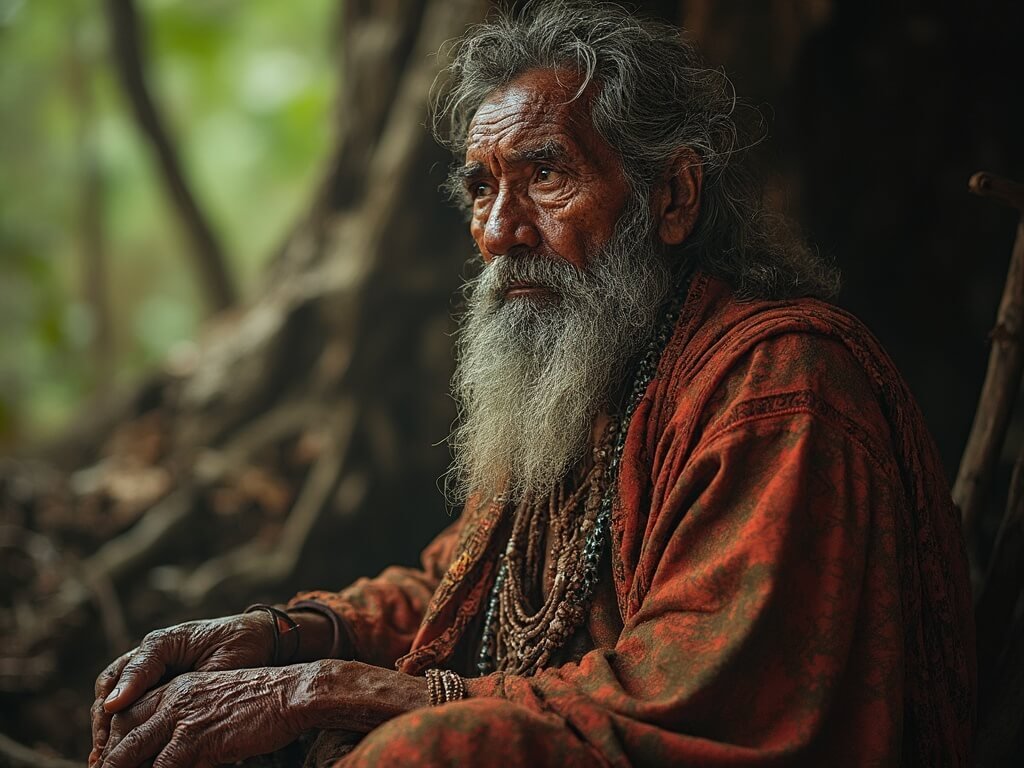
When I spoke with local Soqotri elders, their connection to this extraordinary landscape became crystal clear.
These aren’t just inhabitants. They’re guardians of an ecosystem so unique, it challenges everything we understand about evolutionary adaptation.
The Soqotri people have survived here for thousands of years, developing profound ecological wisdom. Their traditional practices aren’t just cultural – they’re sophisticated environmental management strategies.
The Delicate Balance: Humans and Habitat
Local communities understand something fundamental: survival depends on respecting nature’s intricate systems.
Traditional practices include:
- Sustainable fishing techniques
- Nomadic livestock management
- Minimal landscape intervention
- Generational ecological knowledge passed through oral traditions
Tourism: Blessing or Ecological Threat?
Socotra’s growing reputation creates a critical challenge. How do we introduce the world to this marvel without destroying its essence?
Current tourism approaches focus on:
- Strict visitor limitations
- Mandatory guided ecological tours
- Revenue reinvestment into conservation
- Local community involvement in management
Research: Unlocking Socotra’s Genetic Mysteries
International scientists view Socotra as a living laboratory. Every expedition reveals astonishing discoveries about adaptation, survival, and biological creativity.
Ongoing research explores:
- Genetic diversity of endemic species
- Climate change impact on isolated ecosystems
- Potential medical and botanical breakthroughs
- Evolutionary mechanisms in extreme environments
Challenges and Future Outlook
Despite its isolation, Socotra faces unprecedented threats:
- Climate change disrupting fragile ecosystems
- Potential invasive species introduction
- Development pressures
- Political instability in Yemen
The Global Significance
Socotra Island’s unique endemic plants found nowhere else on Earth represent more than a remote island. It’s a blueprint for understanding biological resilience, evolutionary potential, and nature’s extraordinary creativity.
Each endemic species tells a story of survival against impossible odds. From microscopic insects to towering Dragon Blood Trees, this landscape demonstrates life’s remarkable adaptability.
Visitor’s Ethical Guide: Experiencing Socotra Responsibly
For those fortunate enough to visit, remember:
- Respect local customs
- Minimize environmental impact
- Choose sustainable tour operators
- Learn, don’t just observe
- Support conservation efforts
Final Reflections: A Living Treasure
Socotra isn’t just a destination. It’s a testament to nature’s boundless imagination.
As our planet faces unprecedented environmental challenges, this remote island offers hope. It reminds us that life finds a way – often in the most unexpected, breathtaking forms.
The story of Socotra is still being written, with each passing year revealing new chapters in its extraordinary evolutionary narrative.
Socotra stays worth the trip because so much of its wildlife exists nowhere else. Plan around the dragon blood trees and the rest of the island follows.
Explore more nature-inspired design ideas:
- Tropical bedroom inspiration
- Tropical backyard design ideas
- Backyard guest house retreat
- Farmhouse garden design
- Outdoor living space ideas