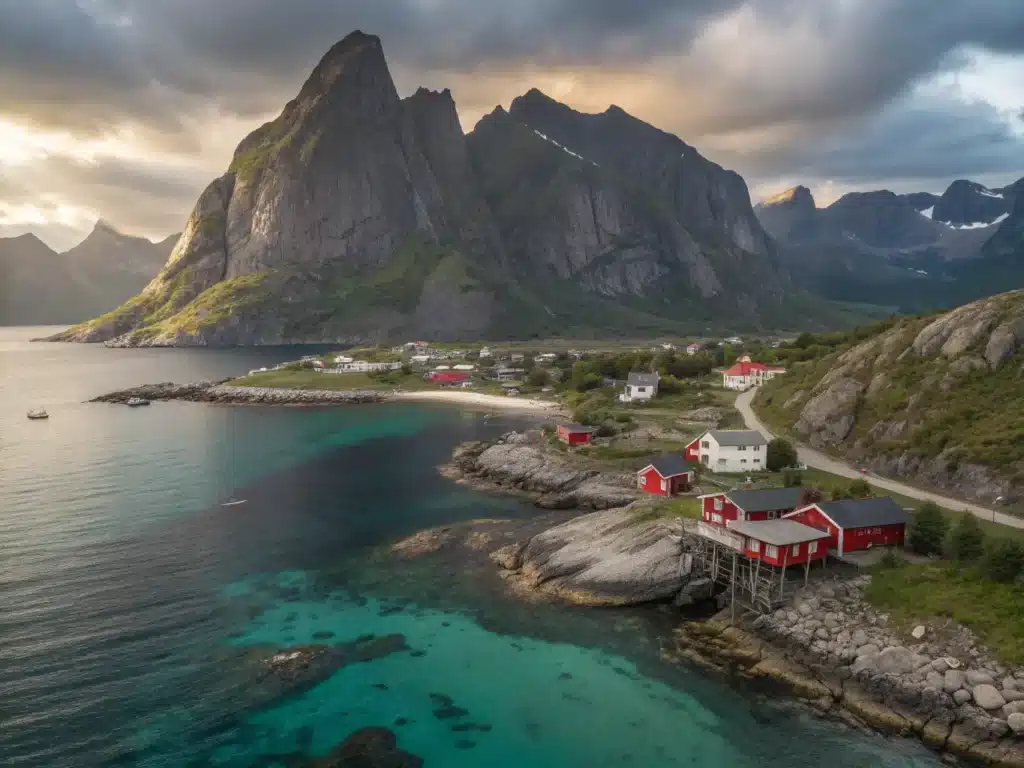
We drove the Faroe Islands and the turf roof houses under the cliffs were the part worth the weather. The dramatic cliffs and quiet villages are the reason to go.
The Faroe Islands aren’t just a destination—they’re an experience that’ll rewire everything you thought you knew about remote landscapes.
Tucked Away: A Nordic Secret Hidden in Plain Sight
I first discovered the Faroe Islands during a chance conversation with a weathered sailor in Copenhagen. His eyes lit up as he described these 18 volcanic islands nestled between Norway and Iceland, an autonomous territory of Denmark that most people can’t even find on a map.
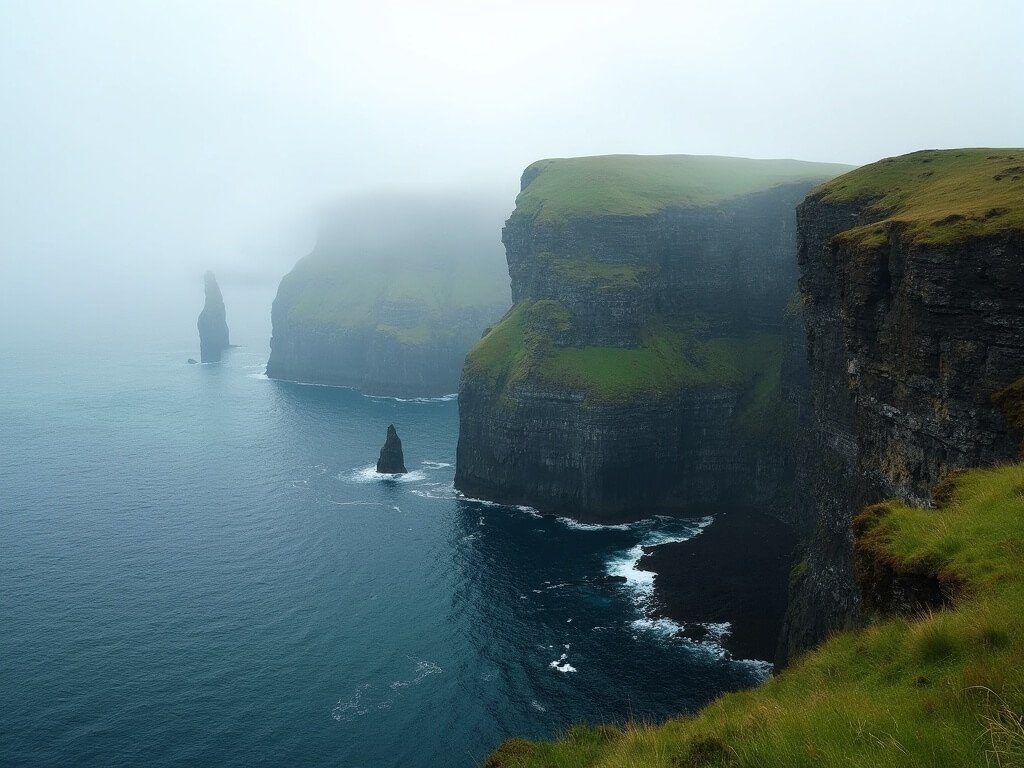
Spanning roughly 1,400 square kilometers with a staggering 1,117 kilometers of coastline, these islands are a geological marvel. Imagine an archipelago where dramatic basalt cliffs rise like ancient guardians, U-shaped valleys carve through volcanic terrain, and fewer than 50,000 people call this extraordinary landscape home.
Landscapes That Defy Imagination
The physical geography here isn’t just stunning—it’s downright theatrical.
Key landscape highlights include:
- Europe’s highest sea cliffs at Cape Enniberg (750m)
- Slættaratindur mountain reaching 882m
- Volcanic formations shaped by millennia of glacial erosion
- Countless sea stacks, hidden caves, and tidal lagoons
The climate? Moody and unpredictable. Frequent rain, shifting sunlight, and misty horizons create an atmosphere that’s equal parts haunting and mesmerizing.
Pro tip: Visit between May and September for the most hospitable weather and longest daylight hours.
Villages That Look Like Fairytale Postcards
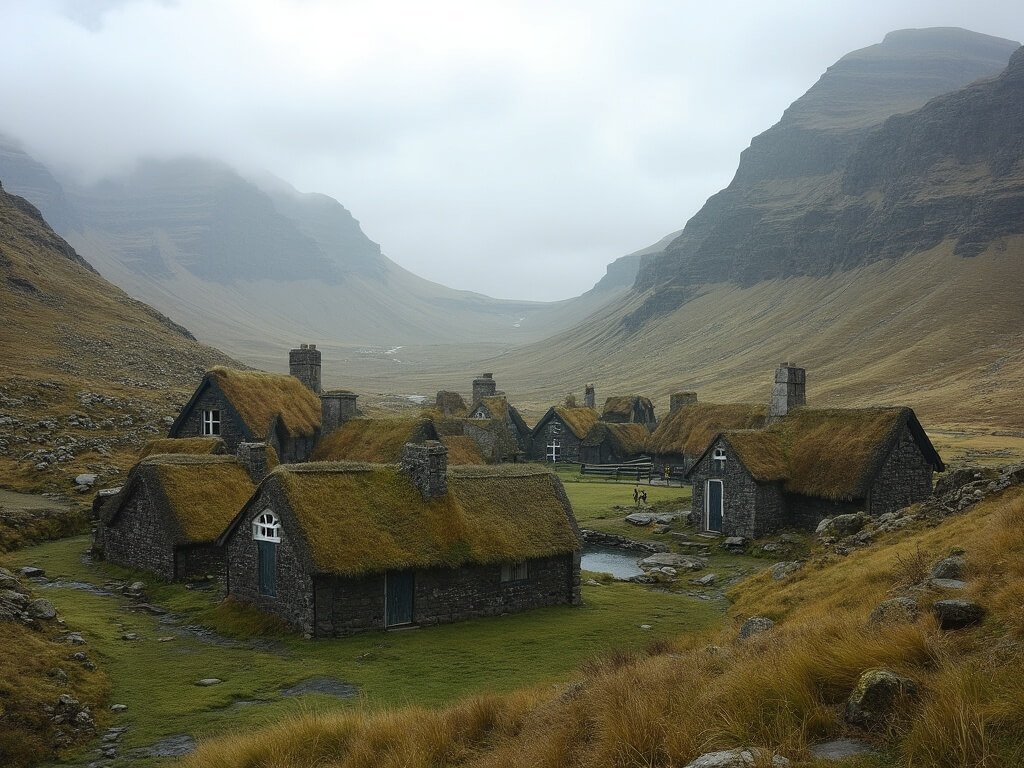
Faroese villages are where architectural poetry meets practical survival. Turf-roof houses—some centuries old—blend seamlessly into the landscape, their grass coverings changing color with the seasons.
Places like Saksun, Gásadalur, and Tjørnuvík aren’t just settlements. They’re living museums of Nordic resilience. Stone, driftwood, and native turf combine to create dwellings that have withstood brutal North Atlantic winds for generations.
These aren’t just houses. They’re a testament to human adaptation.
A Landscape Designed for Adventure
Want jaw-dropping experiences? The Faroe Islands deliver:
- Tjørnuvík’s black sand beach with legendary sea stacks
- Kalsoy Island’s remote hiking trails
- Mykines Island’s massive puffin colonies
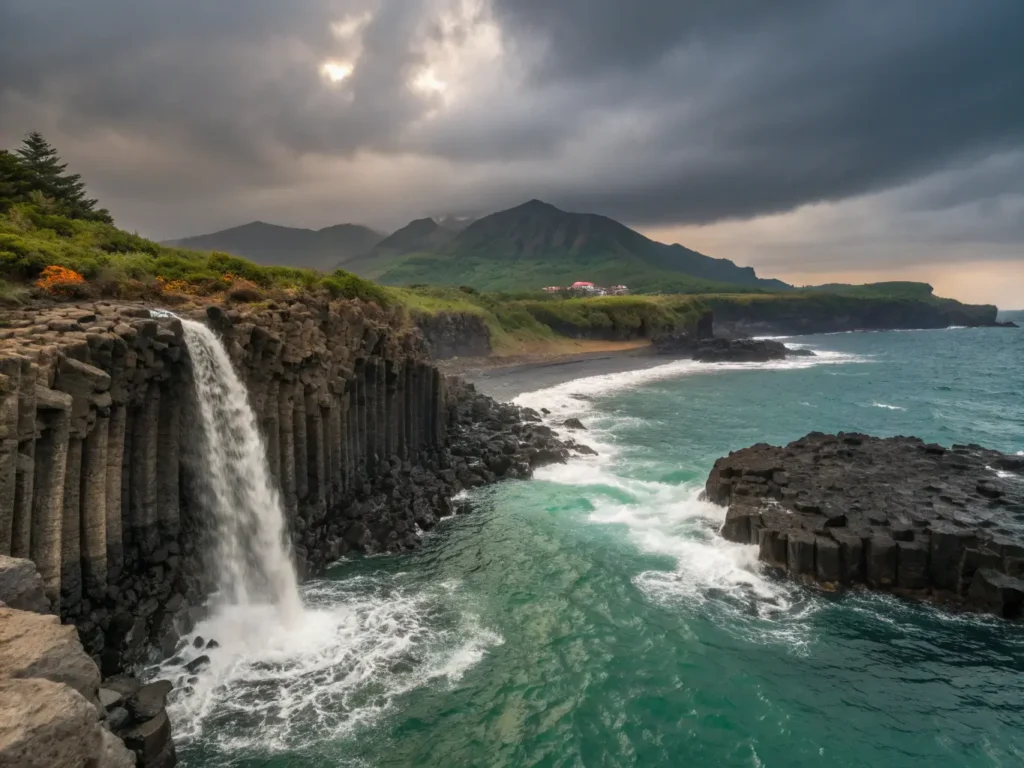
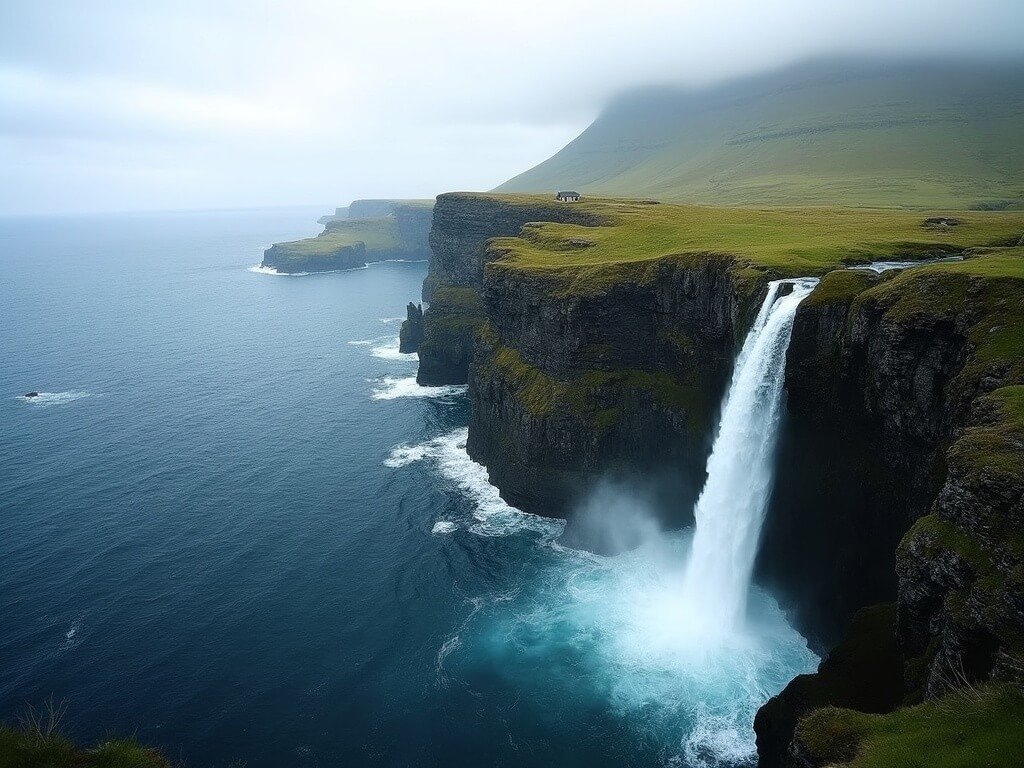
- Mulafossur Waterfall dramatically cascading into the sea
Photographers and nature lovers, consider this your ultimate playground.
Survival, Sustainability, and Serenity
The Faroese don’t just live in their environment—they’re intrinsically part of it. Hydropower, wind energy, and sustainable fishing practices showcase a deep commitment to preserving their pristine ecosystem.
Tourism is carefully managed. They’re not selling out their soul for quick cash. Instead, they’re curating experiences that respect their delicate natural balance.
As social media increasingly reveals these dramatic landscapes in stunning 4K resolution, the Faroe Islands stand at an interesting crossroads. How do you maintain traditional life while welcoming curious explorers?
The wind whispers across those grass-topped cliffs, holding stories of generations who’ve carved out an existence in one of the world’s most unforgiving yet breathtakingly beautiful landscapes.
And just when you think you understand the Faroe Islands, another misty horizon reveals another layer of mystery…
Explore More From Us
If you’re into contrasting climates and design styles, check out our guide to tropical landscape design.
Interested in creating your own retreat? Here’s how to build a backyard guest house that feels like a Nordic escape.
Culture: More Than Just Landscapes
Understanding the Faroe Islands means diving deep into a culture as layered as its volcanic terrain.
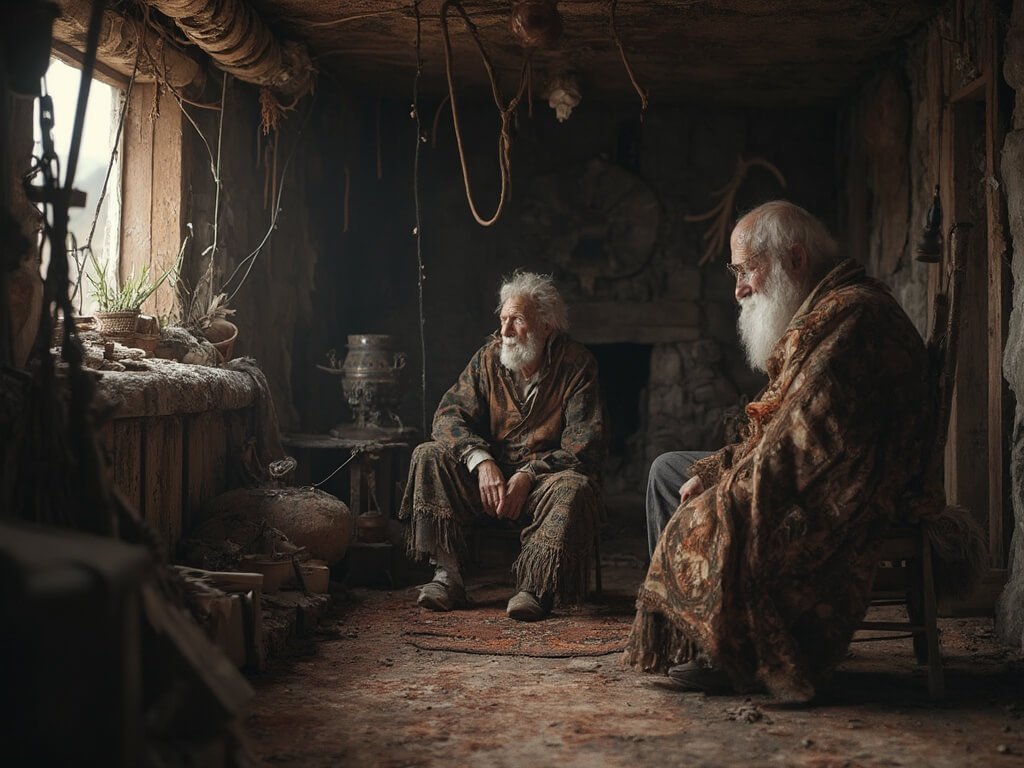
Language is the first gateway. Faroese—a Nordic language descended from Old Norse—isn’t just a communication tool. It’s a living connection to Viking ancestry, preserved meticulously in remote villages where elders still tell generational stories.
During my travels, I discovered something remarkable: most Faroese speak at least three languages fluently. Danish, English, and their native Faroese create a linguistic tapestry that reflects their complex cultural identity.
The Heartbeat of Faroese Traditions
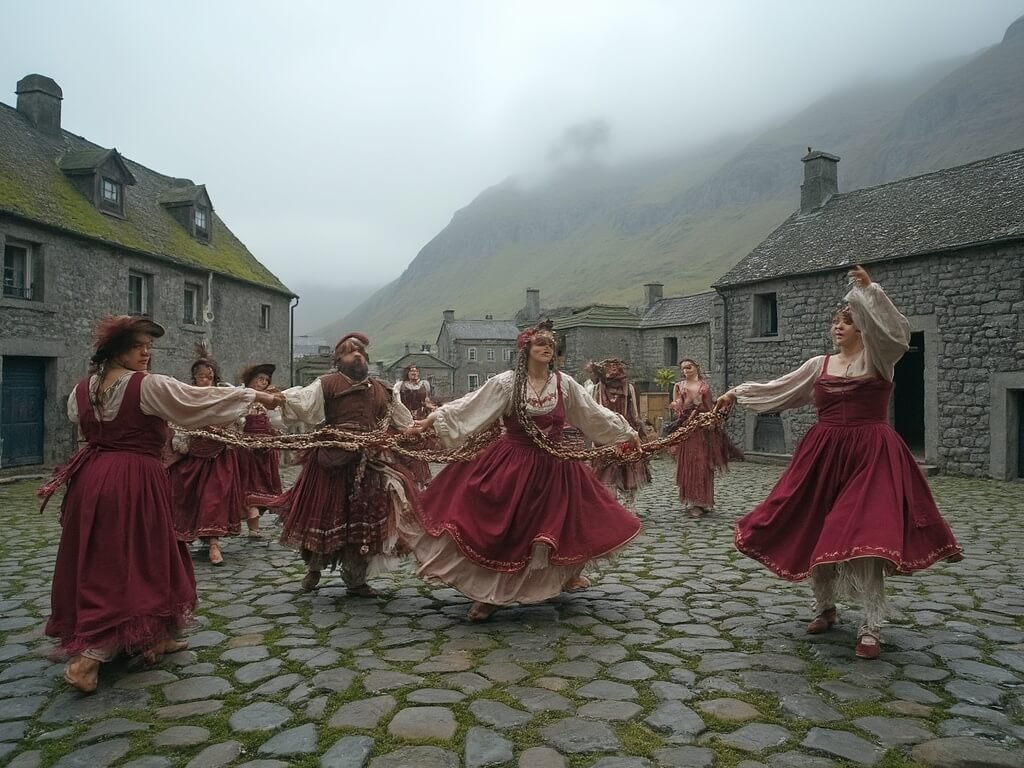
Traditional Faroese culture revolves around survival and community. Their famous chain dance—a centuries-old communal performance—isn’t just entertainment. It’s a historical narrative, telling epic stories through synchronized movement.
Key cultural preservation strategies include:
- Maintaining indigenous language
- Protecting oral storytelling traditions
- Supporting local artisan crafts
- Celebrating annual community festivals
Economic Resilience in a Challenging Environment
Fish isn’t just food here—it’s economic lifeblood.
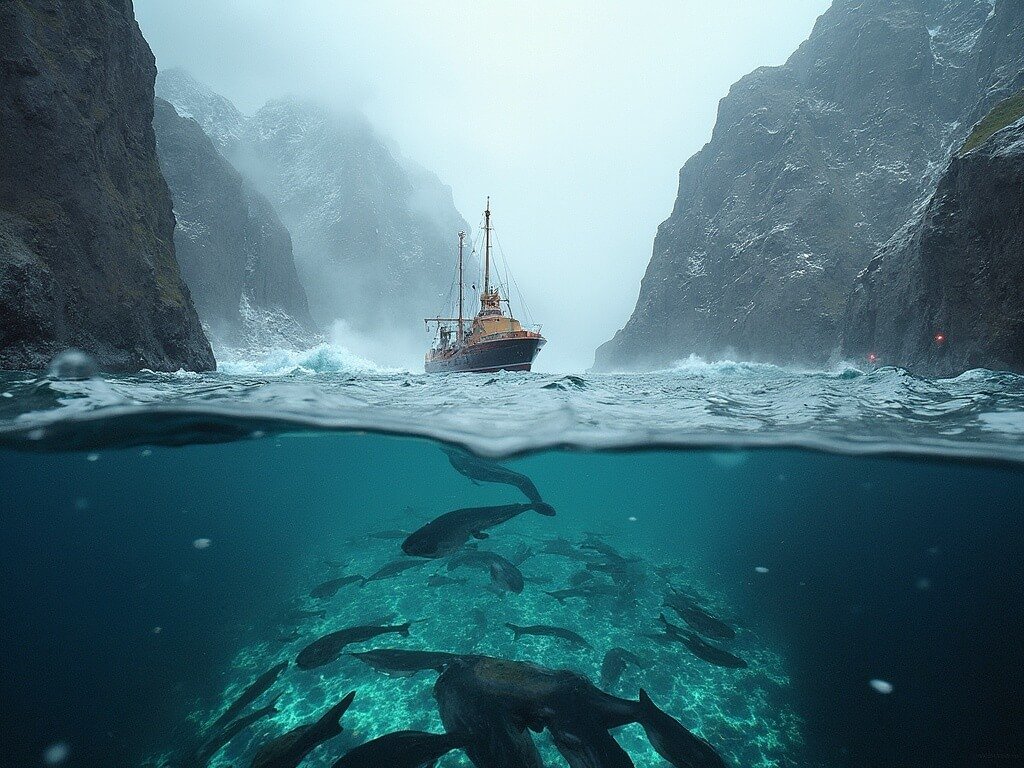
The Faroese fishing industry represents approximately 90% of export revenues, with sophisticated management practices that balance economic needs against environmental sustainability.
Aquaculture, particularly salmon farming, has emerged as a critical economic sector. Advanced technologies allow them to farm salmon in some of the world’s most challenging marine environments while maintaining strict ecological standards.
Technology Meets Tradition
Don’t mistake isolation for technological backwardness.
The Faroe Islands boast some of the world’s most advanced digital infrastructures, particularly in telecommunications. High-speed internet reaches even the most remote villages, allowing younger generations to maintain global connections without abandoning traditional lifestyles.
Climate Change: A Real and Present Challenge
Rising sea levels and changing marine ecosystems pose existential questions for this archipelago.
Local scientists and community leaders are actively developing adaptive strategies:
- Advanced coastal protection systems
- Renewable energy investments
- Marine ecosystem monitoring programs
- Community resilience planning
The Tourism Dilemma: Preservation vs. Opportunity
Tourism represents both promise and peril.
Annual visitor numbers have grown from roughly 10,000 in 2010 to over 100,000 in recent years—a ten-fold increase that demands careful management.
The Faroese approach isn’t about mass tourism. It’s about curated, responsible experiences that respect local ecosystems and cultural integrity.
Looking Forward: A Balanced Future
As global interest grows, the Faroe Islands stand at a fascinating crossroads.
They’re not just preserving a way of life—they’re reimagining it. By blending technological innovation, environmental stewardship, and deep-rooted cultural traditions, they’re creating a model of sustainable living that the world can learn from.
Final Reflection
The Faroe Islands aren’t just a destination. They’re a living, breathing testament to human adaptability, cultural resilience, and harmonious coexistence with nature.
Whether you’re a traveler, researcher, or simply curious about extraordinary places, the Faroe Islands offer more than scenic beauty. They provide a profound lesson in surviving—and thriving—at the edge of the habitable world.
Want to truly understand remote beauty? Look no further than the Faroe Islands, where every cliff, village, and tradition tells a story of remarkable human endurance.
The Faroe Islands stay worth the weather for turf roof houses under dramatic cliffs and quiet villages. Drive the coast and the rest follows.