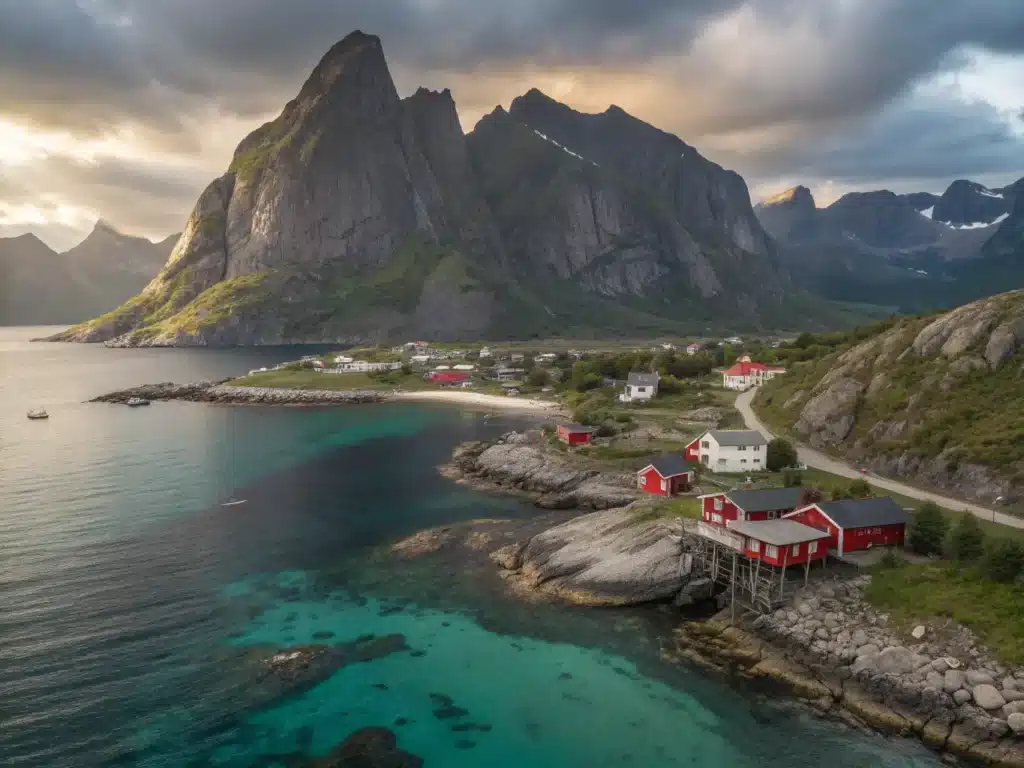
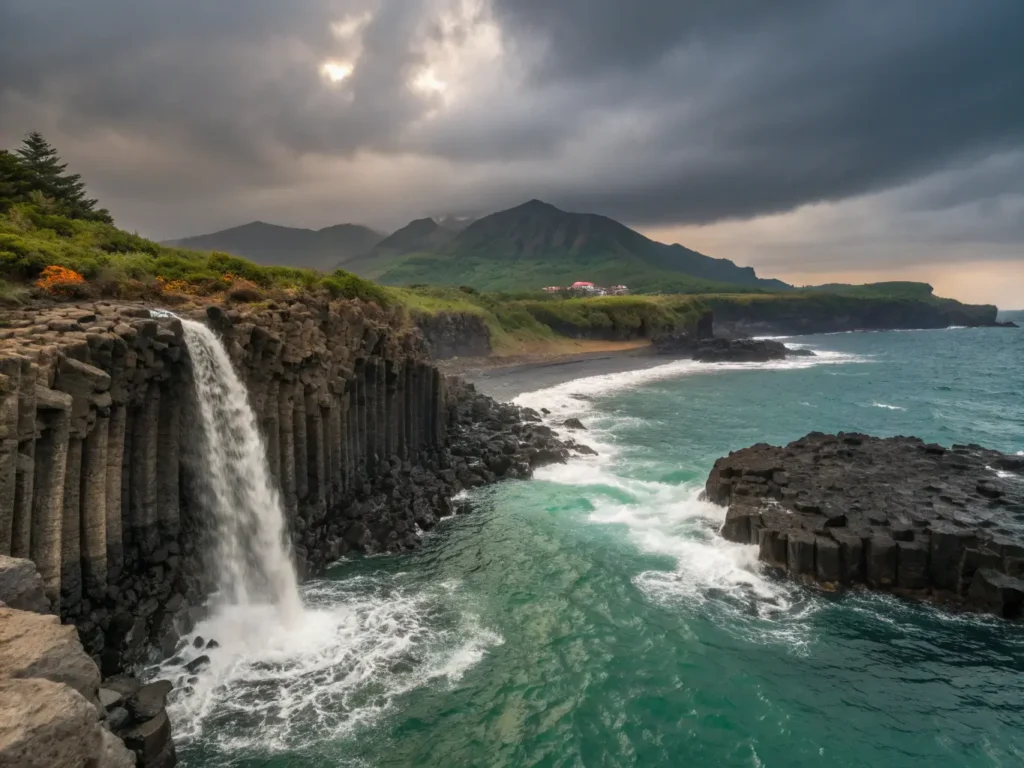
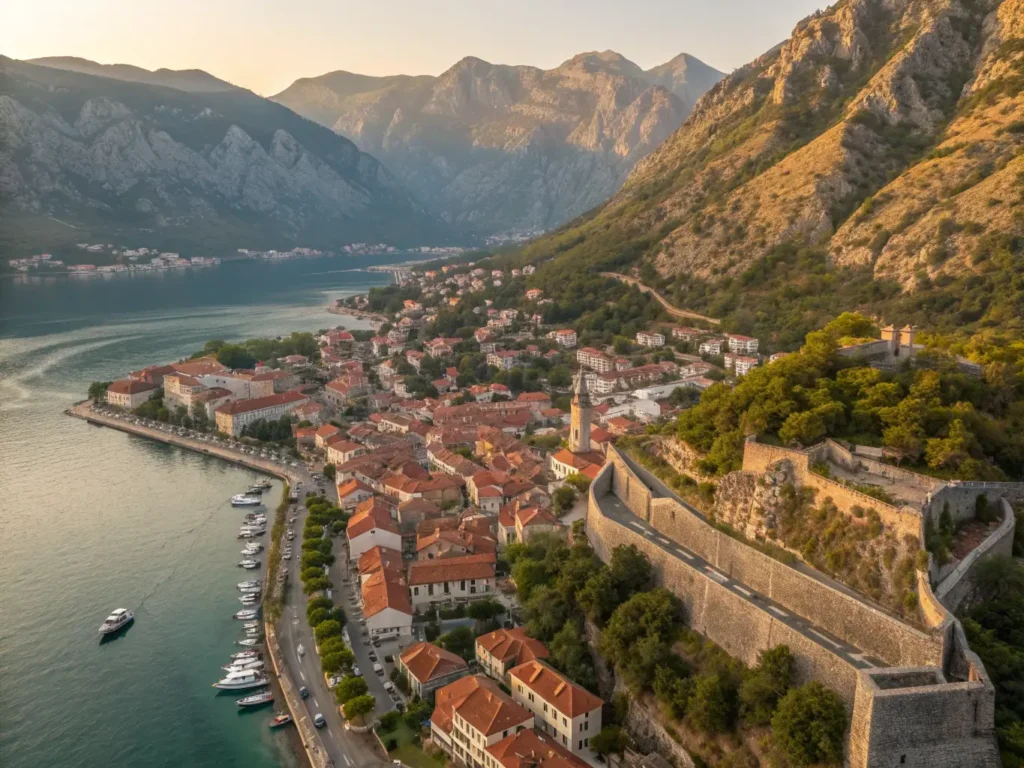
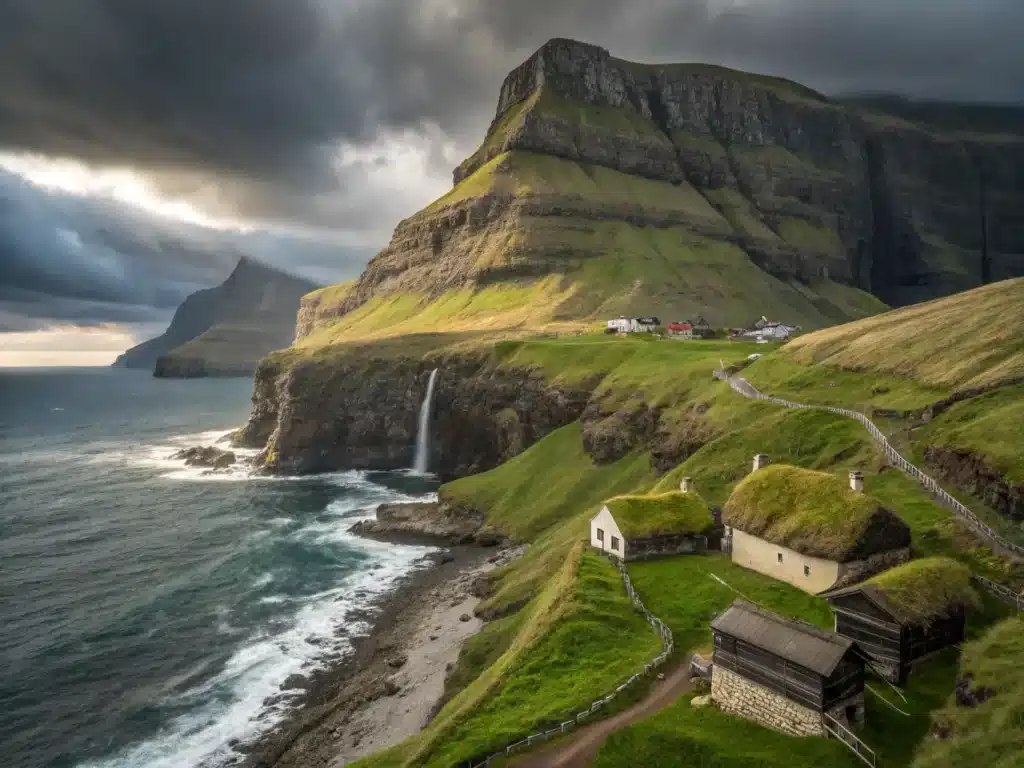
We read about Svalbard and kept returning to the midnight sun, where the light never fully sets in summer. The arctic wilderness holds polar bears and a daylight schedule unlike anywhere else.
I first heard about Svalbard during a late-night documentary that completely blew my mind. A remote Norwegian archipelago sitting dramatically in the Arctic Circle, Svalbard isn’t just another destination – it’s an entire world suspended between extreme survival and inviting natural wonder.
Let me take you deep into this extraordinary landscape where reality feels more surreal than fiction.
The Arctic’s Hidden Gem: More Than Just Another Dot on the Map
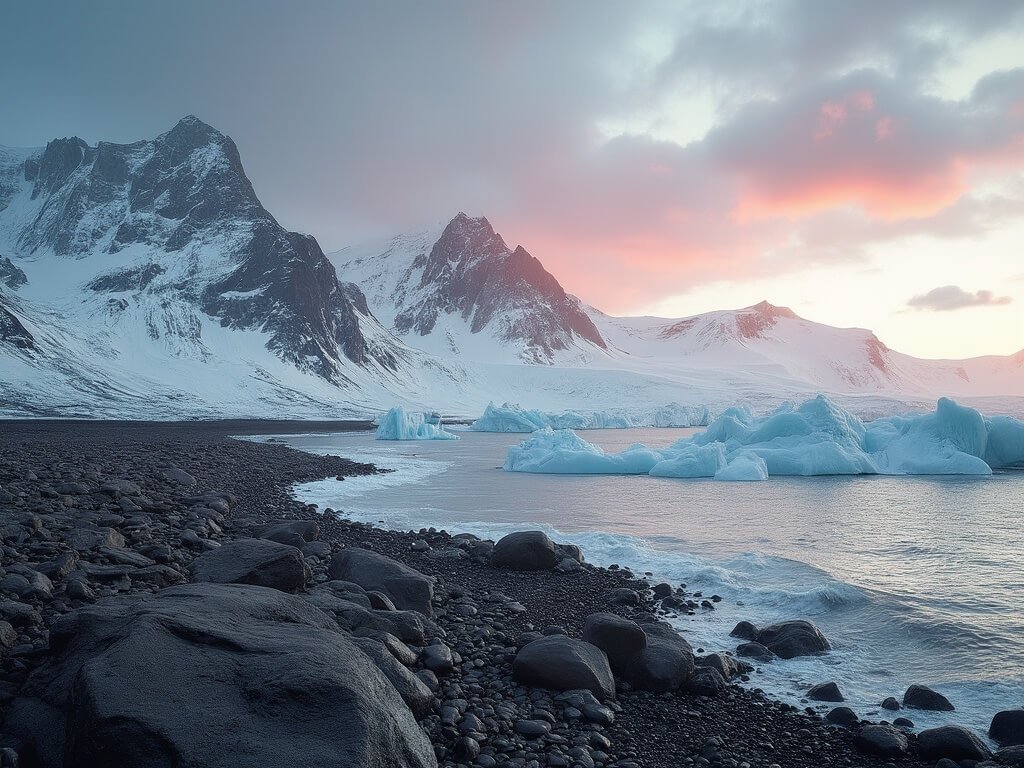
Standing in Longyearbyen at midnight with the sun still up and a rifle slung on my back because of the bears, I understood why people call Svalbard surreal. The arctic wilderness here isn’t a backdrop — it’s the whole point, and it decides your day before you do.
The archipelago comprises several islands, with Spitsbergen reigning as the largest. But don’t think of these as mere landmasses – they’re living, breathing ecosystems that challenge everything you know about habitability.
A Surprising International Community in Earth’s Frozen Edge
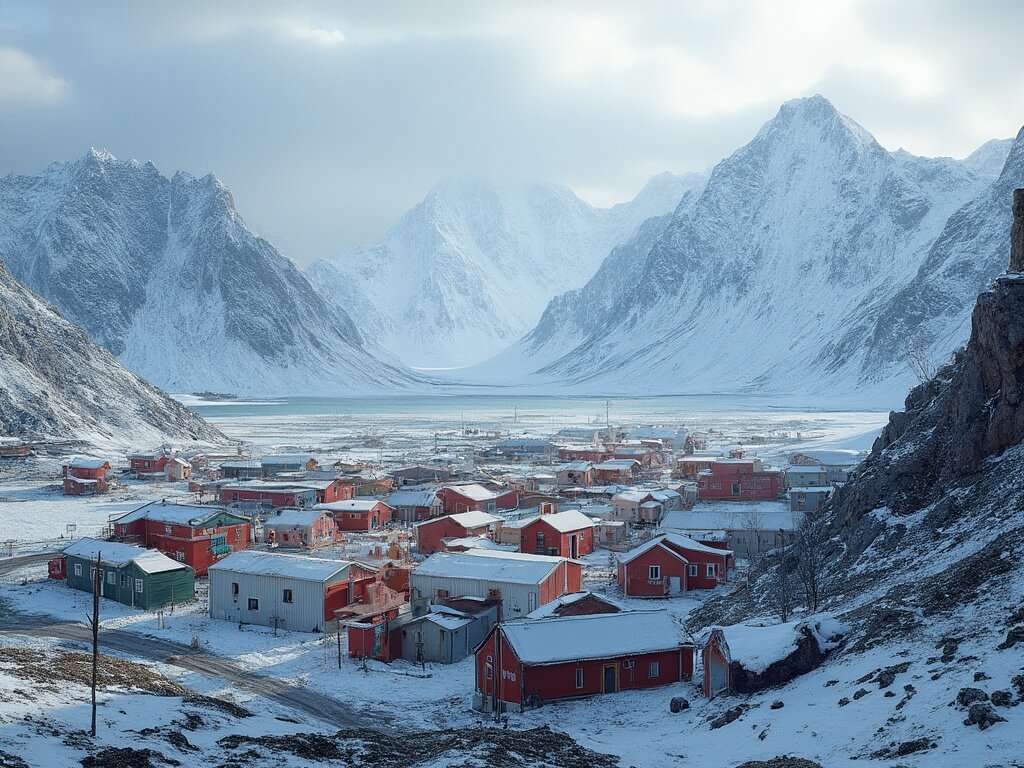
Despite its extreme location, Svalbard hosts approximately 2,700 residents from multiple nations. Longyearbyen, the main settlement, isn’t some primitive outpost – it’s a modern hub with international infrastructure, schools, restaurants, and even an airport.
Quick facts that’ll make your jaw drop:
- Anyone can technically live and work here
- International community driven by science and tourism
- Regular flights connect to mainland Norway
- More polar bears than people roam the landscape
The Wilderness That Defies Imagination
Picture this: 65% of Svalbard’s land is protected as national parks or nature reserves. Mountains, glaciers, and fjords dominate the landscape, with Newtontoppen standing proudly at 1,713 meters – a geological titan in this frozen realm.
The climate? Brutally honest. Winter temperatures plummet to –16°C, while summers offer a “balmy” 6°C. But temperature is just the beginning of Svalbard’s extreme personality.
A Light Cycle That Breaks Every Rule
Between mid-April and late August, something magical happens. The sun doesn’t set. At all.
Imagine hiking at “midnight” with sunlight painting everything in a surreal, reddish-yellow glow. Your body’s circadian rhythm goes haywire. Time becomes a fluid concept. Activities happen 24/7 – swimming, wildlife spotting, cruising – all under an endless daylight that feels like nature’s most elaborate magic trick.
Local residents have adapted brilliantly, using blackout curtains and hosting “Midnight Sun” festivals that celebrate this extraordinary phenomenon.
Polar Bears: The True Rulers of Svalbard
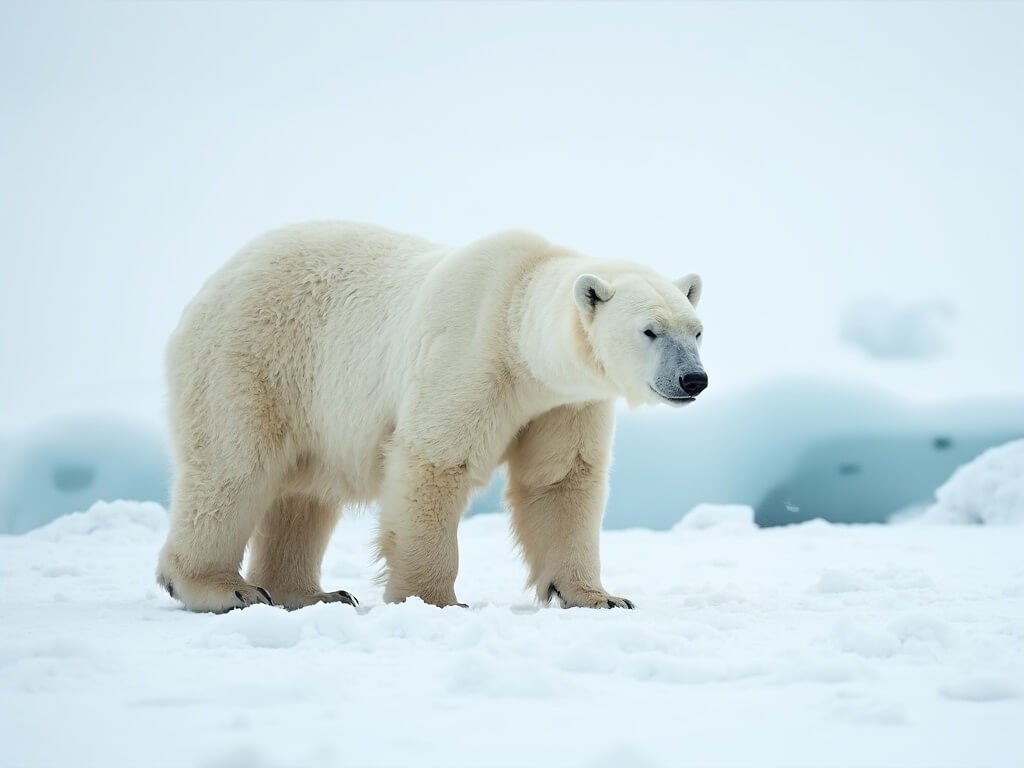
Here’s a mind-blowing statistic: approximately 3,000 polar bears inhabit the archipelago – literally outnumbering humans. These aren’t just animals; they’re apex predators defining the entire Arctic ecosystem.
Important survival tip: Outside settlements, you’re legally required to carry a firearm. Not for bravado, but for potential bear encounters. These aren’t cuddly zoo creatures – they’re wild, powerful, and view humans as potential prey.
Polar bear safaris and photography tours offer controlled, safe ways to witness these majestic creatures in their natural habitat. But make no mistake – you’re a guest in their kingdom.
The story of Svalbard is far from over
As climate change reshapes this fragile ecosystem, this archipelago stands as a living laboratory of environmental changeation, scientific research, and human adaptation.
Want to know how this extraordinary place continues to challenge our understanding of survival, wilderness, and human potential?
Check out these related articles:
- Explore unique small cabin interiors inspired by Arctic living
- Discover Nordic cabin interior design that mirrors Svalbard’s rugged charm
The Science Behind Survival: Research at the World’s Arctic Frontier
When I met Dr. Elena Petrova, a climate researcher at the University of the Arctic in Ny-Ålesund, her passion for Svalbard was infectious.
“This isn’t just a location,” she told me, her eyes gleaming with scientific intensity. “It’s a global early warning system for climate change.”
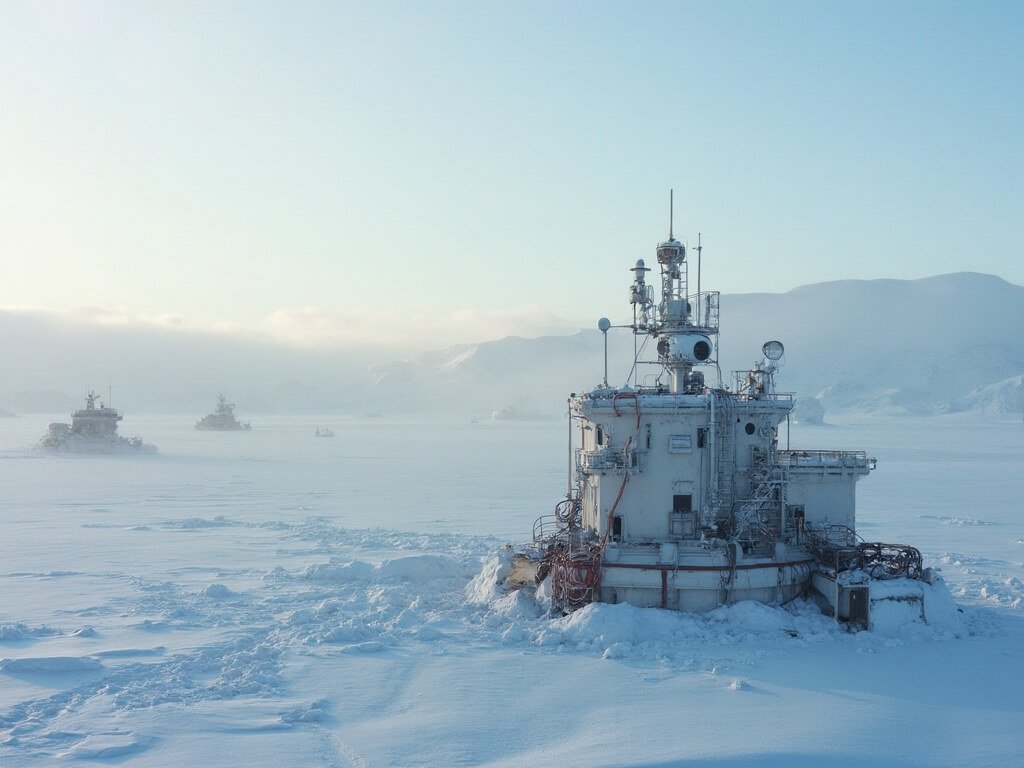
Ny-Ålesund isn’t just another research station. It’s an international scientific hub where researchers from multiple countries collaborate to understand our planet’s most critical environmental changeations.
The Global Seed Vault: Humanity’s Backup Plan
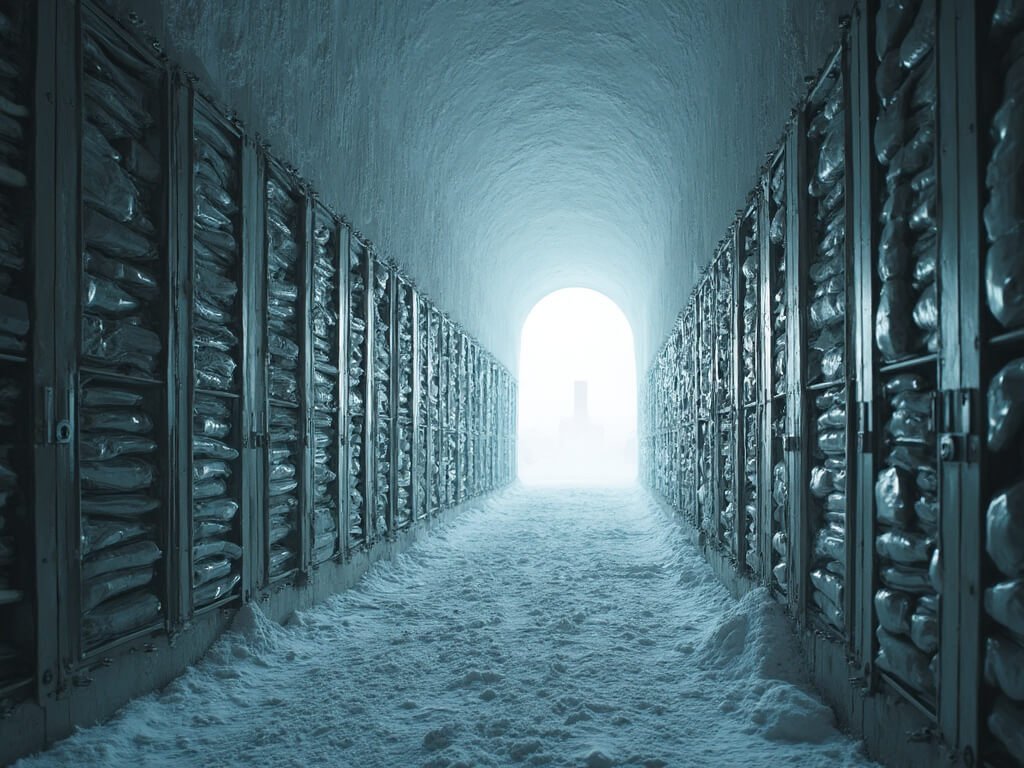
Buried deep within Svalbard’s Arctic permafrost lies something extraordinary: the Svalbard Global Seed Vault. Often called the “Doomsday Vault”, this facility stores over 1 million seed samples from around the world.
Imagine a global insurance policy against agricultural catastrophe. If crop systems collapse anywhere on Earth, these seeds represent humanity’s genetic backup.
- Located 390 feet inside a mountain
- Maintains constant temperature around -18°C
- Protects genetic diversity from potential global disasters
- Funded through international cooperation
Climate Change: The Arctic’s Unfolding Drama
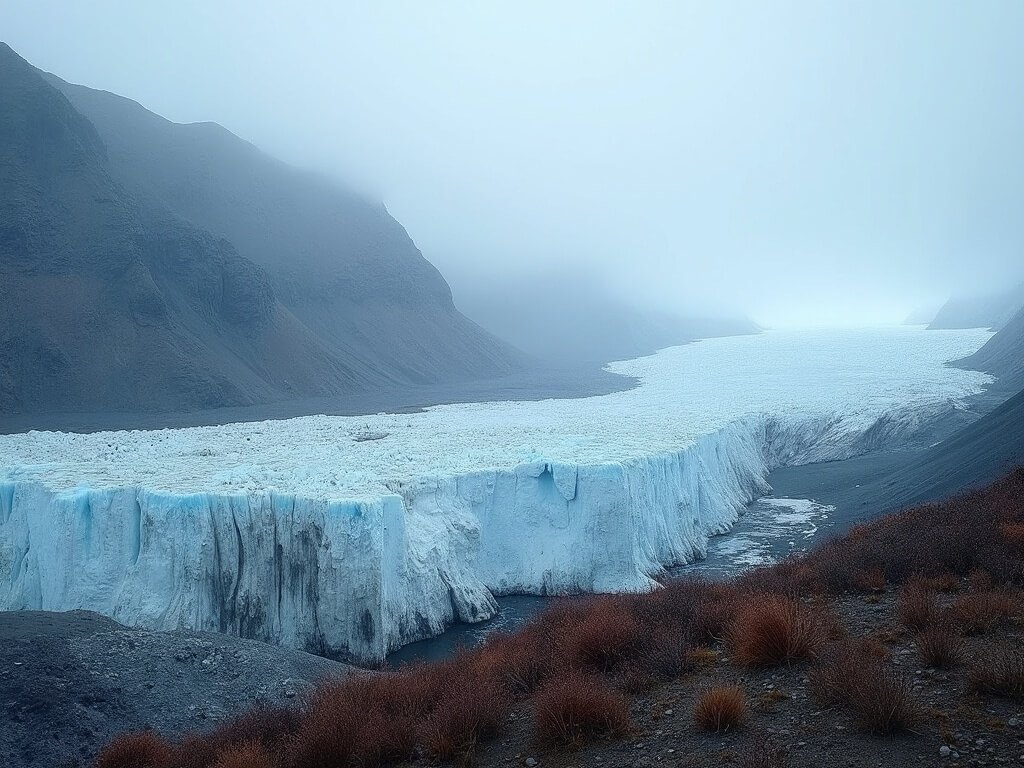
Svalbard isn’t just experiencing climate change – it’s ground zero for planetary changeation.
The archipelago is warming faster than almost anywhere else on Earth. Glaciers are receding. Permafrost is thawing. Wildlife migration patterns are shifting dramatically.
Scientists here aren’t just observing – they’re documenting a global phenomenon with potentially catastrophic implications.
Tourism: Walking the Tightrope Between Adventure and Conservation
Modern Svalbard tourism isn’t about conquering wilderness – it’s about respectful exploration.
Guided expeditions now follow strict environmental protocols. Group sizes are limited. Every footstep is carefully monitored to minimize ecological impact.
Typical adventure options include:
- Dog sledding across glacial landscapes
- Kayaking through pristine fjords
- Photography expeditions tracking Arctic wildlife
- Midnight Sun hiking experiences
- Controlled polar bear observation tours
Survival Skills: More Than Just a Tourist Challenge
Living in Svalbard requires more than enthusiasm – it demands genuine preparedness.
Mandatory safety training includes:
- Firearm handling for bear protection
- Navigation in zero-visibility conditions
- Emergency shelter construction
- Understanding extreme weather survival techniques
Interesting local regulation: You cannot die or be buried in Svalbard due to permafrost preventing decomposition. Seriously.
The Human Spirit: Adapting to Earth’s Most Challenging Environment
What drives people to choose this extreme environment?
For some, it’s scientific passion. For others, an unquenchable desire to live at humanity’s geographical edge. Svalbard attracts individuals who view limitations as invitations to explore.
Go with a registered guide rather than renting a skiff and hoping, and bring more warm layers than you think you’ll need. The twenty-four-hour light is a gift, but the cold and the distance from help are the part you plan around.
- Sustainable cabin interiors for extreme climates
- Designing small cabin exteriors in Arctic regions
- Functional cabin interiors with Arctic influence
- Log home interiors for cold environments
- Aesthetic touches inspired by Arctic living
Sustainable Future: A Model for Planetary Resilience
Svalbard represents more than a destination. It’s a living laboratory demonstrating how humans can coexist with extreme environments while maintaining ecological respect.
The archipelago teaches us that survival isn’t about conquering nature – it’s about understanding and preserving it.
Final Reflections: Why Svalbard Matters
As our planet faces unprecedented environmental challenges, Svalbard stands as a beacon of hope and scientific understanding.
Here, in this remote Arctic wilderness, we’re not just observing climate change – we’re learning how to adapt, survive, and potentially reverse our most significant ecological threats.
Svalbard stays worth the trip for the midnight sun and the polar bears few places can match. Plan around the light and the Arctic wilderness opens up.