Have you ever wondered what it would be like to walk through an ancient city that seems to have been conjured from pure imagination? Petra, Jordan’s magnificent archaeological marvel, isn’t just a destination – it’s a portal to a civilization frozen in stone.
The Desert’s Hidden Treasure: Petra’s Extraordinary Origins
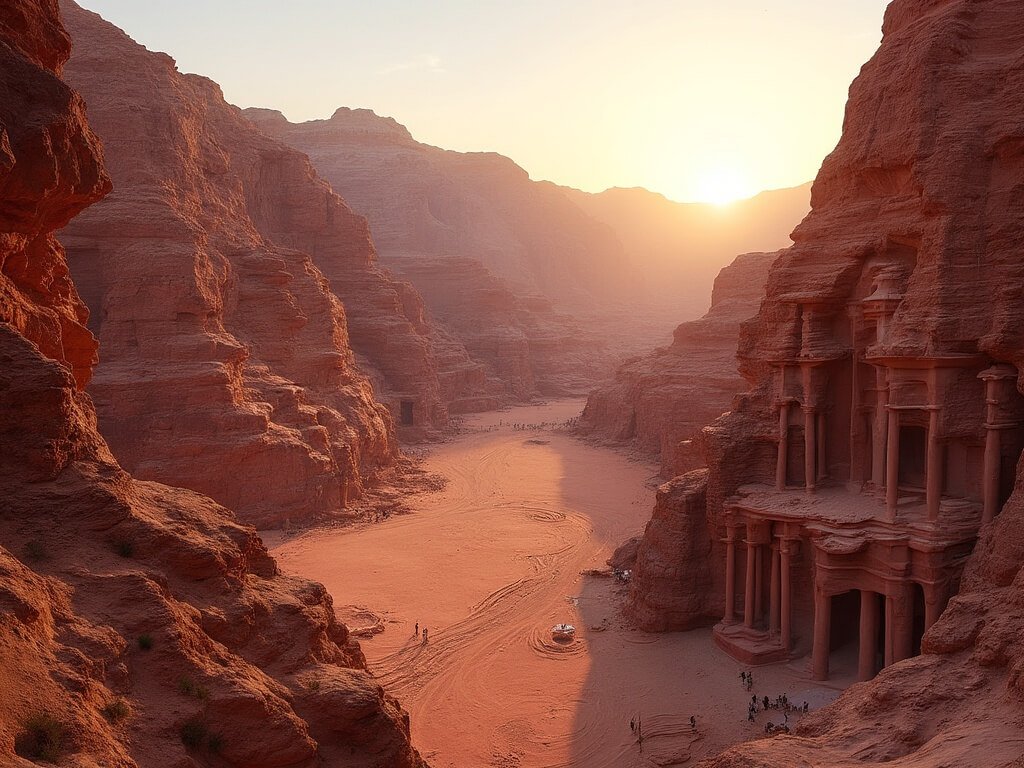
Imagine a city carved not beside mountains, but directly into them. Nestled in southwestern Jordan’s rugged desert landscape, Petra isn’t just another archaeological site – it’s a testament to human ingenuity that defies belief.
The Nabataeans, nomadic Arabs with an extraordinary vision, transformed this seemingly inhospitable terrain into a thriving metropolis around the 4th century BC. These weren’t just settlers – they were master engineers and entrepreneurs who understood landscape like no other civilization of their time.
A City That Whispers Secrets of Ancient Brilliance
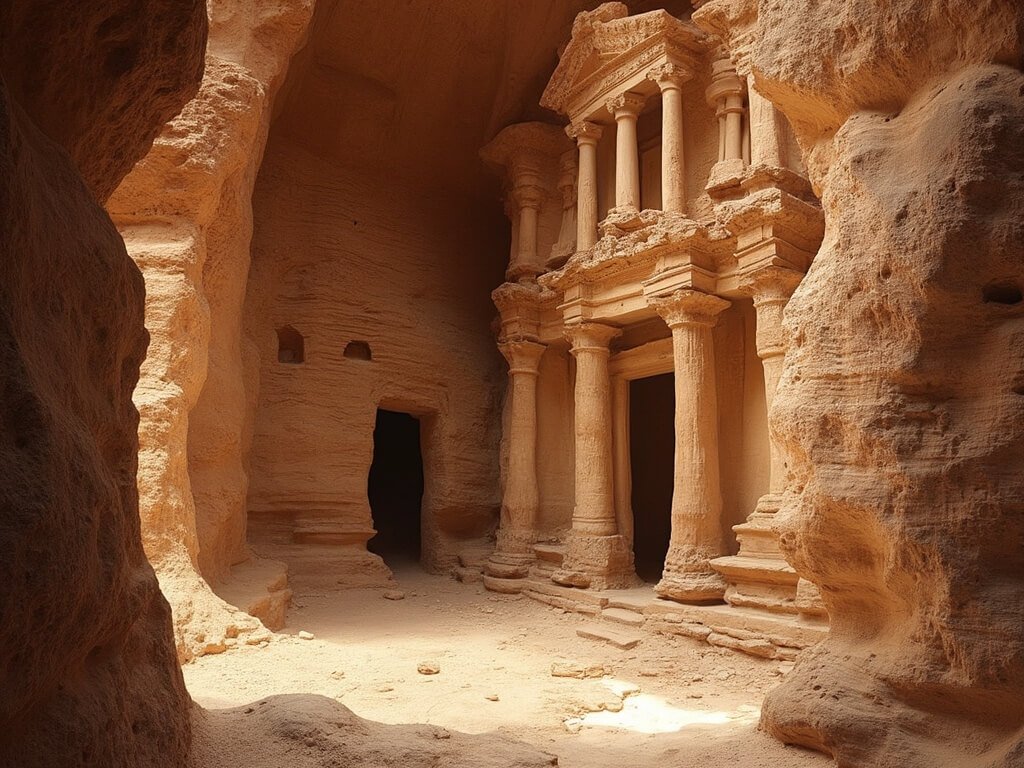
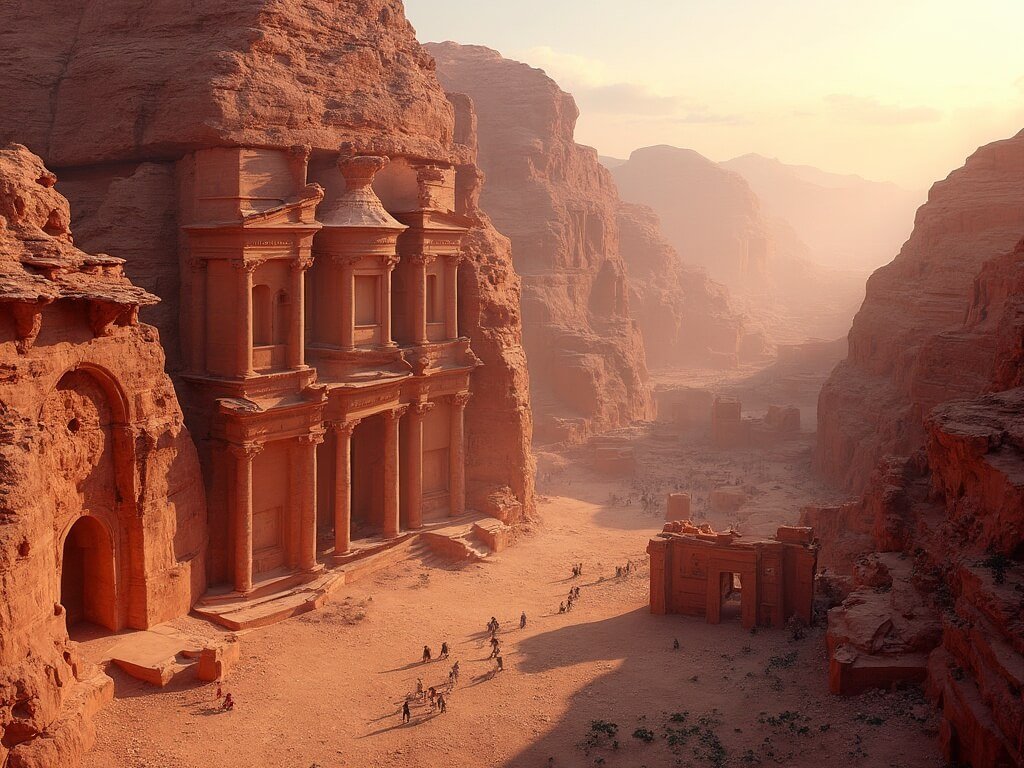
Let me share a personal moment that struck me during my visit. Standing before the Treasury (Al-Khazneh), I was overwhelmed. This isn’t just a building – it’s a 45-meter-high sculpture carved entirely from a sandstone cliff face, its intricate Greek-influenced facade telling stories of a civilization that bridged multiple cultural worlds.
Key highlights that make Petra extraordinary:
- UNESCO World Heritage Site since 1985
- One of the New 7 Wonders of the World
- Nicknamed the “Rose City” for its stunning pinkish-red stone cliffs
- Featured in iconic films like Indiana Jones and the Last Crusade
Engineering Marvels Beyond Imagination
The Nabataeans weren’t just builders – they were survival artists. In one of the world’s most unforgiving desert environments, they created:
- Complex water management systems
- Intricate cistern networks
- Reservoirs that collected and stored precious water
- A strategic city positioned on crucial trade routes
Their population peaked at an estimated 20,000 during the 1st century AD – no small feat in such a challenging landscape.
A Civilization at the Crossroads of Empires
Petra’s story isn’t linear. It’s a dynamic narrative of cultural fusion and adaptation. The city saw:
- Nabataean independence
- Roman annexation in 106 AD
- Byzantine influence
- Gradual transformation from a pagan trading hub to a Christian center
An earthquake in 363 AD marked the beginning of its decline, slowly pushing this once-vibrant city into obscurity.
Rediscovery: From Local Knowledge to Global Wonder
Johann Ludwig Burckhardt’s 1812 expedition wasn’t just a journey – it was a revelation. He introduced this “lost city” to the Western world, sparking decades of archaeological fascination.
Today, only about 15% of Petra has been excavated. Imagine the stories still waiting to be uncovered, the secrets still embedded in these ancient stone walls.
The Living Legacy of an Ancient Metropolis
Petra isn’t a static museum piece. It’s a living, breathing testament to human resilience. Tourism now drives Jordan’s economy, with millions visiting annually to witness this extraordinary site.
But with popularity comes responsibility. Conservation efforts are crucial to preserve this delicate archaeological treasure from environmental pressures and over-tourism.
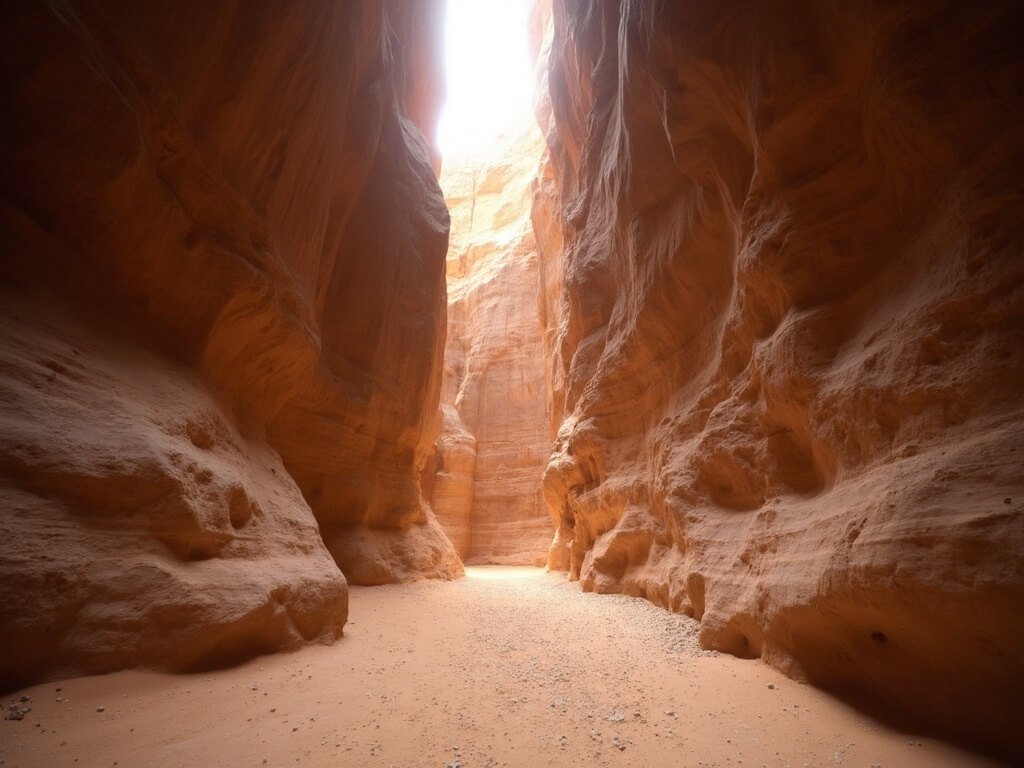
The narrow Al-Siq gorge, stretching nearly a kilometer, still guards Petra’s most intimate secrets, inviting modern explorers to walk the same paths traversed by Nabataean traders thousands of years ago.
As the sun sets on these rose-colored cliffs, casting long shadows across millennia-old structures, one can’t help but feel connected to something larger than ourselves – a civilization that carved not just stone, but its own extraordinary legacy.
The story of Petra is far from over. Each archaeological discovery rewrites our understanding of this remarkable place, promising more revelations in the years to come.
Related Reading:
The Cultural Kaleidoscope: When Stones Speak Volumes
Petra’s true magic lies not just in its physical marvel, but in its profound cultural narrative. This wasn’t merely a city – it was a crossroads of civilizations where religions, trade routes, and human ambitions intersected.
Consider the fascinating religious transformation. From Nabataean polytheistic traditions to early Christian practices, these stone-carved spaces witnessed humanity’s spiritual evolution. The Petra Church, with its intricate 5th-century mosaic floors, represents more than architecture – it’s a testament to cultural adaptation.
Trade Routes: The Economic Heartbeat of an Ancient Metropolis
The Nabataeans weren’t just builders. They were strategic economic geniuses.
Their control of trade routes meant they:
- Dominated incense and spice trade networks
- Established complex economic relationships
- Created a sophisticated monetary system
- Developed diplomatic connections across multiple kingdoms
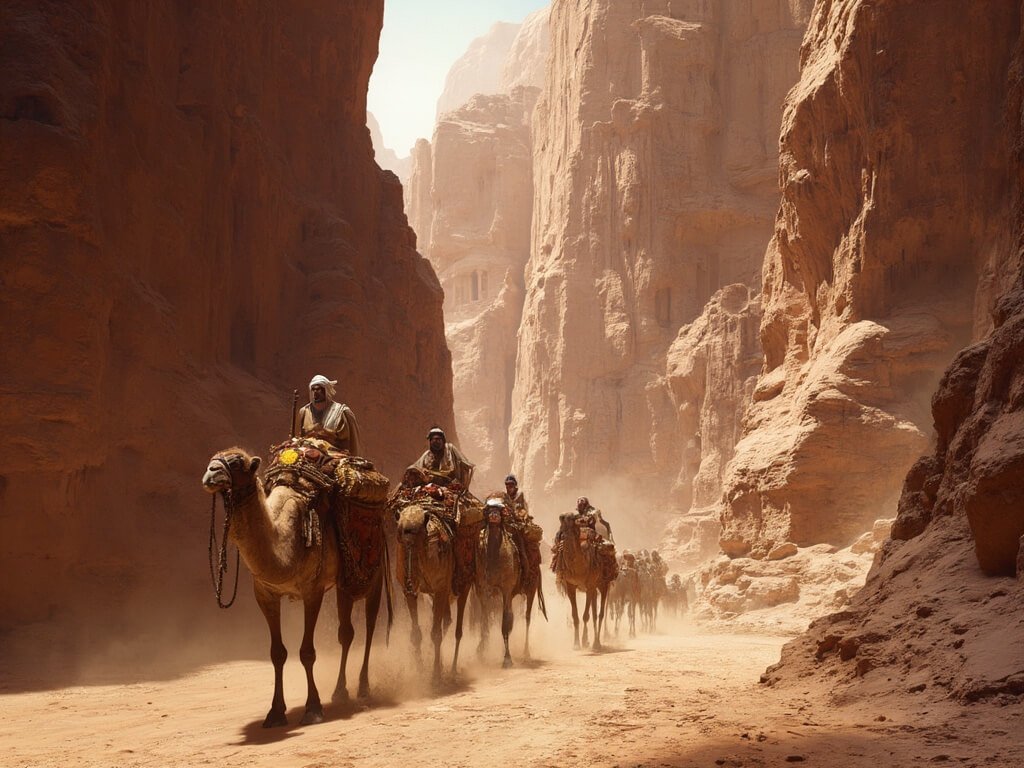
Imagine caravans laden with precious cargo, negotiating these narrow canyon passages, their bells echoing against rose-colored cliffs.
Learn more about Petra’s economic brilliance through the History of Petra.
Architectural Genius: Beyond Simple Construction
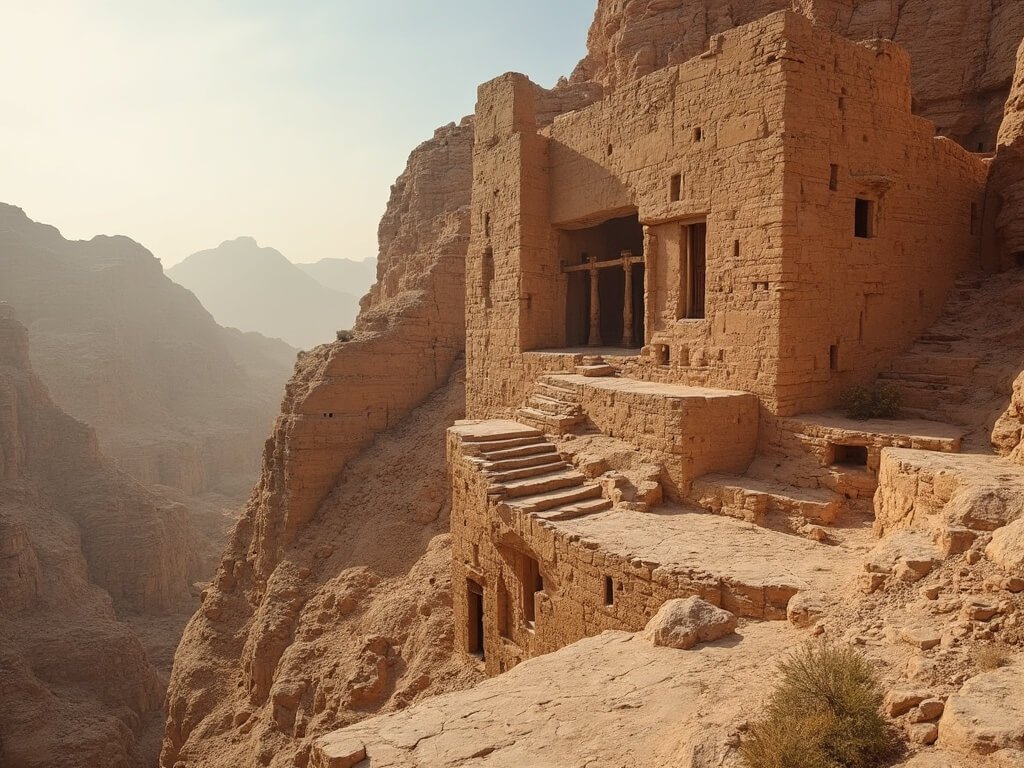
The monuments of Petra challenge our understanding of ancient engineering. Take the Monastery (Ad-Deir) – a structure requiring climbing 800 steps, carved with precision that would challenge modern architects.
Each facade tells a story:
- Royal Tombs showcase multi-generational architectural evolution
- The Theatre demonstrates complex social organization
- Cistern networks reveal unprecedented water management skills
Explore more about the city’s engineering feats at Petra: The Rose-Red City of the Nabataeans.
Conservation: Protecting a Fragile Legacy
Modern challenges threaten this ancient wonder. Climate change, tourism pressures, and environmental degradation pose significant risks.
UNESCO and Jordanian authorities are engaged in a delicate dance – preserving authenticity while allowing controlled exploration. Only 15% of Petra has been excavated, meaning countless stories remain hidden in stone.
Tourism’s Double-Edged Sword
Visitor numbers have grown exponentially. While economically beneficial for Jordan, this surge creates preservation challenges.
Responsible tourism now means:
- Guided, controlled visits
- Strict movement restrictions
- Educational programs about site preservation
- Sustainable infrastructure development
Technology Meets Archaeology: The Future of Petra
Emerging technologies promise exciting discoveries:
- Advanced imaging techniques
- Non-invasive scanning methods
- Digital reconstruction of unexcavated areas
- AI-powered archaeological analysis
Imagine using virtual reality to walk through Nabataean streets, experiencing a civilization long past.
Personal Reflection: A Living Monument
During my visit, standing before these timeless structures, I was struck by an overwhelming sense of human continuity. Petra isn’t just about stones and artifacts – it’s about the persistent human spirit of creativity, survival, and adaptation.
Final Thoughts: An Invitation to Wonder
Petra represents more than a destination. It’s a living narrative of human potential, carved meticulously into stone, waiting for each visitor to unlock its secrets.
As archaeological technologies advance and our understanding deepens, Petra will continue revealing its mysteries – one stone, one story at a time.
For those seeking adventure, historical insight, and a connection to humanity’s extraordinary past, Petra remains an unparalleled journey into the heart of human achievement.
The Rose City awaits your exploration.
History of Petra | Petra: The Rose-Red City of the Nabataeans
Explore related design inspirations:
- Pink Fantasy Bedroom Ideas
- Pink Kitchen Cabinets
- Pink Boho Nursery
- Rustic Home Design
- Mediterranean Style Homes