Tiny Cabin Interiors: Maximizing Style in Minimal Spaces
The tiniest cabin I stayed in had a bed, a stool, and one window over the sink, and I didn’t miss a thing for the week I was there. Tiny cabin interiors work because every object has to earn its place, so nothing in the room is there by accident.
Why Tiny Cabin Interiors Are a Design Lover’s Dream
Imagine change 200 square feet into a sanctuary that’s both practical and drop-dead lovely. That’s the magic of tiny cabin design.
Key Design Principles for Tiny Cabin Success
Space-Maximizing Strategies:
- Embrace vertical storage solutions
- Choose multi-functional furniture
- Create visual breathing room with light colors
- Invest in custom-built pieces that fit perfectly
The Essentials of Tiny Cabin Interior Design
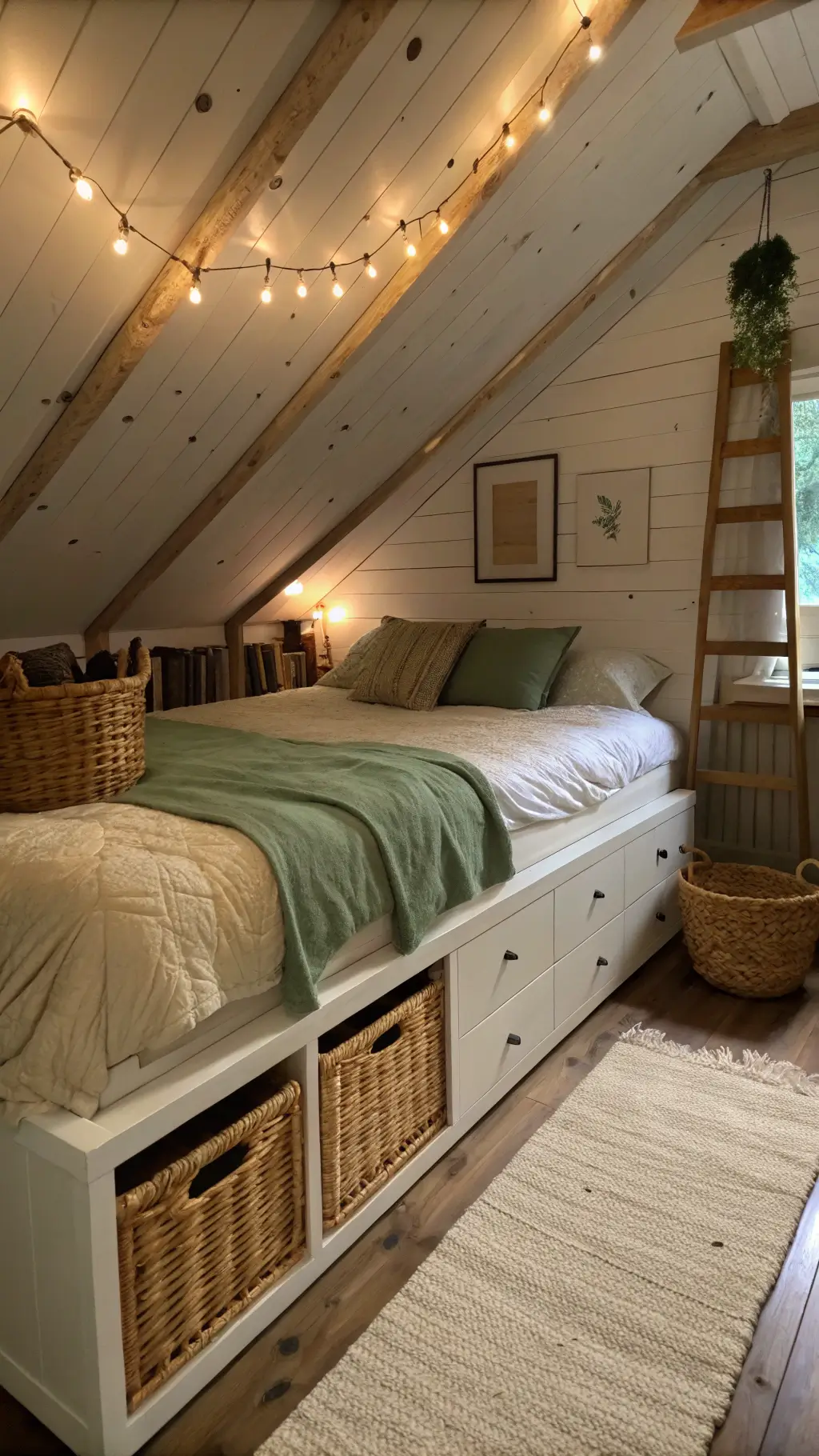
1. Light: Your Most Powerful Design Tool
Natural light is the secret weapon of tiny cabin design. Large windows aren’t just decorative—they’re changeative:
- Break down visual barriers between indoor and outdoor spaces
- Make rooms feel dramatically larger
- Create an instant mood boost
- Reduce electricity usage
2. Furniture That Works Harder Than You Do
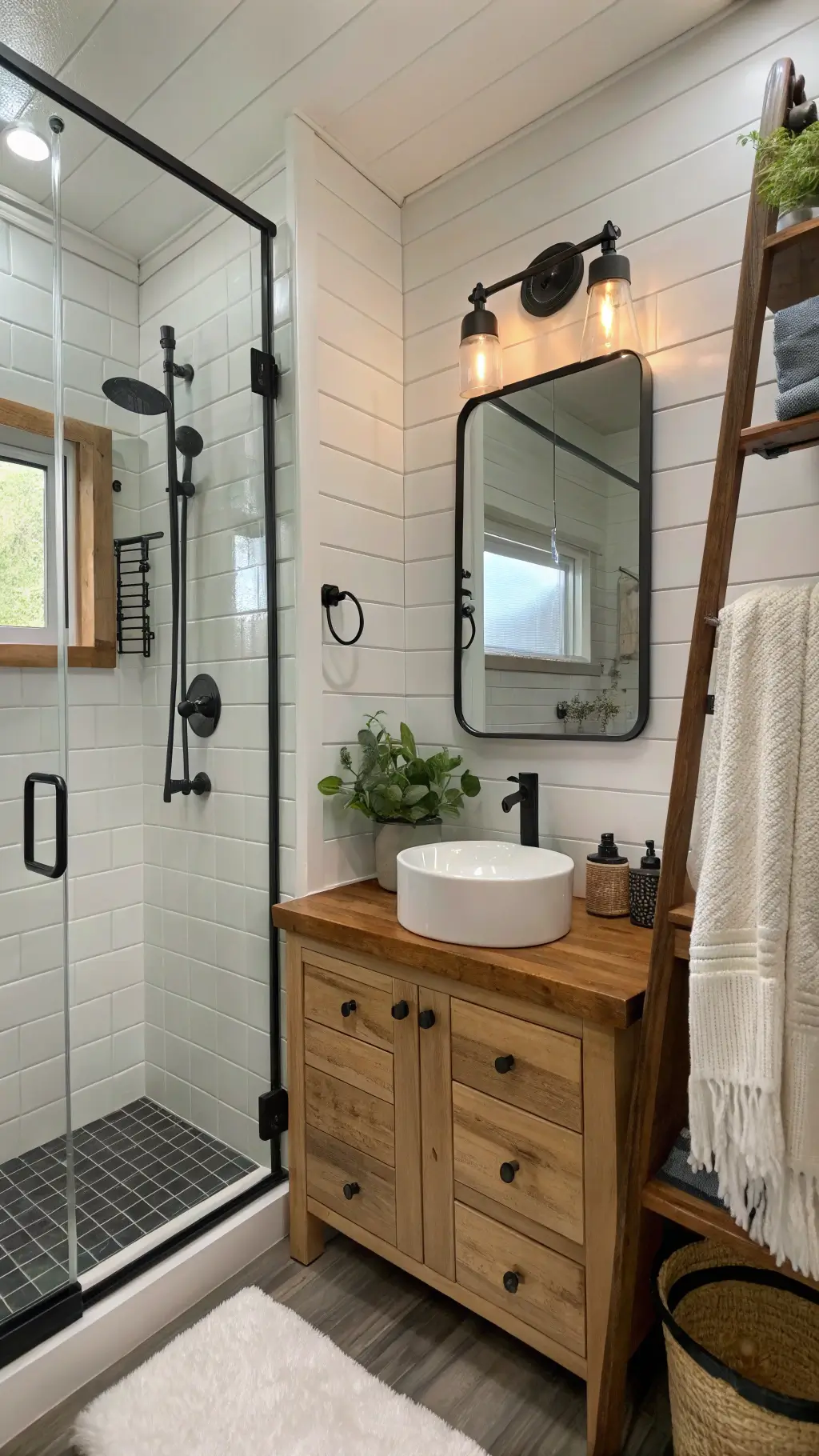
Smart Furniture Choices:
- Convertible sofas that become beds
- Tables with hidden storage compartments
- Wall-mounted desks that fold away
- Nesting furniture sets
3. Material Magic: Warmth Meets Functionality
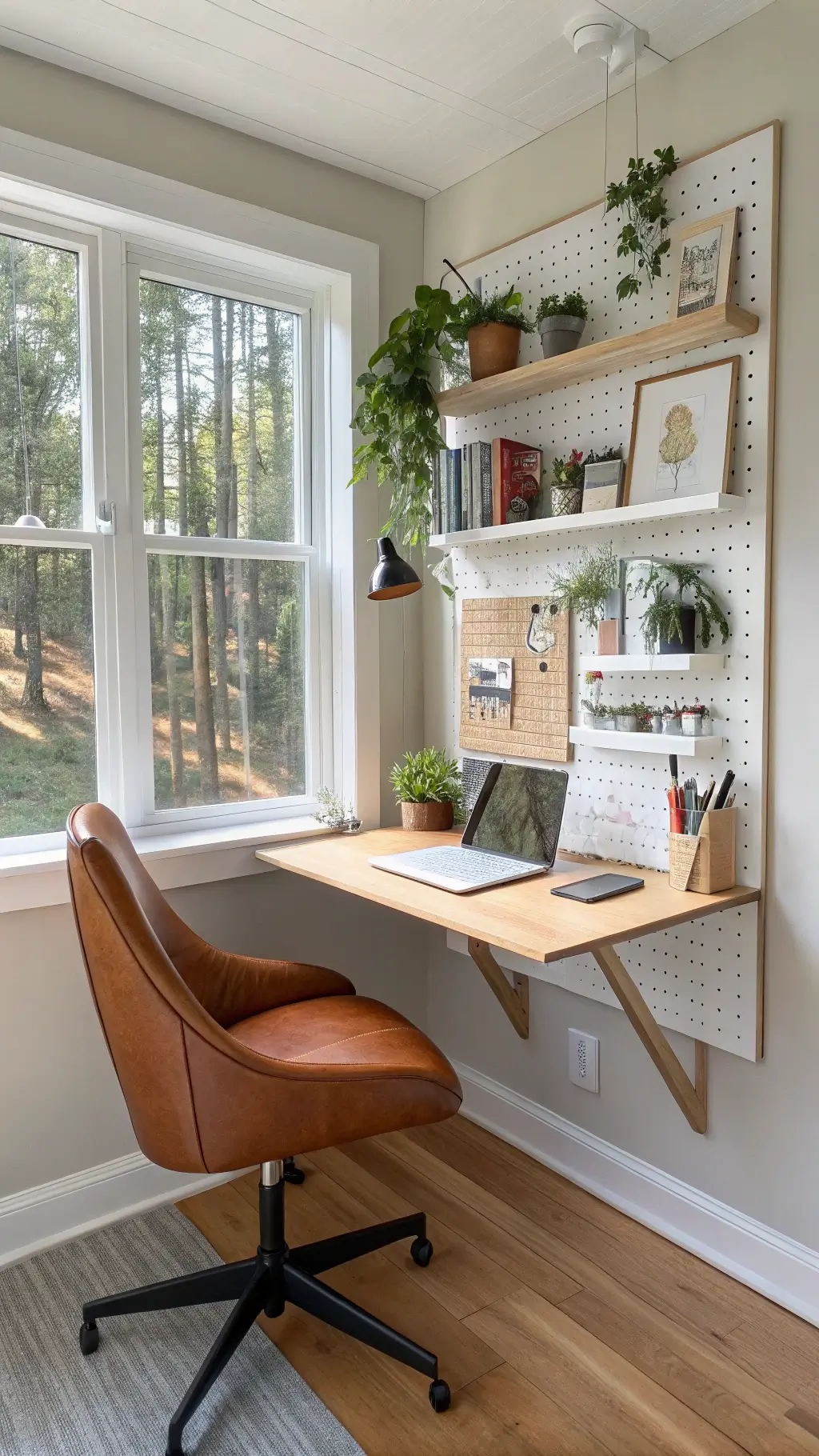
Top Material Choices:
- Reclaimed wood for warmth and character
- Light-reflecting white paint
- Natural textiles like wool and linen
- Minimal metal accents for modern edge
Design Zones: Making Every Inch Count
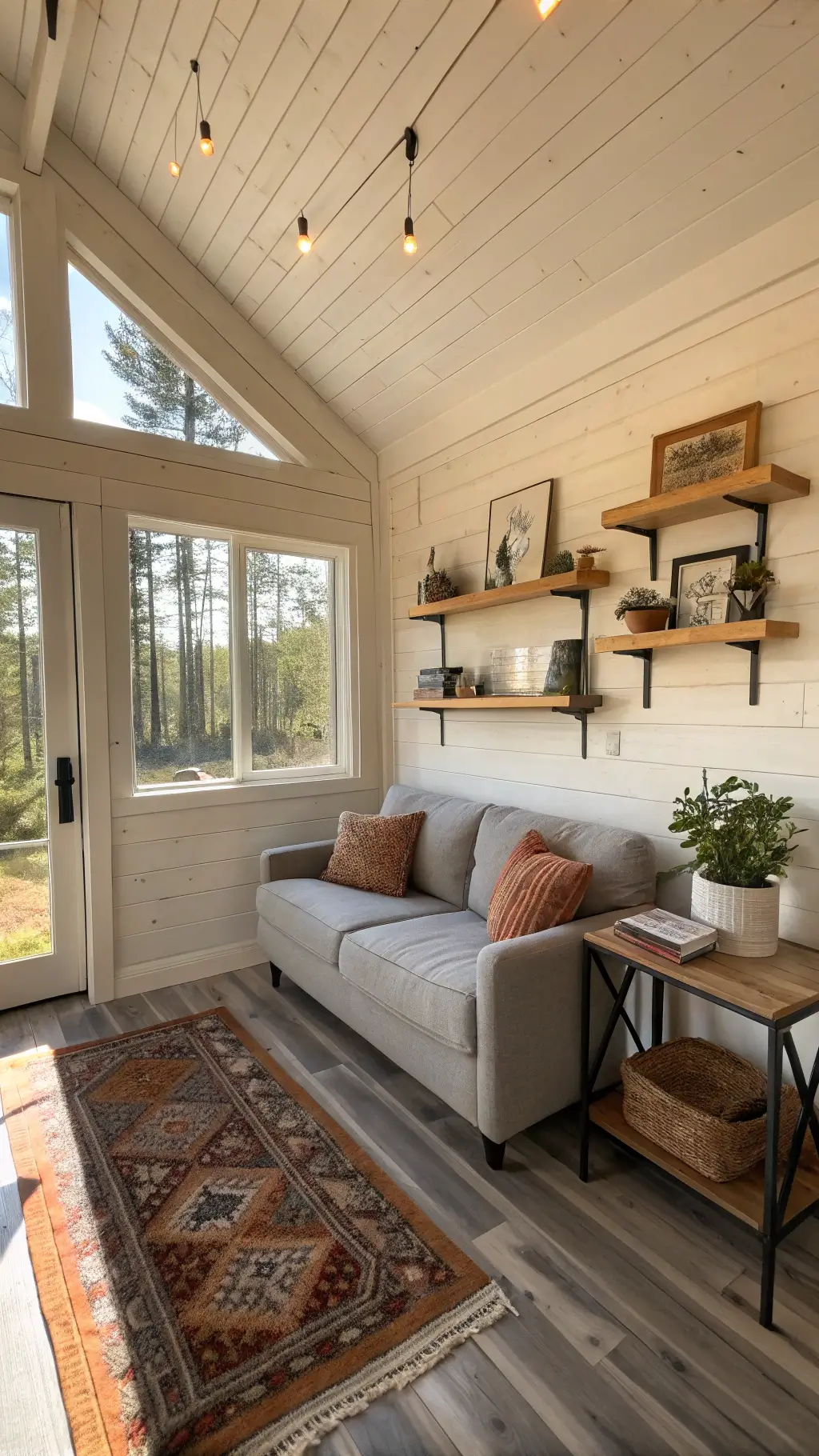
Living Area
- Create distinct zones with area rugs
- Use low-profile furniture
- Incorporate floating shelves
- Select a neutral base with colorful accessories
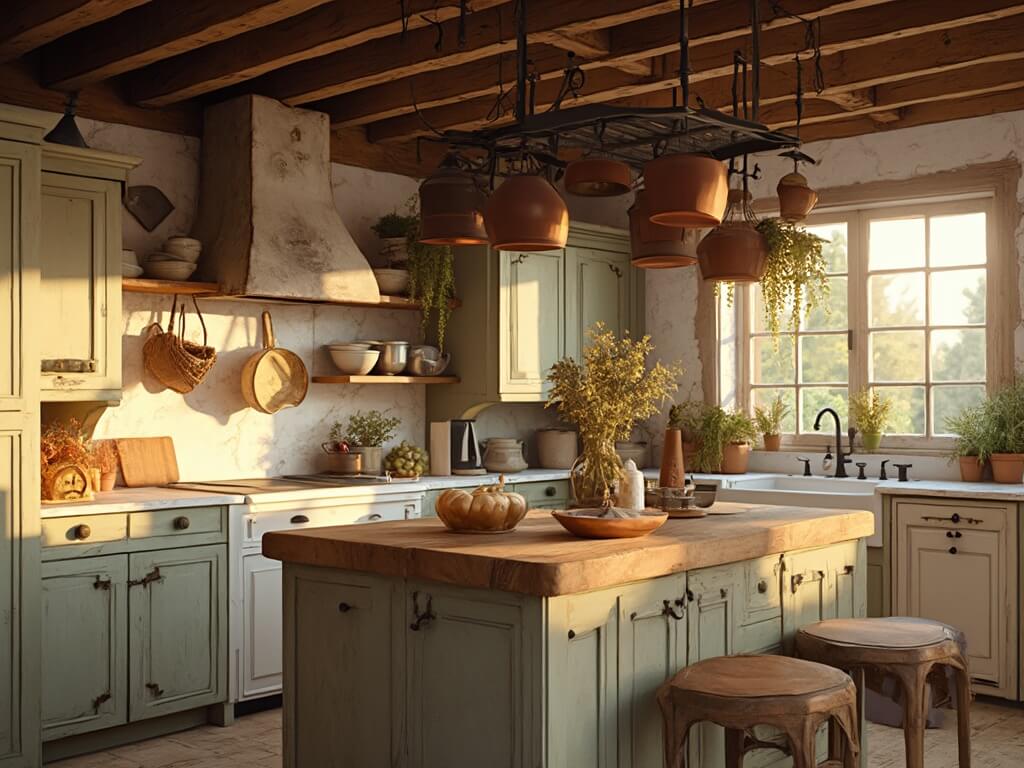
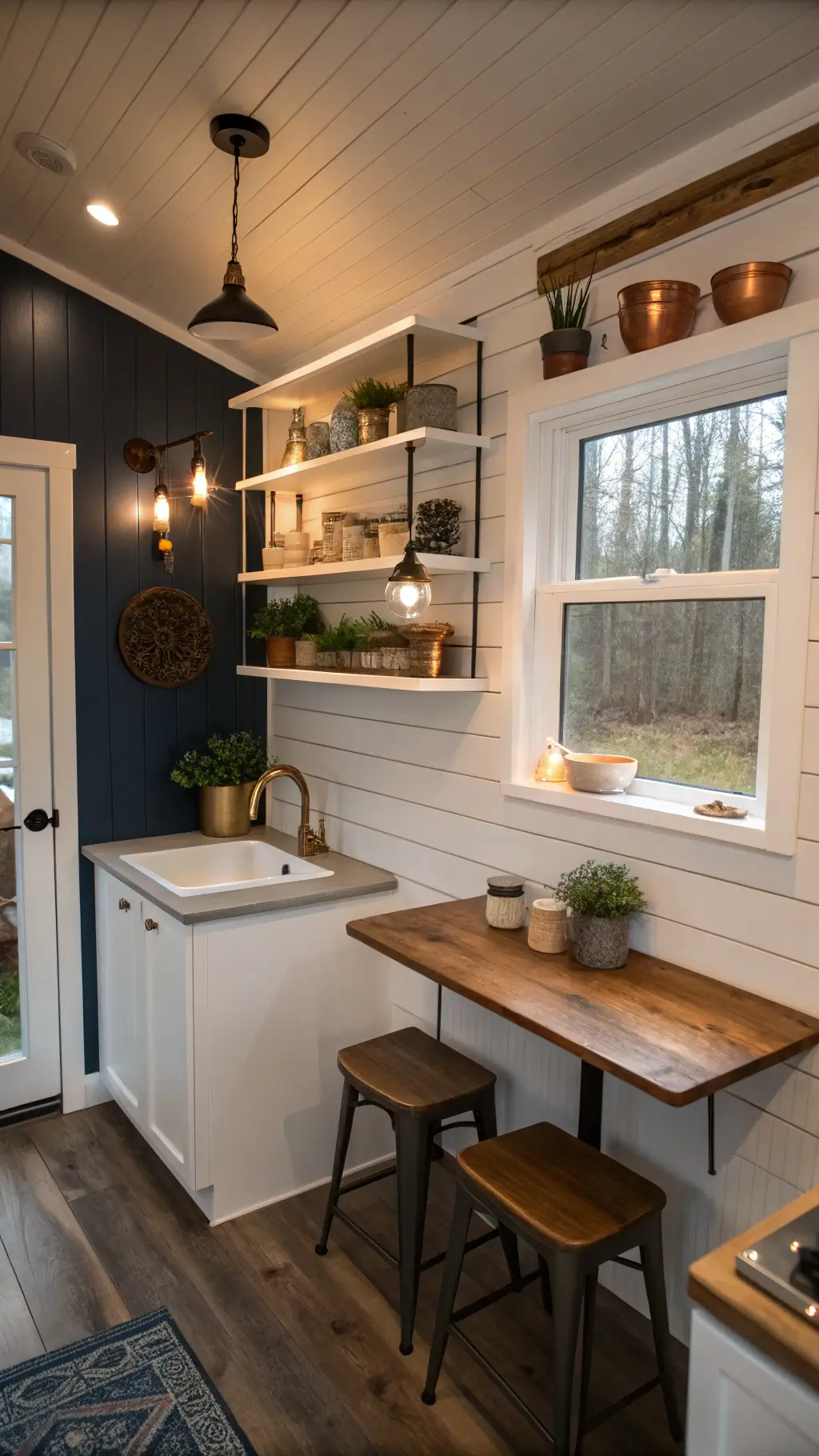
Kitchen Strategies
- Open shelving
- Compact appliances
- Pull-out cutting boards
- Magnetic knife strips
- Hanging pot racks
Sleeping Zones
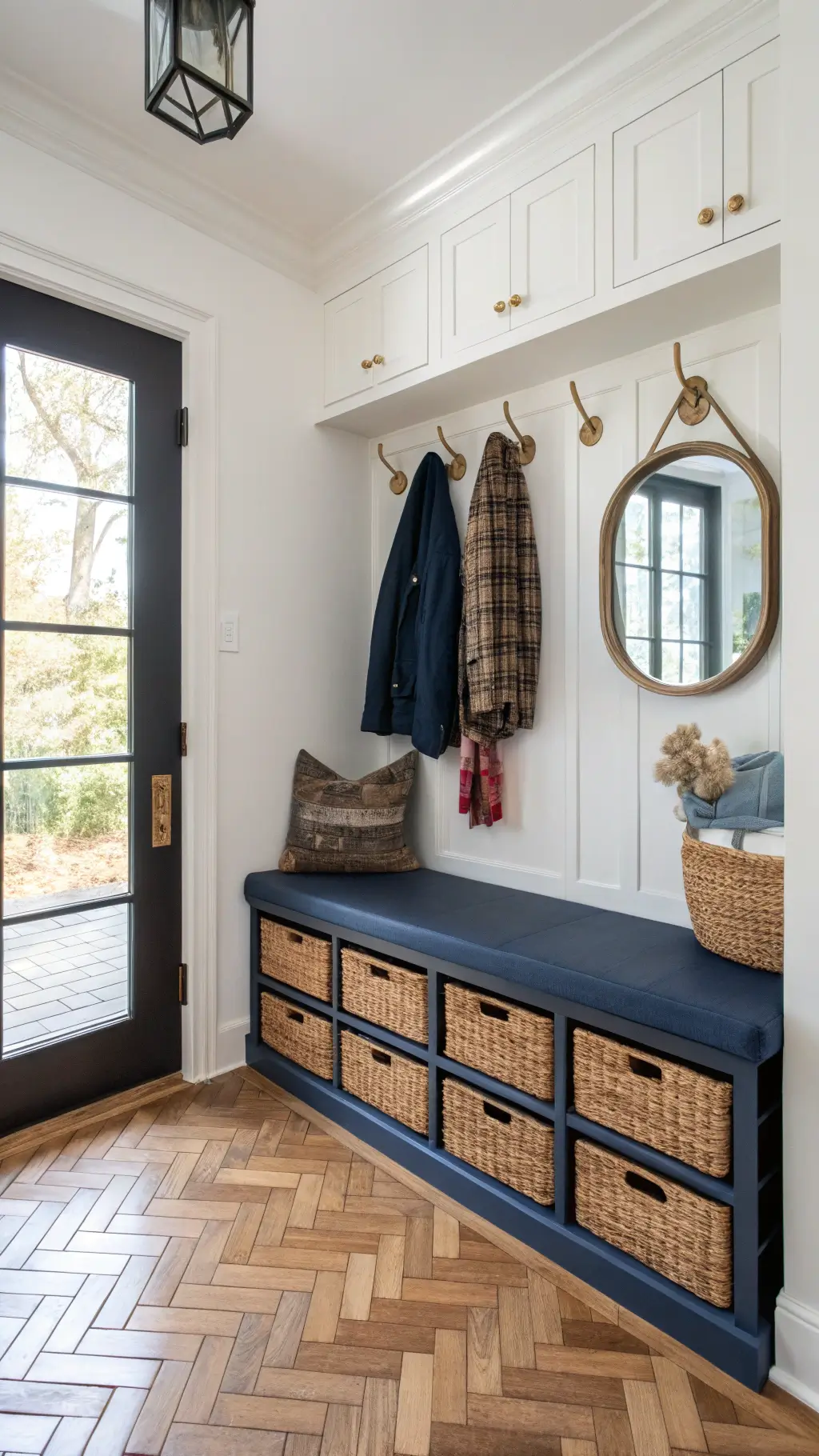
- Loft beds to maximize floor space
- Under-bed storage drawers
- Fold-down murphy beds
- Curtains for privacy
Pro Styling Tips
Color Palette Secrets:
- Stick to light, neutral base colors
- Add depth with earth tones
- Use green and blue for calm accents
- Create visual interest through texture, not just color
Lighting Design:
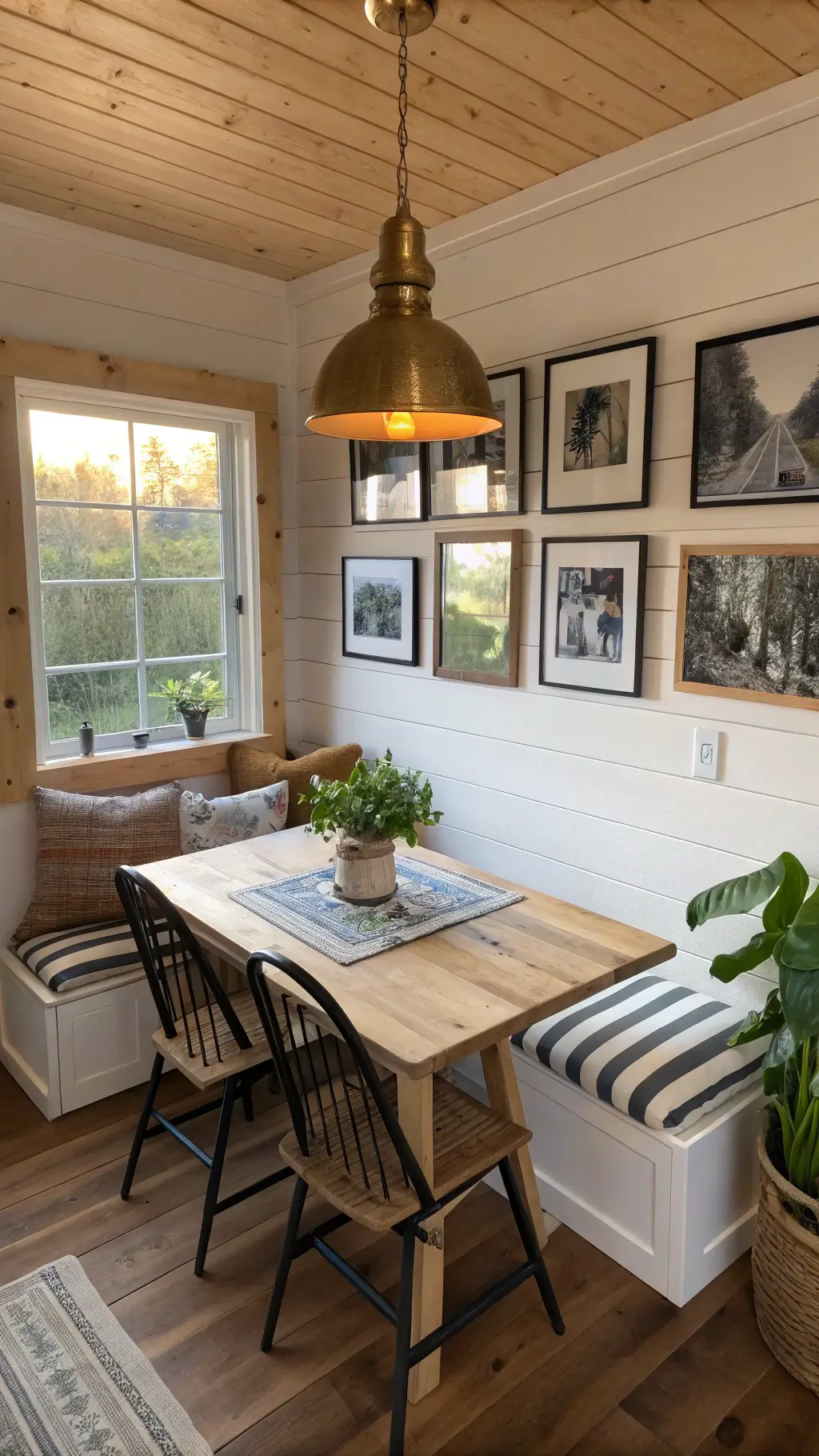
Build the storage into the walls, keep the palette to two woods and one soft tone, and let the view be the decor. The cabin feels right when it’s light to live in, not full to look at.
- Overhead fixtures
- Task lighting
- Ambient string lights
- Dimmable options
Common Mistakes to Avoid
- ❌ Overcrowding spaces
- ❌ Ignoring vertical storage potential
- ❌ Choosing bulky furniture
- ❌ Neglecting personal style
Budget-Friendly changeation Ideas
- Thrift store furniture hunting
- DIY storage solutions
- Paint as a low-cost design changeer
- Multipurpose decor items
Final Thoughts
Tiny cabin interiors aren’t about limitation—they’re about liberation. By embracing smart design, you create a space that’s not just a dwelling, but a personal sanctuary.
Remember: Great design isn’t about size. It’s about intention, creativity, and making every square inch tell your unique story.