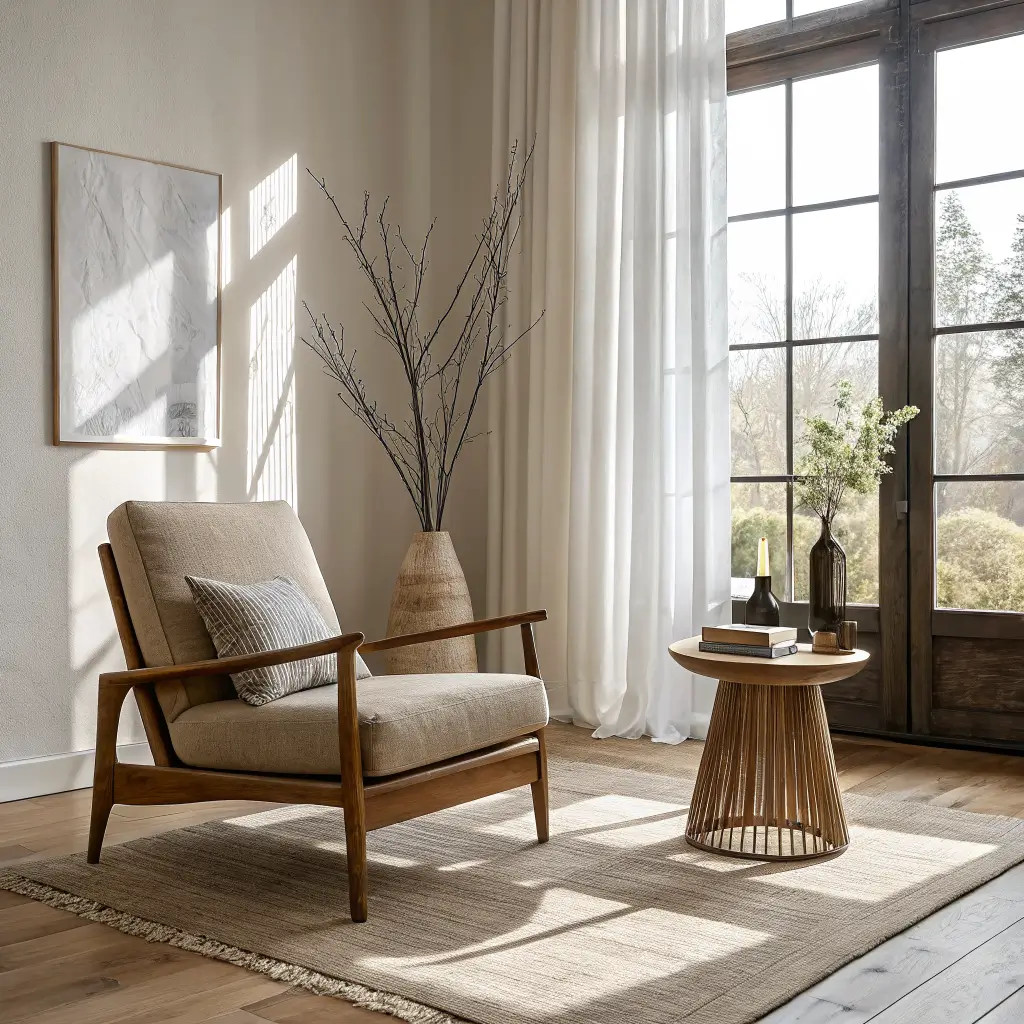
The japandi chair I bought was the one piece that fixed my reading corner. Low, honest wood, and no fuss, it does more than the sofa behind it.
Japandi is Japanese minimalism married to Scandinavian warmth. Think wabi-sabi restraint plus the coziness that keeps a room from feeling like a dentist’s waiting area. A Japandi chair specifically pulls from both sides: clean, low silhouettes, light woods, natural fibers, and upholstery in muted neutrals.
It’s the right pick if you want:
– A calm reading corner with actual quiet in it
– Minimalist rooms that still feel warm
– Durable, everyday seating in natural materials
– Furniture that won’t look dated in three years
It suits small apartments especially well because the frames tend to be open and leggy, which lets light and air move through instead of creating a visual wall.
The Chair Itself: Silhouettes That Actually Read Japandi
There are four shapes I’d point you toward:
– Solid wood frame lounge chair with linen or cotton upholstery and tapered legs. Oak or birch. The classic move.
– Rattan or cane accent chair with a walnut or oak frame. Woven back, woven seat, or both. Lightest visually.
– Low-profile armchair with track arms and a boxy seat on slim wooden legs. Grounded, calm, easy to live with.
– Armless lounge chair for tight corners where arms would eat the room.
Dimensions to check before you click buy: most Japandi accent chairs land around 24–32″ wide, 28–36″ deep, and 30–36″ tall. Seat depth should sit at 20–24″ — anything shallower and you’re perched, anything deeper and shorter people slide out.
I made the seat-depth mistake with a beautiful cane-back chair I ordered online during a sale. It looked perfect in photos. In person the seat was 26″ deep and my feet dangled unless I stacked a lumbar pillow behind me, which killed the whole clean look. Now I measure my current favorite chair and use that as the benchmark for anything new.
Prices: What You’re Actually Paying
– Budget ($150–$350): Amazon, Homary, big-box. The Homary walnut rattan lounge sits around $260–$320 and is a solid entry point.
– Mid-range ($350–$900): Living Spaces, Povison, curated Japandi retailers. Better foam, better joinery, real wood instead of veneer over MDF.
– High-end ($900–$2,000+): CondeHouse, Mater, Cane-Line. Heirloom construction, solid oak, hand-woven cane.
Where I’d spend: the frame and the seat cushion. Cheap foam collapses in six months and cheap veneer chips at the leg joints. Where I’d save: the throw, the cushion cover, the ceramic on the side table. Those get swapped seasonally anyway.
Colors and Materials That Belong Here
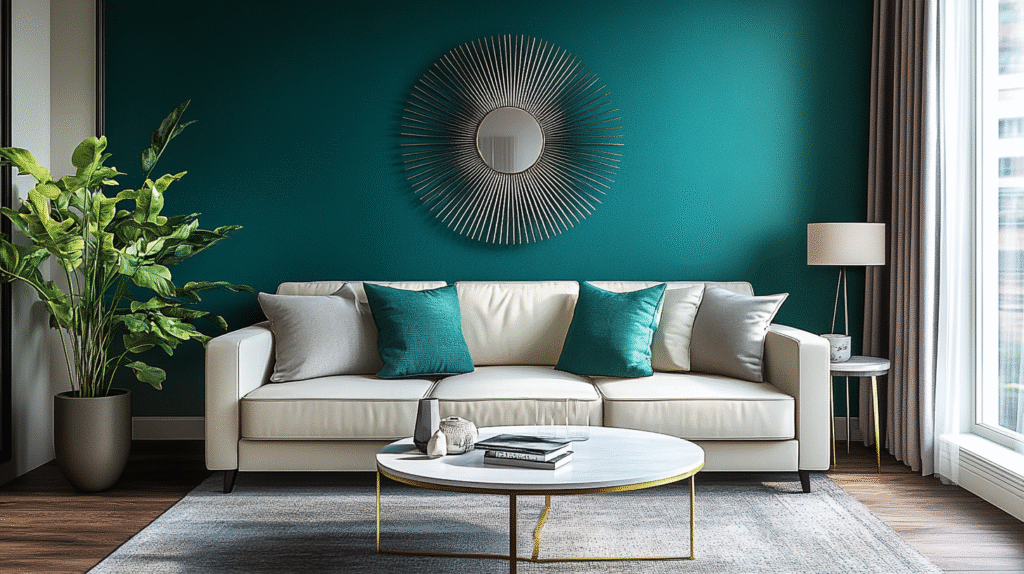
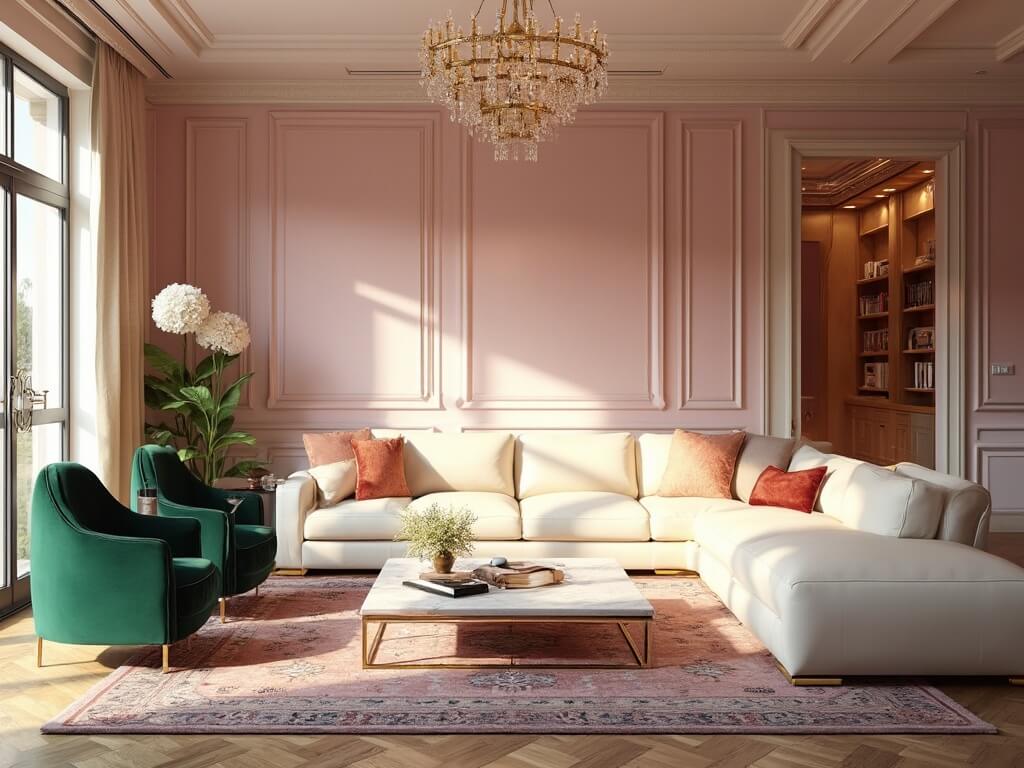
Keep the palette tight. Japandi falls apart the second you introduce five wood tones and a jewel-tone velvet.
Woods: oak, ash, birch, maple — light to mid-tone, warm undertone. Occasional black-stained wood as a single accent piece works, but don’t mix black-stained with three other wood tones.
Neutrals for upholstery: warm white, greige, stone beige, taupe, soft gray. Deeper accents for a single chair or cushion: charcoal, ink navy, mocha brown.
Fabrics: linen, cotton, wool blends, or high-performance polyester that reads like linen. The performance stuff matters if you have kids or a shedding dog — it looks natural but wipes clean. I have a linen-look poly on my main chair and I’ve spilled coffee on it twice. Both times, gone.
Textures to combine: smooth wood, woven rattan or cane, soft matte textile. That’s the trio. If one is missing, the chair looks flat.
How to Style the Chair Without Ruining It
The single biggest mistake is treating the corner like a boho vignette. Japandi is subtractive. Start minimal, resist the urge to add.
The baseline formula:
1. One chair
2. One low side table in a wood tone close to (but not identical to) the chair — oak chair + ash table, for example
3. One light source — floor lamp with linen or paper shade, warm bulb at 2700–3000K (not the blue-white 4000K stuff)
4. One plant — sculptural, not bushy. A small olive tree, a rubber plant, or literally one tall branch in a clay vessel
5. One cushion in a textured neutral
6. One throw loosely over the arm — do not fold it into a hotel-corner triangle
That’s it. Five to six items around the chair, total. If you’re tempted to add a seventh, remove something first.
Rug: wool or cotton flatweave, low pile, in oatmeal, stone, or warm gray. Slide it partially under the chair so the front legs sit on it. Fully on or fully off — no floating in the middle.
Ceramics on the side table: one matte piece, maybe two. Speckled clay, off-white, or charcoal. Books stacked flat, not fanned.
Placement and Flow
Leave 30–36″ of clearance around the chair for walking room. Japandi lives and dies on open floor space — cram it in and the style collapses.
Two placements that work:
– Perpendicular to the sofa for conversation seating
– Angled toward a window for a reading nook
Side table on the more open side, within easy arm’s reach — roughly 6–10″ from the chair arm.
Do not shove the chair against a wall with zero breathing room. The negative space behind it (the empty wall, the pause) is part of the look.
The Mistakes I See Constantly
Too many wood tones. Stick to one or two shades in the same family. Oak with ash: fine. Oak with walnut with pine with black-stained rubberwood: chaos.
Too much contrast. A very dark chair on a very light rug with a very white wall and a very black lamp reads graphic, not calm. Pull one dark element and let the rest sit in the muted middle.
Pattern overload. Limit yourself to one focal textile with any pattern, and even that should be a slubbed linen or subtle herringbone — not a bold print.
Sacrificing comfort for looks. Some minimalist chairs are gorgeous and miserable. Sit in it before you buy, or read reviews specifically for seat depth and back angle. If you can’t test in person, order from somewhere with free returns.
Wrong scale. A 32″ wide chair next to a 96″ sofa looks like a child dragged it in. A 30″ chair in a 9×10 bedroom eats the room. Measure the space, measure the chair, tape it out on the floor with painter’s tape before ordering.
Seasonal Swaps That Actually Work
The chair stays the same year-round. Everything around it shifts.
– Spring: lighter gauze cotton throw, fresh branches (cherry, magnolia) in a ceramic vase
– Summer: linen cushion, a woven basket for magazines, maybe swap in a lighter rug
– Autumn: chunky wool throw in rust, ochre, or muted terracotta; dried grasses replace fresh stems
– Winter: heavier wool cushion, darker ceramic on the table (espresso or charcoal), warmer lamp bulb if possible
Budget for the swaps: cushion covers $20–$40, throws $30–$80, plants and planters $30–$120. You can refresh the whole corner for under $150 without touching the chair.
Mixing Japandi with What You Already Own
You probably don’t want to redo the whole room. Fair.
– Japandi + Scandi: already halfway there. Just pull one warmer wood tone in and pare back accessories.
– Japandi + mid-century: works well. Tapered legs are common ground. Keep the palette neutral and skip glossy walnut.
– Japandi + boho: doable but risky. One textured cushion or fringed throw, max. Keep colors subdued.
– Japandi + coastal: driftwood tones and soft blue-gray cushions are fine. Rope, anchors, shells are not.
The One Filter I Use Before Buying Anything
Before I add anything to my chair corner, I ask: is it simple, functional, and natural? If it fails one of those three, it doesn’t go in.
That’s the whole trick. The chair matters, but the discipline around the chair matters more. A $300 rattan lounge with restraint around it will out-style a $1,500 designer piece drowning in throw pillows every time.